Ohio’s freeze-thaw cycles and heavy clay soils can quickly turn a fence into a costly headache. If you’re planning a Columbus fence installation, understanding how local weather and soil affect your fence’s lifespan is key. This guide will help you choose the right materials and techniques to build a fence that stands firm through every season and daily use. For more insights, check out this resource.
Understanding Ohio’s Unique Challenges
Building a fence in Ohio requires understanding the unique challenges posed by local weather and soil. These factors can dramatically impact the longevity of your fence, making it crucial to plan accordingly.
Freeze-Thaw Cycles and Your Fence
In Ohio, freeze-thaw cycles are a major concern for fences. When temperatures fluctuate, the ground expands and contracts, which can shift fence posts and cause structural issues. To combat this, it’s essential to install posts below the frost line. The frost line in Ohio typically ranges from 32 to 42 inches deep, so ensuring your posts reach this depth can help prevent movement. Using materials like concrete to secure posts can also add stability, reducing the risk of shifting and tilting over time.
Handling Clay Soil Effectively
Ohio’s clay soil is known for poor drainage and compaction, which can affect fence stability. Clay soil retains water, leading to swelling and pressure on fence posts. To manage these conditions, consider adding gravel or sand at the base of each post hole to improve drainage. This simple step helps reduce water retention, keeping the posts more stable. It’s also beneficial to use treated wood or other moisture-resistant materials to prevent rot and decay.
Everyday Wear and Tear Considerations
Beyond soil and weather, daily use and exposure can take a toll on your fence. Whether it’s a residential or commercial fence in Columbus, constant exposure to elements like wind and rain can cause wear. Regular inspections and maintenance are key to extending your fence’s life. Look for signs of damage such as cracks or loose panels, and address issues promptly. Routine care not only maintains the fence’s appearance but also its structural integrity.
Selecting the Right Materials
Choosing the right materials is vital for a durable fence that can withstand Ohio’s conditions. Each material offers distinct advantages that cater to different needs and preferences.
Choosing Wood or Vinyl Fencing
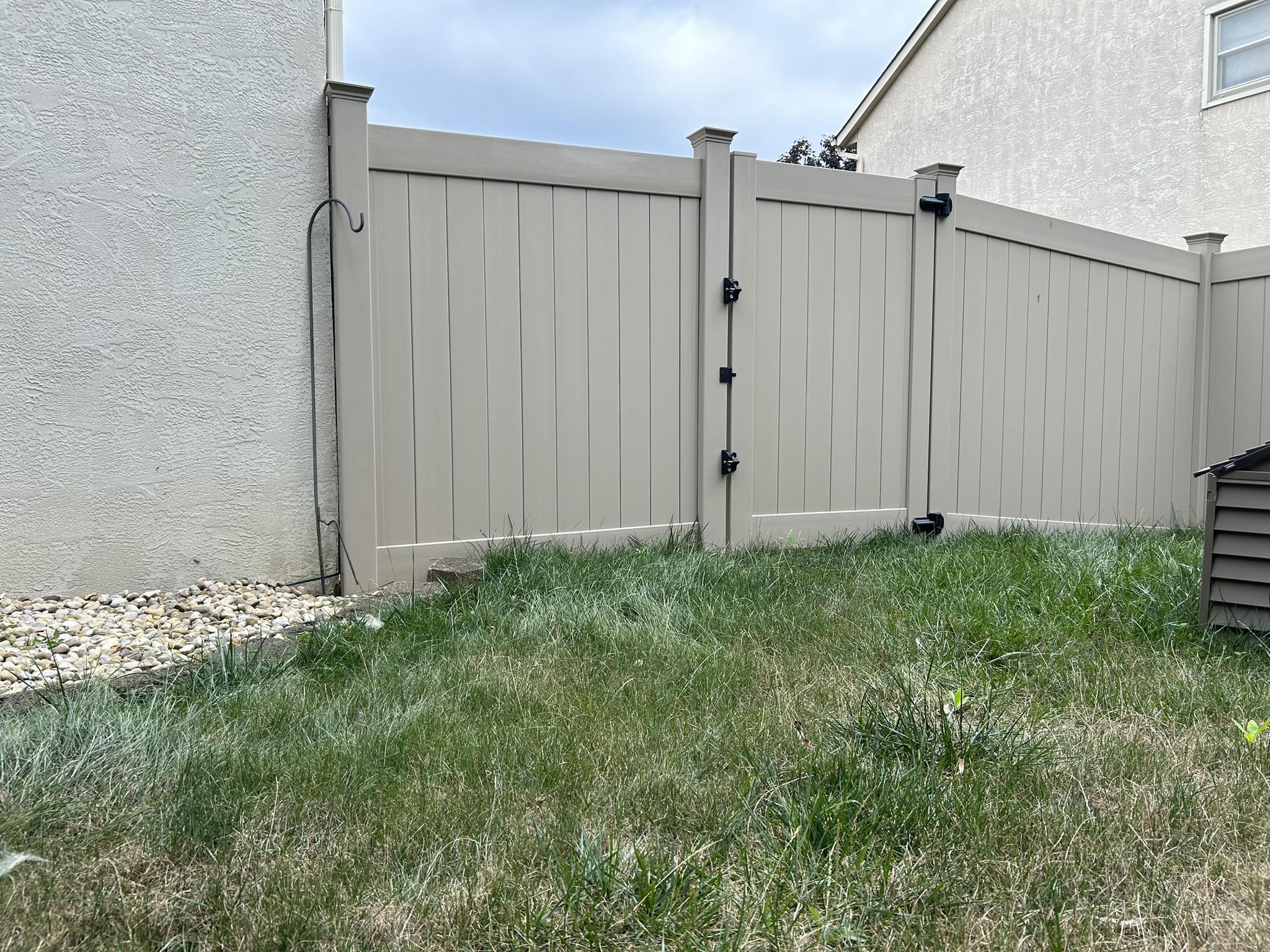
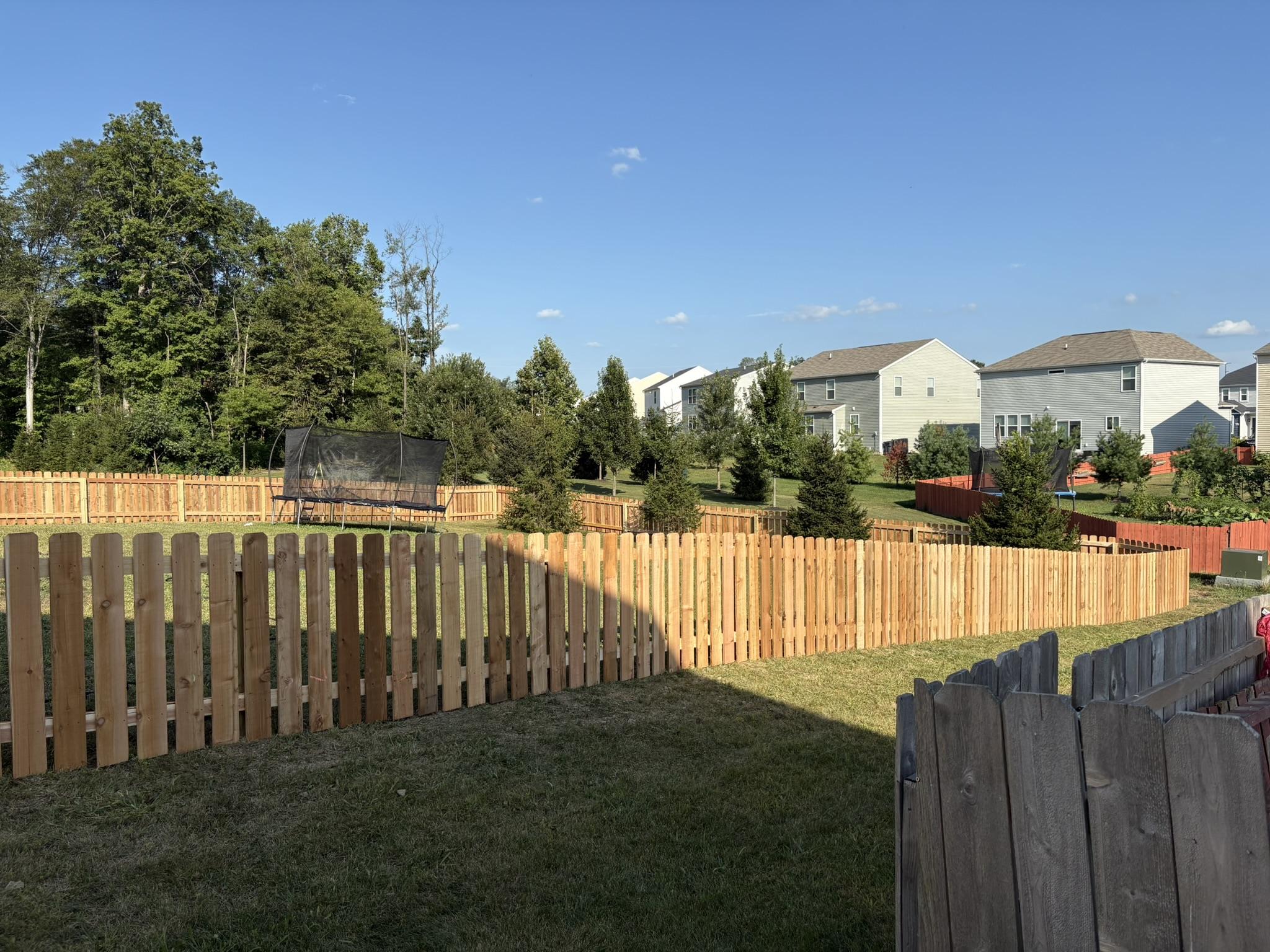
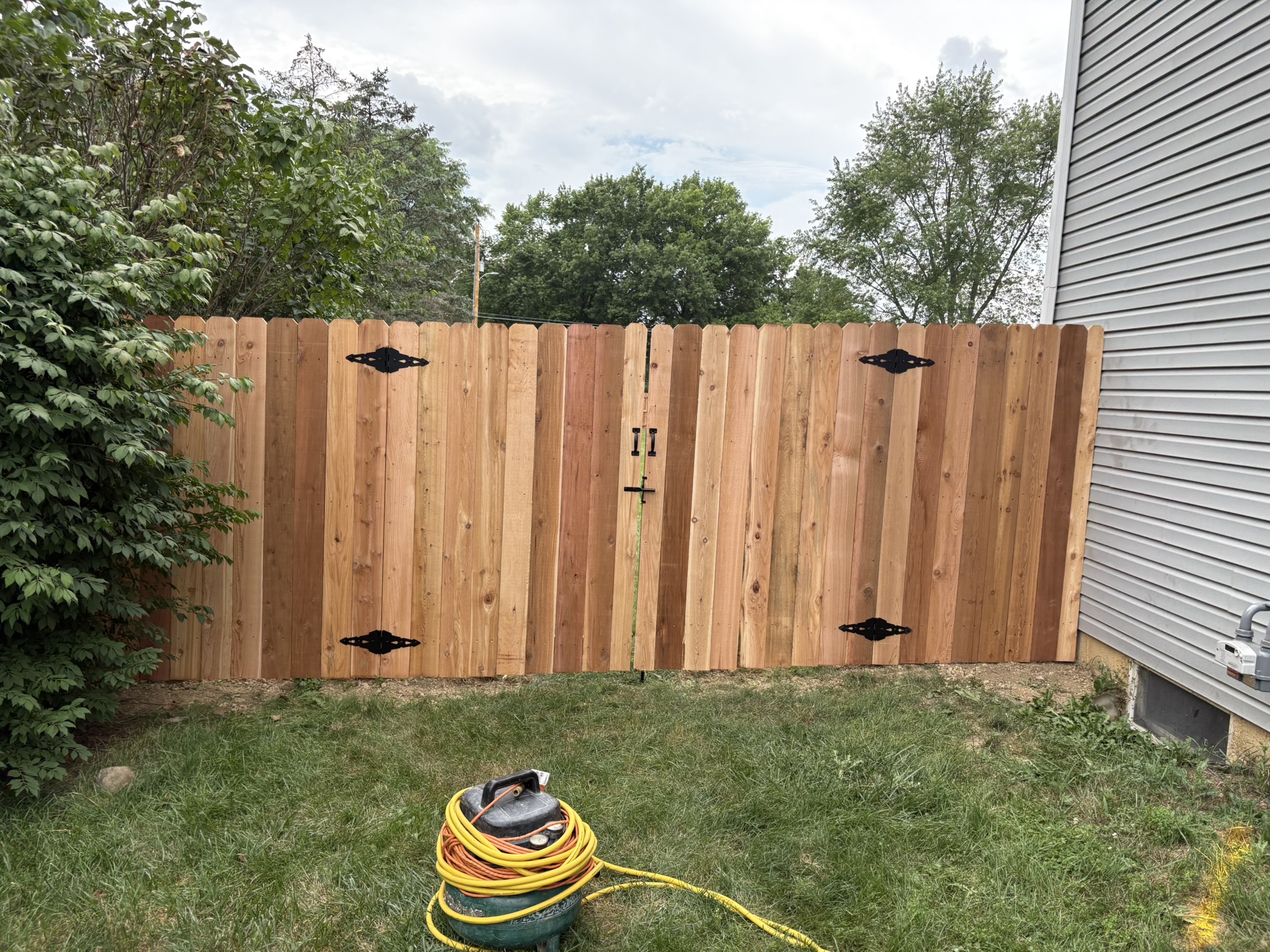
Wood and vinyl are popular choices for their aesthetic appeal and versatility. Wood provides a classic look and can be customized with different stains and designs. It’s essential to choose rot-resistant types like cedar or redwood for longevity. Vinyl, on the other hand, requires less maintenance and offers a clean, modern appearance. It’s resistant to moisture and won’t warp or rot, making it a great option for Ohio’s variable climate.
Why Aluminum and Chain Link Shine
Aluminum and chain link fences are valued for durability and low maintenance. Aluminum is lightweight yet strong, offering excellent resistance to rust and corrosion. It’s an ideal choice for homeowners seeking a stylish yet sturdy option. Chain link fences, often used for commercial purposes, are cost-effective and provide robust security. Both materials withstand harsh weather conditions, making them reliable choices for Central Ohio fencing needs.
Custom Solutions for Unique Needs
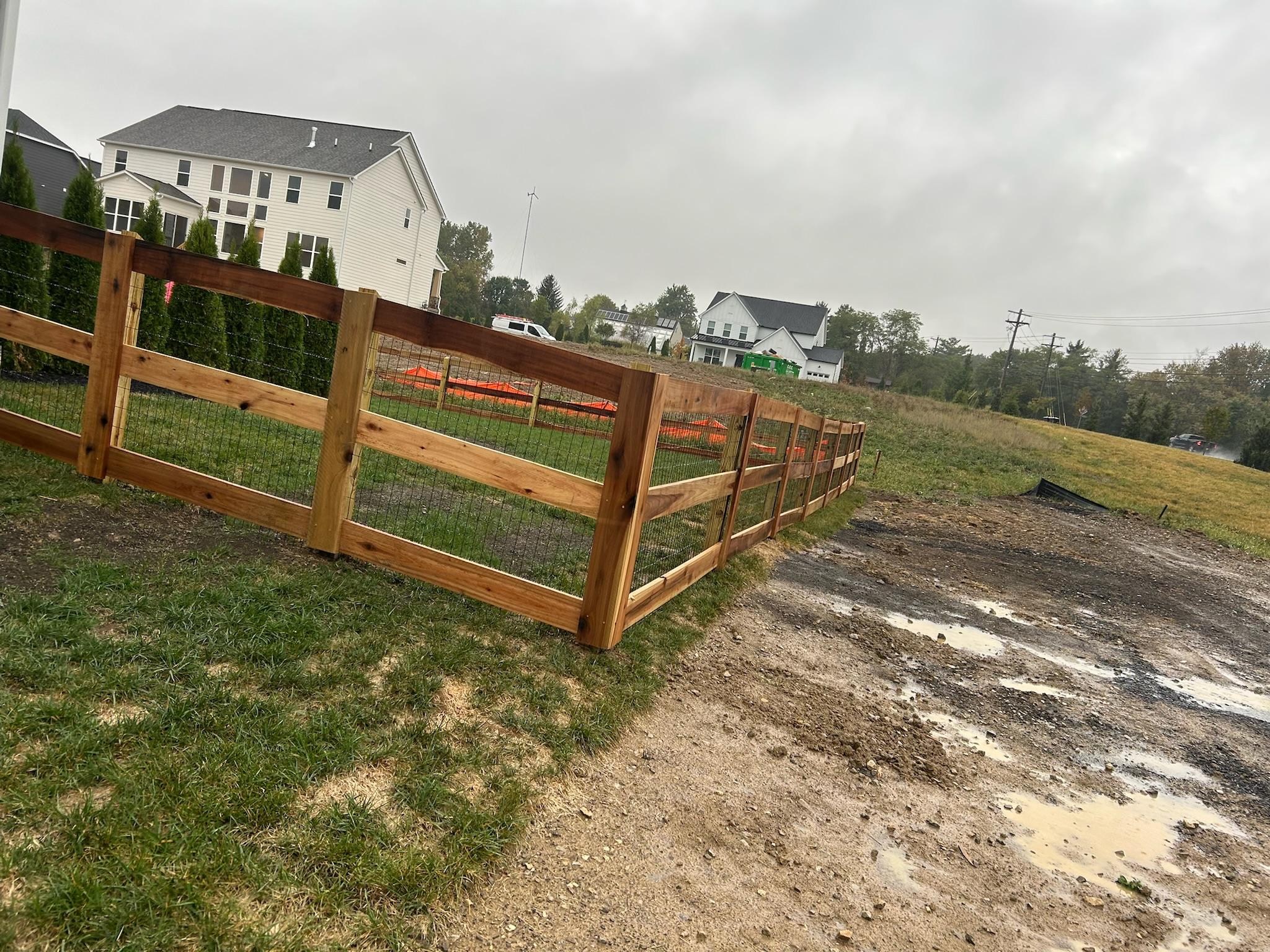
Custom fencing solutions cater to specific property requirements, blending functionality with personal style. Whether you need a privacy fence or a decorative one, custom designs ensure your fence aligns with your property’s layout and aesthetic. This approach not only enhances curb appeal but also addresses unique challenges like uneven terrain or specific privacy needs.
Professional Installation and Maintenance
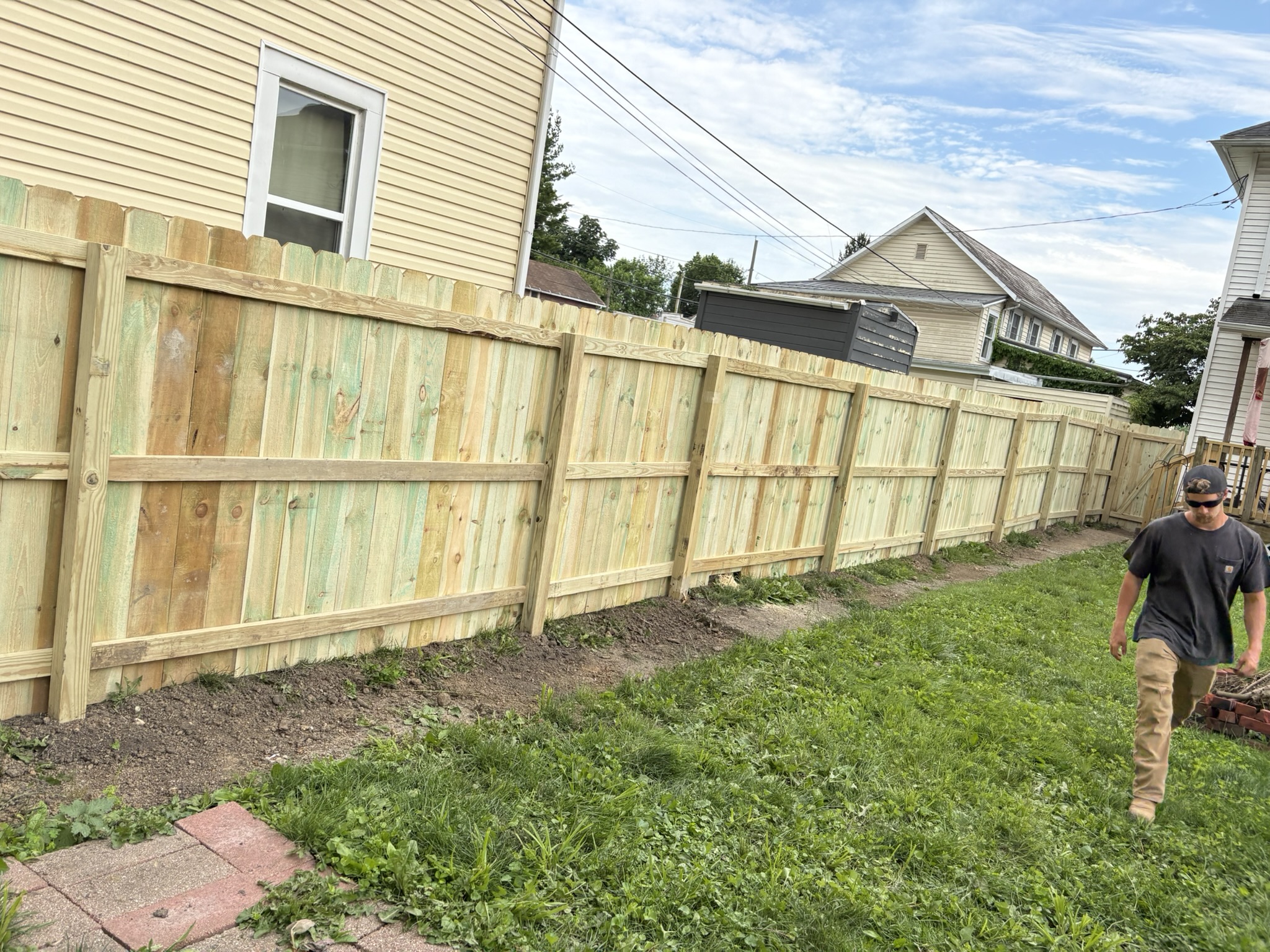
Proper installation and maintenance are crucial for a long-lasting fence. Expert installation ensures your fence is built to withstand the elements and daily wear.
Importance of Proper Post Depth
The depth of your fence posts is a critical factor in its stability. Posts that are too shallow can lead to a wobbly fence, especially in areas with freeze-thaw cycles. Ensuring posts are set deep enough to avoid frost heave is essential. Professional installers have the expertise to determine the right depth based on soil conditions and climate, ensuring your fence remains upright and sturdy.
Ensuring Strong Gate Hardware
Gates are often the most used part of a fence, so it’s important they are installed with strong, reliable hardware. Quality hinges and latches prevent sagging and misalignment, ensuring smooth operation. Regularly check and tighten hardware to keep your gate functioning properly. Strong hardware is a small investment that can save you from bigger issues down the line.
Regular Maintenance Tips for Longevity
Consistent maintenance is key to extending your fence’s lifespan. Simple practices like cleaning, sealing, and inspecting for damage can make a big difference. For wood fences, apply a protective sealant every few years to prevent moisture damage. Check for and repair any loose panels or posts promptly. These small steps maintain your fence’s strength and appearance, ensuring it serves you well for years.
Frequently Asked Questions
How deep should fence posts be in Ohio?
Fence posts should be set at least 32 to 42 inches deep to reach below the frost line in Ohio, which helps prevent movement due to freeze-thaw cycles.
What materials are best for Ohio’s climate?
Materials like vinyl, aluminum, and treated wood are well-suited for Ohio’s climate, offering resistance to moisture and temperature fluctuations.
How can I maintain my fence effectively?
Regularly inspect for damage, apply sealants to wood fences, and ensure that hardware is tight. These steps help prolong your fence’s life and appearance.
Why choose Murphy Fence LLC for my project?
With over 20 years of experience, Murphy Fence LLC combines expertise with quality craftsmanship, ensuring durable and aesthetically pleasing fencing solutions tailored to your needs.