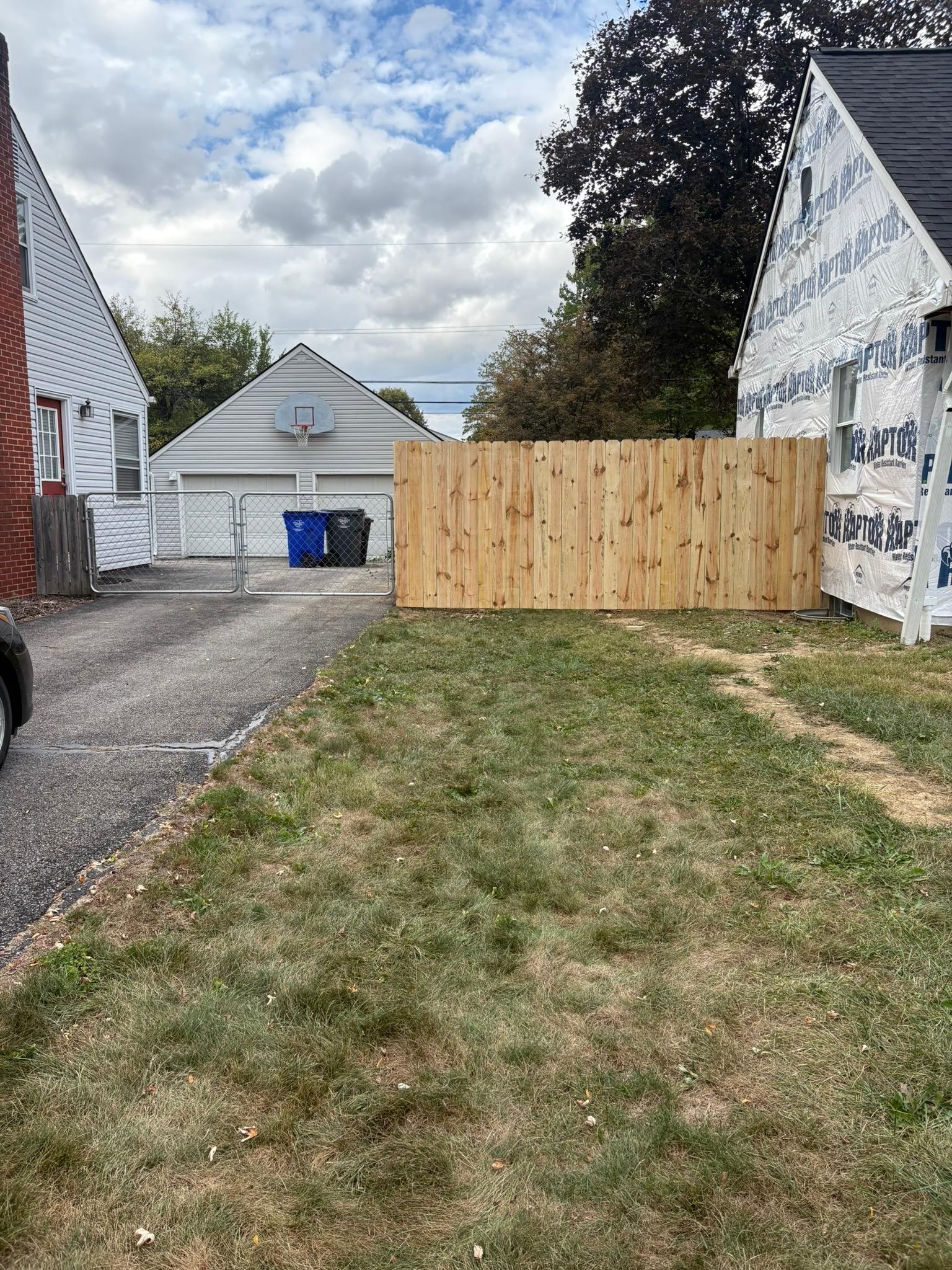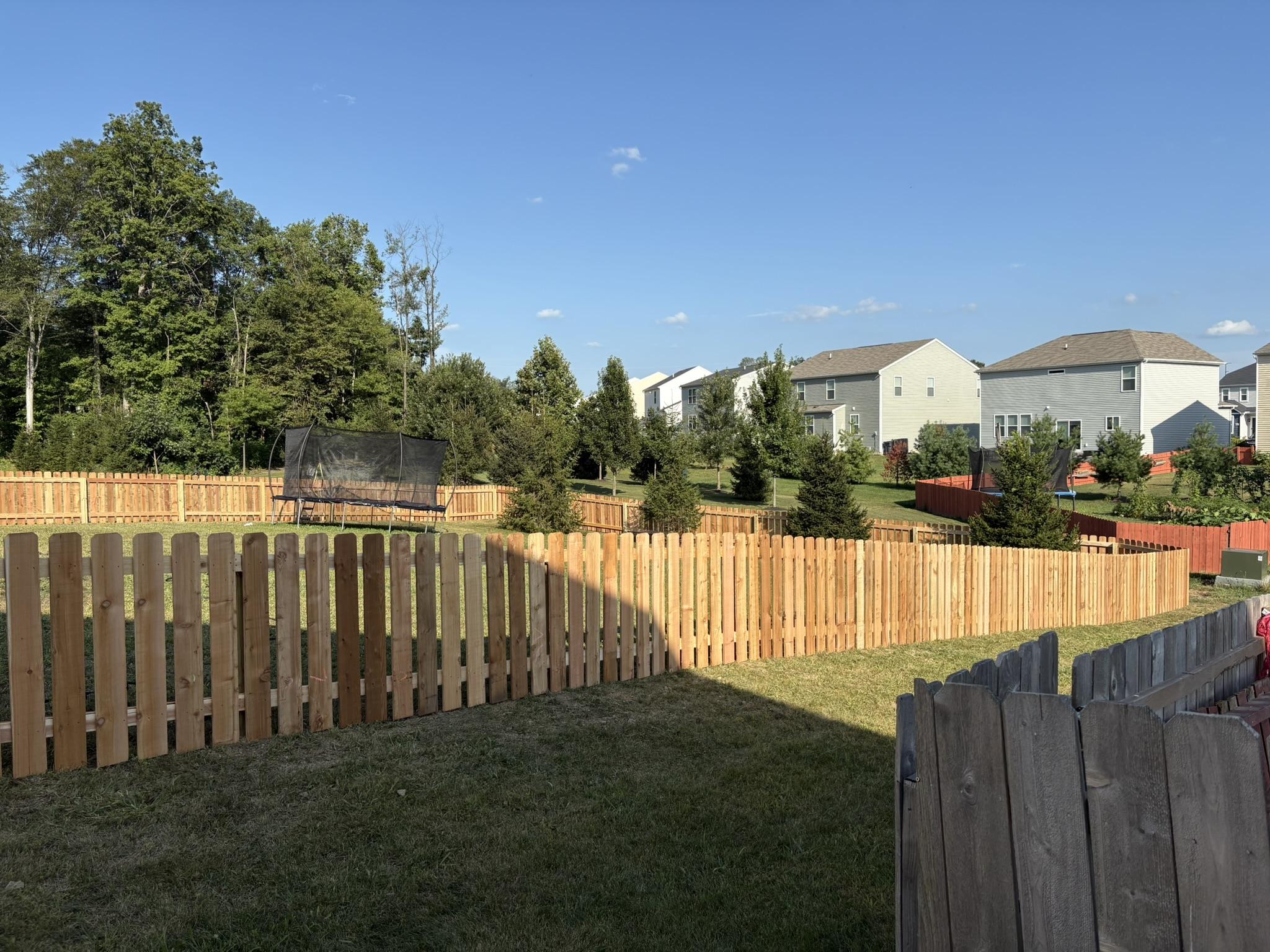
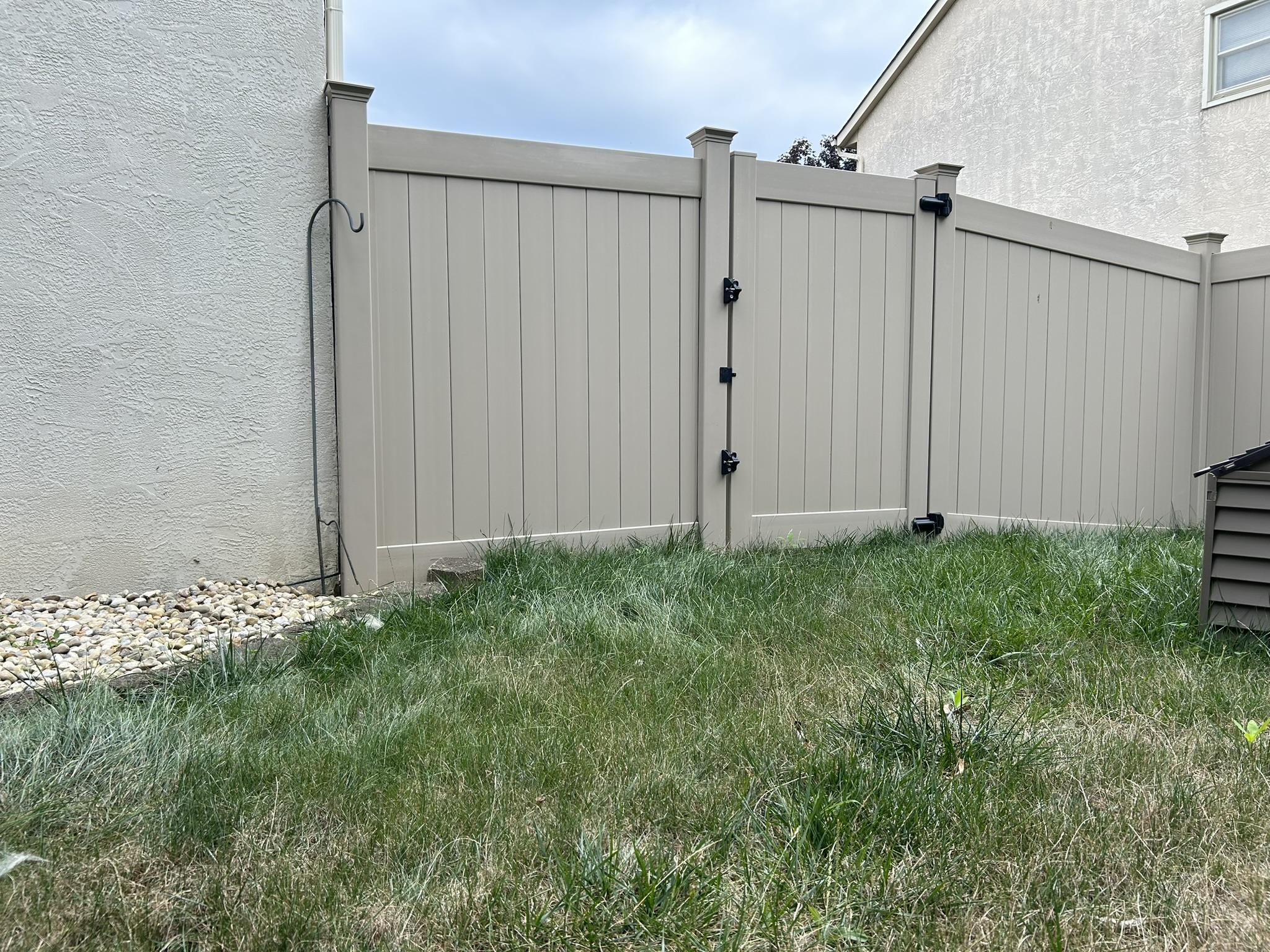
Uneven lots in Columbus, Ohio don’t have to mean a complicated fence installation. When your property has slopes, curves, or irregular boundaries, the right planning makes all the difference. From choosing between a racked fence or stepped fence to integrating retaining walls, Murphy Fence LLC guides you through every detail to create a fence that fits your land and style perfectly. For more information on planning, you can explore this resource.
Understanding Your Lot’s Challenges
When planning a fence on uneven terrain, the first step is understanding the unique challenges of your lot. Each property’s landscape can affect the way a fence should be designed and installed.
Assessing Uneven and Sloped Areas
Sloped areas can complicate fence installation, but you can handle them with the right approach. First, examine the slope’s angle. If it’s gradual, a racked fence might be suitable; this type of fence follows the contour of the ground, providing a smooth top line. For steeper inclines, a stepped fence works best, creating a series of level sections that step down the slope. Knowing the difference helps you choose the right design for stability and aesthetics.
Once you’ve assessed the slope, consider how the fence will be used. If it’s for security or privacy, ensure the height remains consistent across the property. This consistency offers both visual appeal and functionality.
Identifying Irregular Boundaries
Properties with irregular boundaries, such as curves or non-standard shapes, need special attention. Start by mapping out these boundaries clearly. Use string lines or stakes to visualize where the fence will go. This helps in adjusting the design to fit the space seamlessly. The right design can turn these quirks into unique features, adding character to your property.
You should also consider how these boundaries affect neighboring properties. Communication with neighbors about shared boundaries can prevent future disputes and ensure a smooth installation process.
Planning for Grade Changes
Grade changes require careful planning to maintain a level fence line. Identify areas where the ground rises or falls sharply. Creating a plan for these spots ensures the fence remains stable and looks uniform. A stepped design is often best for significant grade changes, while slight changes can be handled with racking.
Taking time to plan for these challenges ensures the fence not only fits the land but also enhances the property’s appearance. For more tips on managing property challenges, this guide offers useful insights.
Custom Fence Design Solutions
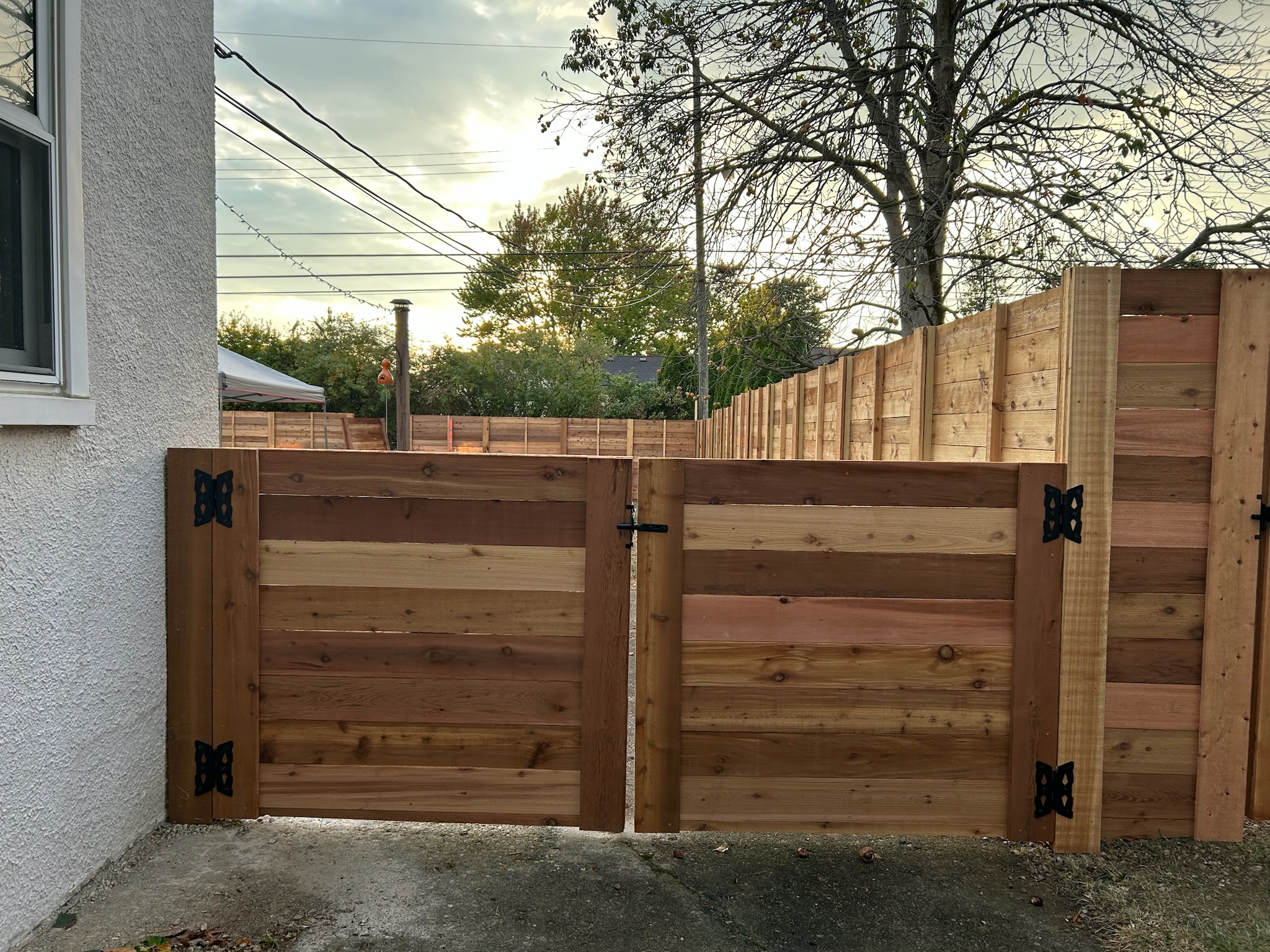
Once you understand your lot’s challenges, you can explore custom design solutions tailored to your property’s needs. This section highlights various options to consider.
Racked vs Stepped Fences
Choosing between racked and stepped fences is crucial for handling slopes. Racked fences angle the pickets to maintain contact with the ground, perfect for gradual slopes. They offer a sleek look and can easily adapt to the land’s natural flow.
Stepped fences, on the other hand, consist of panels set at different heights, ideal for steeper inclines. This method creates a stair-step effect that remains level at the top. The choice between these two depends on your specific landscape and aesthetic preferences.
Integrating Retaining Walls
Retaining walls can be an excellent addition for properties with significant slope challenges. They provide support to the soil, preventing erosion and adding stability to the fence line. When combined with a fence, they create a cohesive look and additional security.
Installing a retaining wall requires careful planning. Consider the wall’s height and material to ensure it complements the fence design. Proper integration of these elements enhances both functionality and visual appeal.
Material Choices for Unique Lots
Selecting the right material is key to ensuring your fence withstands the elements and complements your home. Wood offers a classic look, while vinyl provides durability with low maintenance. Aluminum is great for a modern appeal and is easy to adjust for slopes and curves.
Consider the demands of your lot when choosing materials. Factors like weather exposure, maintenance preferences, and budget will influence your decision. Each material has its advantages, so weigh these carefully to find the best fit for your needs.
Navigating Local Regulations
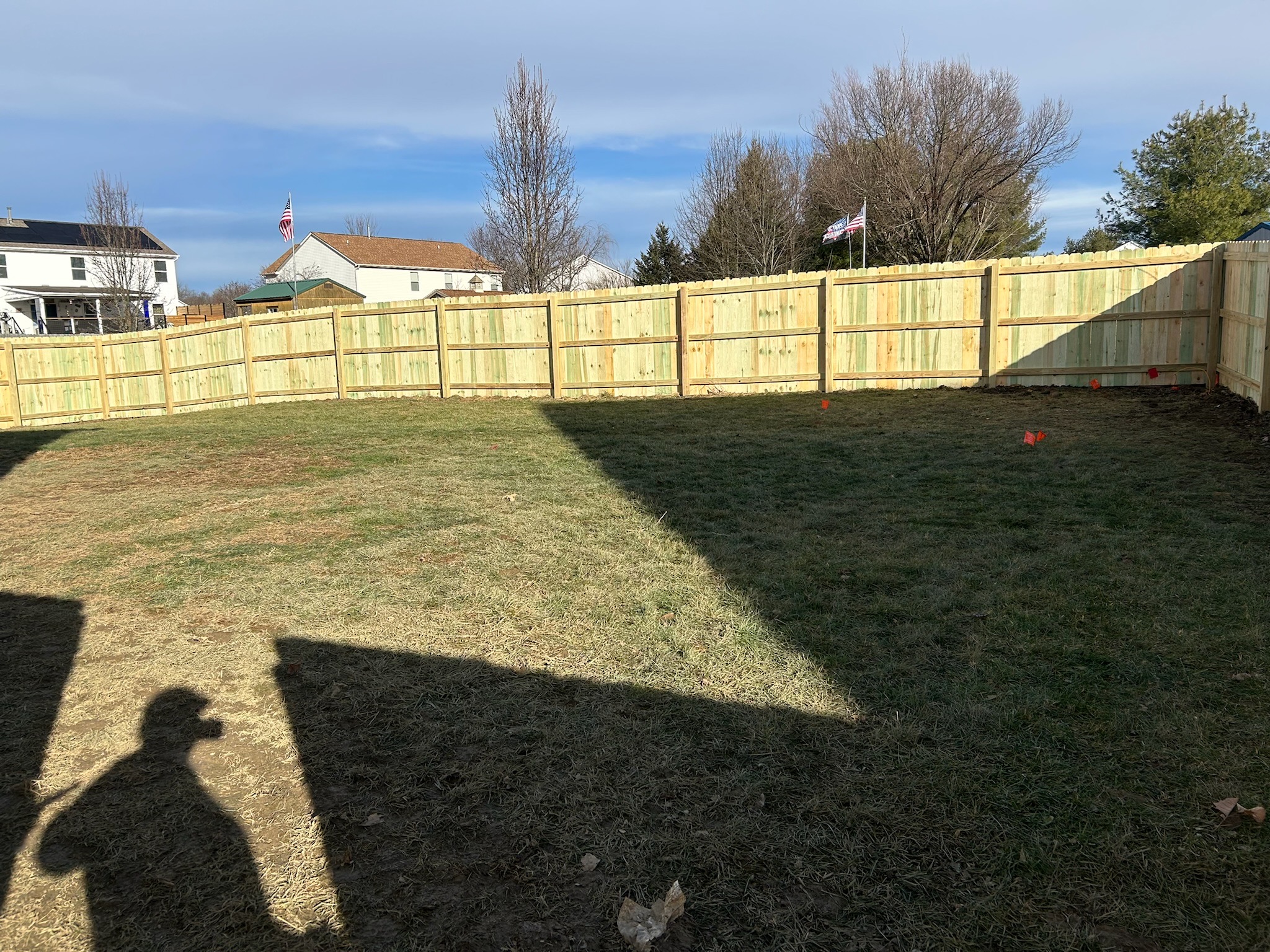
Understanding and adhering to local regulations ensures a smooth and compliant fence installation process.
Property Survey for Fence Installation
Before installation, conducting a property survey is essential. This survey confirms boundary lines, preventing disputes and ensuring proper placement. It also helps identify any existing underground utilities that may affect installation. A thorough survey sets a clear foundation for the project, avoiding costly mistakes and legal issues.
HOA Fence Approval in Columbus
In Columbus, homeowners may need approval from a Homeowners Association (HOA) before installing a fence. HOAs often have specific guidelines regarding fence height, material, and style. Checking these requirements early can prevent delays and ensure your fence meets community standards.
Choosing a Trusted Fence Contractor
Selecting the right contractor is vital for a successful fence installation. Look for professionals with experience and positive reviews. A trusted contractor will guide you through each step, from design to completion, ensuring quality craftsmanship and compliance with local regulations.
Murphy Fence LLC stands out with over 20 years of experience providing reliable service in the Columbus area. Their commitment to quality and customer satisfaction makes them an ideal choice for your fencing needs.
Frequently Asked Questions
What is the best fence design for a sloped yard?
For sloped yards, both racked and stepped fence designs are effective. Racked fences adjust to the slope, providing a seamless look. Stepped fences work on steeper inclines, maintaining level tops.
Do I need a property survey before installing a fence?
Yes, a property survey is crucial. It confirms boundary lines, preventing disputes and ensuring proper placement. It also identifies underground utilities that might affect installation.
How can I ensure my fence complies with local regulations?
It’s important to research and adhere to local regulations and HOA guidelines. Consulting a trusted fence contractor like Murphy Fence LLC can ensure compliance and a smooth installation process.