Choosing between wood fencing Columbus and vinyl fencing Columbus can feel overwhelming when you want the perfect mix of style, privacy, and upkeep for your property. You want a fence that looks great and fits your maintenance plan without surprises down the road. This guide breaks down wood vs vinyl fence options so you can pick with confidence and get the best fit for your home or business in Central Ohio.
Exploring Wood Fencing for Columbus Homes
Wood fencing offers a timeless appeal for Columbus properties, providing natural warmth and charm. Let’s look at the financial aspects, style choices, and durability that wood fencing brings to the table.
Cost Considerations and Budgeting
When it comes to budgeting, wood fencing can be more affordable initially than other materials. You can choose from different types of wood, each with its own price point. Pine is often cheaper, while cedar and redwood come at a higher cost. Keep in mind, though, that while installation might be budget-friendly, maintenance costs can add up over time. Staining, sealing, and occasional repairs are necessary to keep your wood fence in top condition.
Style Options and Aesthetic Appeal
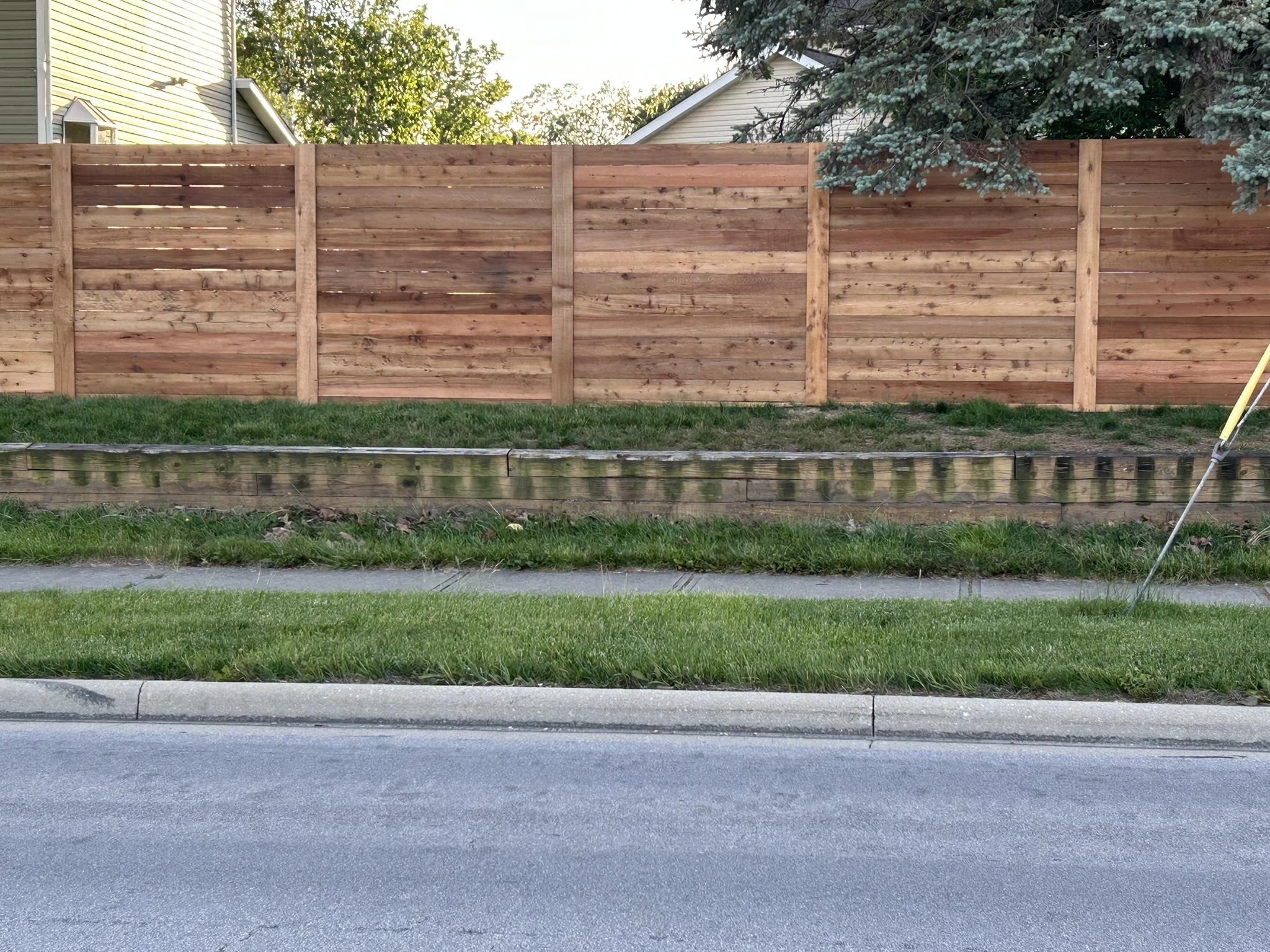
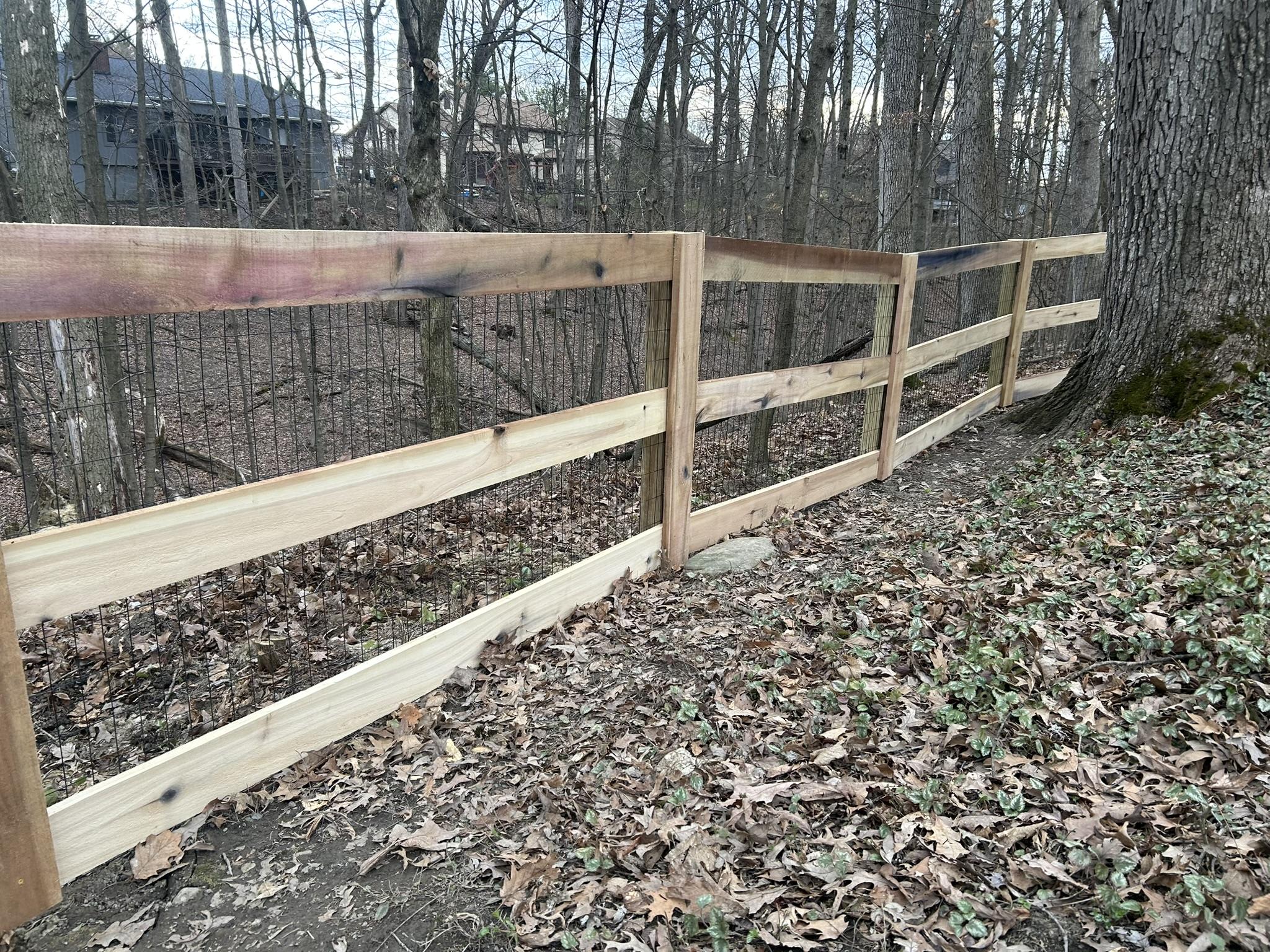
Wood fences offer a variety of styles to match your home’s aesthetic. From classic picket fences to tall privacy fences, the options are nearly endless. You can paint or stain your wood fence to any color, allowing for personalization. A well-maintained wood fence can enhance your home’s curb appeal and create a welcoming atmosphere.
Durability and Expected Lifespan
The lifespan of a wood fence largely depends on the type of wood and how well it is maintained. Cedar and redwood are naturally resistant to rot and insects, making them good options for longevity. With proper care, a wood fence can last anywhere from 10 to 15 years. However, exposure to weather can lead to wear over time, requiring regular upkeep to prevent damage.
Understanding Vinyl Fencing in Columbus
Vinyl fencing is a popular choice for those seeking durability and low maintenance. Let’s explore the costs, design flexibility, and upkeep involved with vinyl fencing.
Initial Investment and Long-term Costs
Vinyl fencing usually requires a larger initial investment compared to wood. However, it offers cost savings in the long run due to its low maintenance needs. Once installed, vinyl fences require minimal upkeep, which can save you money on repairs and treatments over time.
Design Flexibility and Customization
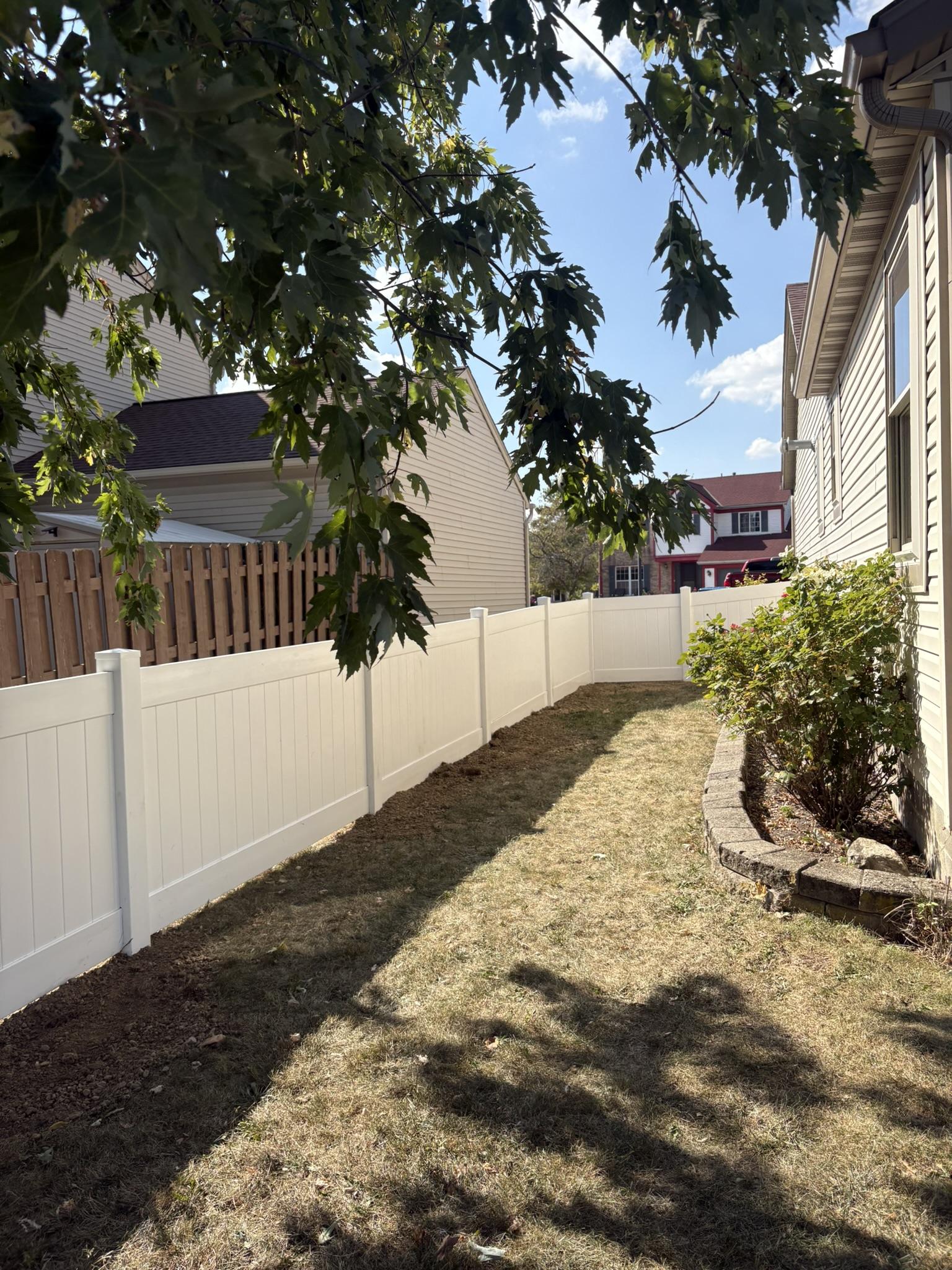
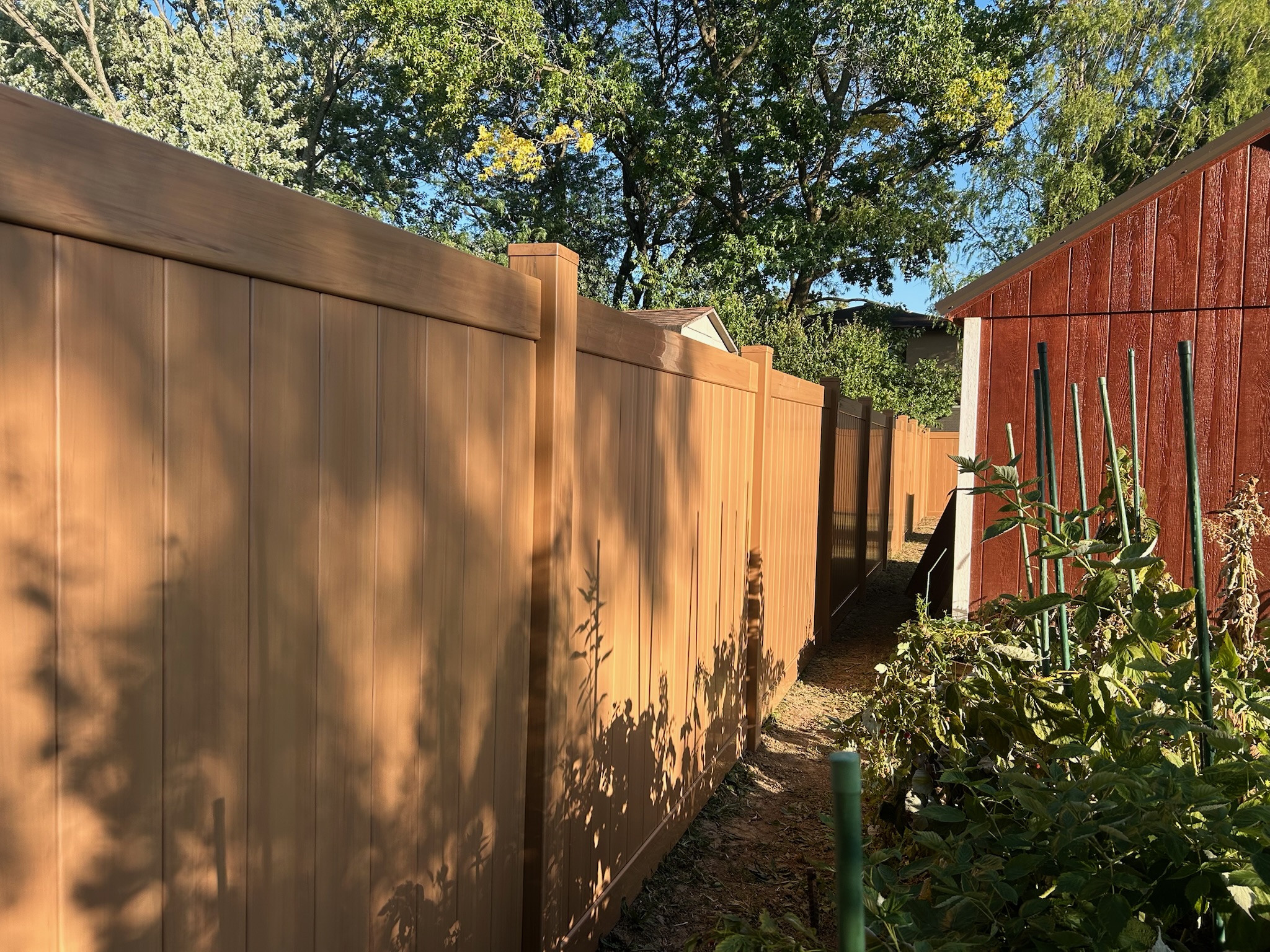
Vinyl offers a range of design options, from privacy fences to picket styles. Colors are consistent throughout the material, and you won’t need to repaint or stain like you would with wood. While vinyl lacks the natural look of wood, it compensates with a clean, polished appearance that stays consistent for years.
Maintenance Requirements and Longevity
One of the key benefits of vinyl fencing is its minimal maintenance requirements. It doesn’t warp, rot, or attract pests, and cleaning is as simple as a quick wash with soap and water. Vinyl fences can last 20 years or more, making them a durable option for homeowners focused on longevity.
Deciding Between Wood and Vinyl
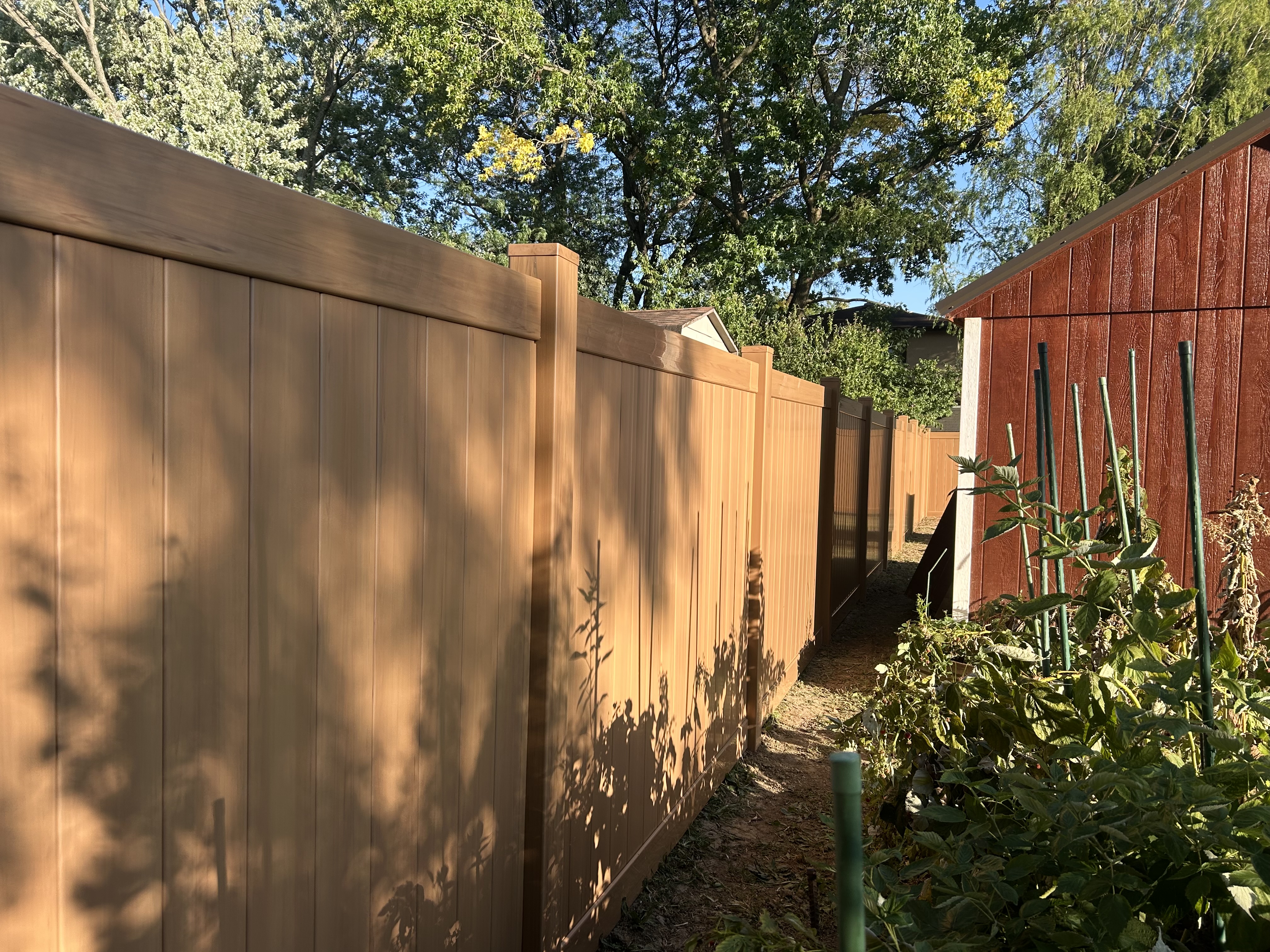
When choosing between wood and vinyl, consider privacy and security, environmental factors, and finding the right contractor in Columbus.
Privacy and Security Factors
Both wood and vinyl fences can provide privacy, though vinyl is more effective at blocking sound and sight due to its solid construction. If privacy is a top concern, vinyl might be the better option. However, a well-built wood fence can also offer a high level of privacy.
Environmental Impact and Sustainability
Wood is a natural, renewable resource, which can be more environmentally friendly if sourced sustainably. Vinyl is less eco-friendly in terms of production, but its durability means it won’t need replacing as often. Evaluate your environmental priorities when deciding which material aligns with your values.
Choosing the Right Contractor in Columbus
Selecting the right contractor is crucial to ensuring a successful fence installation. Look for a trusted fence contractor in Columbus, Ohio with experience in both wood and vinyl options. A reliable contractor will guide you through the decision-making process and ensure quality installation.
Frequently Asked Questions
What is the average cost difference between wood and vinyl fencing?
Wood fencing typically has a lower upfront cost compared to vinyl. However, when factoring in maintenance and longevity, vinyl may offer more cost savings over time.
How long does a vinyl fence last compared to a wood fence?
Vinyl fences can last over 20 years with minimal maintenance, while wood fences generally last between 10 to 15 years, depending on the type of wood and upkeep.
Which fence type offers better privacy?
Vinyl fences usually provide better privacy due to their solid panels, whereas wood fences can be designed for privacy but might have gaps over time.
What maintenance is required for wood fencing?
Wood fencing requires regular staining or sealing to protect against weather damage and pests. Inspections for repairs are also recommended to extend its lifespan.
Is vinyl fencing environmentally friendly?
Vinyl is less environmentally friendly in production, but its long lifespan and low maintenance need can offset some concerns compared to regularly replacing wood fencing.