
Quick Summary
Modern farm fencing should do more than mark a boundary. The right system can help contain livestock, protect crops, organize access and reduce day-to-day maintenance across an agricultural property. For Central Ohio farms, practical options may include high-tensile wire, electric fencing, wood or wire-based systems and custom gates selected for the animals, terrain and operating needs of the property. Murphy Fence LLC provides farm fencing and custom fence installation designed around the layout, security goals and long-term use of each site.
What Modern Farm Fencing Needs to Accomplish
A farm fence is part of the property’s working infrastructure. It may need to contain livestock, protect crops, separate pastures, define boundaries or control how people and equipment move through the site. Because these jobs are different, the most effective farm fencing solution starts with a clear understanding of how the land is used.
Murphy Fence LLC’s farm fencing service is built around that property-specific approach. Whether the site is a larger agricultural operation or a smaller homestead, the fence should be planned around the animals, terrain, gate locations and expected wear rather than treated as a one-size-fits-all perimeter.
High-Tensile Wire and Electric Fencing for Working Farms
Modern agricultural fencing gives farm owners more options than traditional post-and-rail or basic wire systems. High-tensile wire and electric fencing can be useful where long runs, livestock control and efficient use of materials are priorities.
High-Tensile Wire Fencing
High-tensile wire is designed to maintain tension across longer distances while using fewer posts than many conventional wire layouts. That can make it practical for pastures and large agricultural boundaries where strength, flexibility and straightforward maintenance matter.
Correct tension, bracing and post placement are essential. A high-tensile system that is poorly laid out can sag or place unnecessary stress on corners and gates. Professional planning helps match the wire, posts and bracing to the terrain and the type of livestock being contained.
Electric Farm Fencing
Electric fencing can provide a flexible way to manage livestock movement and reinforce boundaries. Animals learn to respect the energized line, which can make the system useful for rotational grazing, temporary divisions or areas where a lighter physical barrier is appropriate.
The effectiveness of an electric system depends on proper layout, grounding, vegetation control and ongoing inspection. It should be selected according to the animals being managed and the property conditions rather than assumed to work the same way on every farm.
Custom Gates and Layout Planning Improve Farm Efficiency
A fence is only as practical as its access points. Gates must accommodate the people, livestock, vehicles and equipment that use the property every day. A narrow or poorly placed gate can create bottlenecks while an oversized opening may add unnecessary cost or weaken traffic control.
Plan Gates Around Daily Farm Traffic
Before installation, identify where tractors, trailers, feed deliveries, livestock and maintenance crews need to move. Gate width, swing direction and placement should support those routines without creating awkward turns or unsafe crossings.
For properties with irregular boundaries, slopes or multiple use areas, a tailored layout can be especially valuable. Murphy Fence LLC offers custom fencing solutions that can be adapted to unusual terrain, property-specific access needs and combinations of functional and visual goals.
Use the Fence to Organize the Property
Well-planned fencing can separate grazing areas, protect gardens or crops, create animal pens and establish clear routes between barns, pastures and service areas. Thinking in zones can make the property easier to manage and reduce unnecessary movement through sensitive areas.
Choosing Materials for Central Ohio Farm Conditions
Central Ohio farms experience rain, snow, freeze-thaw cycles, summer heat and occasional high winds. Material selection should account for those conditions as well as maintenance expectations, livestock pressure and the visual character of the property.
Wood for Traditional Farm Character
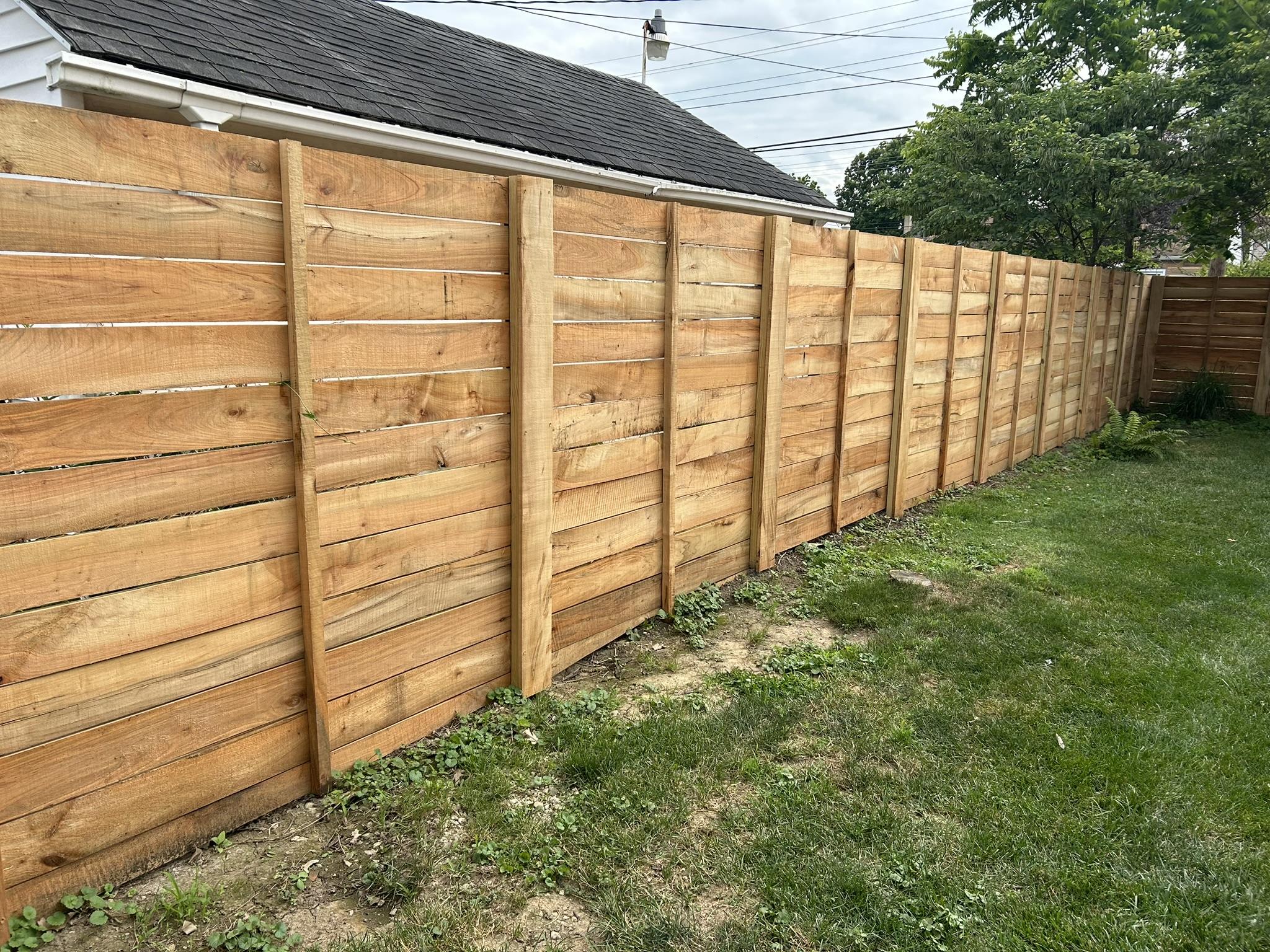
Wood fencing offers a familiar agricultural appearance and can work well for visible areas, paddocks and properties where aesthetics matter. Murphy Fence LLC installs wood fencing that can be customized to the site. Like any exterior wood product, it performs best when owners plan for periodic inspection and maintenance.
Wire and Chain Link for Practical Containment
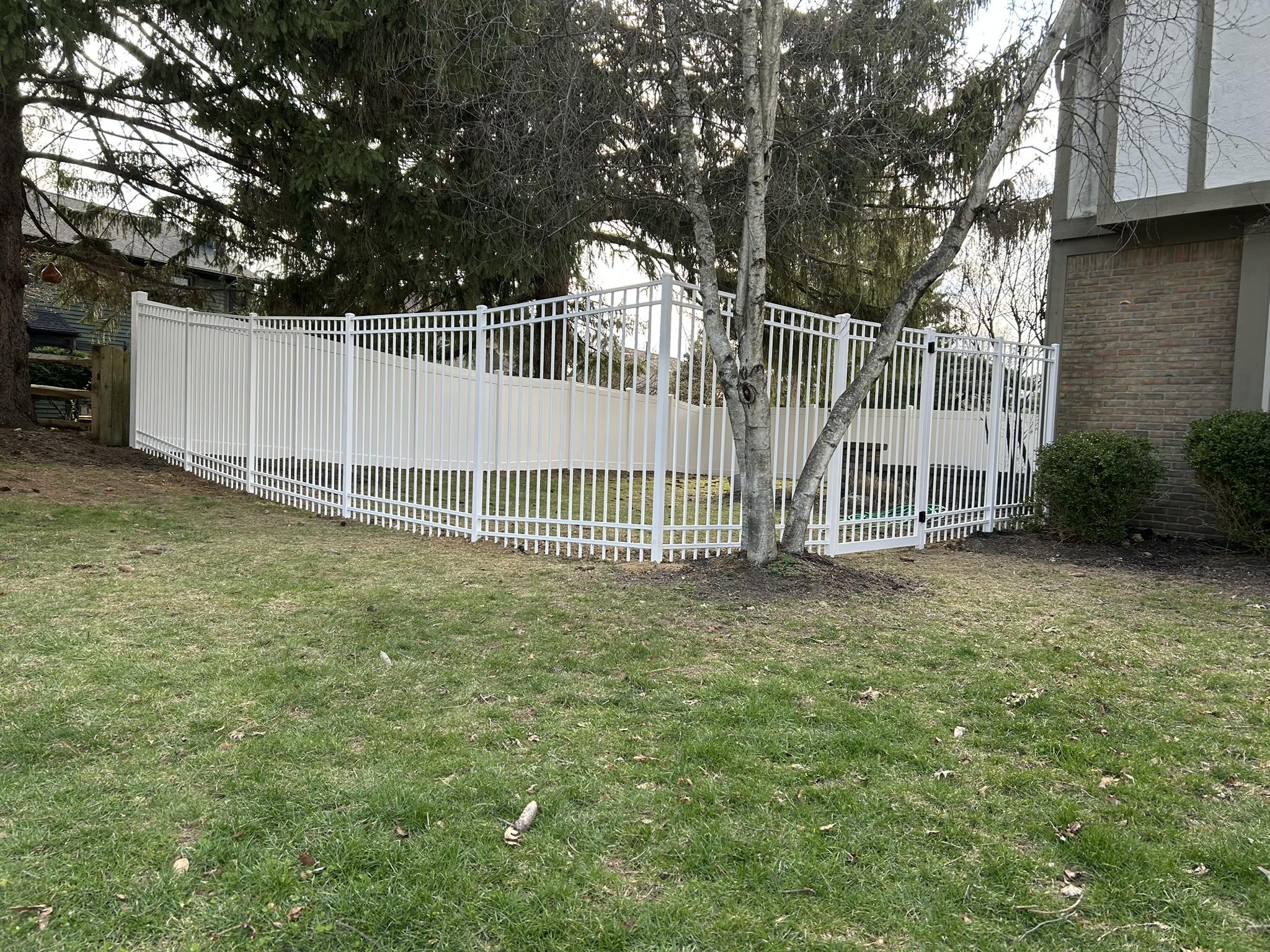
Wire-based agricultural fencing can be efficient for larger runs while chain link fencing can be useful for smaller enclosures, utility areas or locations where visibility and durable containment are priorities. The best choice depends on the animals, the required height, desired visibility and how the space is used.
Some farms benefit from using more than one fence type. A decorative or wood fence may suit the approach to a residence or public-facing area while a more utilitarian wire system handles pasture boundaries. Combining materials allows function and appearance to be matched to different parts of the property.
Match the Fence to Livestock, Crops and Property Use
The right farm fence depends heavily on what it is expected to contain or protect. Cattle, horses, goats and poultry create different pressure points, spacing concerns and visibility needs. Crop protection can require a different strategy from livestock containment, particularly where wildlife or equipment access is a concern.
Farm owners should also consider whether a fence needs to support future changes. A property that may add paddocks, change grazing patterns or introduce new equipment routes can benefit from a layout that allows gates, cross-fencing or extensions to be added without redesigning the entire perimeter.
Security and Boundary Control
Agricultural fencing also contributes to property security by making boundaries clear and directing authorized access through planned gates. Where a farm includes workshops, storage yards or other business-use areas, commercial fencing may be appropriate for selected zones that need stronger perimeter control.
Professional Installation Supports Long-Term Performance
Even a strong material can underperform if posts, braces, corners and gates are not installed correctly. Farm fences often cover long distances and may cross uneven soil, drainage areas or changing elevations, so installation details have a direct effect on alignment, tension and durability.
Professional installation also helps identify practical issues before construction begins, including access restrictions, slopes, soil conditions and potential conflicts with existing structures. That planning can reduce avoidable rework and help the finished system function as intended from the start.
Build Maintenance Into the Plan
Farm fencing should be inspected regularly, especially after storms, heavy use or seasonal ground movement. Watch for loose wire, damaged posts, leaning sections, vegetation interference and gates that no longer close or latch smoothly.
High-tensile systems may need tension checks while electric fencing requires attention to the energizer, grounding and vegetation around the line. Wood components should be monitored for weathering or damage. Addressing small issues early is generally easier than waiting for a larger section to fail.
Why Choose Murphy Fence LLC for Farm Fencing in Central Ohio?
Murphy Fence LLC brings more than 20 years of fencing experience to residential, commercial and agricultural properties in Central Ohio. The company’s farm fencing service emphasizes durable materials, site-specific installation and customizable solutions for livestock and property needs.
Farm owners can also draw on Murphy Fence LLC’s experience with wood, chain link, custom and commercial fencing when different areas of the same property require different solutions. That broader material knowledge can be useful on farms that combine residential spaces, livestock areas, equipment storage and business operations.
Plan a Farm Fence Around the Way Your Property Works
Modern farm fencing is most effective when it supports the daily realities of the property. Start with the animals or assets that need protection, map the access points and terrain, then choose materials and gate locations that make routine work easier.
Murphy Fence LLC can help Central Ohio property owners evaluate farm fencing options and develop a solution that fits the land, the intended use and long-term maintenance expectations. A well-planned fence should protect the property without becoming another operational problem to manage.
Frequently Asked Questions
What type of fencing is best for a farm in Central Ohio?
There is no single best option for every farm. The right system depends on the livestock, terrain, boundary length, security needs, maintenance preferences and budget. High-tensile wire, electric fencing, wood and other wire-based systems can each serve different agricultural uses.
Is high-tensile wire a good option for livestock fencing?
High-tensile wire can be a strong option for long pasture runs because it is designed to maintain tension and can use fewer posts than some conventional systems. Proper bracing, tension and layout are important for reliable performance.
Can electric fencing be used for different types of livestock?
Electric fencing can be adapted for different livestock applications, but the layout and operating setup should match the animals being managed. Grounding, vegetation control and routine system checks are also important.
Why are custom farm gates important?
Custom gates can be sized and positioned around tractors, trailers, livestock movement and everyday farm traffic. Good gate planning improves access while helping the fence maintain secure, practical boundaries.
Does Murphy Fence LLC install farm fencing in Central Ohio?
Yes. Murphy Fence LLC offers farm fence installation tailored to agricultural properties and homesteads, with service coverage that includes Licking, Franklin and Delaware counties.
Checklist for internal use: do not publish
SEO Writing Best Practices Checklist:
Yes/No Target keyword (or close semantic variation) appears in title, H1 & meta description (Please use the H1 from the Website plan when available) Yes Target keyword appears in first paragraph, but not more than 1x every 100 words afterward (no KW stuffing) Yes Detailed subheadings (h2s, H3s, etc) used including keywords. Summarize content when possible Yes Skimmable content. Uses SHORT (1-3 sentence) paragraphs and/or bullets, lists, etc. to break it up Yes Links to important internal pages are included (for instance, your top service or product pages) Yes Links to other relevant topics & blogs (Browse your sitemap for inspiration) No Outbound links included for references or claims if necessary to build credibility No Content is free of spelling & grammar mistakes Yes Content aligns with content style guide/brand guidelines. Yes Content is unique, not copied directly from any source, (including AI) Yes AI screenshot link attached at the top No
Implementation Best Practices:
Yes/No Ensure “blog/article” schema is implemented Ensure FAQ schema is implemented (if provided) Ensure any additional schema mentioned by PM in the task is implemented.