
Quick Summary
Choosing a fence contractor should involve more than comparing the lowest price. Homeowners should review local experience, project scope, material knowledge, references, communication practices, estimates and expectations for installation. Clear documentation and regular updates can reduce misunderstandings while property-specific planning helps the finished fence suit the site, budget and purpose. Murphy Fence LLC brings more than 20 years of fencing experience to residential, commercial and custom projects across Central Ohio.
Hiring a fence contractor is a decision that affects more than the appearance of your yard. The contractor you choose influences material selection, layout, scheduling, communication and the quality of the finished installation. A weak decision at the start can lead to unclear costs, delays or a fence that does not match the property’s needs.
For Central Ohio homeowners, selecting a fence contractor with a clear process and relevant local experience can make the project easier to manage. The goal is not simply to find someone who can install posts and panels. It is to choose a company that can help define the scope, explain options and keep expectations aligned from consultation through completion.
Common Mistakes to Avoid When Choosing a Fence Contractor
A fence project can look straightforward on paper, but small gaps in planning often become expensive once work begins. Comparing contractors carefully helps you identify differences in communication, material knowledge, project scope and service before signing an agreement.
Choosing the Lowest Quote Without Comparing the Scope
A low estimate can be attractive, but the number alone does not show what is included. Compare the proposed material, fence height, gate count, removal of an existing fence, site preparation and any custom work. Two quotes that look similar at first may describe very different projects.
Ask for enough detail to understand what you are paying for and what could change the final cost. A clear proposal makes it easier to compare contractors on value rather than simply choosing the lowest initial figure.
Skipping Reviews, References and Examples of Past Work
Reviews and references can reveal patterns that are difficult to see during a sales conversation. Look for comments about communication, workmanship, punctuality and how the contractor handled questions or unexpected conditions. A portfolio can also help you judge whether the company has experience with the type of fence you want.
When possible, compare feedback across several sources instead of relying on one unusually positive or negative review. Consistent themes are more useful than a single opinion.
Accepting a Vague Estimate or Unclear Contract
A homeowner should understand the project before work starts. The written scope should identify the selected material, layout, gates and other major project elements as clearly as practical. It should also explain the expected timeline, payment structure and how changes to the scope will be handled.
If something is unclear, ask before signing. Clear documentation protects both the homeowner and the contractor because it creates a shared reference for the work being performed.
Make Communication Part of the Selection Process
Communication is not separate from workmanship. It affects how accurately the project is estimated, how quickly decisions are made and how well changes are handled. A contractor who listens carefully before recommending a solution is more likely to understand what the fence actually needs to accomplish.
Explain Your Goals Before Discussing Materials
Start with function. Tell the contractor whether the fence is primarily for privacy, pet containment, security, property definition or curb appeal. Also discuss how the yard is used, where gates are needed and whether there are landscaping or access concerns.
Once the purpose is clear, you can compare the company’s broader fencing services and determine whether its capabilities match the project.
Expect Questions About the Property
A useful consultation should go beyond asking which style you like. Site conditions can influence layout, labor and material choice. Slopes, roots, existing structures, narrow access points and uncertain boundaries may all affect the plan.
The more accurately the contractor understands the property before installation, the easier it is to create a realistic scope and reduce last-minute surprises.
Ask How Updates and Changes Will Be Communicated
Weather, material availability and property conditions can affect scheduling. Ask how the contractor communicates changes and who your point of contact will be during the project. Regular updates help homeowners understand what is happening without having to chase information.
This is also the time to ask how change requests are documented. If you decide to add a gate, alter the layout or change materials after the estimate, the cost and schedule impact should be clear before the revised work proceeds.
Make Sure the Contractor Understands Fence Materials
Material knowledge matters because each fence type has different installation, maintenance and design considerations. The right contractor should be able to explain tradeoffs instead of recommending the same material for every property.
Compare Materials by Use, Maintenance and Appearance
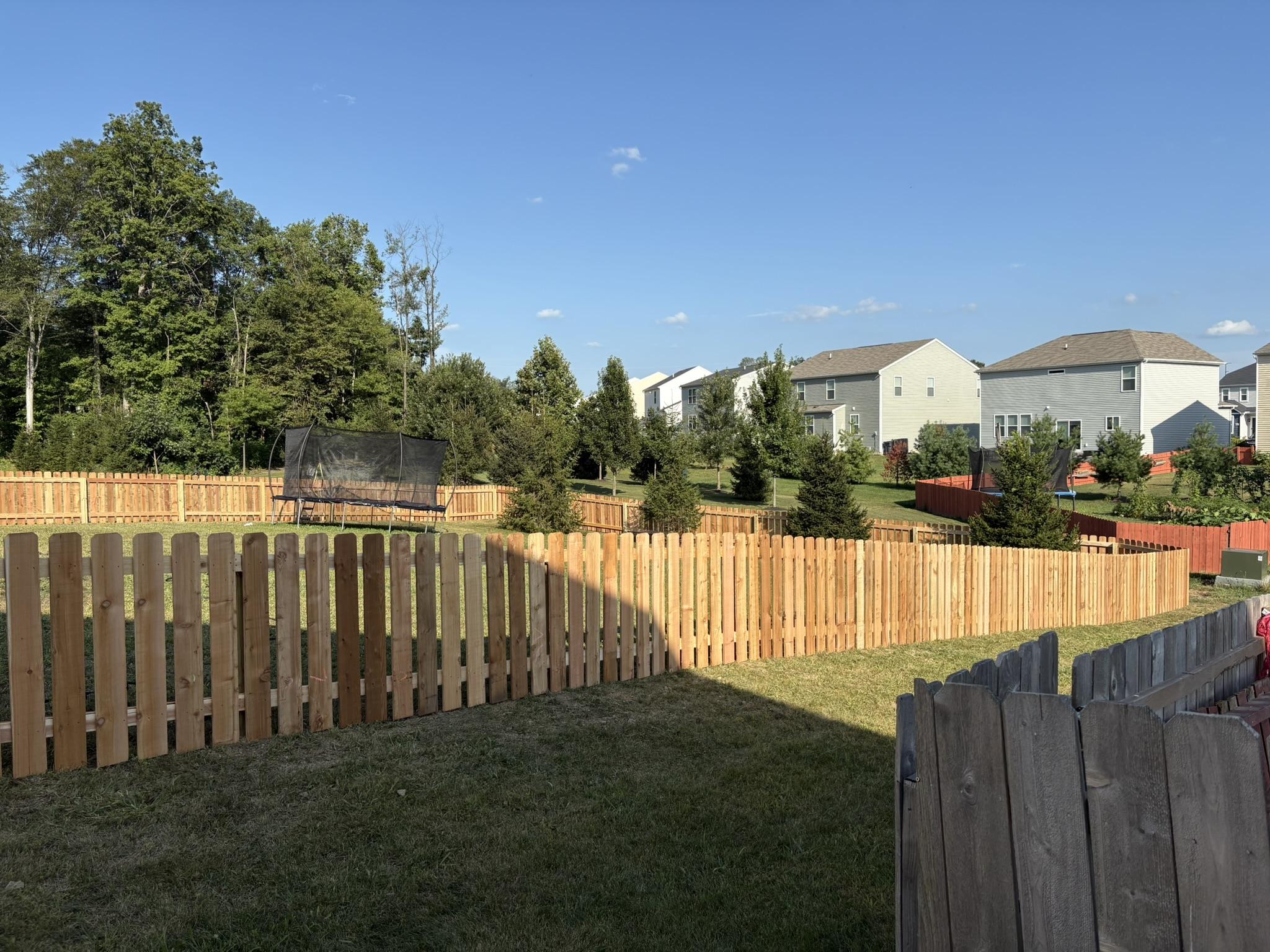
For homeowners who want a traditional look and flexible privacy designs, wood fencing may be a good fit, although it generally requires more periodic care. Vinyl fencing is often chosen for privacy with relatively low routine maintenance. Aluminum fencing offers an open, finished appearance with corrosion resistance, while chain link fencing can provide practical containment and perimeter security at a different price point.
Ask why a contractor recommends a particular material for your property. A useful recommendation should connect the material to your priorities, site conditions and expected maintenance rather than relying only on appearance.
Do Not Overlook Custom Property Conditions
Standard fence layouts do not work equally well on every site. Sloped yards, irregular property lines, unusual gate locations and landscaping constraints may require adjustments to panel transitions, post placement or overall design.
When a property has these challenges, ask whether the contractor can provide custom fencing solutions instead of forcing a standard configuration onto the site.
Know What to Expect From a Professional Fence Installation Process
A professional process should give you clear decision points before installation begins. While every project is different, homeowners should understand how the contractor moves from consultation to site evaluation, final scope, scheduling, installation and completion.
Consultation and Site Review
The initial consultation should establish the purpose of the fence, preferred materials, budget considerations and approximate layout. A site review can then identify terrain, access limitations and other conditions that may affect installation.
This is also the stage to discuss property lines, local requirements, HOA restrictions if applicable and underground utility locating. The exact responsibilities should be clear so important pre-installation steps do not fall through the cracks.
Installation and Final Review
During installation, post placement, alignment, gate function and transitions across changing grades all influence the finished result. A final walkthrough gives the homeowner an opportunity to review the completed fence, discuss basic care and raise any remaining questions.
A reliable contractor should not leave the homeowner guessing about what comes next. The process should feel organized from the first conversation through the final inspection of the work.
Why Local Experience Matters in Central Ohio
Central Ohio properties can present different combinations of soil, drainage, slopes, seasonal weather and municipal requirements. A contractor familiar with the region is better positioned to recognize common site considerations and discuss material choices that make sense for local conditions.
Local experience also helps with practical planning. A contractor who regularly works across the Columbus area is more likely to understand that requirements can vary by municipality and that property-specific questions should be resolved before installation begins.
Why Homeowners Choose Murphy Fence LLC
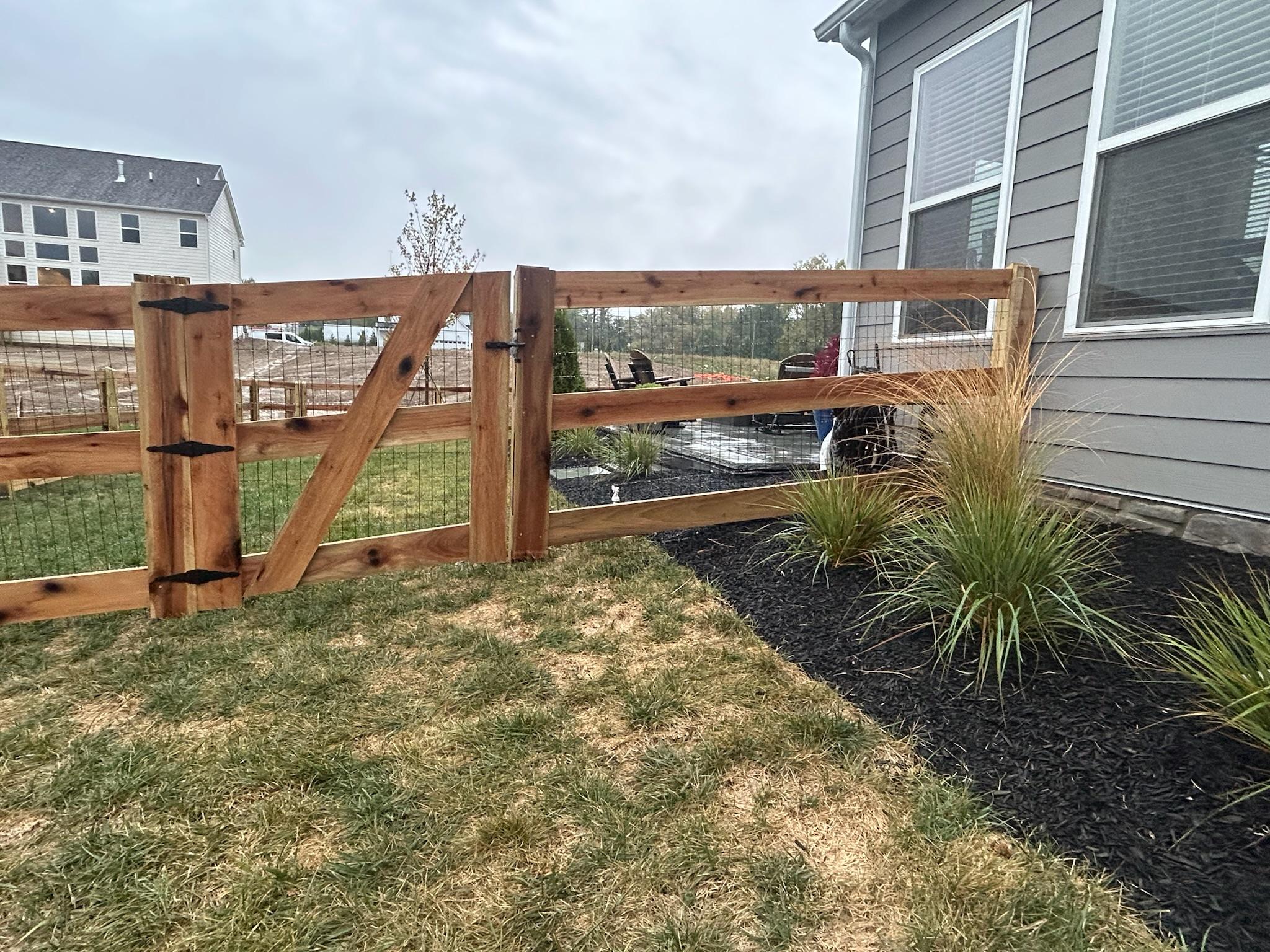
Murphy Fence LLC has more than 20 years of fencing experience and provides residential, commercial and custom fencing services across Central Ohio. The company offers wood, vinyl, aluminum, chain link, farm, custom and commercial fence options, allowing recommendations to be based on the property rather than a single material.
The company’s current messaging emphasizes craftsmanship, customer service and clear communication. For homeowners comparing contractors, those qualities matter because a successful project depends on both the physical installation and the decisions that lead up to it.
Choose a Fence Contractor With Clear Expectations From the Start
The best way to avoid problems is to slow down before signing. Compare the full scope of each estimate, review references and past work, ask questions about materials and make sure communication expectations are clear. A contractor should be able to explain what is included and how the project will move forward.
When you understand the process before installation begins, you can make decisions with more confidence. Murphy Fence LLC offers consultations for Central Ohio property owners who want to discuss their fencing goals, site conditions and material options before committing to a final plan.
Frequently Asked Questions
What should I ask a fence contractor before hiring them?
Ask about experience with similar projects, material options, the proposed scope, timeline, payment structure, property preparation and how changes will be communicated. You should also review references, examples of past work and any credentials or insurance relevant to the project.
Should I choose the lowest fence installation quote?
Not automatically. Compare what each estimate includes, including materials, gates, removal, site preparation and custom work. A lower price may reflect a different scope, so the most useful comparison is total project value rather than price alone.
What should a fence estimate or contract include?
It should clearly describe the major project components, such as the fence material, approximate layout, gates, labor and other included work. It should also explain payment terms, expected scheduling and how scope changes will be handled.
How important are reviews and references when choosing a fence contractor?
They can help you identify recurring patterns in workmanship, communication and reliability. Look for consistent feedback across multiple customers and compare it with the contractor’s portfolio and your experience during the consultation.
What should I expect when working with a professional fence contractor?
You should expect a consultation, discussion of your goals and materials, a site review, a defined project scope and ongoing communication about scheduling or changes. The process should end with a review of the completed work and an opportunity to ask questions.