Most fences in Columbus don’t last as long as homeowners expect. Many run into costly repairs or replacements just a few years after installation because they skipped key planning steps. Your fence can stand strong for decades when you get the details right—from property lines to material choices suited for Ohio’s climate. Here’s what every Columbus homeowner should know before starting fence installation in Columbus Ohio. Learn more about ensuring a lasting result here.
Key Planning Steps for Fences
Before you dive into fence installation, understanding the essentials will save you from headaches later. Each step plays a pivotal role in ensuring your fence stands firm and looks great for years.
Understanding Property Lines
Knowing your exact property lines is crucial. Incorrect placements can lead to disputes or expensive relocations. Start by consulting your property deed or hiring a surveyor. This will ensure you’re not only within your rights but also maximizing your available space. Many homeowners mistakenly trust old fence lines, which might not align with legal boundaries.
To prevent any issues, verify your boundaries before any work begins. This step not only saves time and money but also maintains good neighborly relations. You can discuss the boundary with neighbors if needed. This proactive approach helps avoid potential conflicts.
Navigating Permits and HOA Rules
Just as knowing your property lines is vital, understanding local regulations and HOA rules can safeguard against delays. In Columbus, permits are often necessary depending on the fence height and location. Always check with your local zoning office to identify what’s required.
If you’re part of a Homeowners Association, their rules may also dictate specific fencing materials or styles. Ignoring these could mean fines or forced removals. It’s a smart move to get written approvals from your HOA before proceeding. This simple step can save you from making costly adjustments later.
Choosing the Right Materials for Ohio
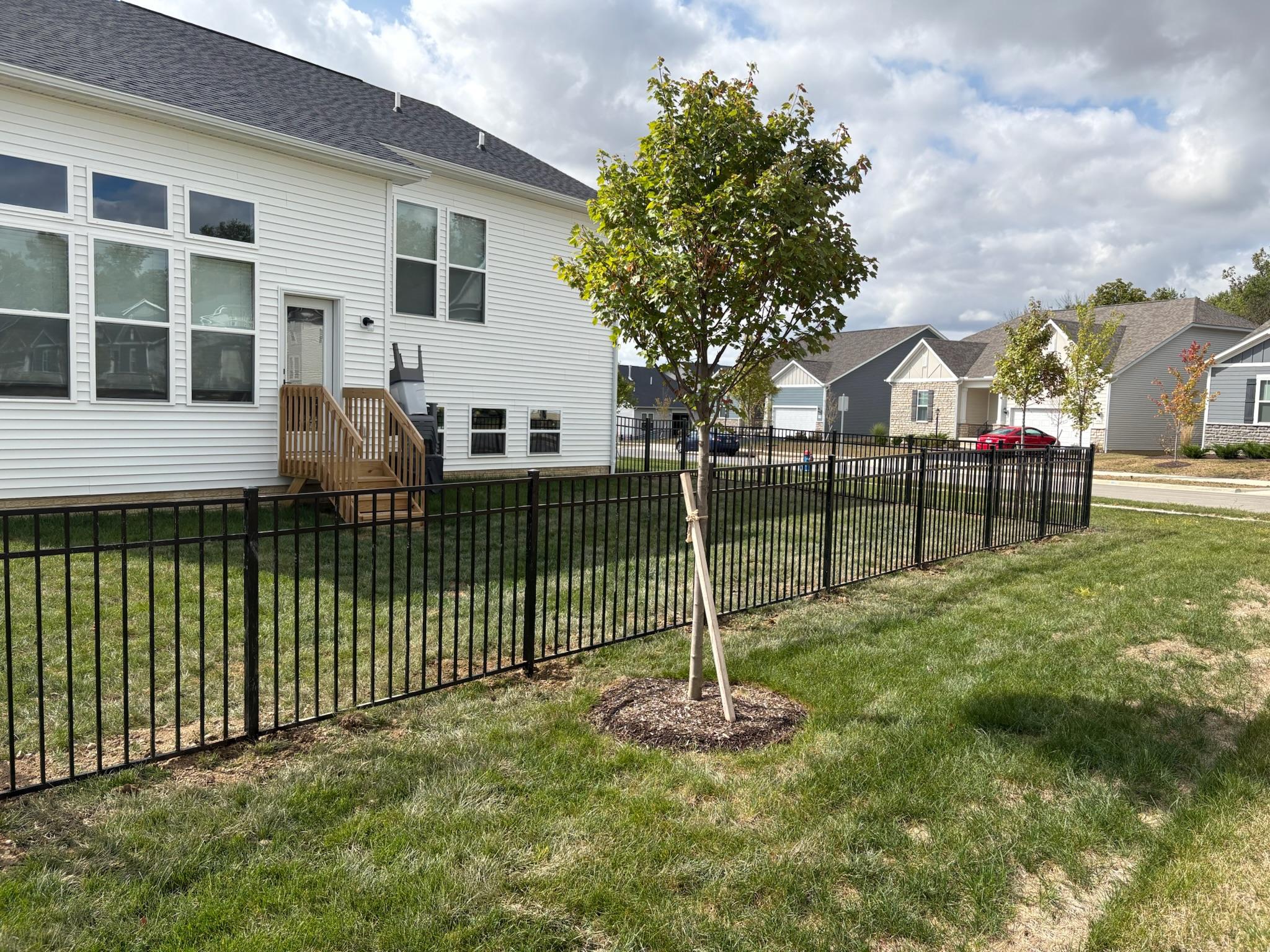
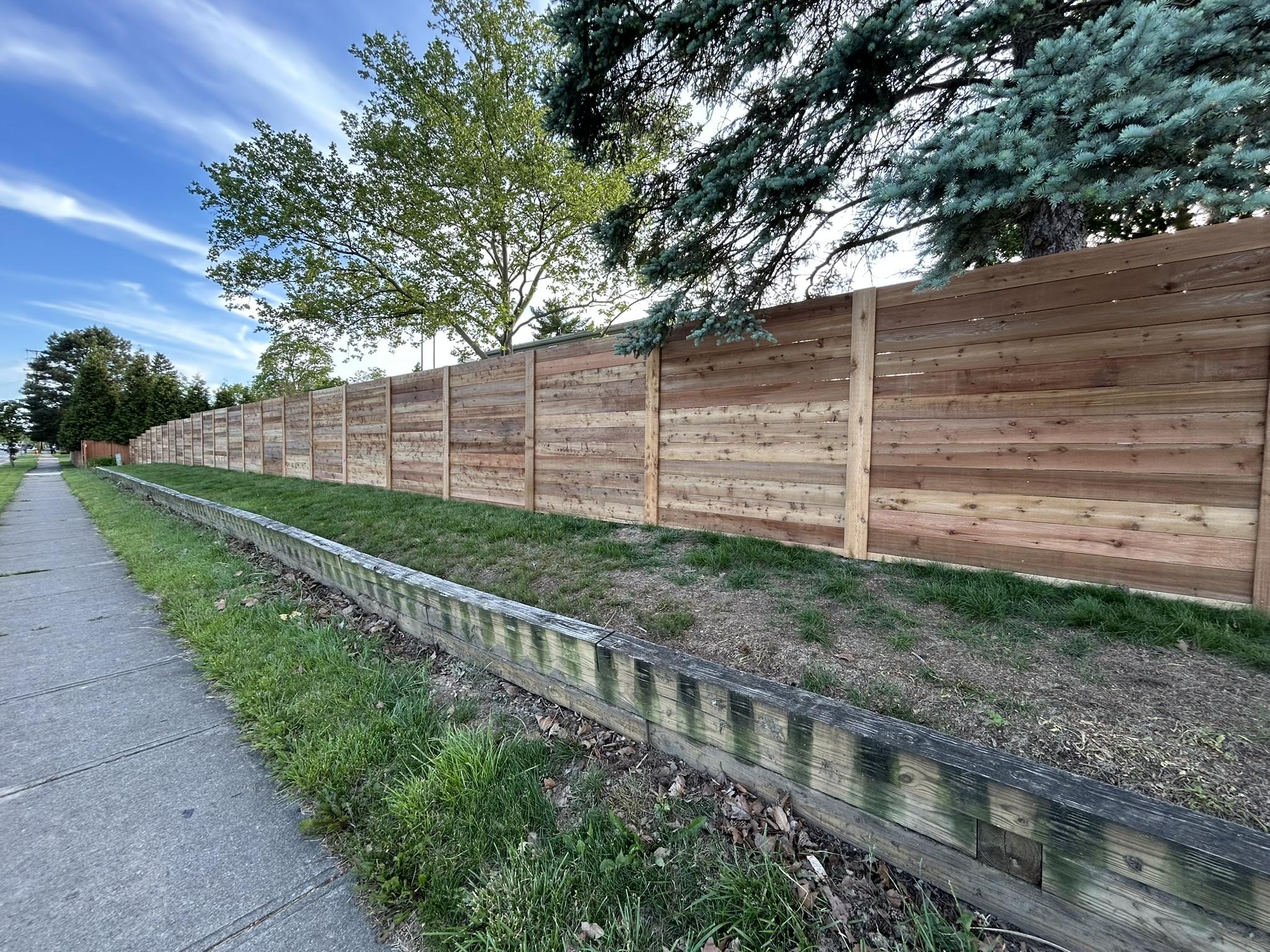
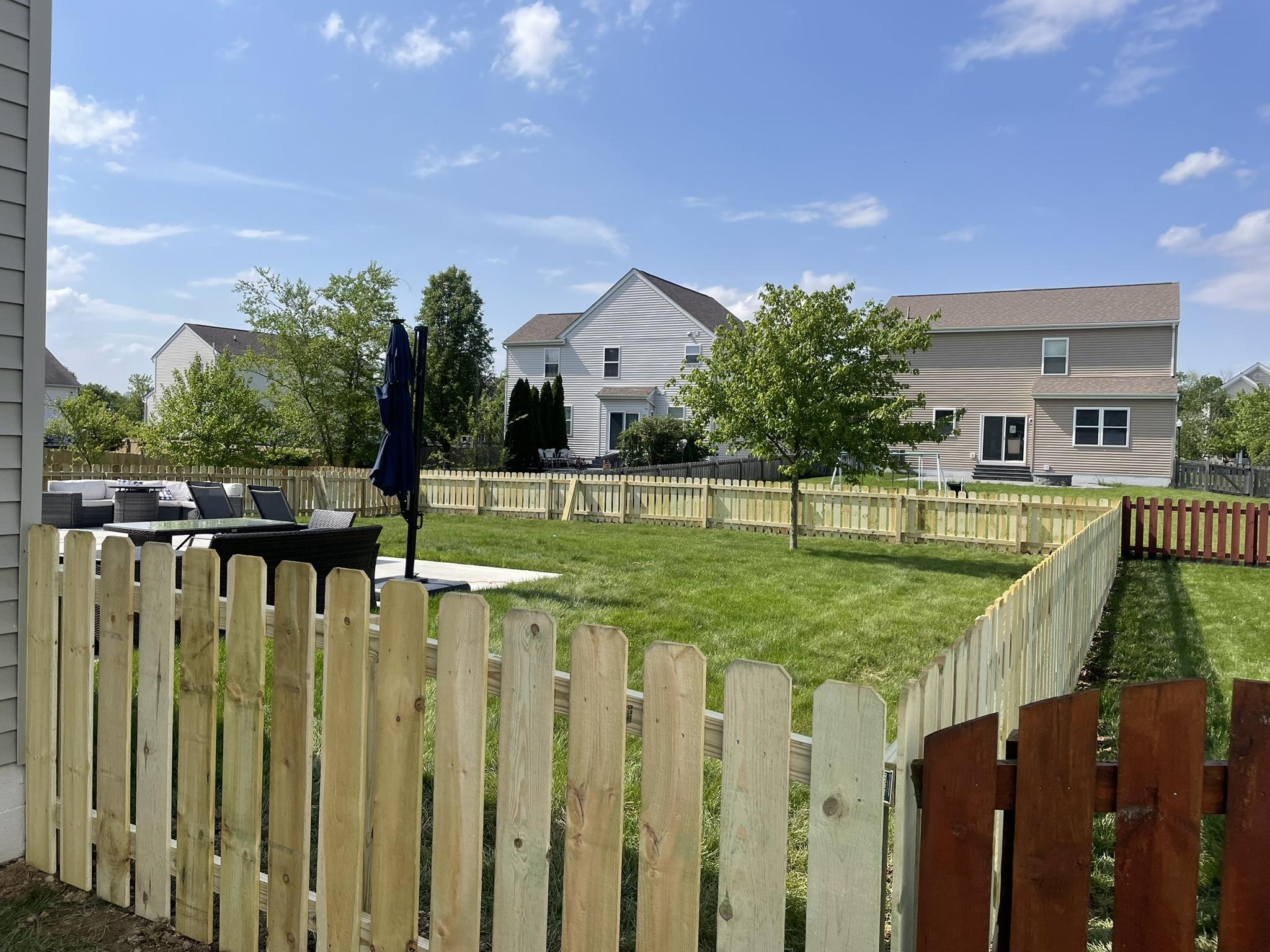
The choice of materials can make or break your fence’s longevity in Ohio’s varied climate. Wood offers a classic look but requires regular maintenance to withstand humidity and pests. For lower maintenance, vinyl and aluminum are popular choices, offering durability with less upkeep. Vinyl fences in Columbus are favored for their resilience against weather.
Consider how each material will hold up to snow, rain, and seasonal temperature changes. Planning with Ohio’s climate in mind ensures your fence remains sturdy and attractive over the years. Choose wisely to balance aesthetics with practical needs for long-term satisfaction.
Designing a Durable Fence
With the groundwork laid, focus shifts to design details that impact both function and visual appeal. Proper planning here boosts your fence’s longevity and usability.
Layout and Gate Considerations
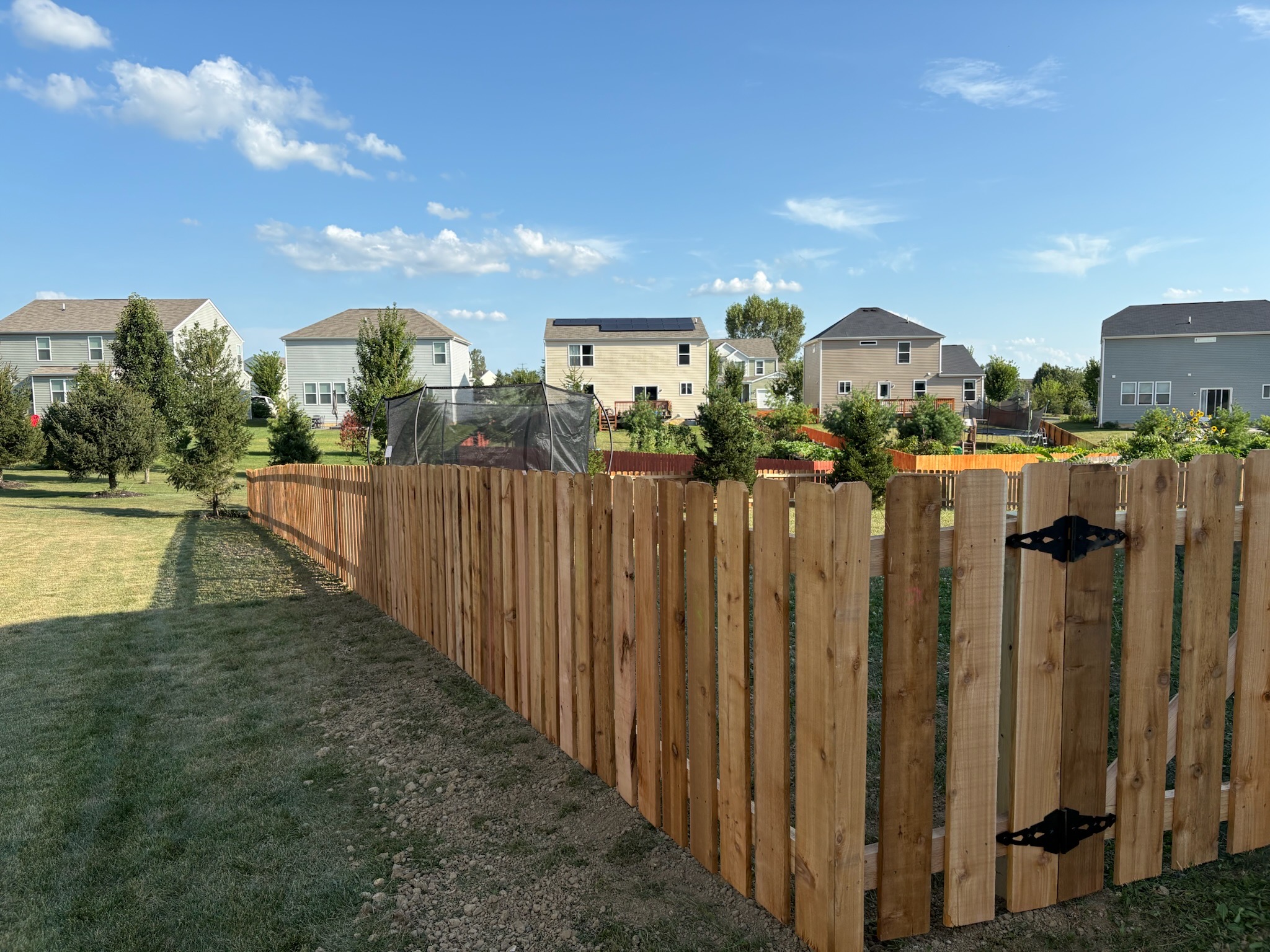
Thoughtful layout planning ensures smooth functionality. Decide on gate placement early, considering accessibility and traffic flow. Gates should align with paths or driveways for convenience. A well-placed gate enhances the fence’s utility and aesthetic appeal.
Consider the gate’s width and swing direction. Wider gates accommodate larger items, while dual gates add flexibility. Functional design choices like these enhance daily use and can even boost your property’s value.
Budgeting and Warranty Insights
Budgeting should cover more than just materials and labor. Factor in potential permit fees, future maintenance, and warranty options. A comprehensive budget prevents unexpected costs down the road.
Review warranties carefully. Good coverage indicates quality and offers peace of mind against defects or premature wear. Investing in warranties might seem costly upfront but can save significantly in long-term repairs.
Planning for Utilities and Maintenance
Before digging, confirm the location of underground utilities to avoid costly damages. Call 811 to have lines marked. This step is crucial for safety and compliance.
Plan for ongoing maintenance tailored to your fence material. Regular checks and cleaning extend the fence’s life. For example, wood fences need sealing, while vinyl requires simple washing. Routine care prevents minor issues from escalating into major repairs.
Frequently Asked Questions
Do I need a permit for fence installation in Columbus, Ohio?
Yes, permits are often required for fence installations in Columbus depending on the fence height and location. Always check with your local zoning office to determine specific requirements before starting your project.
What materials are best for a fence in Ohio’s climate?
In Ohio, materials like vinyl and aluminum are highly recommended for their durability and low maintenance. Wood is also popular but requires regular upkeep to combat humidity and pests.
How do I determine my property lines for fence installation?
To accurately determine property lines, consult your property deed or hire a surveyor. This ensures your fence is placed correctly and avoids potential disputes with neighbors.
Can I install a fence without HOA approval?
If your property is part of a Homeowners Association, you likely need their approval before installing a fence. They may have specific guidelines on materials and styles to follow.
How often should I maintain my new fence?
Maintenance frequency depends on the material. Wood fences generally require more upkeep, such as sealing every few years, while vinyl and aluminum need minimal maintenance, typically just occasional cleaning.