Replacing an old fence in Central Ohio isn’t just about picking a style and calling a contractor. If you’re planning fence replacement Columbus Ohio, you need to consider permits, property lines, and materials that stand up to our local climate. Getting these details right saves time, money, and headaches down the road. Keep reading to learn what every homeowner and business owner in Franklin, Delaware, Fairfield, and Licking counties should know before starting their next fencing project.
Essential Preparations for Fence Replacement
Planning to upgrade your fence? Start with essentials like permits, property lines, and utility locates. These steps ensure a smooth process and prevent costly setbacks.
Understanding Local Permits and Guidelines
When replacing a fence in Central Ohio, check local rules first. Every county, including Franklin and Delaware, has specific permit requirements. Contact your local zoning office to find out if you need a permit for your fencing project. Knowing this ahead of time helps avoid fines and delays.
It’s crucial to learn about homeowners association (HOA) guidelines if applicable. These rules can affect the type of fence you choose. Adhering to them ensures your new fence meets community standards. You can often find this info on your HOA’s website or by contacting them directly.
Assessing Property Lines and Boundaries
Before installation, confirm your property’s boundaries. This step prevents disputes with neighbors and ensures your fence is correctly placed. You might already have a survey from your home’s purchase. If not, hiring a surveyor is a wise choice to provide an accurate property map.
Discuss your plans with neighbors if your fence borders their property. Clear communication builds good relations and avoids misunderstandings. A simple chat can go a long way in keeping the peace and ensuring everyone is on the same page.
Ohio 811 Utility Locate: What to Know
The first step before digging is contacting Ohio 811. This free service marks underground utilities to prevent accidents. Simply call or submit a request online a few days before your project begins.
Ignoring this step can lead to dangerous mishaps and service interruptions. Utility lines for gas, water, and electricity might be closer than you think. Ensuring they’re marked keeps your project safe and compliant with Ohio laws.
Choosing the Right Materials
With preparations in place, it’s time to select materials that suit Ohio’s climate. Consider wood, vinyl, aluminum, or chain link options for durability and aesthetics.
Comparing Wood vs Vinyl Fences in Ohio
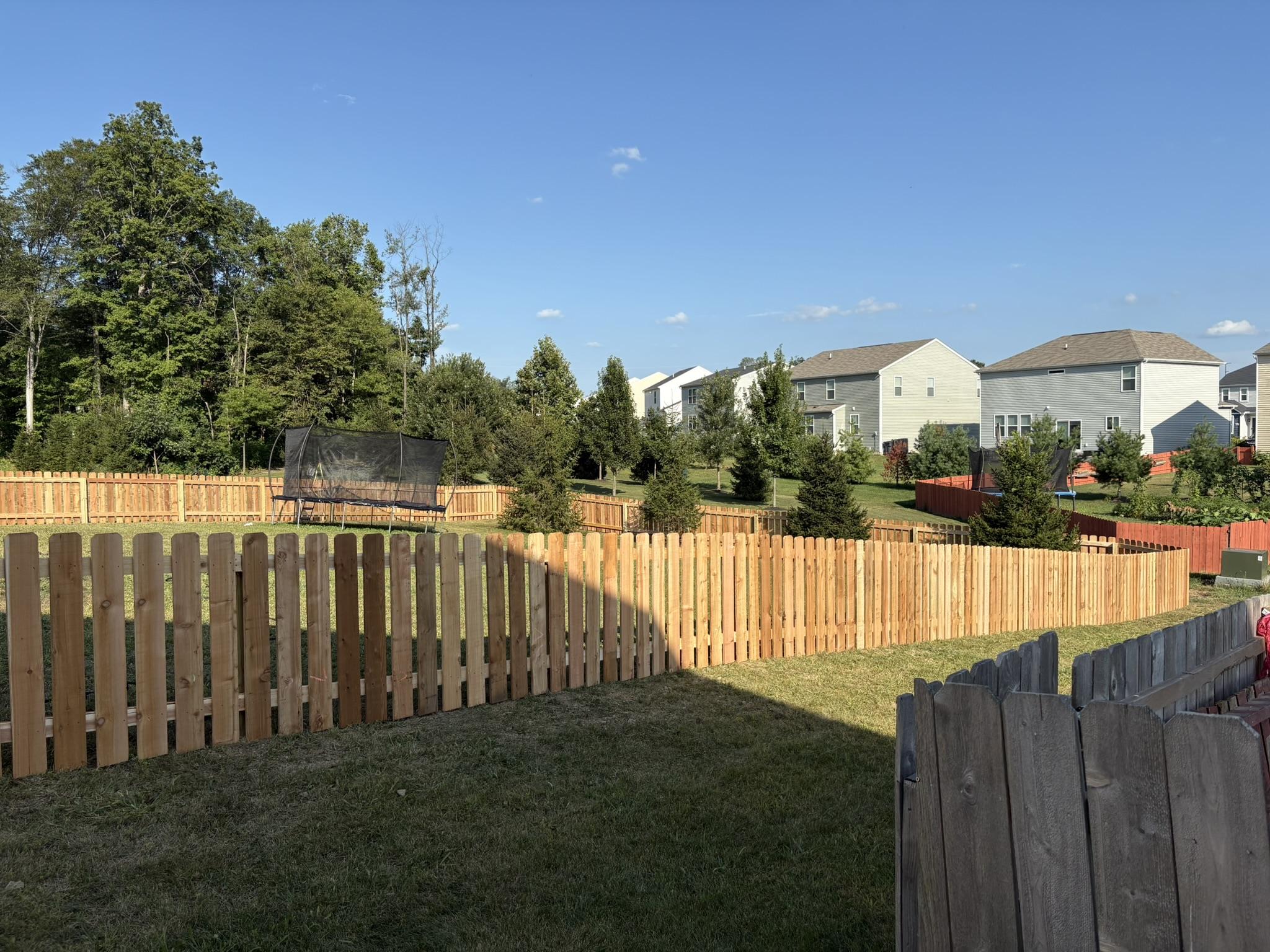
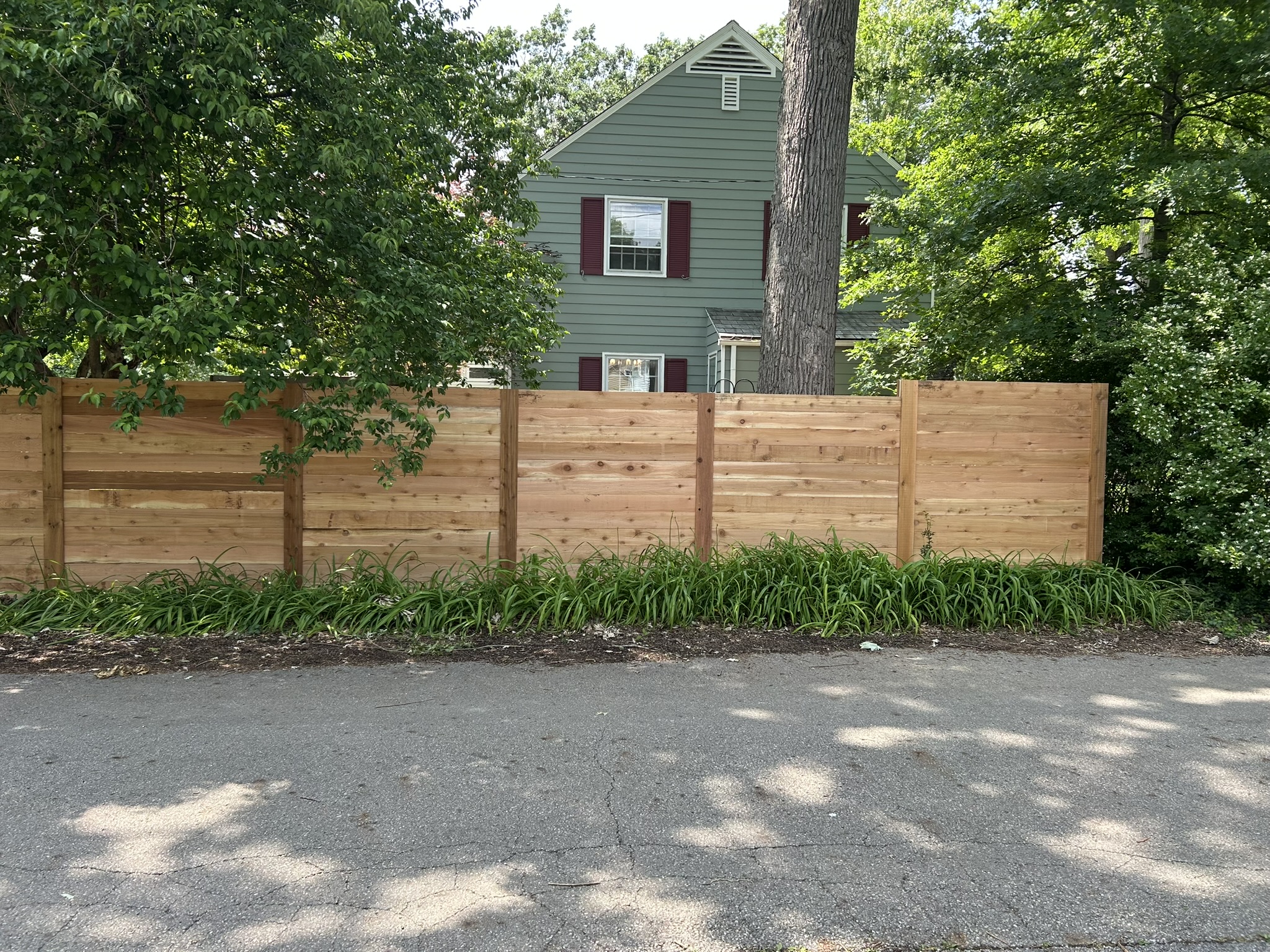
Wood and vinyl are popular choices for Ohio fences, each with unique benefits. Wood offers a classic look and can be customized with paint or stain. However, it requires regular maintenance to prevent rot and insects.
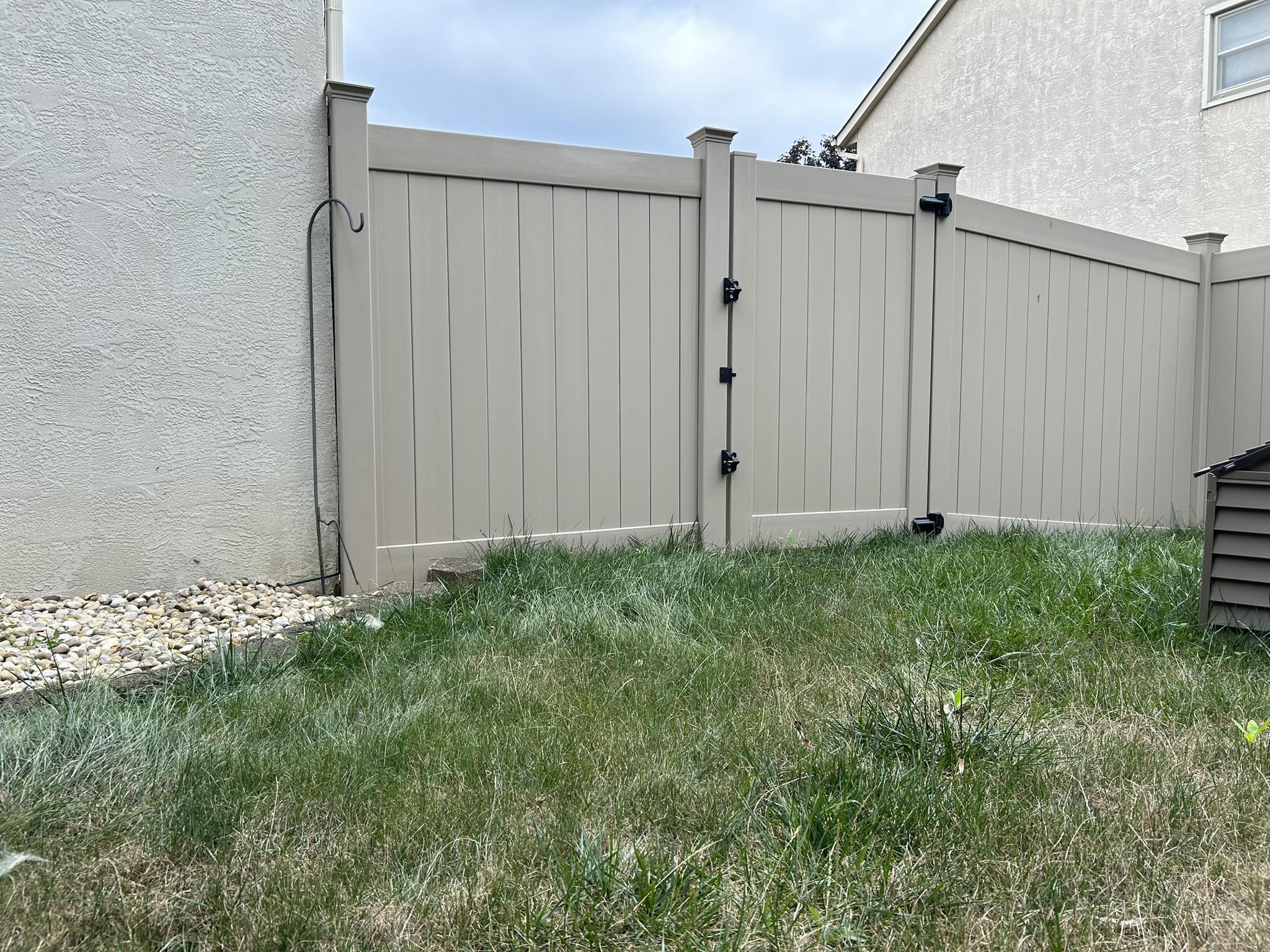
Vinyl, on the other hand, is low-maintenance and weather-resistant. It doesn’t need painting and withstands Ohio’s varying climate well. While it’s often pricier than wood upfront, its longevity and easy upkeep can make it a cost-effective choice over time.
Exploring Aluminum and Chain Link Options
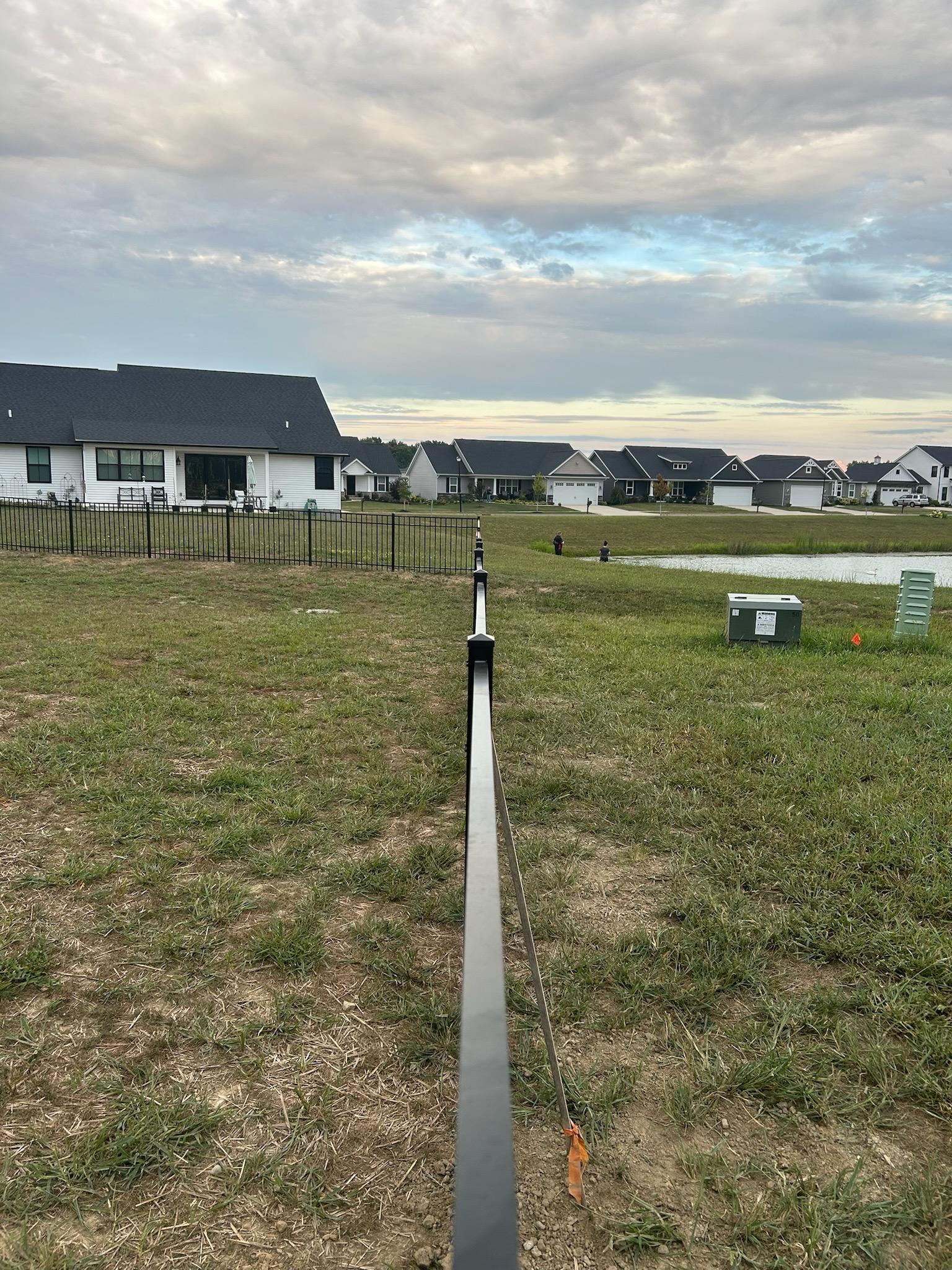
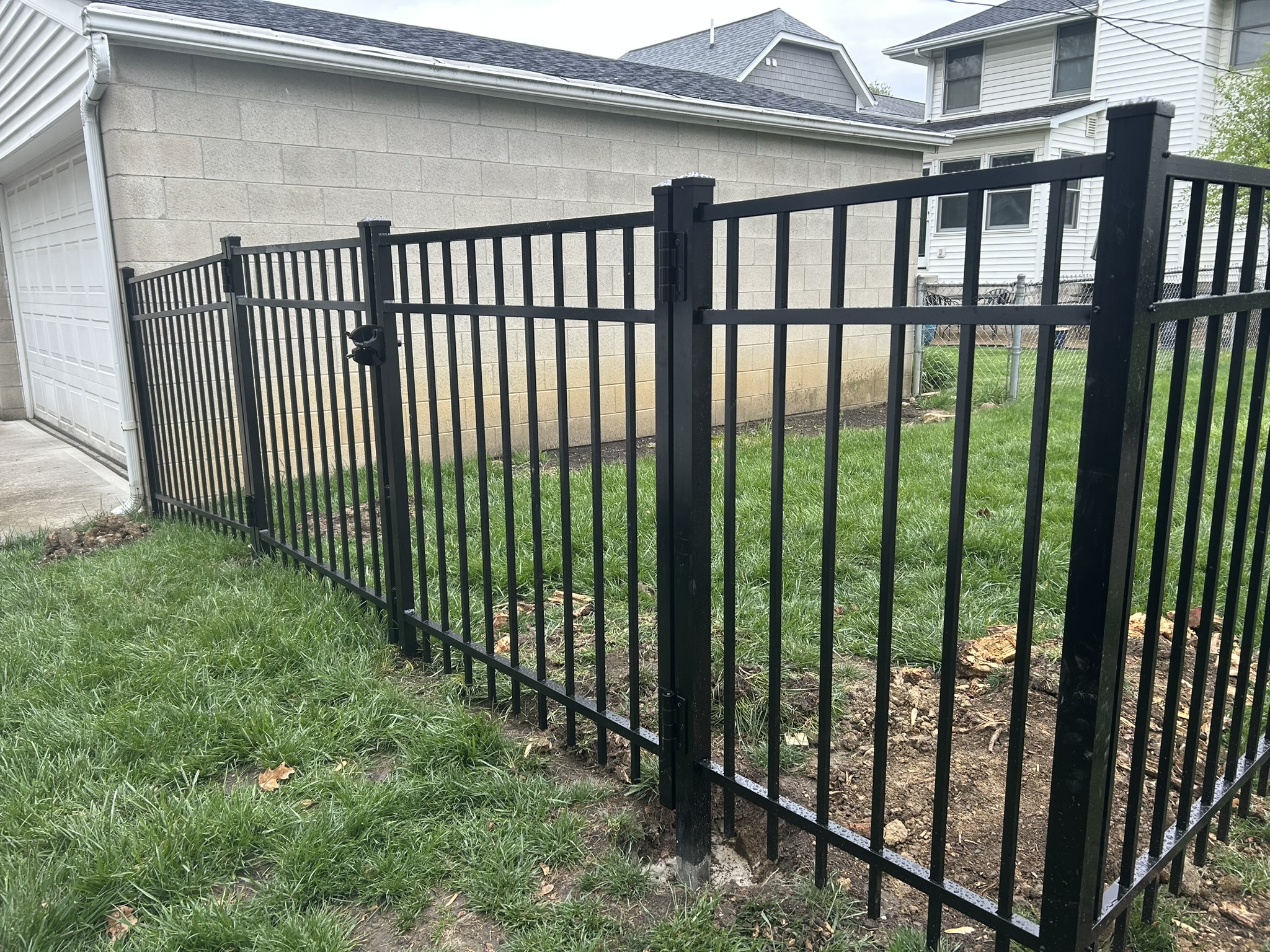
Aluminum and chain link fences are also solid options for durability and security. Aluminum fences are lightweight, rust-resistant, and can mimic the look of wrought iron without the high cost. They’re ideal for decorative boundary fencing.
Chain link fences offer practical, low-cost security for both homes and businesses. They’re especially useful in commercial settings and for defining large areas like farms. While not as visually appealing as other materials, they provide a clear barrier and are easy to install.
Considering Privacy and Security Needs
Assessing your privacy and security needs is crucial in choosing the right fence. For maximum privacy, solid wood or vinyl fences are excellent. They block views and reduce noise, making them perfect for backyards or pool areas.
If security is a top concern, consider taller fences with secure locks. Chain link and aluminum fences offer visibility, which can deter trespassers while still providing a barrier. Decide what balance of privacy and security works best for your property.
Budgeting and Hiring Professionals
Once you’ve chosen materials, it’s time to budget and find the right contractor. This ensures your project stays on track financially and is completed to your satisfaction.
Estimating Fence Replacement Costs
Replacing a fence involves several cost factors, including materials, labor, and permits. On average, expect to spend between $1,500 and $4,000 depending on material and length. Wood and chain link tend to be more affordable, while vinyl and aluminum may cost more.
Get multiple quotes from contractors to compare pricing. Ask for itemized estimates to understand where your money goes. This helps in making informed decisions and avoiding unexpected expenses later.
Selecting a Reliable Franklin County Fence Contractor
Choosing the right contractor impacts your project’s success. Look for companies with strong reputations, like Murphy Fence LLC, known for quality and customer satisfaction in Central Ohio. Read reviews and ask for references to confirm their work quality and reliability.
Ensure your chosen contractor is licensed and insured. This protects you from liability and ensures professionalism. A good contractor will communicate clearly and provide honest recommendations.
Scheduling and Timeline Considerations
Plan your project timeline with your contractor. Weather can affect installation, so aim for a period with minimal rain or snow. Discuss potential delays and how they handle them to avoid unnecessary stress.
Confirm project milestones with your contractor. Knowing when each phase will complete helps manage expectations and keeps everything on track. Open communication is key to a smooth and timely fence replacement.
Frequently Asked Questions
How do I know if I need a permit for my fence replacement?
Check with your local zoning office as requirements vary by county. Some areas require permits based on fence height or location, while others do not.
What if I don’t have a recent property survey?
If you lack a recent survey, hire a professional surveyor. This ensures your fence is placed accurately and respects neighboring properties.
Why is contacting Ohio 811 important before digging?
Ohio 811 marks underground utilities to prevent accidents. It’s a free service that protects your safety and ensures compliance with laws.
Which is better for Central Ohio: wood or vinyl fences?
Both have pros and cons. Wood offers a classic look but needs more maintenance. Vinyl is durable and low-maintenance, making it ideal for Ohio’s climate.
How should I choose the right fence contractor?
Select a contractor with a solid reputation, like Murphy Fence LLC. Ensure they’re licensed and insured, read reviews, and ask for references to confirm their reliability and quality of work.