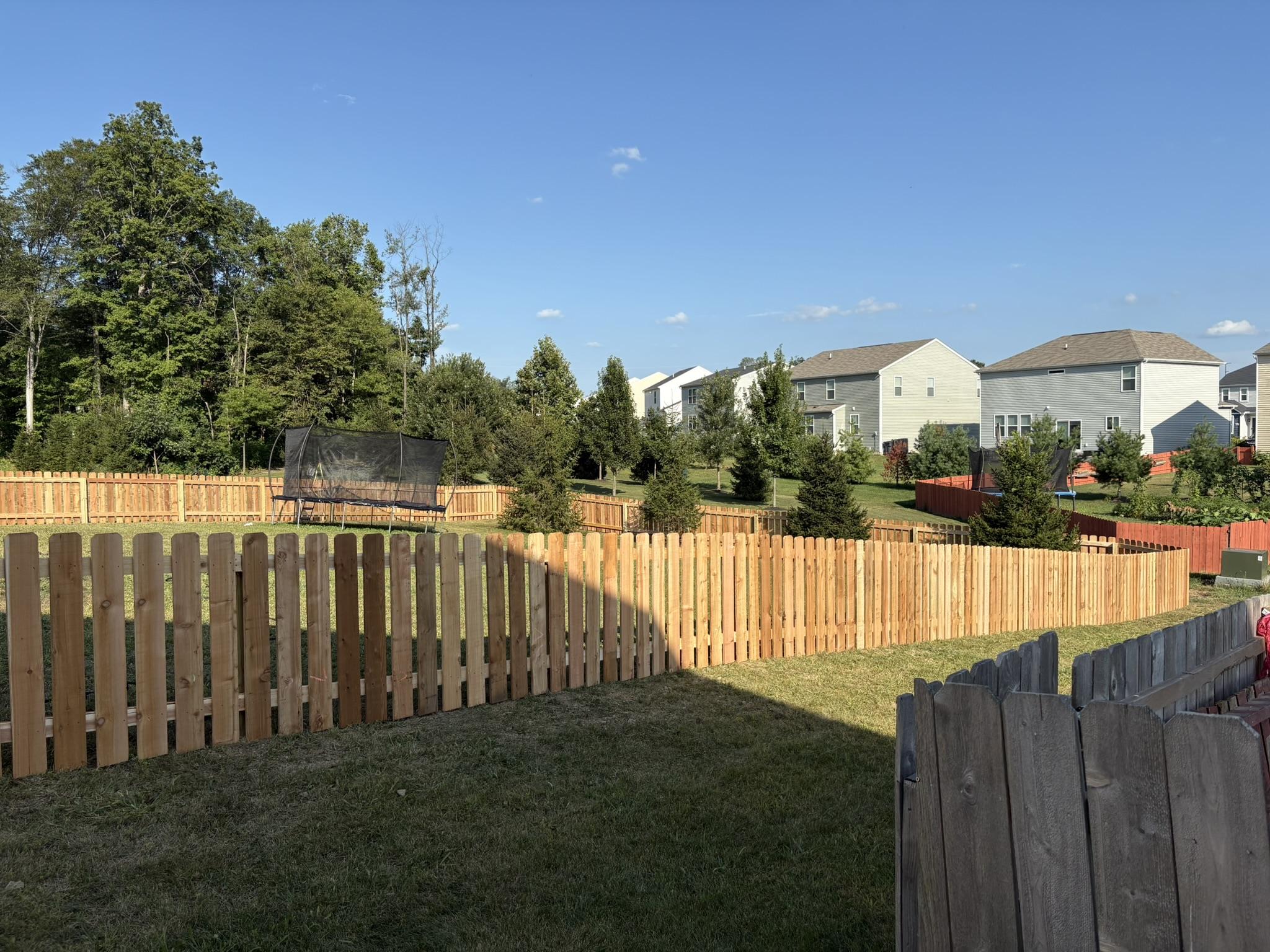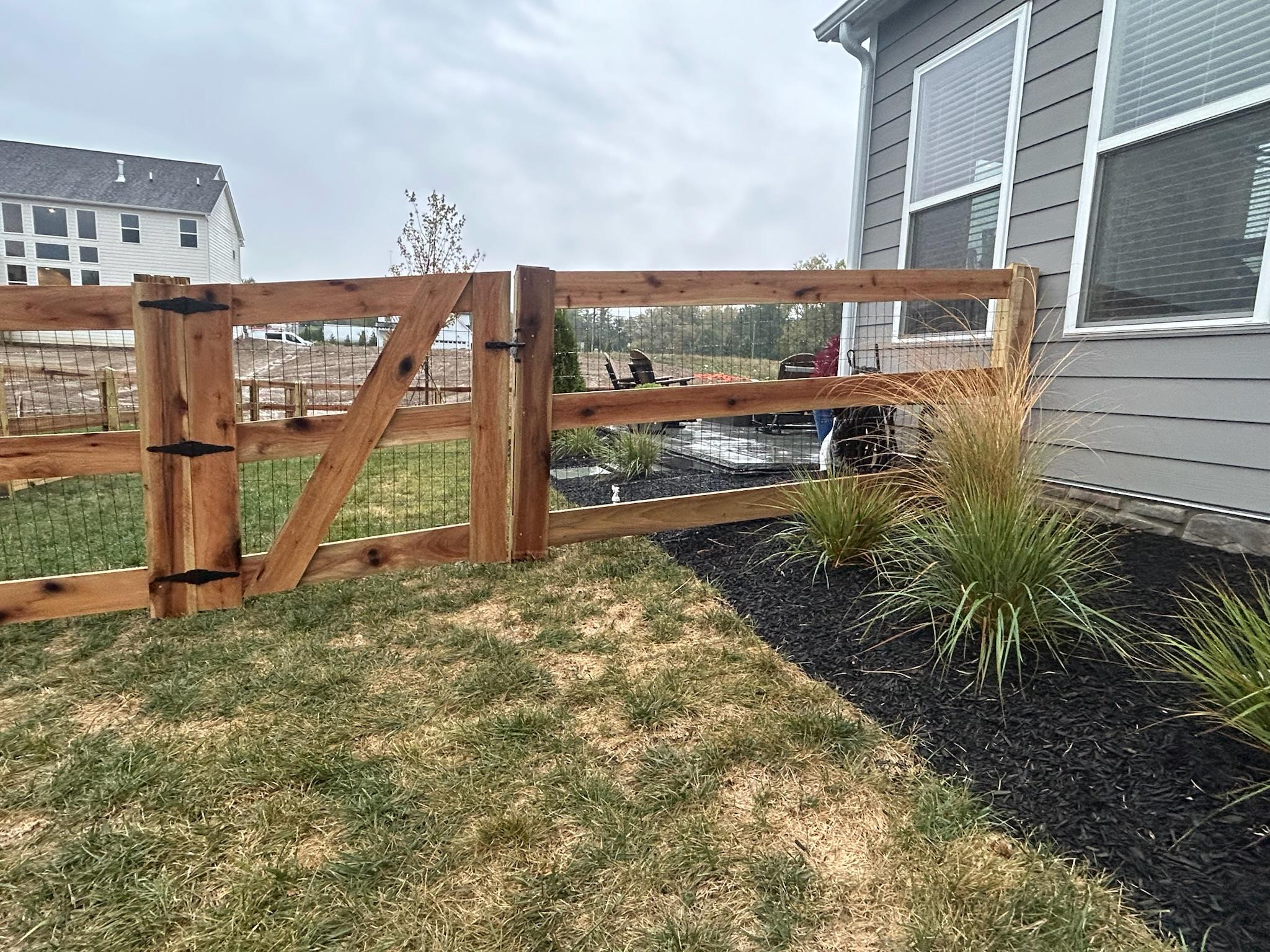
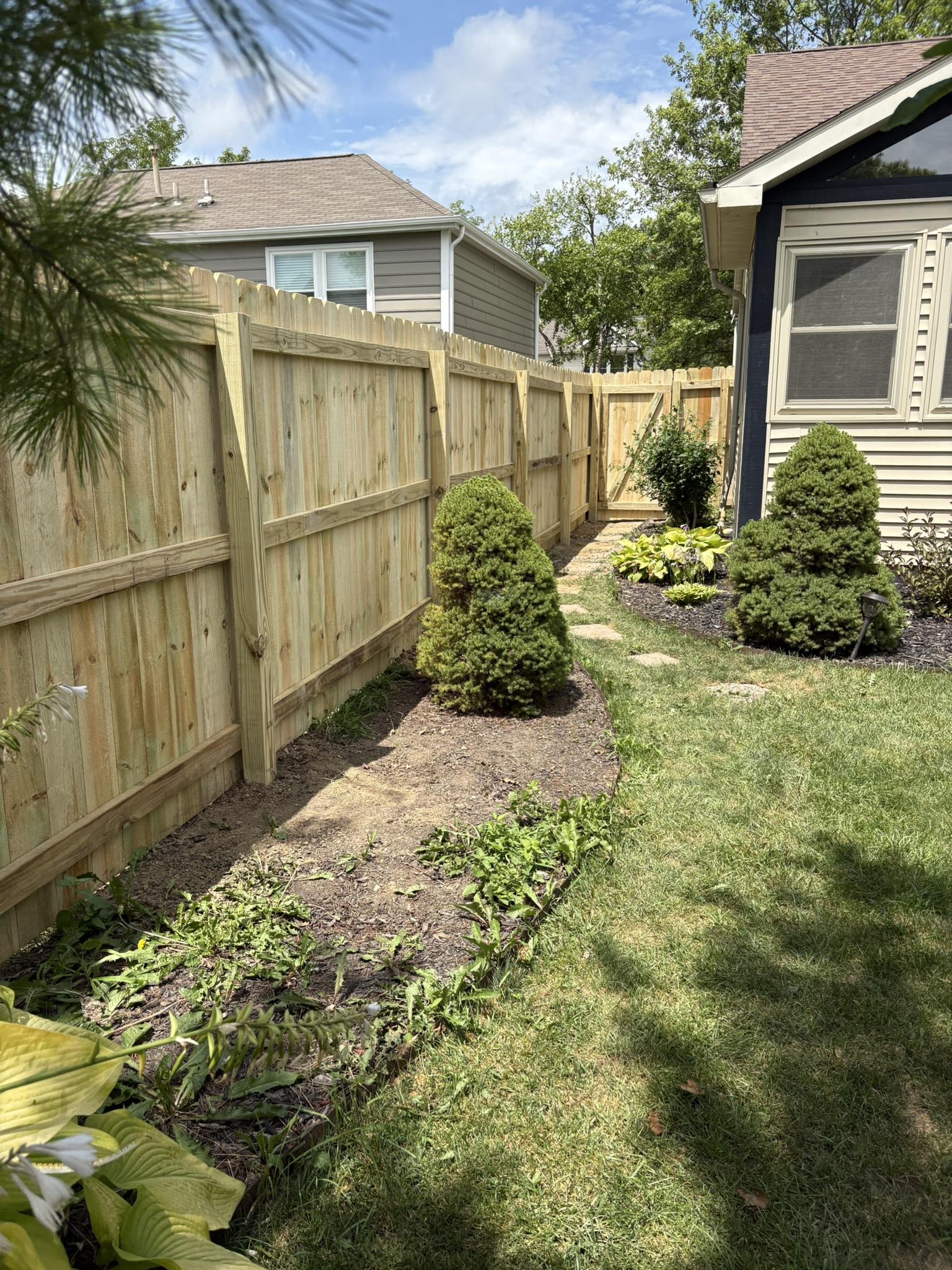
Most fence projects start with excitement and a vision, but quickly hit roadblocks without the right groundwork. You might think picking a style or material is all it takes, yet permits, property lines, and local codes demand attention first. Before you schedule fence installation Columbus Ohio, knowing these key steps saves time, money, and headaches. Keep reading to get clear on what matters most for your Franklin, Delaware, Fairfield, or Licking County fence project.
Understanding Local Regulations
Before jumping into a fence project, it’s essential to grasp the local rules that could affect your plans. Each county has its own requirements, and understanding them will save you from potential setbacks.
Navigating Fence Permits Columbus
In Columbus, a permit is often necessary for new fence installations. This process can seem daunting, but it ensures your project complies with local standards. Start by contacting your local building department to verify if your project requires a permit. They’ll guide you through the necessary paperwork and fees. Keep in mind, having a permit in hand before work begins helps avoid fines or forced removals.
Complying with Ohio Fence Codes
Ohio has specific codes that regulate the height, style, and placement of fences. These codes are in place to maintain neighborhood aesthetics and safety. Common regulations include height limits, typically six feet for backyard fences, and set-back requirements from property lines. Knowing these codes before construction begins will help avoid future conflicts with neighbors or authorities.
HOA Fence Approval Process
If you live in a neighborhood with a Homeowners Association (HOA), there might be additional steps to take. Many HOAs have their own rules regarding fence materials, colors, and heights. Submit your plans for approval early, as this process can sometimes take weeks. An approved project ensures harmony in neighborhood appearances and keeps you in good standing with the HOA.
Planning Your Fence Project
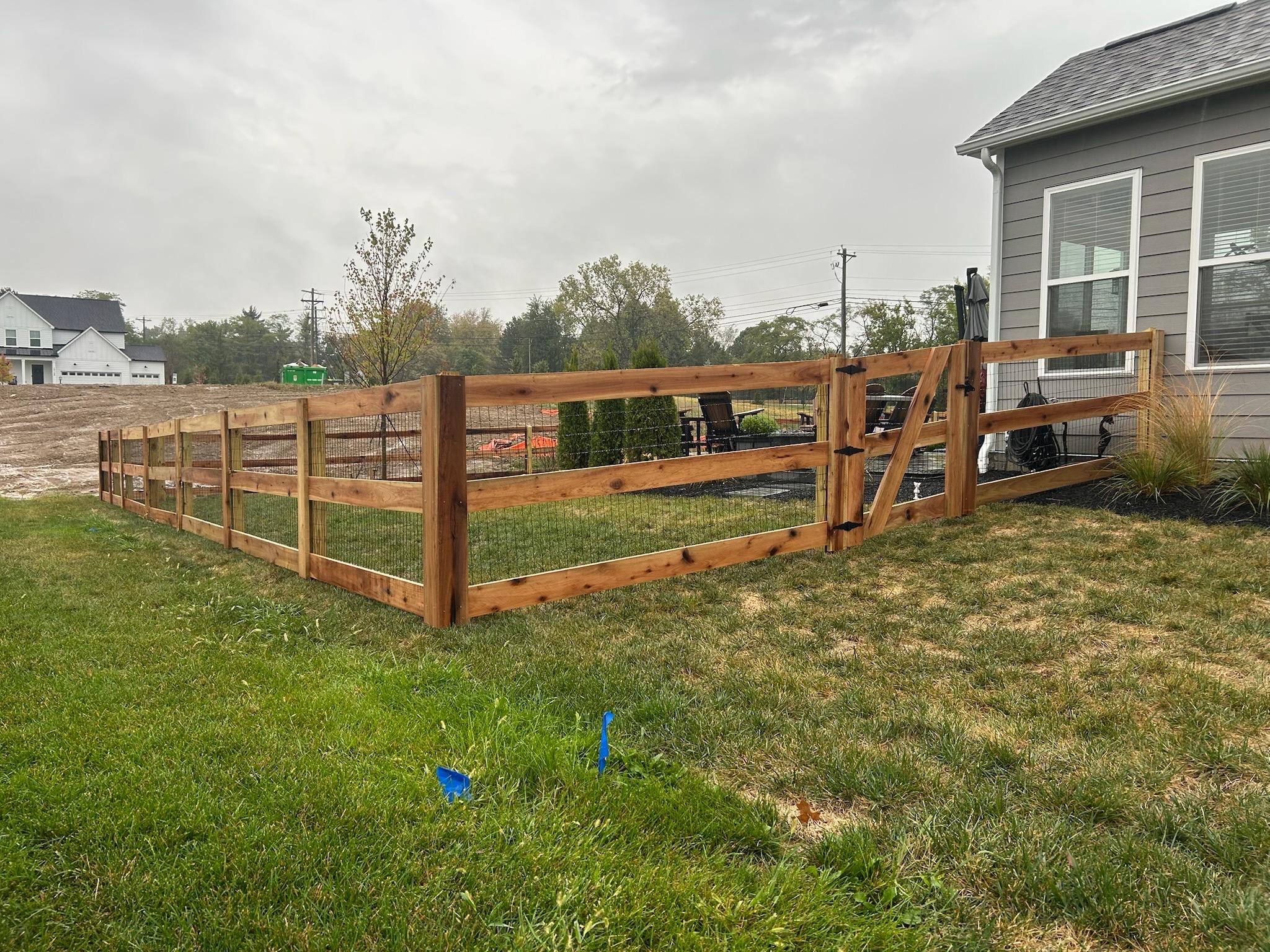
With regulations in mind, it’s time to plan your project. This involves understanding your property boundaries, budgeting, and setting realistic timeline expectations.
Property Line Survey Fence
Knowing your property lines is crucial before installing a fence. An accurate property line survey prevents disputes with neighbors and ensures your fence is legally positioned. Hire a professional surveyor if there’s any doubt about your boundaries. This step not only clarifies your property limits but also provides peace of mind.
Budgeting for Fence Installation Columbus Ohio
Budgeting is a critical component of any fence project. Costs can vary widely based on materials and project size. Begin by getting estimates from multiple contractors to understand the price range. Factor in additional costs for permits, surveys, and potential landscaping adjustments. A well-planned budget prevents financial surprises down the road.
Timeline Expectations for Franklin County Fence Company
Time management is key to a successful project. Discuss timelines with your chosen Franklin County fence company. Understand that factors like weather and material availability can affect project duration. Communicate openly with your contractor to align on realistic completion dates. This transparency helps avoid disappointment and ensures a smooth process.
Selecting Materials and Contractors
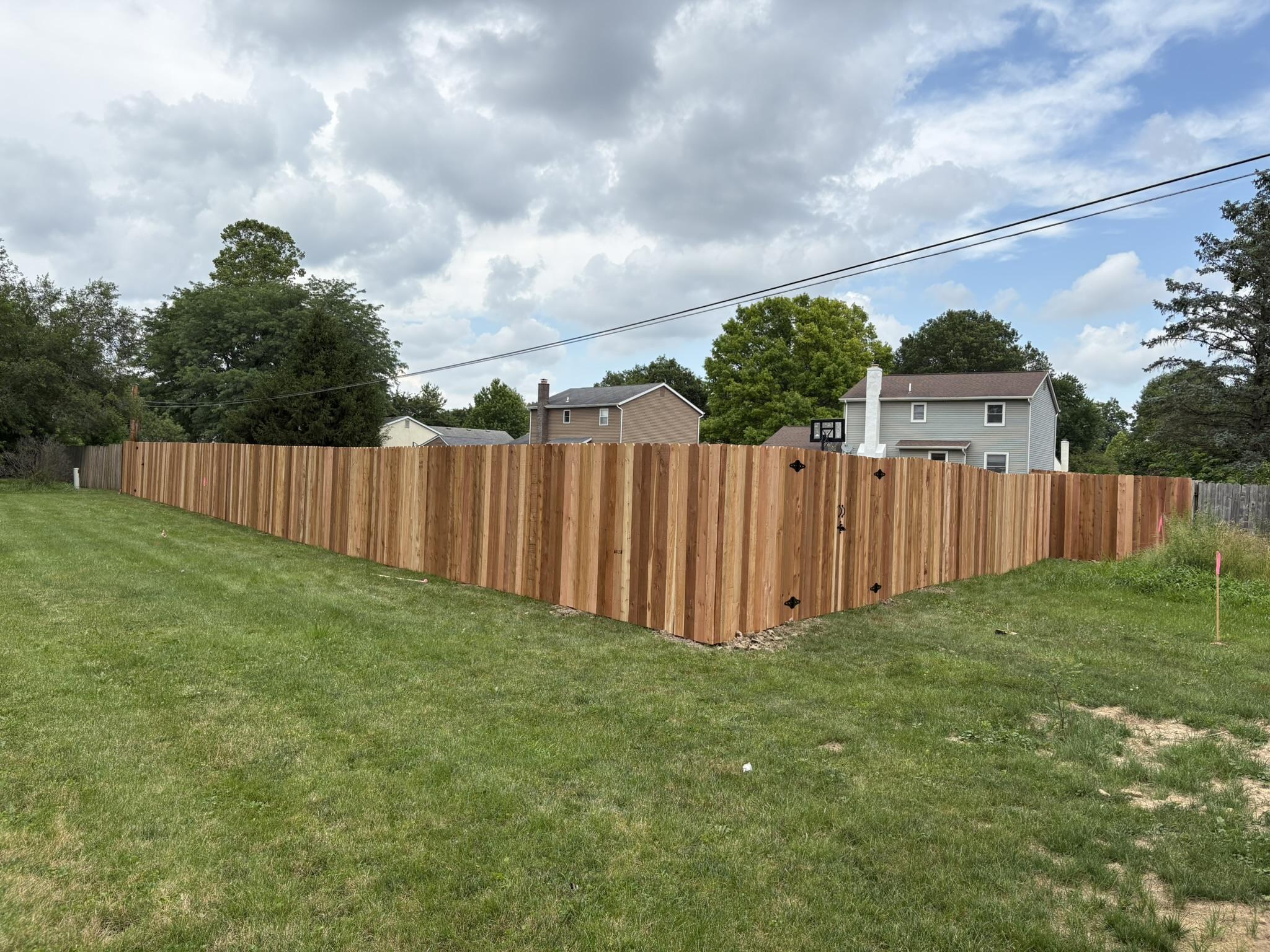
Choosing the right materials and professionals is vital for a durable and attractive fence. Considerations here will impact both the look and longevity of your project.
Choosing the Right Columbus Fencing Contractor
Selecting a reliable Columbus fencing contractor is crucial. Look for contractors with strong reputations and verified credentials. Ask for references and view previous work to gauge their quality. Communication is key; choose someone who listens to your needs and provides clear, honest advice. A trustworthy contractor simplifies the process and ensures a high-standard finish.
Exploring Materials: Wood, Vinyl, Aluminum
Each material offers unique benefits and challenges. Wood provides a classic look but requires regular maintenance. Vinyl is low-maintenance and weather-resistant, though initially more expensive. Aluminum offers durability and a modern aesthetic. Consider your budget, desired appearance, and maintenance willingness when selecting materials. The right choice enhances your property’s value and appeal.
Evaluating Custom Fences Central Ohio Options
For those with unique property needs, custom fencing solutions offer tailored aesthetics and functionality. Custom fences can accommodate slopes, unusual boundary shapes, or specific design preferences. Discuss your vision with your contractor to explore the best custom options. This bespoke approach ensures your fence meets both aesthetic and practical goals.
Frequently Asked Questions
Do I need a permit to build a fence in Columbus?
Yes, most fence installations in Columbus require a permit. Verify with your local building department to ensure compliance and avoid fines.
What is the maximum height for a fence in Ohio?
Typically, Ohio’s maximum fence height is six feet for backyards. Always check local codes for any specific variations.
How can I verify my property lines before installing a fence?
Hiring a professional surveyor is the most accurate way to determine your property lines. This step helps prevent future disputes with neighbors.
What factors affect the cost of fence installation?
Costs vary based on materials, project size, and additional services like permits or landscaping. Obtain multiple estimates for accurate budgeting.
How do I choose the right fence contractor?
Look for contractors with a good reputation, verified credentials, and clear communication. Request references and view past projects to ensure quality work.