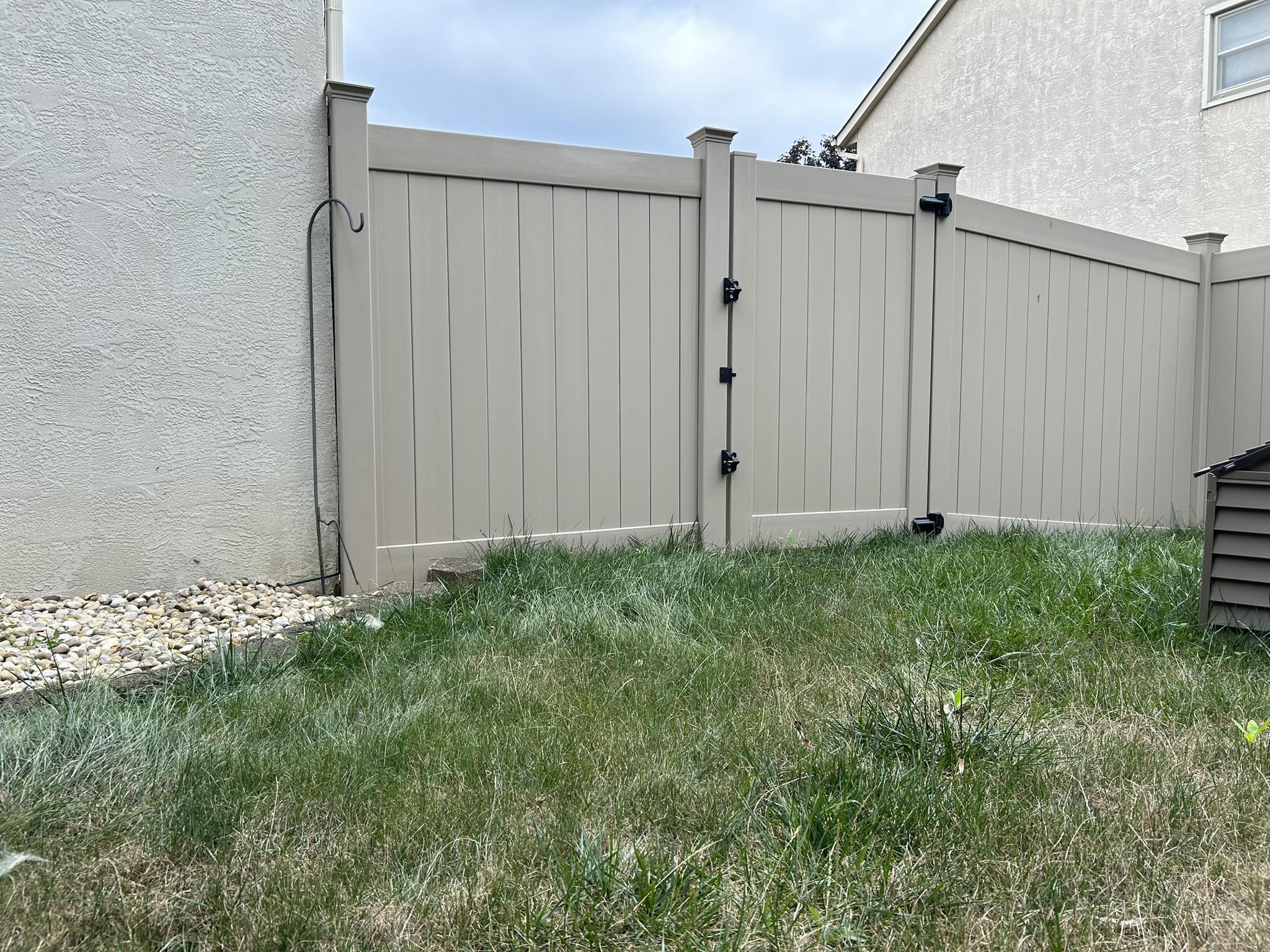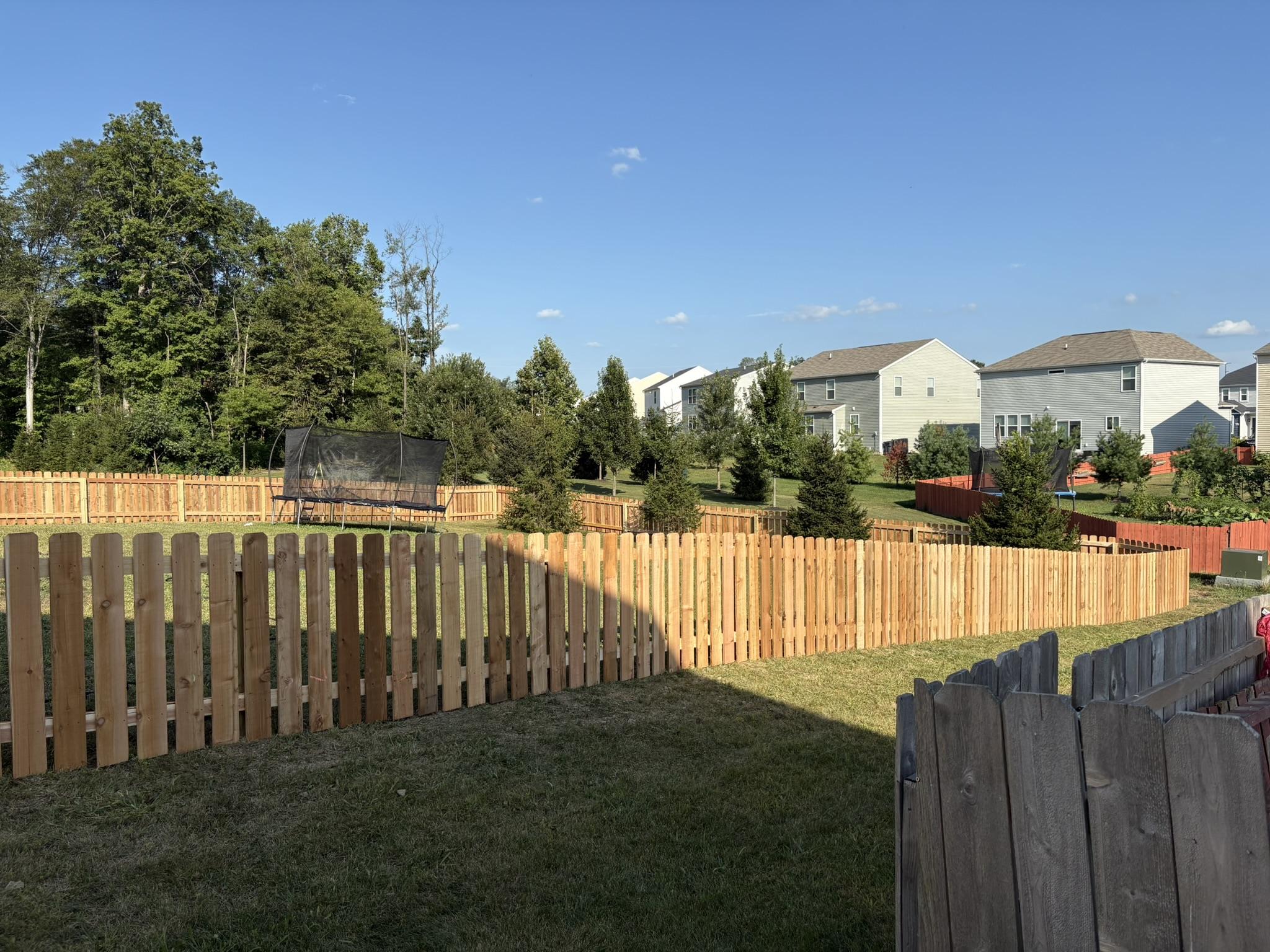
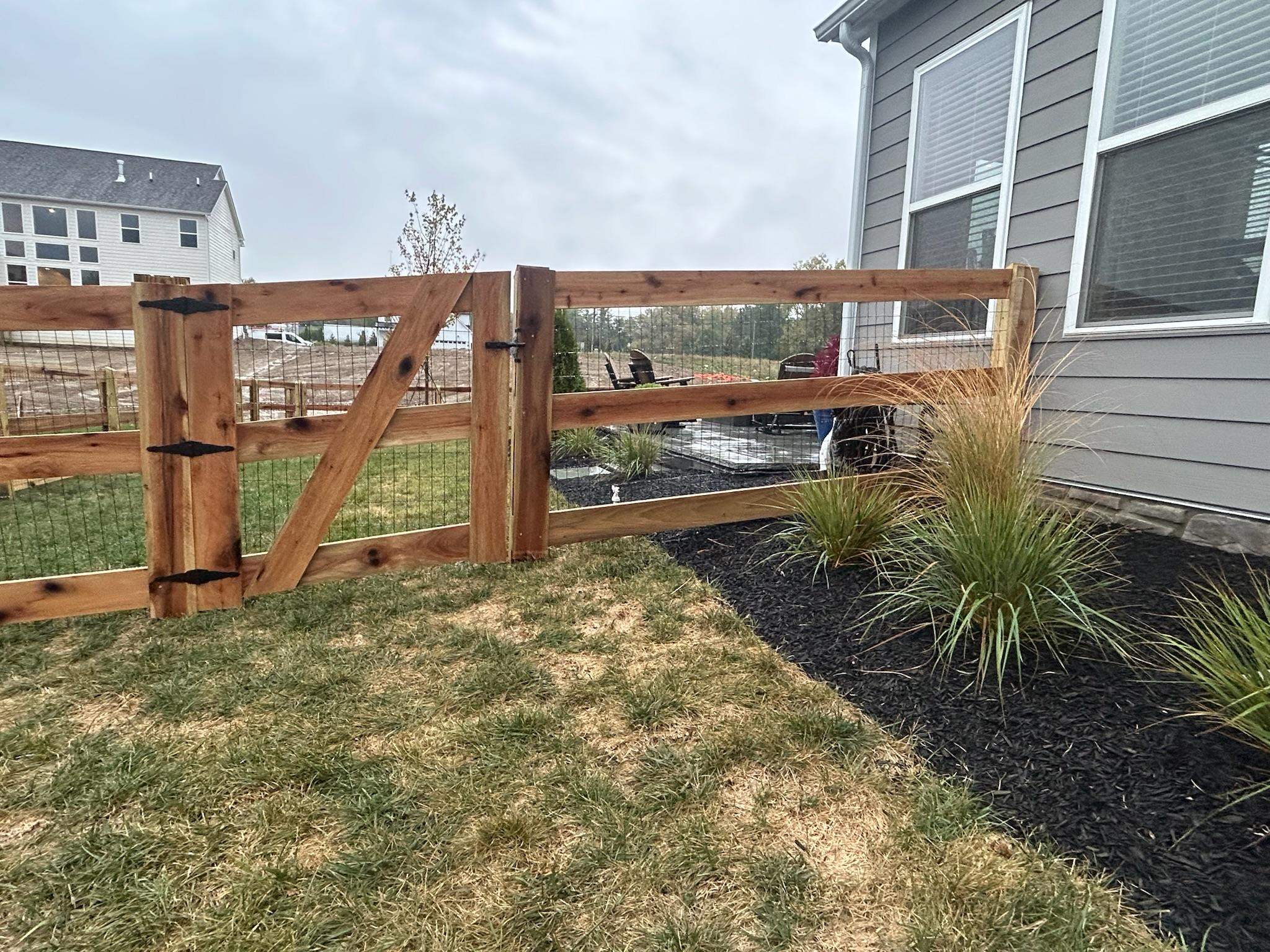
Installing a fence in Franklin, Delaware, Fairfield, or Licking County isn’t as simple as picking a style and digging post holes. Local rules on permits, property lines, and HOA guidelines can trip you up fast. Knowing these details before you start saves time, money, and headaches. Keep reading to find out what every homeowner and business owner in Central Ohio should know before their next Columbus fence installation. Learn more here.
Understanding Local Regulations
Before you start digging, it’s crucial to understand the local rules and regulations for your area. Knowing these can prevent costly mistakes and ensure a smooth installation process.
Navigating Franklin County Permits
In Franklin County, you’re required to get a permit before installing a fence. This isn’t just a formality; it’s a necessary step to ensure your project meets all local building codes. You can find the application details here. This process may seem daunting, but it largely involves submitting your plans and awaiting approval. Once you have the green light, you can proceed with confidence knowing your new fence will be compliant.
HOA Fence Guidelines in Ohio
Homeowners associations (HOAs) often have specific guidelines you must follow. These can include restrictions on fence height, materials, and even color. Not adhering to these can result in fines or being asked to remove your fence. It’s vital to check with your HOA early in the planning process. Their rules can significantly influence what type of fence you choose. Addressing these regulations upfront saves you from headaches and ensures a harmonious relationship with your neighbors.
Licking County Fence Codes Explained
Licking County has its own set of codes and requirements for fences, which you can explore in detail here. These codes typically dictate the height and placement of fences, especially in relation to property lines and public utilities. Failing to comply can lead to fines or removal orders. Knowing these codes helps you design a fence that meets both your needs and local legal standards. This knowledge is key to avoiding complications down the road.
Choosing the Right Material
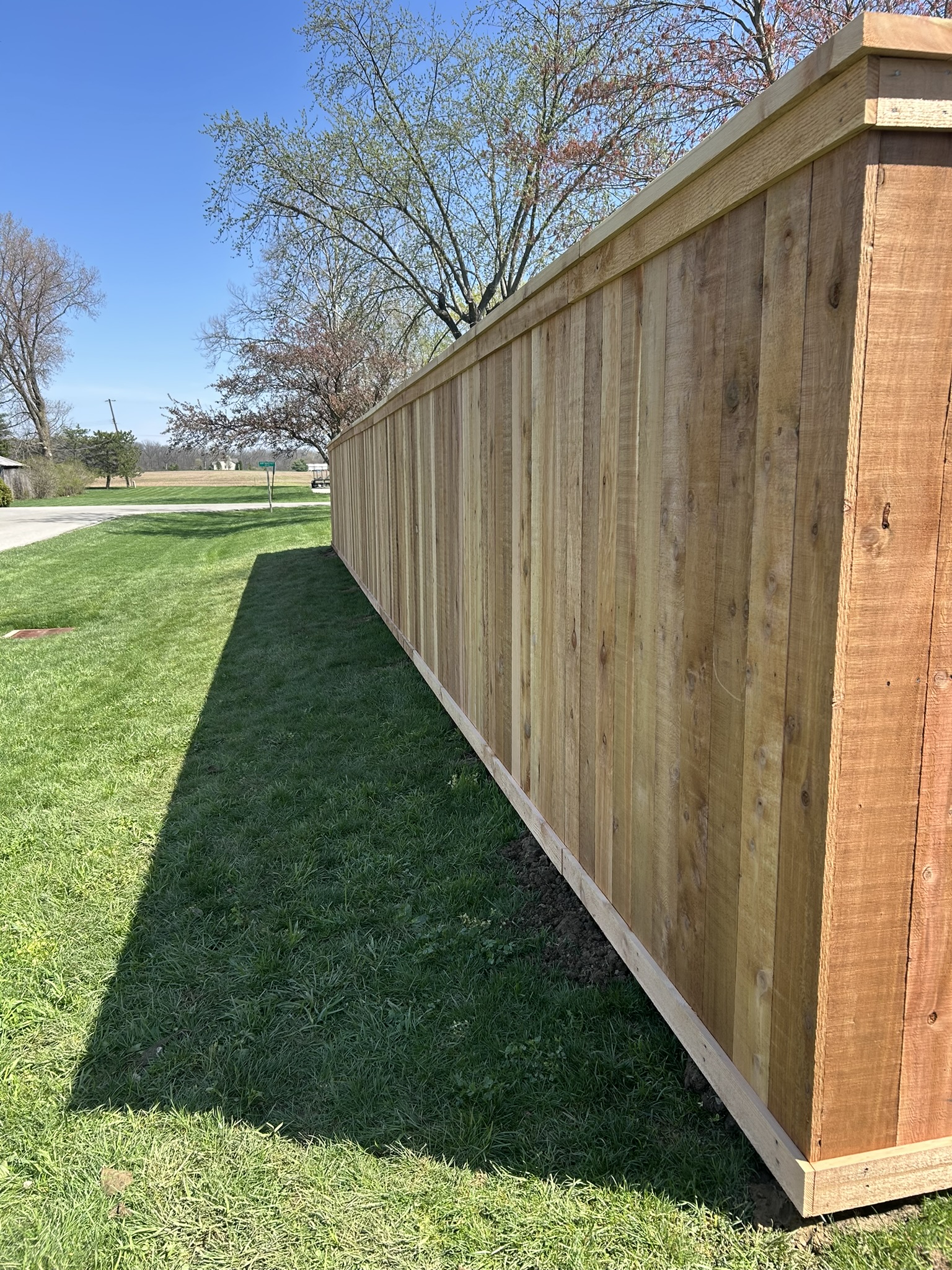
Selecting the right material for your fence is more than an aesthetic choice. Different materials offer various benefits that can significantly impact the longevity and functionality of your fence.
Wood vs. Vinyl for Central Ohio
Wood and vinyl are two popular options, each with its own set of advantages. Wood offers a classic look and can be customized with paint or stain. However, it does require regular maintenance to prevent rot and insect damage. Vinyl, on the other hand, is low-maintenance and highly durable, making it ideal for busy homeowners. It resists weathering and does not require painting. The right choice depends on your priorities—whether you value the traditional appeal of wood or the ease of vinyl.
Benefits of Chain Link Fences
Chain link fences are a practical choice for both residential and commercial properties. They provide durability and security without obstructing views. This can be particularly beneficial in areas where visibility is important for safety. Chain link is also cost-effective and requires little maintenance. It’s a great option if you’re looking for a balance of affordability and functionality. The open design allows for customization with privacy slats or landscaping for added appeal.
Aluminum and Farm Fencing Options
Aluminum fencing offers elegance and strength, making it suitable for both decorative and security purposes. It’s resistant to rust and corrosion, ensuring a long lifespan. This material is perfect if you want a stylish and durable option without the hassle of upkeep. Farm fencing, meanwhile, is designed for functionality, keeping livestock secure while marking property boundaries. It’s typically made from materials that withstand harsh weather, like galvanized steel, providing both durability and practicality.
Installation Best Practices
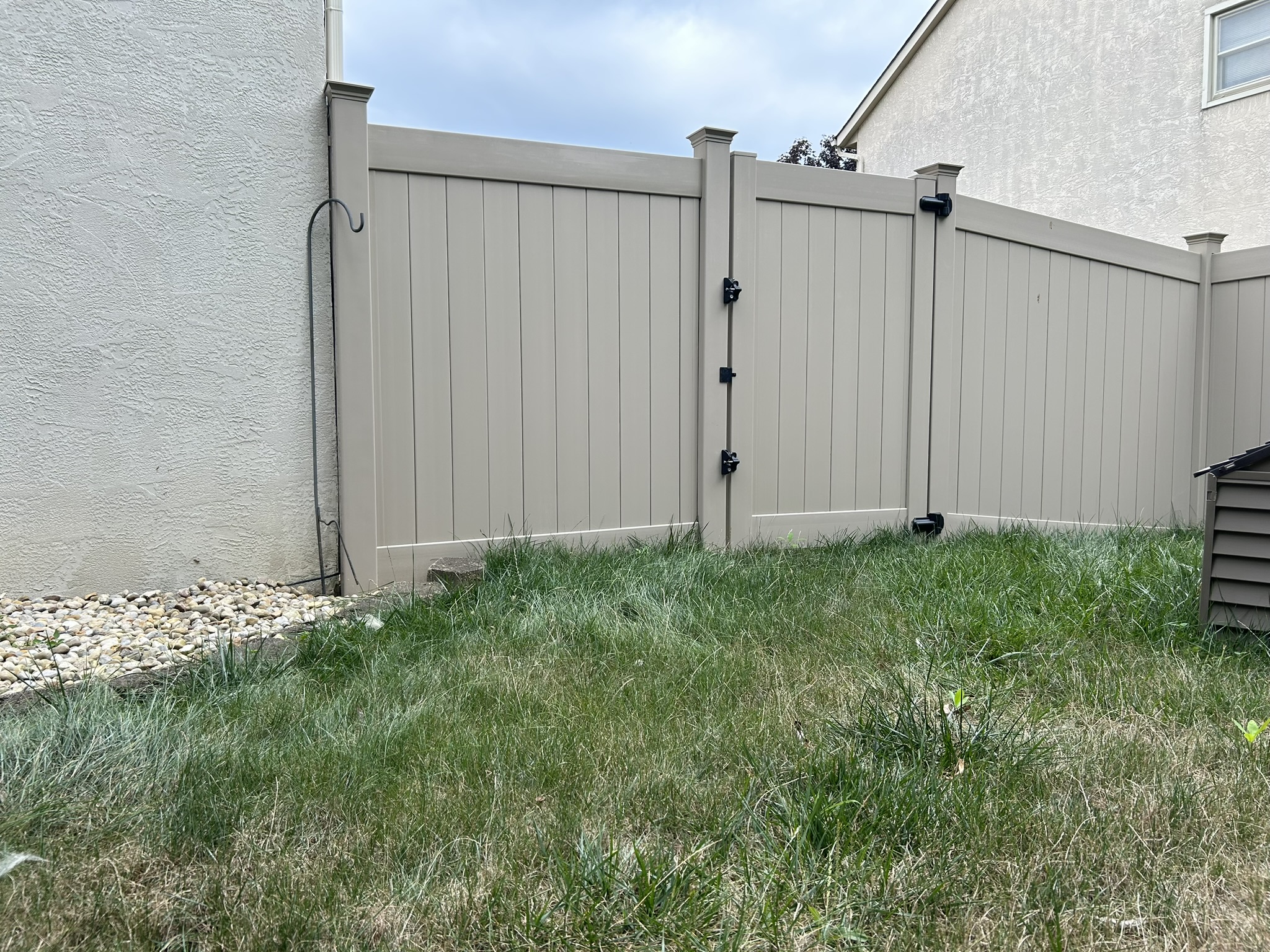
Proper installation practices are essential to ensure your fence stands the test of time. Here’s how to get it right from the start.
Importance of Property Line Surveys
A property line survey ensures your fence is placed correctly, avoiding disputes with neighbors. This step is crucial prior to installation. A surveyor will mark the exact boundaries of your property, giving you a clear guide for where your fence should go. Skipping this step can lead to costly legal issues if your fence encroaches on another’s property. It’s a small investment that can prevent big problems.
Ohio 811 Utility Locate Process
Before you dig, it’s essential to contact Ohio 811 to mark underground utilities. This free service prevents dangerous and costly damage to utility lines. Knowing where these lines are located ensures your digging is safe and legal. Failing to call can lead to fines, or worse, accidents. This step is crucial for both safety and compliance, making it a must-do for any fencing project.
Professional Installation Tips
Hiring professionals ensures your fence is installed correctly and efficiently. They bring expertise and the right tools to handle any challenges. A professional team can provide valuable insights into material choice and design, ensuring your fence meets both aesthetic and functional needs. Their experience reduces the risk of errors that could lead to future repairs. Opting for professional installation is an investment in quality and peace of mind.
Frequently Asked Questions
How do I find out if I need a permit for my fence?
Check with your local county’s building department or visit their website for specific requirements. In Franklin County, permits are generally required for new fence installations.
What are the HOA rules for fences in Ohio?
HOA rules vary, so it’s important to review your community’s guidelines. These will specify restrictions on fence height, material, and color.
Why should I consider a property line survey?
A property line survey ensures your fence is placed within your legal property boundaries, preventing disputes with neighbors over encroachment.
What is the Ohio 811 process and why is it important?
The Ohio 811 process involves marking underground utilities before digging. This step is crucial to prevent damage to utilities and ensure safety.
What are the benefits of hiring professionals for fence installation?
Professionals bring expertise and tools to ensure a correct, efficient installation, minimizing the risk of errors and future repairs.