Weathering the Storm: Choosing the Right Fence Material for Ohio’s Climate
Ohio’s weather puts fences to the test every year, from harsh winters to humid summers. Choosing the right fence material can save you time and money down the road. In this post, you’ll learn how different fence materials Ohio homeowners trust hold up against local conditions—and how to prepare your fence for lasting strength. Let’s explore the best weather-resistant fences for Central Ohio properties. For more insights into how weather impacts fences, check out this resource.
Understanding Ohio’s Weather Challenges
Ohio’s climate can be a tough adversary for fences. With harsh winters and humid summers, the local weather patterns play a significant role in determining the longevity of your fence. Let’s dig into how this climate affects your fencing choices.
Ohio’s Climate Impact on Fences
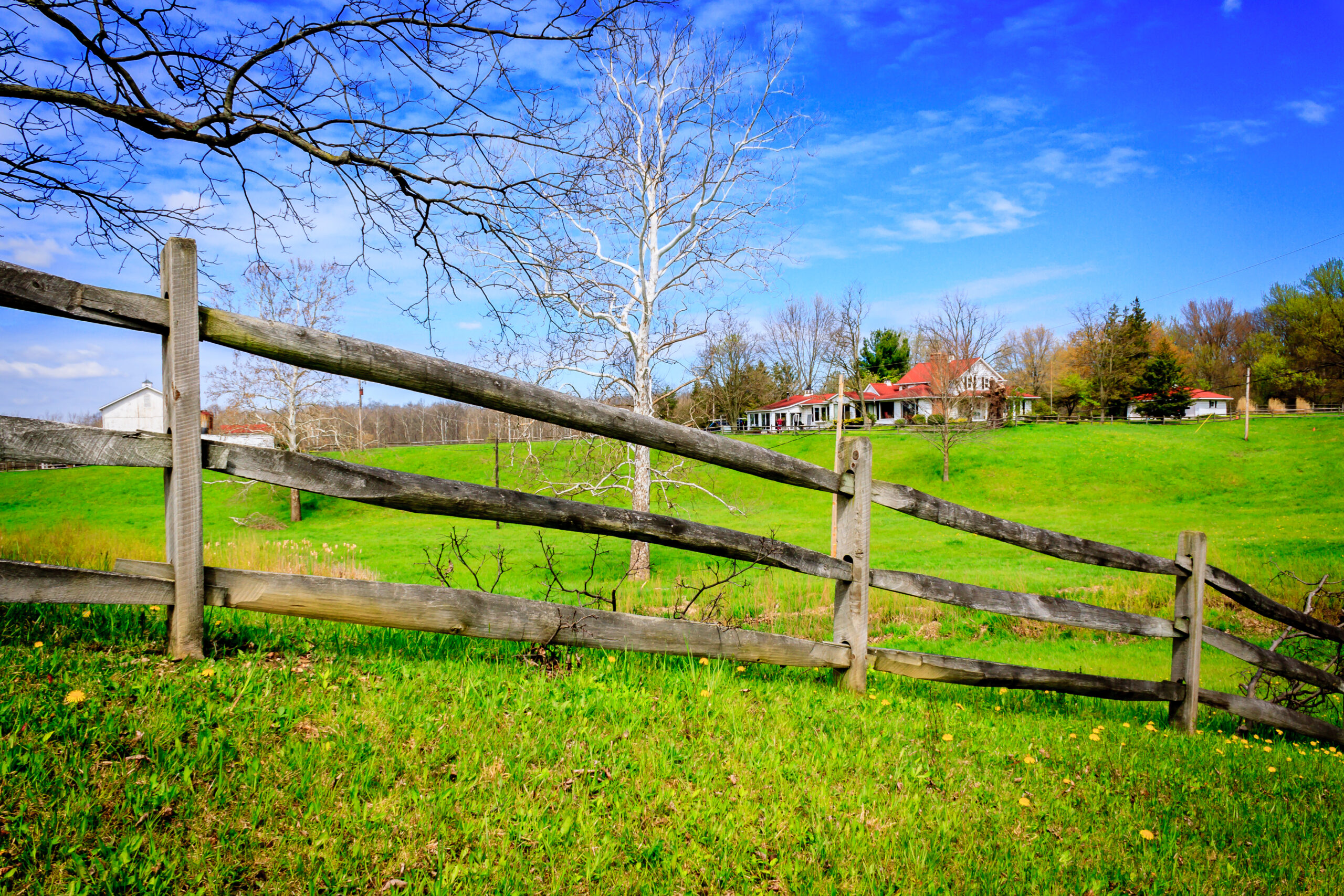
Heavy snowfall, ice buildup, and constant freeze-thaw cycles can wreak havoc on many Ohio fence materials. Wood, for example, may warp and rot if not properly treated. Vinyl fences, on the other hand, might become brittle in the cold. Durable fences in Columbus often need extra protection from these elements to maintain their integrity. For homeowners, understanding these impacts is crucial. The fence you choose must withstand the climate to prevent frequent repairs or replacements.
Common Weather-Related Fence Issues
Many in Central Ohio face common problems like rust on metal fences or fading colors on vinyl. Wood fences might develop mold in damp conditions, creating an eyesore. To tackle these issues, consider how each material performs year-round. For instance, untreated wood absorbs moisture, leading to rot and decay—problems that can be minimized with proper care. Addressing these issues early can extend the life of your fence and keep your property looking its best.
Choosing the Right Fence Material
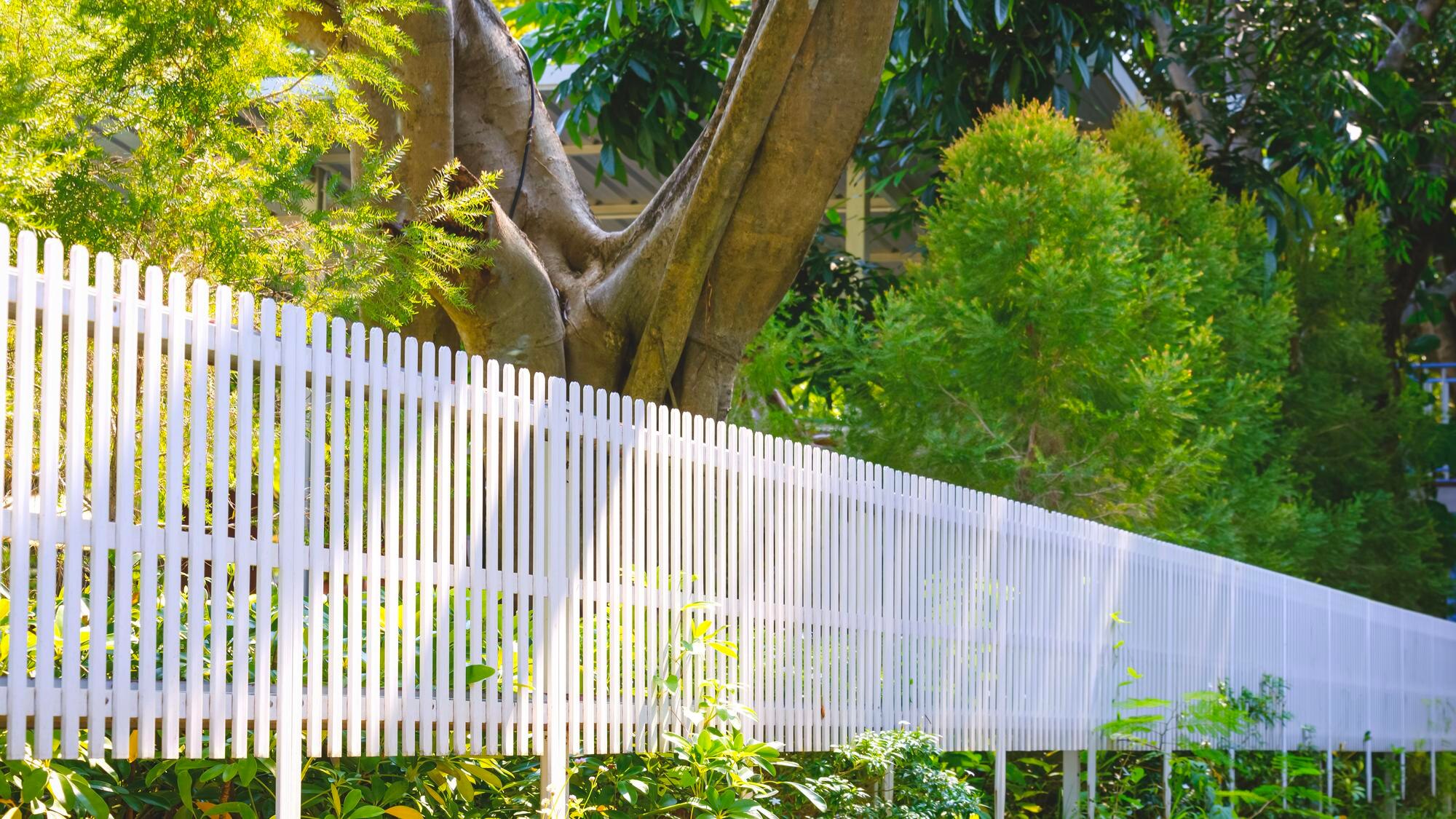
Selecting the right material is half the battle won. Each material comes with its own pros, cons, and durability factors. Here’s how you can make an informed decision that suits your needs.
Wood vs. Vinyl: Pros and Cons
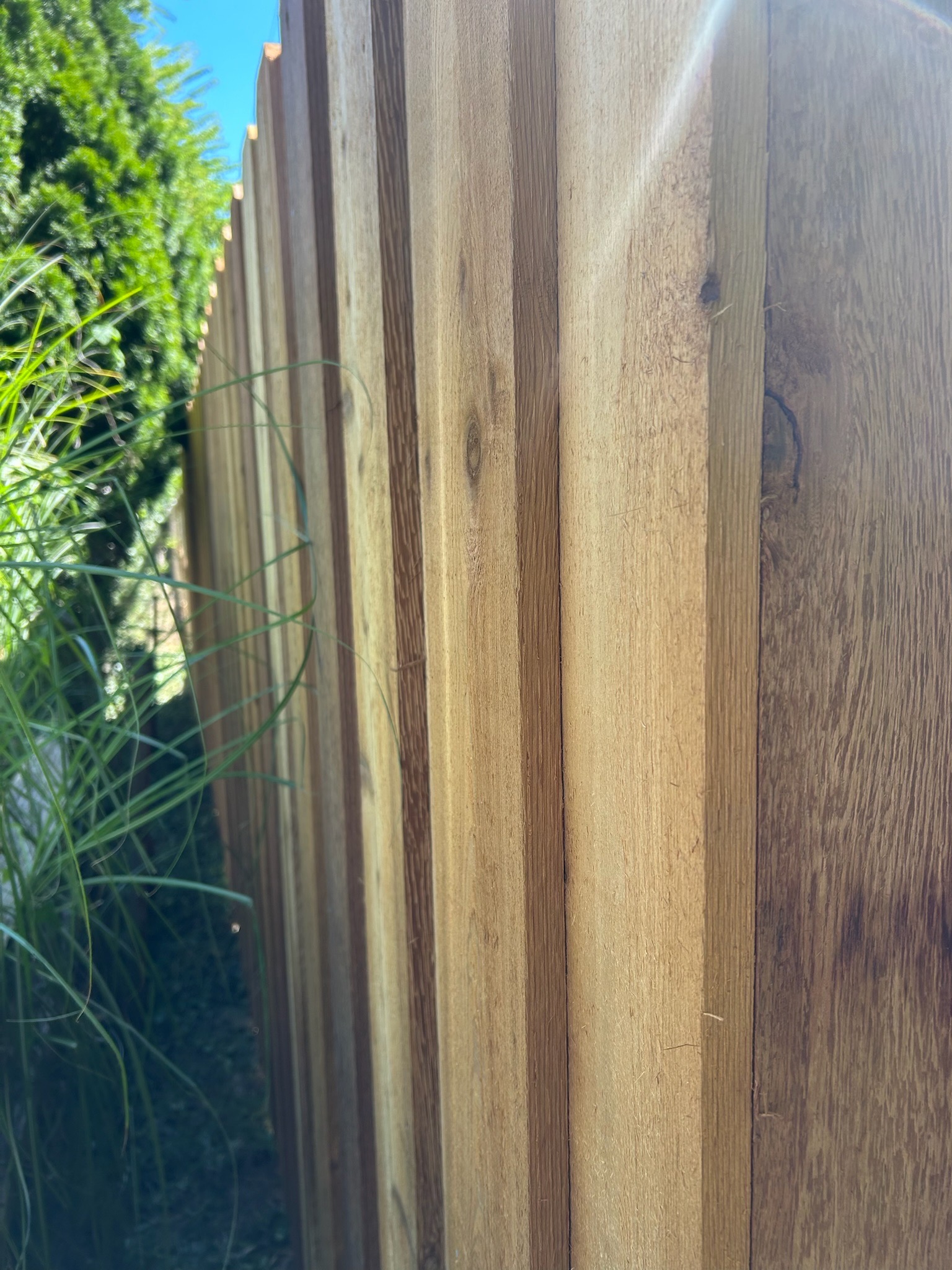
Wood fencing offers a classic look that many homeowners love. It’s versatile and can be painted to match your home. However, it requires regular maintenance to prevent weather damage. Vinyl, in contrast, is low-maintenance and resists pests. Yet, it can become brittle in cold Ohio winters. Fence materials in Ohio should balance aesthetics and resilience. While wood may require more upkeep, its natural beauty is unmatched. Vinyl’s ease of care makes it appealing for those with busy lifestyles. Weigh these factors when choosing which works best for your property.
Aluminum and Chain Link Durability
Aluminum fences and chain link fences offer durability that stands up well to Ohio’s elements. Aluminum is resistant to rust and retains its appearance over time. Chain link fences provide robust security without obstructing views. Both options are excellent for those prioritizing low upkeep and long-term value. While chain link might lack the visual appeal of wood or vinyl, its practicality is hard to beat. Aluminum, with its sleek finish, offers a modern look that doesn’t compromise on strength. These materials are ideal for those seeking dependable solutions that require minimal effort.
Preparing and Maintaining Your Fence

Once you’ve chosen your material, preparation and maintenance are key. Proper care ensures your fence weathers the storm and remains in top shape.
Tips for Weatherproofing Fences
Weatherproofing is your first line of defense. For wood fences, sealing is crucial. Apply a sealant before the rainy season to protect against moisture. Vinyl fences benefit from a gentle cleaning routine to prevent dirt buildup. Both types can be fortified against the elements with these simple steps:
-
Seal and stain wood annually to prevent rot.
-
Clean vinyl surfaces with soapy water to maintain their look.
-
Inspect for damage regularly and make timely repairs.
Taking these steps will prolong the life of your fence and save you money in the long run.
Seasonal Maintenance Advice
Seasonal checks ensure you’re ahead of any potential issues. In winter, clear snow and ice from your fence to avoid weight damage. Spring is ideal for inspecting and repairing any winter damage. Summer maintenance includes checking for insect infestations, especially in wooden fences. Finally, autumn is a good time to apply protective treatments before the cold sets in. Adopting this routine can vastly increase your fence’s longevity, keeping it sturdy and attractive for years to come.
By choosing the right material and following these preparation and maintenance tips, you can ensure your fence is ready to face Ohio’s challenging weather head-on. For further guidance on protecting your fence in wet weather, explore more here.