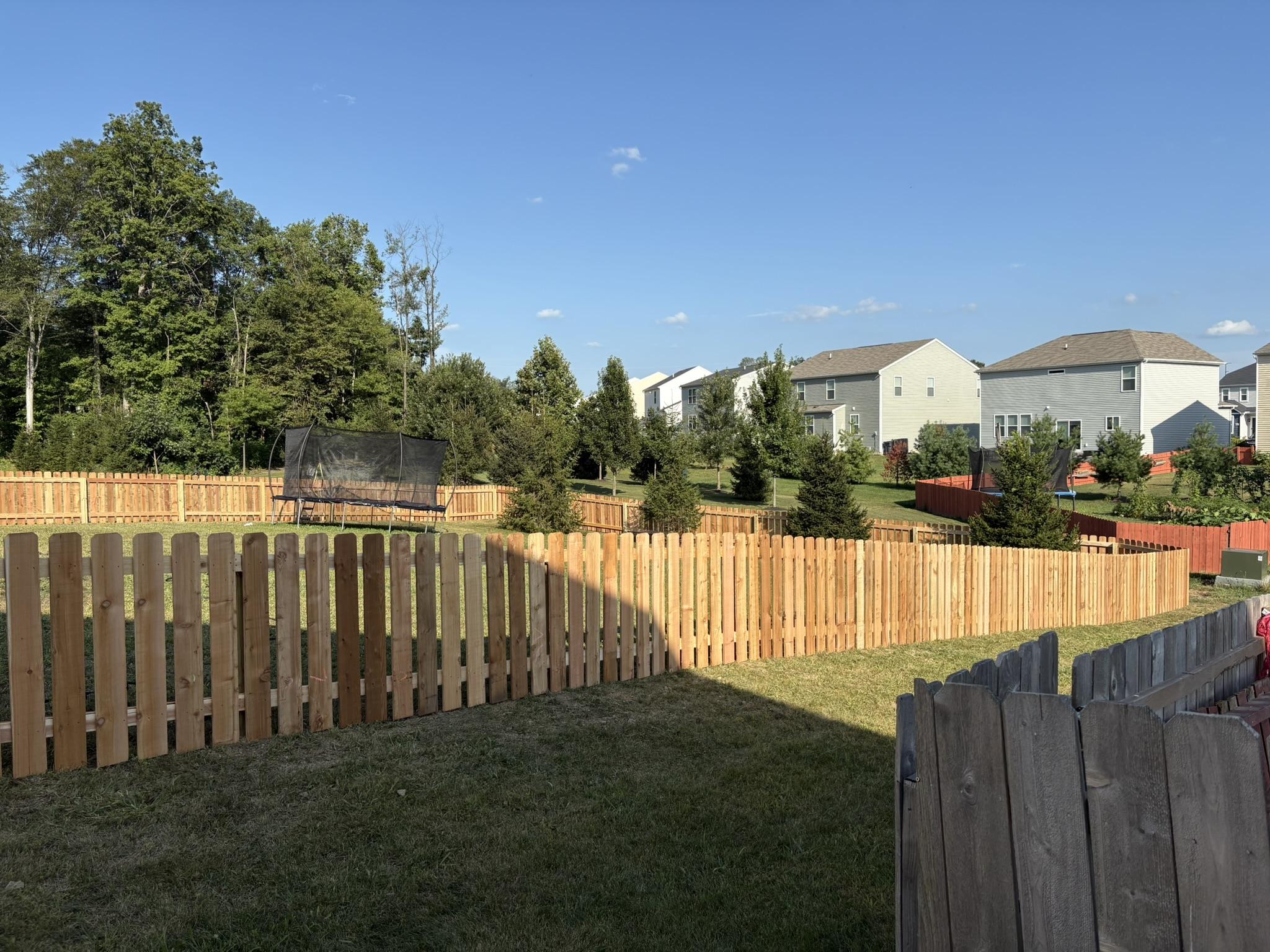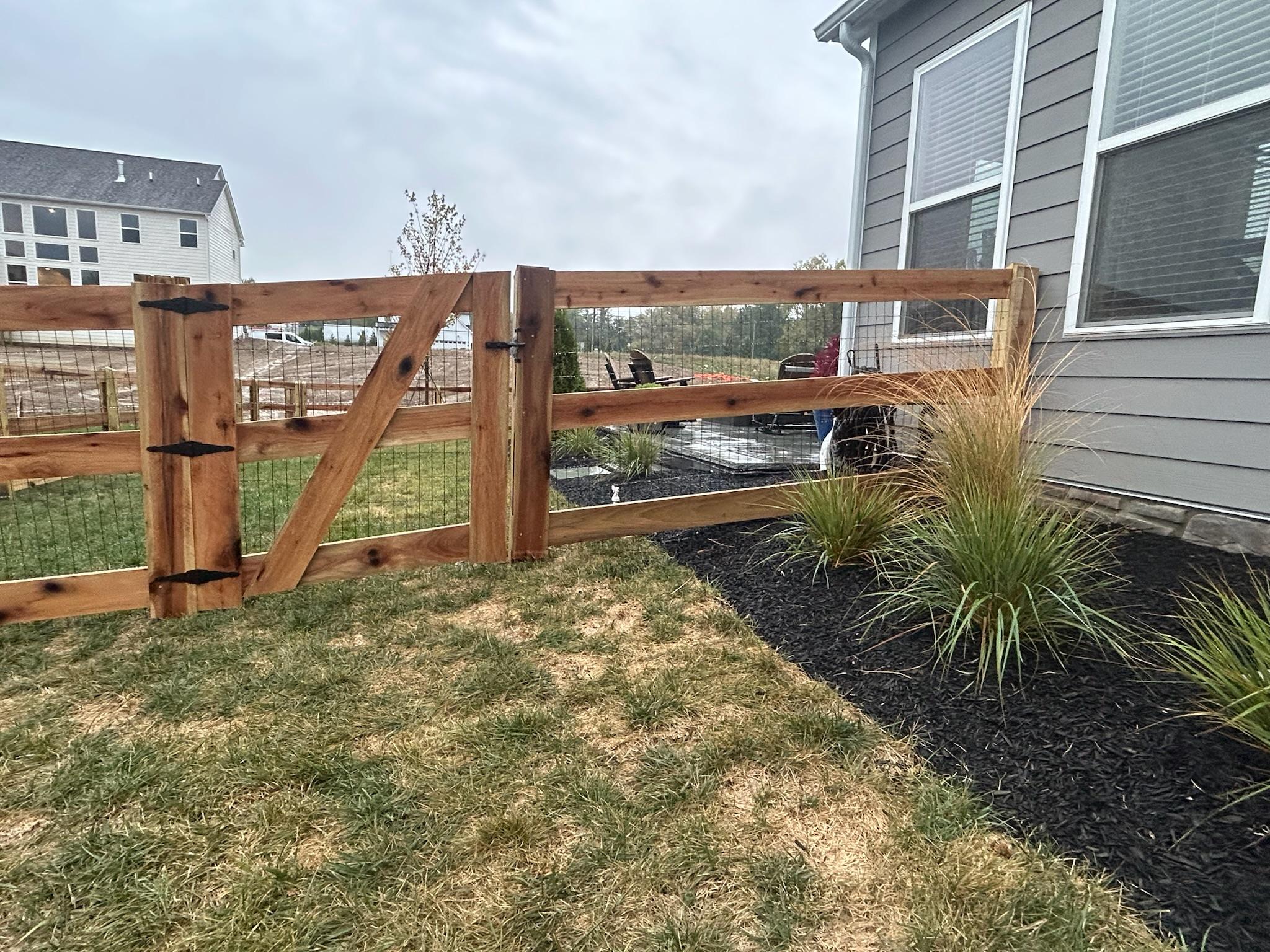

Quick Summary
Routine fence maintenance helps protect appearance, stability and performance while giving small problems less time to develop into larger repairs. Central Ohio property owners should inspect fencing throughout the year, keep the fence line clean and dry, address loose or damaged components promptly and use care methods suited to the material. Wood, vinyl, aluminum and chain link fences each have different maintenance needs, so a practical schedule should account for the fence type, site conditions and seasonal weather.
A fence works year-round. It defines property boundaries, supports privacy and security and contributes to curb appeal, but exposure to moisture, temperature changes, wind, vegetation and everyday use can gradually affect how it looks and performs. A consistent fence maintenance routine helps catch problems before they become larger structural issues.
Central Ohio’s changing seasons make preventive care especially useful. The right approach depends on the material, age, installation and site conditions, so maintenance should focus on inspection, cleaning, moisture control and timely repairs rather than a one-size-fits-all schedule.
Build a Fence Maintenance Routine for Central Ohio
Routine care is most effective when it is simple enough to repeat. Walk the fence line several times during the year and after severe weather, paying attention to posts, panels, rails, gates, hardware and the ground around the fence. Early attention to movement, corrosion or damaged components can reduce the chance that a small problem spreads into adjacent sections.
Inspect Posts, Panels and Hardware Regularly
Look for leaning or loose posts, cracked or warped boards, separated panels, loose fasteners and gates that no longer hang or latch correctly. A post that moves more than expected can place additional stress on connected sections, while a dragging gate can strain hinges and hardware.
Inspection is also a good time to look for changes in the soil around posts. Erosion, standing water or repeated freeze-thaw movement can affect stability. If a section has shifted significantly, correcting the underlying cause is more important than simply forcing the fence back into alignment.
Keep the Fence Line Clean and Manage Moisture
Leaves, soil, grass clippings and dense vegetation can hold moisture against fencing. Clear debris from the base and trim plants that continually rub against panels or block airflow. Good drainage near the fence line can also reduce prolonged moisture exposure around posts.
Cleaning methods should match the material. Mild soap and water are appropriate for many routine jobs. If pressure washing is used, keep the pressure conservative and test a small area first because excessive force can damage wood fibers, coatings or finishes.
Use Protective Treatments Where the Material Requires Them
Wood may benefit from a suitable stain or water-repellent sealer once the surface is properly prepared and dry. Metal components should be checked for damaged finishes or developing corrosion. Vinyl and aluminum generally require less surface treatment, but they still benefit from cleaning and inspection of posts, fasteners and gates.
Follow the coating or material manufacturer’s instructions rather than applying products on a fixed calendar. Sun exposure, shade, drainage and prior treatments can change how often a fence needs renewed protection.
Fence Care Tips by Material
Different fence materials age differently. Matching maintenance to the material helps preserve performance without doing unnecessary work or using products that could cause damage.
Wood Fence Maintenance
Wood fencing offers a natural appearance and flexible privacy designs, but it typically requires more routine care than vinyl or aluminum. Inspect boards and posts for splitting, warping, soft areas, insect activity and fasteners that have worked loose.
Keep soil, mulch and wet vegetation from remaining against the boards. Clean the surface before applying stain or sealer and replace severely damaged boards rather than allowing them to transfer stress to nearby rails or posts. If a section remains wet for long periods, address drainage or vegetation as part of the repair.
Vinyl Fence Maintenance
Vinyl fencing is valued for relatively low routine maintenance. Dirt, pollen and organic buildup can usually be removed with water and a mild cleaner. Inspect for cracks, impact damage, loose caps and panels that have shifted after weather or ground movement.
Avoid abrasive tools or harsh chemicals unless the manufacturer specifically allows them. Vinyl does not need painting or staining, so maintenance is mainly about cleaning, keeping components aligned and replacing damaged pieces when necessary.
Aluminum Fence Maintenance
Aluminum fencing combines an open appearance with low upkeep. Wash away dirt and residue, inspect the finish for chips or scratches and check that rails, pickets, posts and gate hardware remain secure.
Aluminum resists rust, but hardware and nearby components may use other metals. Address damaged coatings and loose fasteners promptly, especially around gates where repeated movement concentrates wear.
Chain Link Fence Maintenance
Chain link fencing should be checked for bent fabric, loose tension, damaged ties, leaning posts and gate problems. Remove vegetation that grows into the mesh because it can add weight and make inspection more difficult.
On galvanized or coated systems, look for areas where the protective finish has been damaged. Minor corrosion is easier to address early than after it spreads across fittings, posts or sections of mesh.
Repair Small Fence Problems Before They Spread
Maintenance and repair overlap. Cleaning and inspection preserve the fence, while repair restores a component that is already damaged or no longer working correctly. Prompt repairs can protect surrounding sections and help maintain the fence’s intended security, privacy and appearance.
Loose Posts, Rails and Panels
A loose fastener or isolated board is often straightforward to correct. A leaning post is different because it may point to soil movement, rot, impact damage or a failing footing. Repeatedly tightening surface hardware will not solve a post that has lost structural support.
Check alignment across the entire section before repairing one piece. When multiple panels sag in the same direction, the cause may be shared by the posts or grade rather than the panels themselves.
Rust, Corrosion and Damaged Finishes
Small rust spots on appropriate metal components can often be cleaned and protected before they spread. Remove loose corrosion with a suitable tool, prepare the surface and use a compatible primer or coating. If corrosion has significantly thinned a structural component, replacement may be safer than a cosmetic repair.
Gate Problems and Repeated Movement
Gates deserve extra attention because they move every time the fence is used. Watch for sagging, dragging, loose hinges, misaligned latches and posts that shift under the gate’s weight. A gate that suddenly stops closing correctly may be an early sign of movement elsewhere in the opening.
Use the Seasons as a Practical Maintenance Calendar
Central Ohio weather creates different maintenance priorities through the year. A seasonal routine makes it easier to remember the important checks without over-maintaining the fence.
Spring: Clean and Assess Winter Damage
Clear winter debris, wash away dirt and inspect for shifted posts, cracked components, rust, rot and drainage problems. Spring is also a useful time to see whether gate alignment changed after freeze-thaw cycles or saturated soil.
Summer: Protect Surfaces and Control Vegetation
Dry weather can be a suitable time for wood staining or sealing when the product instructions and moisture conditions allow it. Trim back vegetation, check fasteners and keep vines or branches from adding weight or abrasion to the fence.
Fall and Winter: Reduce Moisture and Storm Risks
Remove leaves and other organic debris that collect along the fence base. Trim vulnerable branches before winter weather and check that posts and gates are stable. After major wind, snow or ice events, inspect the fence again for movement or impact damage.
Know When Repair Is Enough and When Replacement Makes More Sense
An isolated damaged board, loose fitting or small section of corrosion may justify a targeted repair. Replacement becomes more practical when damage is widespread, posts repeatedly fail, large portions are rotted or corroded or the fence no longer meets the property’s functional needs.
Age alone does not determine the answer. Material condition, installation quality, drainage, exposure and prior maintenance all matter. A professional assessment can help distinguish a repairable problem from a fence that would continue requiring repeated fixes.
When Professional Fence Help Is Worth It
Homeowners can handle many cleaning and inspection tasks, but structural movement, extensive damage, difficult gates and uncertain post conditions may require more experience. Professional evaluation can also help when a repair affects several connected sections or when the property has unusual slopes or layout constraints.
Murphy Fence LLC brings more than 20 years of fencing experience to residential and commercial projects in Central Ohio. The company works with wood, vinyl, aluminum, chain link and custom fencing solutions, allowing recommendations to account for the material and the way the fence is actually used.
Property owners across Murphy Fence LLC’s Central Ohio service areas can also use professional guidance when deciding whether an aging fence needs targeted repair, broader reinforcement or replacement with a material that better matches long-term maintenance preferences.
Protect Your Fence With Consistent, Material-Specific Care
The most effective fence maintenance plan is not complicated. Inspect the fence regularly, keep the fence line clean, manage moisture and vegetation, maintain finishes where needed and repair damage before it spreads. These habits support appearance, stability and day-to-day performance across Central Ohio’s changing seasons.
If your fence has loose posts, repeated gate problems, significant rot or corrosion or damage that extends across multiple sections, Murphy Fence LLC can help you evaluate the next step and choose a solution that fits the property, material and long-term goals.
Frequently Asked Questions
How often should I inspect my fence?
Inspect it several times throughout the year and after severe weather. Pay particular attention to posts, gates, fasteners, damaged panels, corrosion, rot and drainage around the fence line.
What maintenance does a wood fence need?
Wood fences generally need periodic cleaning, inspection for rot or insect damage and renewed stain or sealer when the existing finish no longer provides adequate protection. Keep soil, leaves and wet vegetation away from the boards whenever possible.
Can I pressure wash my fence?
Pressure washing can be appropriate for some fences, but excessive pressure can damage wood fibers, coatings or finishes. Use a conservative setting, keep a safe distance and test a small area first. Follow the material or manufacturer guidance when available.
How do I prevent rust on a metal fence?
Inspect metal components for chipped coatings and early corrosion. Clean small rust spots, prepare the surface and apply a compatible rust-inhibiting primer or protective coating. Replace parts that have significant structural corrosion.
When should I repair a fence instead of replacing it?
Repair usually makes sense when damage is isolated and the posts and surrounding sections remain sound. Replacement may be more practical when damage is widespread, structural posts repeatedly fail or the fence no longer provides the privacy, security or function the property requires.