
Quick Summary
A successful fence project starts before installation day. Property size, material choice, gates, site conditions, local requirements and contractor scheduling all affect both cost and timing. For Columbus property owners, the most practical approach is to define the fence purpose, confirm the layout, compare material options, build a realistic budget and allow time for approvals, ordering and weather. Working with an experienced local fence contractor can help identify cost drivers early and create a schedule that reflects the actual property rather than an idealized timeline.
Planning your fence installation budget and timeline together makes the project easier to manage. A material that costs less initially may require more maintenance later, while a highly customized layout may need more design and installation time. The property itself can also change the scope through slopes, access limitations, existing landscaping or unusual boundaries.
For homeowners and businesses in Central Ohio, a clear plan helps reduce last-minute changes and makes it easier to compare options. Murphy Fence LLC works with property owners to match the fence design, material and installation approach to the site, intended use and available budget.
Start With the Purpose and Scope of Your Fence
Before comparing prices, define what the fence needs to accomplish. Privacy, pet containment, security, curb appeal, property definition and commercial access control can lead to very different layouts. The clearer the goal, the easier it is to avoid paying for features that do not support the project.
Measure the Property and Identify Site Conditions
Fence length is one of the biggest drivers of material and labor needs, but total footage is only part of the picture. Corners, grade changes, retaining walls, narrow access, trees and existing structures can affect how the fence must be laid out and installed.
Property lines should also be verified before work begins. If boundaries are uncertain, a survey or other appropriate documentation may be needed. Confirming the layout early can prevent redesigns, neighbor disputes and avoidable schedule changes.
Decide Where Gates and Access Points Belong
Gate count, width and placement can influence both cost and daily usability. A backyard gate used by people and pets has different requirements from a wider opening for lawn equipment or vehicles. Commercial projects may also need carefully planned access points for employees, customers, deliveries or service areas.
Build a Fence Budget Around the Full Project
A useful fence budget covers more than panels and posts. Materials, labor, gates, removal of an existing fence, site preparation, permit or approval costs where applicable and property-specific challenges can all affect the final scope. A detailed estimate is more useful than a simple cost-per-foot assumption because it reflects the actual project.
Compare Upfront Cost With Long-Term Maintenance
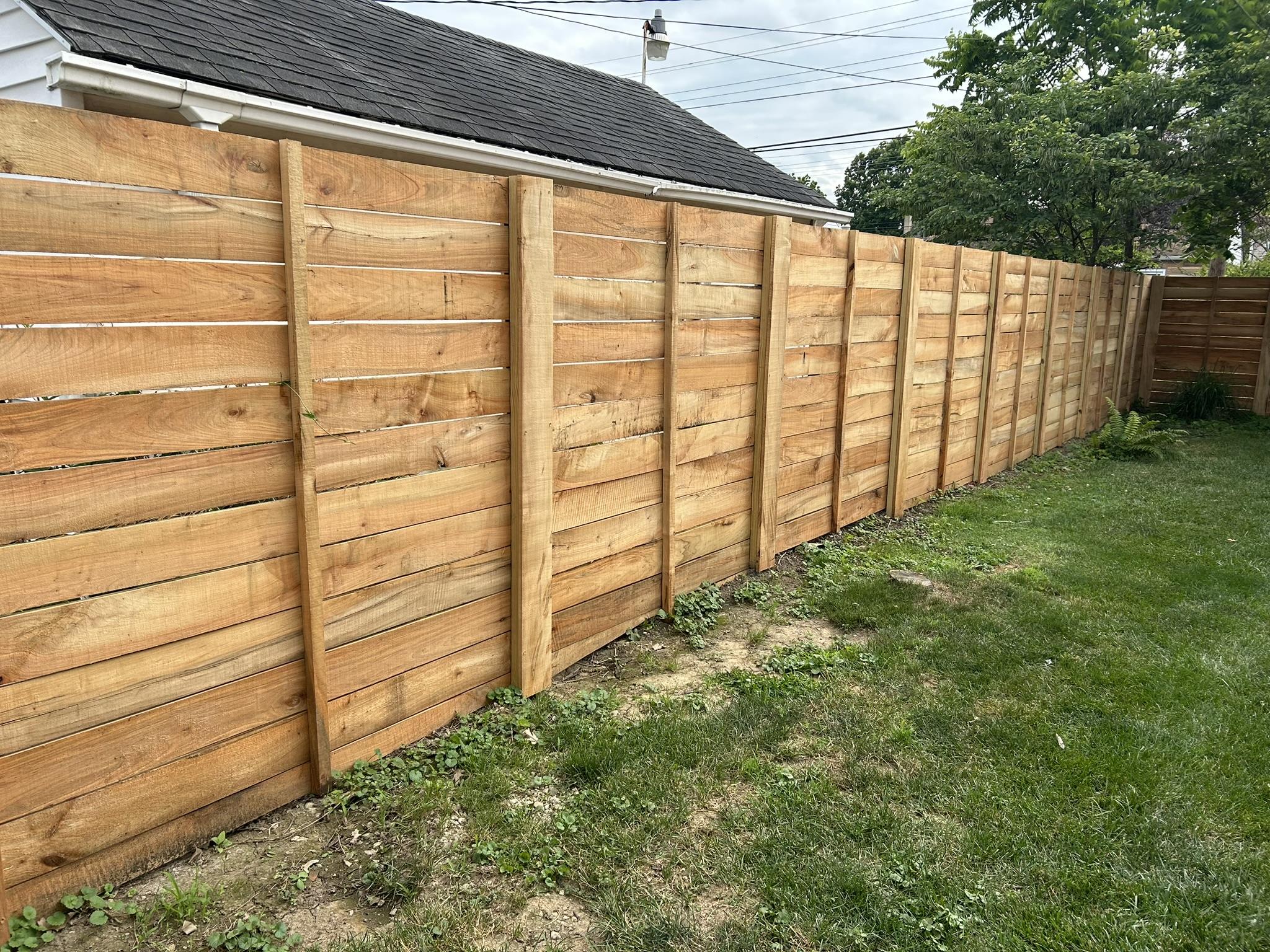
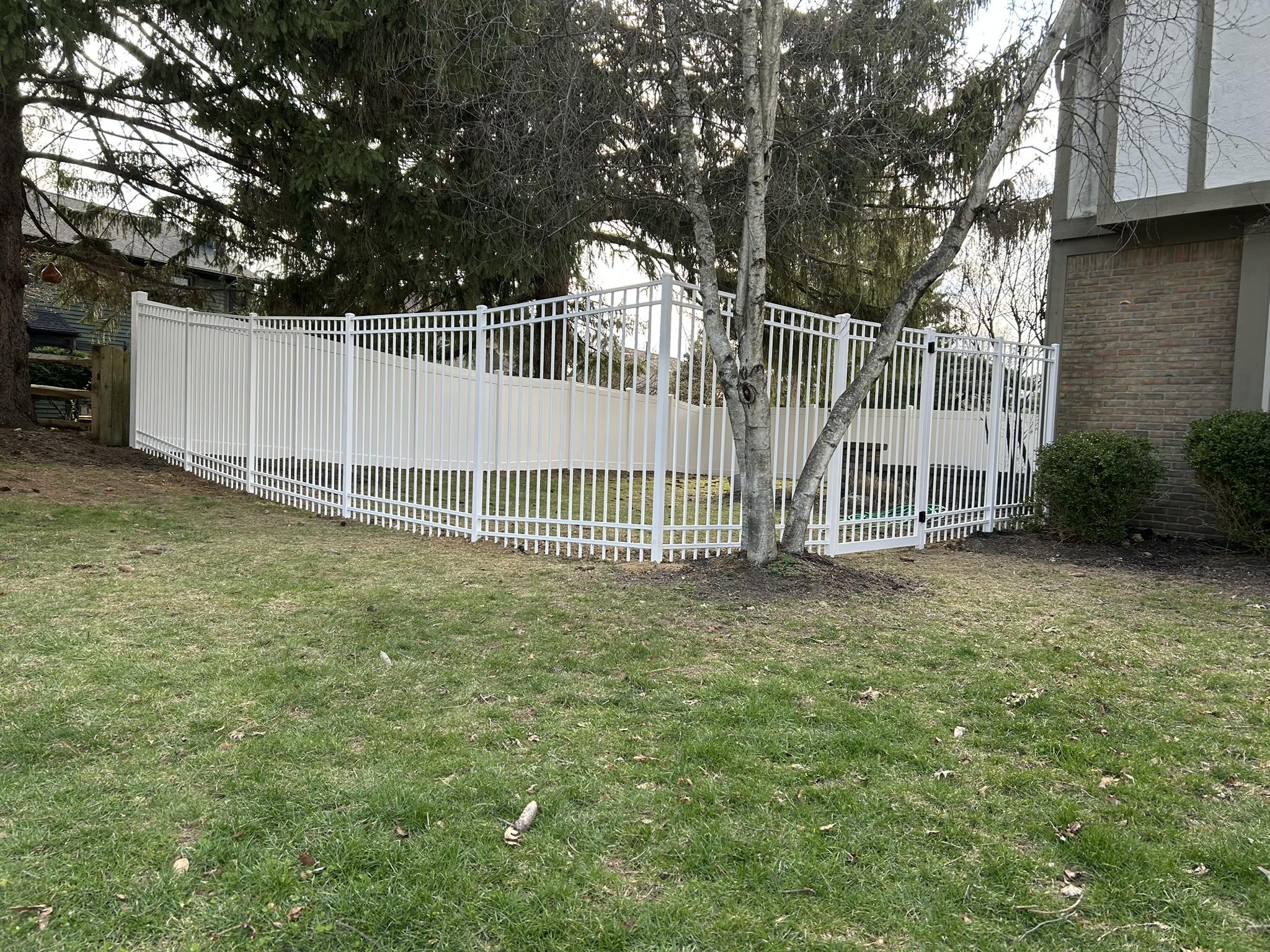
Different fence materials shift costs in different ways. Wood fencing offers a traditional appearance and design flexibility, but it generally requires periodic care. Vinyl fencing is often selected for low routine maintenance, while aluminum fencing provides an open, finished look with corrosion resistance.
Chain link fencing can be a practical choice when perimeter definition, security or pet containment matters more than solid privacy. The right comparison should consider the purchase price, expected upkeep and how well the material fits the purpose of the fence.
Leave Room for Property-Specific Costs
A realistic budget should include some flexibility for conditions that are difficult to see until the project is assessed. Dense roots, hard soil, changes in grade, demolition needs or adjustments required by the final layout can affect labor or materials. Building a modest contingency into the plan gives the project room to absorb legitimate changes without immediately disrupting the overall budget.
Use Customization Where It Adds Real Value
Custom details can improve the function and appearance of a fence, but they should serve a clear purpose. Decorative elements, mixed materials, privacy sections or unusual gate configurations may be worthwhile where they solve a site problem or support the look of the property. Custom fencing is most useful when the property or project goals genuinely require a tailored solution.
Create a Realistic Fence Installation Timeline
The installation itself may be only one part of the overall project timeline. Consultation, measurements, material decisions, approvals, material availability, scheduling and weather can all happen before the first post is set. Starting with the desired completion date and working backward can help identify when decisions need to be made.
1. Consultation and Site Review
The planning stage should establish the fence purpose, approximate layout, material preferences, gate locations and any site constraints. This is also the right time to discuss budget priorities and whether the project has a firm deadline, such as a move-in date, event, business opening or seasonal need.
2. Property Lines, Utilities, Permits and HOA Rules
Administrative steps can affect the schedule if they are left until the last minute. Property owners should confirm applicable local requirements, private deed restrictions and HOA rules where relevant. Utility locating and any necessary permit or zoning review should also be completed before installation begins.
Requirements vary by jurisdiction and property, so a timeline should allow time to verify what applies rather than assuming a nearby project followed the same rules.
3. Material Selection and Ordering
Common materials may be available quickly, while specific colors, styles, gate hardware or custom components can require additional lead time. Finalizing selections early gives the contractor a better chance to coordinate ordering with the planned installation window.
4. Scheduling Around Weather and Contractor Availability
Central Ohio weather can affect outdoor construction. Heavy rain, frozen ground and other site conditions may slow excavation or installation. Contractor availability also changes throughout the year, so projects with a specific completion target should be scheduled early enough to allow for normal variability.
5. Installation and Final Walkthrough
Once the site is ready and materials are available, installation can move through layout, post setting, fence assembly and gate installation. The exact duration depends on project size, material, terrain and complexity. A final walkthrough provides an opportunity to review gate operation, alignment and any care guidance associated with the selected fence system.
How Material Choice Affects Both Budget and Schedule
Material selection is one of the strongest links between cost and timing. It affects purchase price, maintenance expectations, installation methods and whether custom components are needed. The best choice is the material that fits the project priorities, not automatically the cheapest or most expensive option.
Wood
Wood offers a natural appearance and can be adapted to many privacy and decorative styles. It may be a good fit when design flexibility is important. Budget planning should account for future maintenance and the specific wood or finish selected.
Vinyl
Vinyl can provide solid privacy and a consistent appearance with relatively low routine maintenance. Upfront cost can differ from wood, so the decision should consider both initial budget and long-term upkeep. Specific colors or profiles may also affect product availability.
Aluminum
Aluminum is commonly chosen when property owners want an open view, a finished appearance and low routine maintenance. It can work well around landscaped areas and properties where visibility matters, though design and gate choices can influence the final price.
Chain Link
Chain link is often a practical option for larger perimeters, pets and commercial applications. Coatings, privacy slats, height and gate requirements can change both appearance and cost, so a project estimate should reflect the actual configuration rather than a generic chain link price.
Ways to Keep a Fence Project on Budget and on Schedule
Smart planning does not mean choosing the least expensive option at every step. It means making decisions early, limiting avoidable changes and directing the budget toward the features that matter most.
Finalize the Core Design Before Installation
Late changes to fence height, material, gate placement or layout can affect ordering and labor. Resolving these decisions during planning gives the contractor a stable scope and makes the estimate more meaningful.
Prioritize Function Before Decorative Upgrades
If the budget is limited, start with the fence purpose, structural needs and access points. Decorative details can then be evaluated based on the remaining budget. This helps protect the parts of the project that affect performance and daily use.
Request a Detailed, Property-Specific Quote
A useful quote should reflect fence length, material, gates and relevant site conditions. It should also make clear what is included in the proposed scope. Comparing detailed proposals is more useful than comparing a single headline price because it reduces the chance that important work is missing from one estimate.
Plan Early for a Fixed Completion Date
If the fence must be finished before a specific event or operational deadline, begin the planning process well in advance. Early planning provides time for decisions, approvals, ordering and weather-related flexibility without forcing the project into a rushed schedule.
Why Local Fence Planning Matters in Columbus
Murphy Fence LLC brings more than 20 years of fencing experience to residential and commercial projects in Central Ohio. Local familiarity can help property owners think through climate, site conditions, material choices and the practical sequence of a fence project.
The company offers wood, vinyl, aluminum, chain link, farm, custom and commercial fencing. A consultation gives homeowners and businesses an opportunity to discuss project priorities, compare options and develop a quote based on the actual property.
Plan Your Fence With Fewer Surprises
A fence project is easier to manage when the scope, budget and timeline are developed together. Define the purpose first, verify the site, choose a material based on both cost and maintenance, allow time for approvals and ordering and keep the design stable once installation is scheduled.
With a property-specific plan, you can make informed tradeoffs without sacrificing the features that matter most. Murphy Fence LLC can help Columbus-area property owners turn those decisions into a practical installation plan and a fence designed for the way the property will actually be used.
Frequently Asked Questions
How should I set a budget for a new fence?
Start with the fence purpose, approximate length, preferred material and required gates. Then include labor, site preparation, removal of an existing fence and any applicable approval costs. A property-specific quote is the best way to refine the budget because terrain and layout can change the scope.
How long does fence installation take?
The installation period depends on fence length, material, terrain, gate complexity and site conditions. The full project timeline can also include consultation, approvals, material ordering and contractor scheduling, so planning should begin before the desired installation date.
Which fence material is best for a limited budget?
The answer depends on the project. Chain link can be practical for larger perimeters and functional boundaries, while wood, vinyl and aluminum offer different combinations of privacy, appearance and maintenance. Compare both upfront cost and long-term upkeep before choosing.
What can delay a fence project in Columbus?
Weather, uncertain property lines, permit or HOA review, utility locating, material availability, site conditions and late design changes can all affect timing. Addressing these items early gives the project more scheduling flexibility.
Can Murphy Fence LLC help with both residential and commercial projects?
Yes. Murphy Fence LLC provides residential and commercial fencing options in Central Ohio, including wood, vinyl, aluminum, chain link and custom solutions. Project recommendations depend on the property, intended use and selected material.
Checklist for internal use: do not publish
SEO Writing Best Practices Checklist:
Yes/No Target keyword (or close semantic variation) appears in title, H1 & meta description (Please use the H1 from the Website plan when available) Yes Target keyword appears in first paragraph, but not more than 1x every 100 words afterward (no KW stuffing) Yes Detailed subheadings (h2s, H3s, etc) used including keywords. Summarize content when possible Yes Skimmable content. Uses SHORT (1-3 sentence) paragraphs and/or bullets, lists, etc. to break it up Yes Links to important internal pages are included (for instance, your top service or product pages) Yes Links to other relevant topics & blogs (Browse your sitemap for inspiration) No Outbound links included for references or claims if necessary to build credibility No Content is free of spelling & grammar mistakes Yes Content aligns with content style guide/brand guidelines. Yes Content is unique, not copied directly from any source, (including AI) Yes AI screenshot link attached at the top No
Implementation Best Practices:
Yes/No Ensure “blog/article” schema is implemented Ensure FAQ schema is implemented (if provided) Ensure any additional schema mentioned by PM in the task is implemented.