Fencing a slope or uneven yard in Columbus brings challenges that most property owners don’t expect. You need the right approach to handle fence grade changes, drainage, and local codes without surprises. In this guide, you’ll learn the differences between stepped fence vs racked fence, how to choose materials like vinyl or aluminum for slopes, and why working with a trusted Columbus fence contractor like Murphy Fence makes all the difference. For more insights, you can also explore fencing solutions for sloped or uneven land.
Understanding Fencing Options
When planning a fence installation for a sloped or uneven yard, it’s crucial to know your options. This section will guide you through choosing the right type of fence and materials.
Stepped Fence vs. Racked Fence
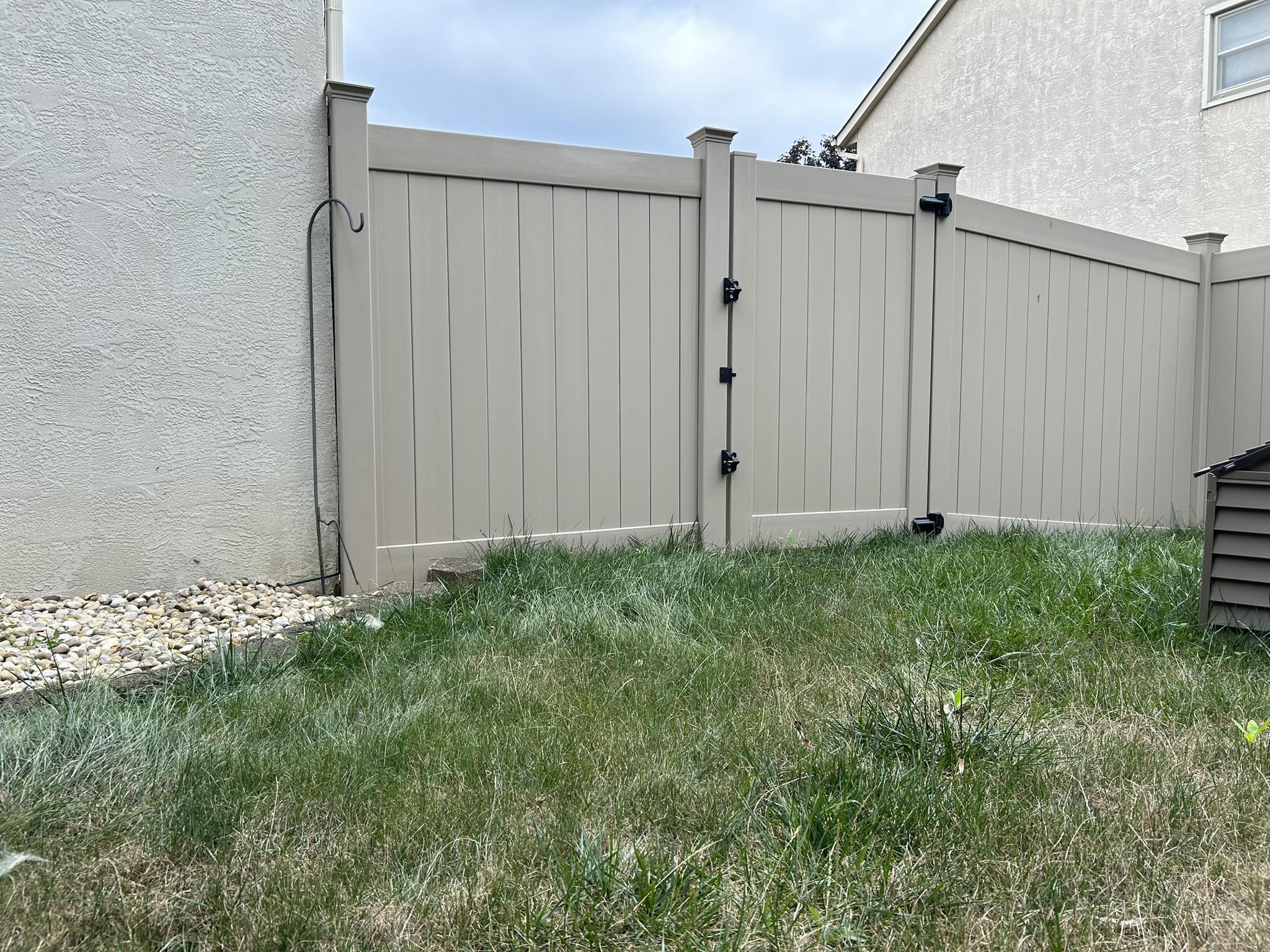
Deciding between a stepped or racked fence is a key step in your fencing journey. A stepped fence is built with panels that follow a stair-step pattern, ideal for steep slopes. Each panel remains level, creating a distinct, terraced look. This option is perfect if you want a uniform appearance with clear boundaries.
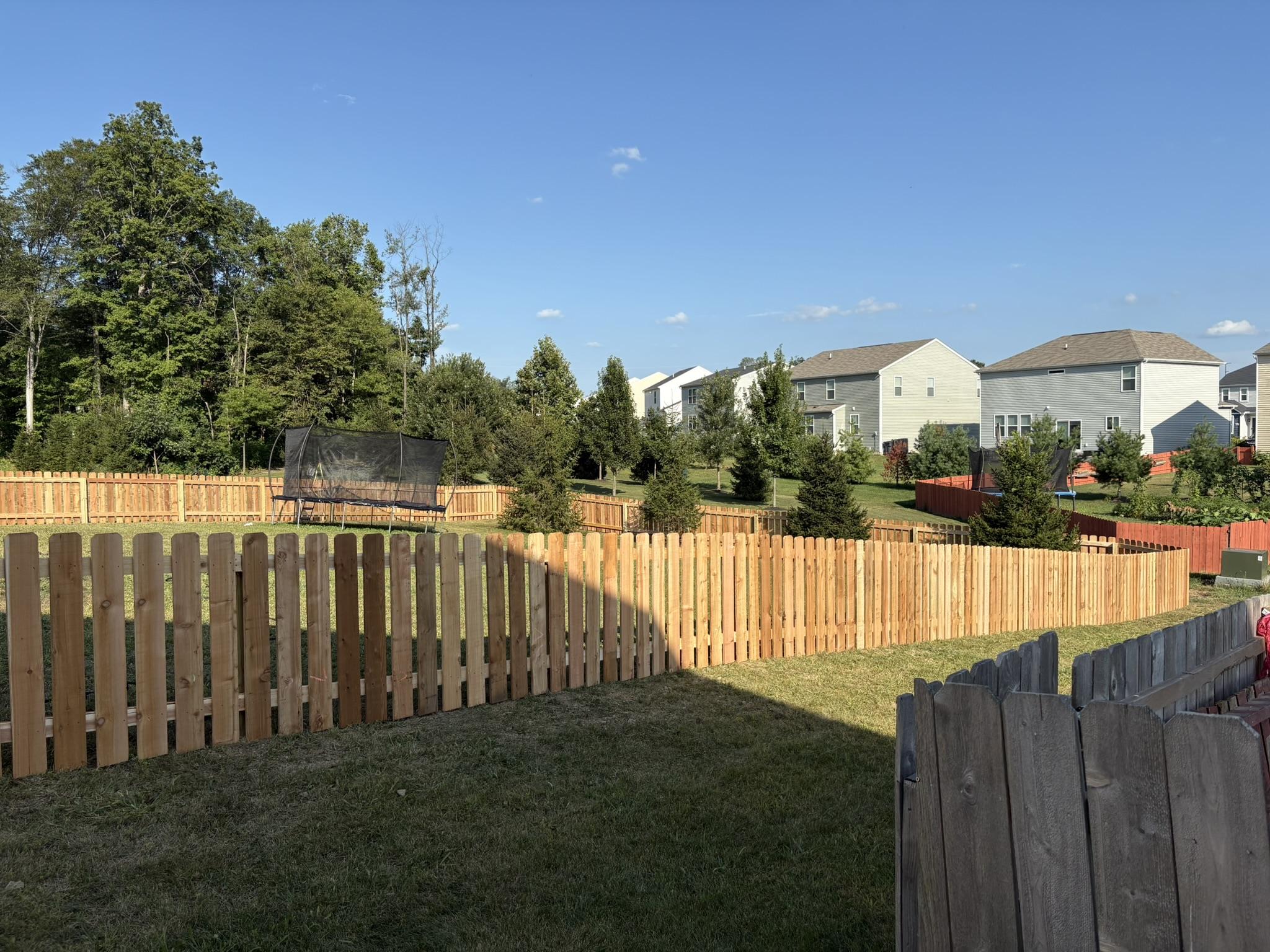
On the other hand, a racked fence adjusts to the slope by angling the panels, which allows the fence to flow smoothly with the land. This method is excellent for gentle slopes, providing a seamless look without gaps at the bottom. The decision between these two often comes down to your yard’s slope and personal preference. For more on adjusting fencing for different terrains, check out racking fencing sections.
Materials for Uneven Yards
Choosing the right materials can make all the difference in a sloped yard. Vinyl and aluminum are popular for their durability and low maintenance. Vinyl works well on slopes due to its flexibility and resistance to weather. Aluminum, being lightweight and rust-proof, is ideal for areas with more moisture.
Wood offers a classic look but requires more upkeep, especially on uneven ground. For a modern and sturdy option, consider a chain link fence, which can be easily adjusted to follow the land’s contours. To learn how to install a fence on uneven ground without gaps, visit Cool Cat Fence’s guide.
Privacy Fence on a Slope
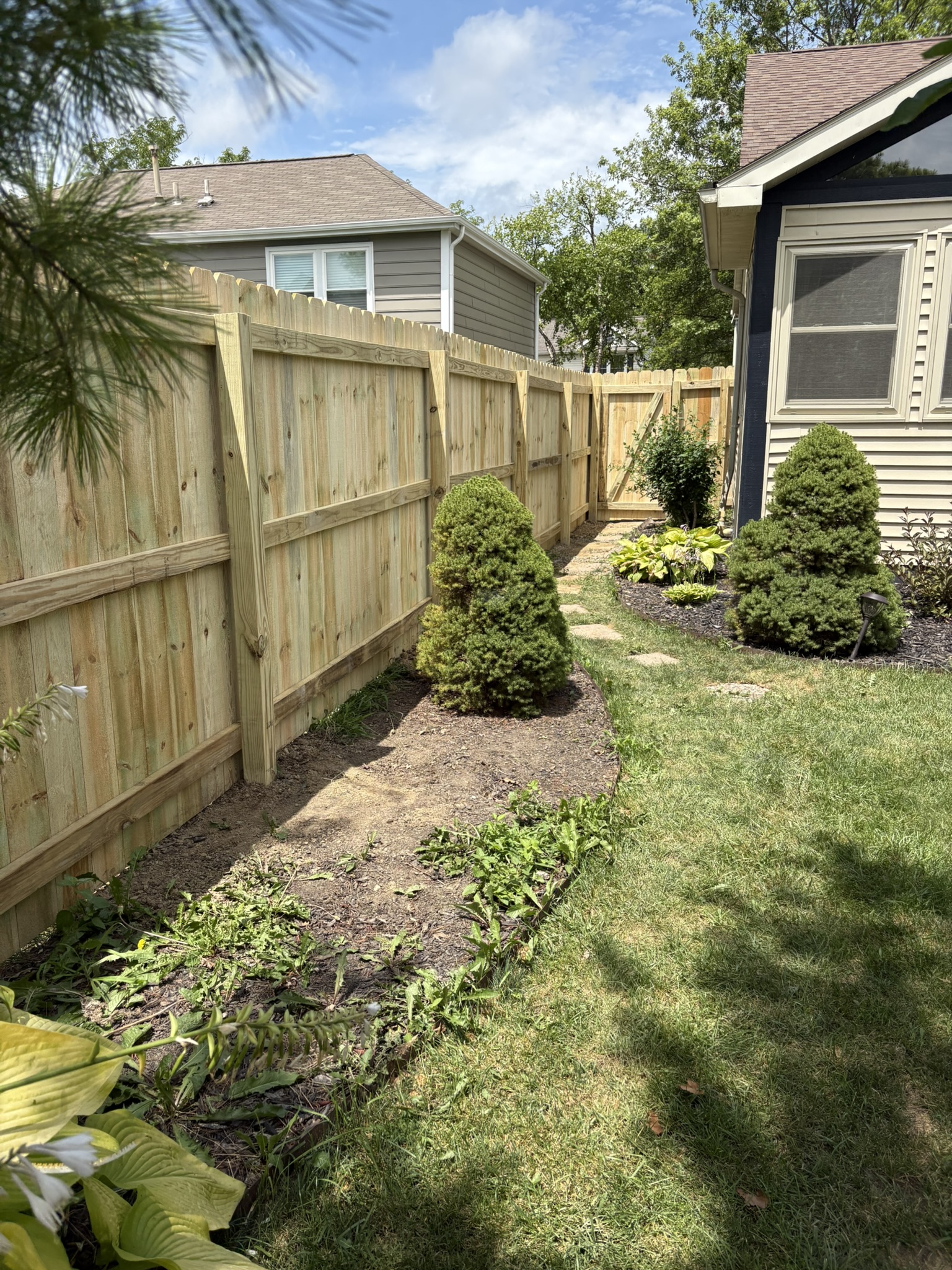
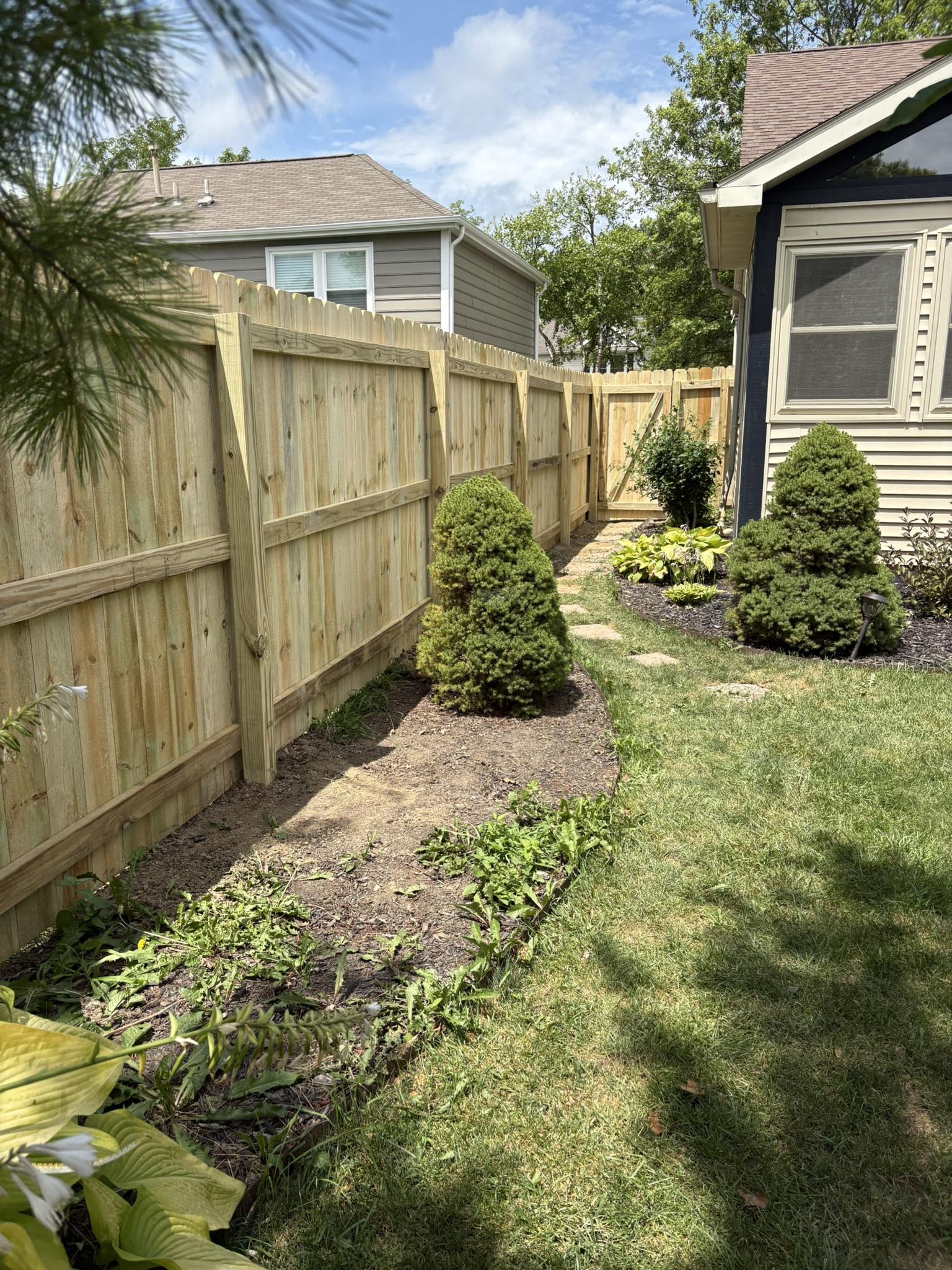
Privacy is often a top priority for homeowners. Installing a privacy fence on a slope can be tricky but rewarding. It requires precise planning and the right materials. A stepped design can provide clear privacy boundaries, while a racked fence can offer a more natural look.
Consider how each option will fit with your landscape and privacy needs. With thoughtful design, your sloped yard can benefit from both beauty and seclusion. As you consider these choices, remember that a skilled Columbus fence contractor can offer guidance and expertise tailored to your property.
Installation Considerations
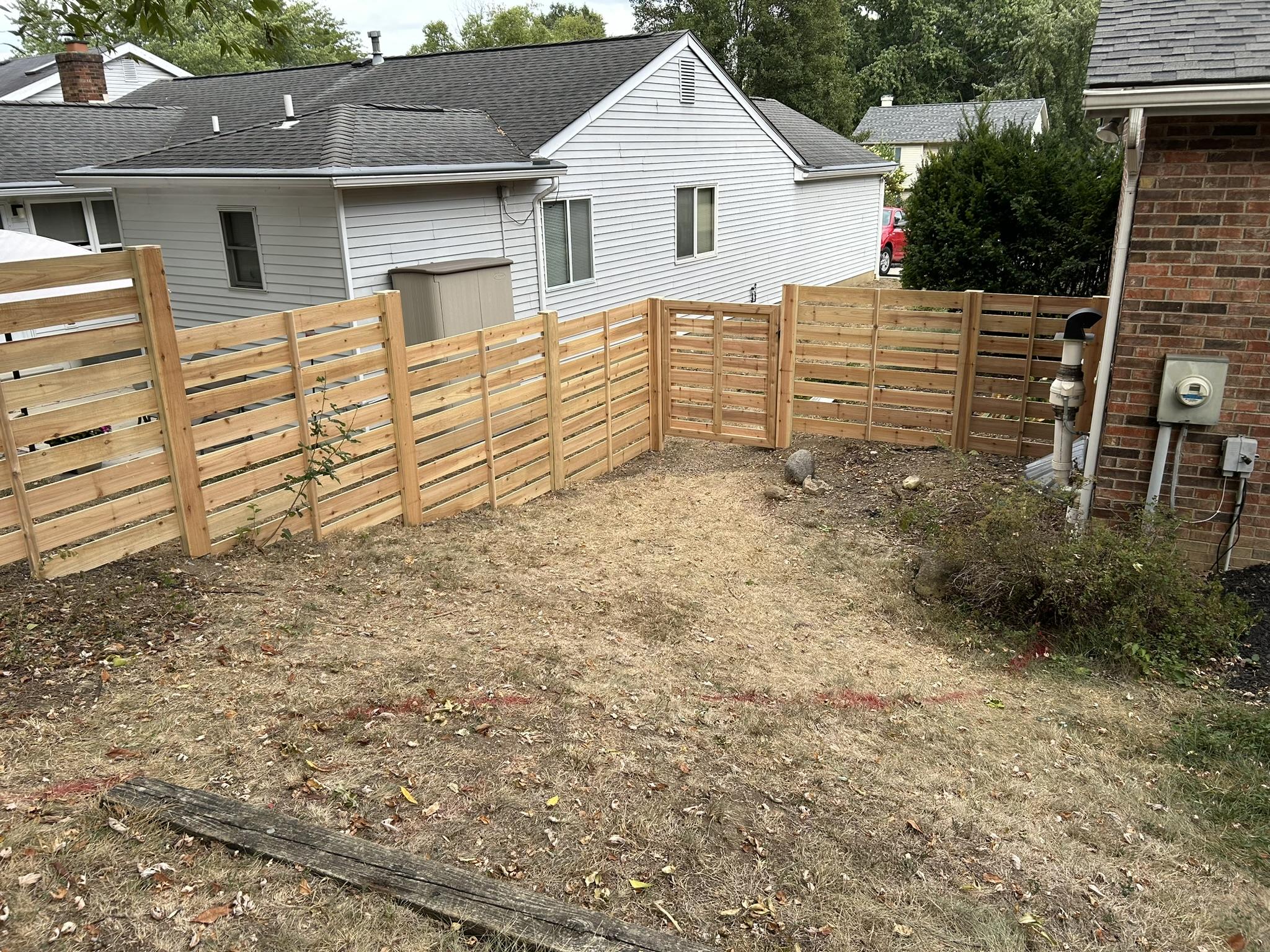
Fencing a sloped yard involves unique installation challenges. Let’s explore how to address drainage, integrate retaining walls, and navigate permits.
Drainage and Fencing Solutions
Proper drainage is crucial when installing a fence on a slope. Without it, water can accumulate and damage the fence over time. Consider installing a drainage system alongside the fence to manage water flow. This could involve grading the land or adding drainage pipes to prevent pooling.
Choosing materials like aluminum or vinyl can also aid in resisting moisture damage. For more detailed advice, see this guide on addressing uneven ground.
Retaining Wall and Fence Integration
In some cases, a retaining wall may be necessary to support the fence on a steep slope. These walls provide stability and can help prevent soil erosion. When combined with a fence, they create a cohesive and functional boundary.
Consider the height and design of the retaining wall, as it will serve as the foundation for your fence. This integration can enhance both the aesthetic and structural integrity of your outdoor space. More on this topic can be found in Pro Fence’s guide.
Navigating Permits and HOA Guidelines
Before starting your project, check local regulations concerning fence installations. Permits and HOA guidelines can impact your design choices and timeline. Understanding these rules in advance can save you from future headaches.
In Columbus, fence permits are often required, and it’s important to comply with specific height and placement standards. Research your area’s specific requirements or consult with a local expert to ensure a smooth process.
Cost and Timeline Expectations
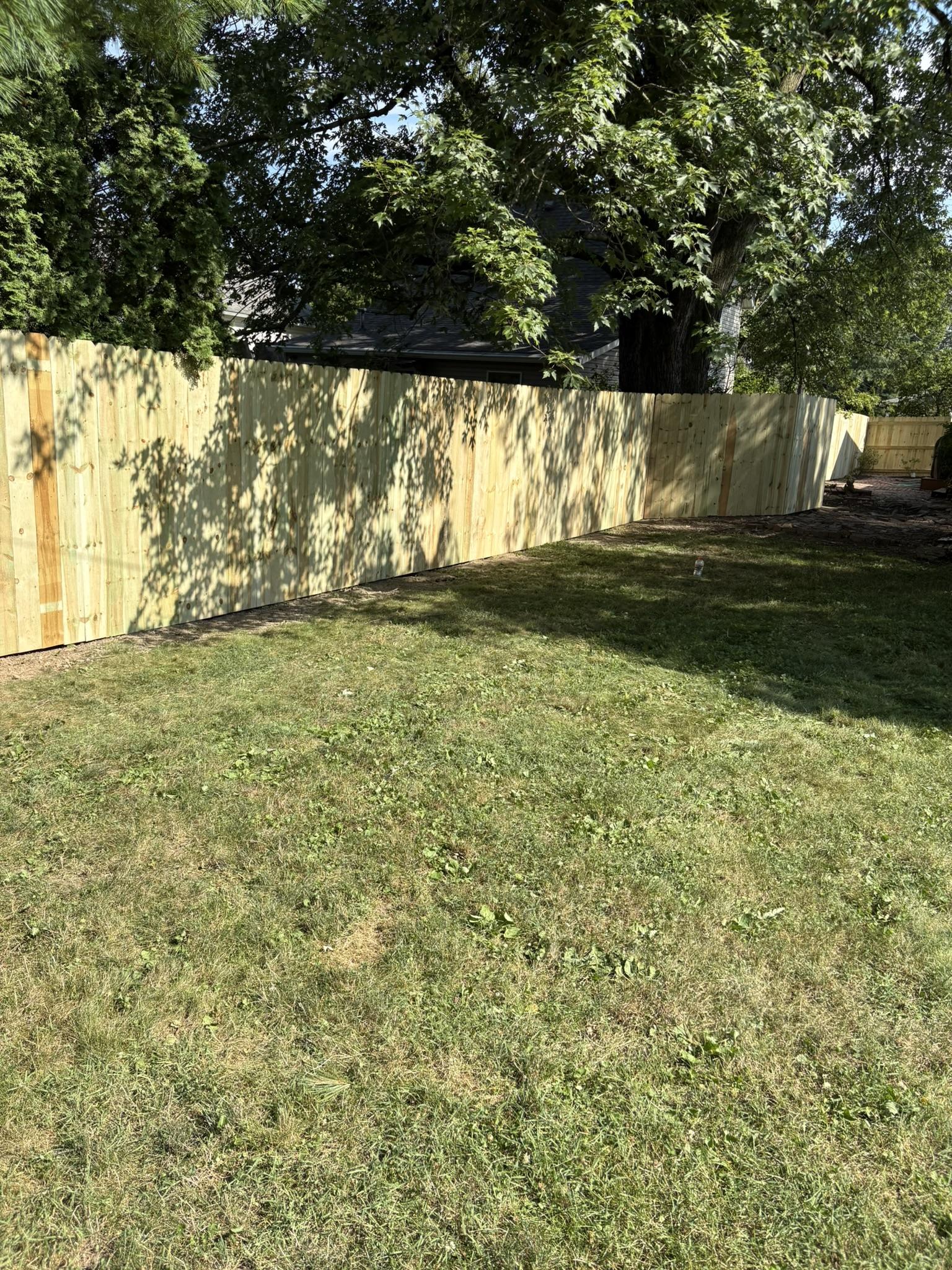
Setting realistic expectations for your fence project is crucial. This section will help you anticipate costs and plan your timeline effectively.
Estimating Fence Grade Changes
When budgeting for a fence on a slope, factor in the cost of adapting to grade changes. This often involves more labor and materials than flat installations. Costs can vary based on the slope’s severity and the materials chosen.
A detailed site assessment can provide accurate estimates, ensuring no surprises later on. Consider reaching out to a Columbus fence contractor for a professional evaluation.
Scheduling with Columbus Fence Contractor
Timing is everything in a successful fence project. Coordinate with your contractor to find a schedule that fits your needs and the project’s complexity. Seasonal conditions can affect timelines, so plan accordingly.
Discuss your goals and preferences in detail with your contractor to align expectations and ensure a smooth process from start to finish.
Property Line Survey and Ohio 811 Utility Locate
Before installation, conduct a property line survey to confirm boundaries and avoid disputes. This step ensures your fence is placed accurately and legally. Additionally, contact Ohio 811 to locate any underground utilities before digging.
These precautionary measures not only protect your investment but also ensure safety and compliance with local regulations. With these insights, you’re better prepared to embark on your fencing project, transforming your sloped yard into a beautiful, functional space.