
Quick Summary
Custom fencing gives Columbus property owners a way to solve challenges that standard layouts may not handle well. Slopes, irregular boundaries, tight spaces, privacy goals, gate placement and architectural style can all influence the design. Murphy Fence LLC develops tailored solutions using materials such as wood, vinyl, aluminum and chain link, with planning based on the property, intended function and local requirements. A careful site assessment, accurate measurements and professional installation help create a fence that fits the land, supports security or privacy and looks intentional rather than improvised.
Every property has its own layout, elevations and priorities. That is why custom fencing in Columbus, OH can be a better fit than a standard fence package when a yard slopes, a lot has unusual angles or the property needs a specific combination of privacy, security and curb appeal.
Murphy Fence LLC approaches custom projects around the site itself. The design process considers the shape of the property, existing structures, access points, material preferences and the way the fence needs to function day to day. The goal is not to make a fence complicated. It is to make the fence fit the property instead of forcing the property to fit a standard layout.
Why Custom Fencing Works for Unique Columbus Properties
Custom fencing is most useful when ordinary panel layouts or standard details would leave awkward gaps, create inconsistent lines or fail to address the way a property is actually used. A tailored plan can coordinate the fence with terrain, boundaries, landscaping and access while preserving a cohesive appearance.
Sloped Yards and Changing Elevations
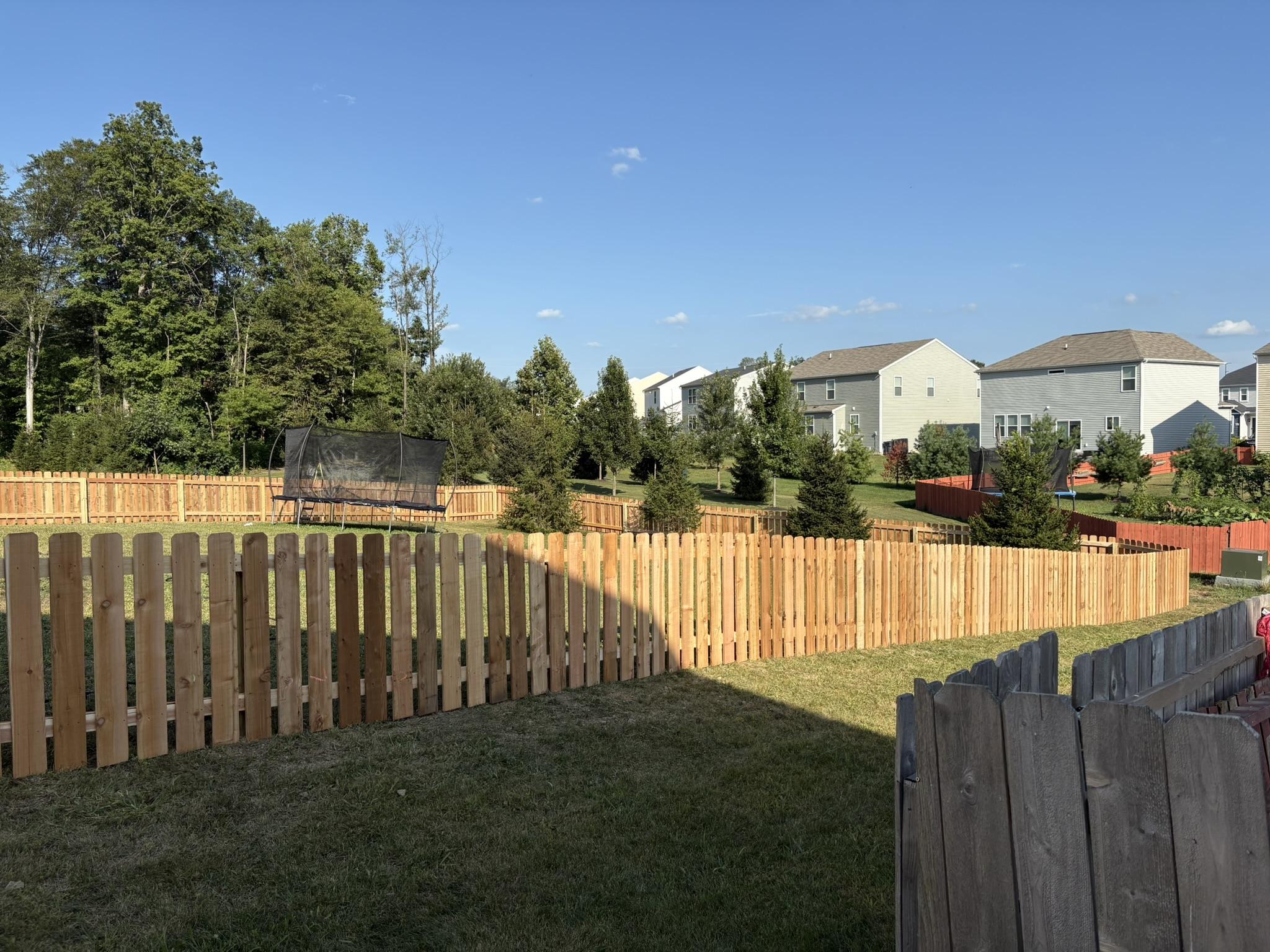
Sloped ground is one of the clearest reasons to customize a fence. Panels may need to follow the grade or step across changes in elevation, depending on the material, slope and desired appearance. Careful measurement helps reduce large gaps under the fence and keeps posts, panels and gates aligned with the terrain.
The best approach depends on the property rather than a single rule. A gradual slope may support a different layout than a sharp elevation change, retaining wall or uneven section of ground. Planning the fence around these conditions can improve both appearance and everyday performance.
Irregular Property Lines, Tight Spaces and Existing Features
Odd-shaped lots can include angled boundaries, curves, narrow side yards, utility areas or structures that interrupt a straight fence line. Custom design allows the layout to respond to those conditions instead of creating unnecessary dead space or forcing awkward corners.
Existing landscaping, driveways, patios, sheds and other features may also affect where a fence can be placed. A site assessment helps identify these constraints early, so the design can balance usable space with clear boundaries and practical access.
Privacy, Security and Access Goals
A custom fence can also be designed around what the property owner wants the boundary to accomplish. Privacy may call for solid sections and carefully planned height, while security may place more emphasis on durable materials, controlled entry points and a layout that avoids vulnerable gaps.
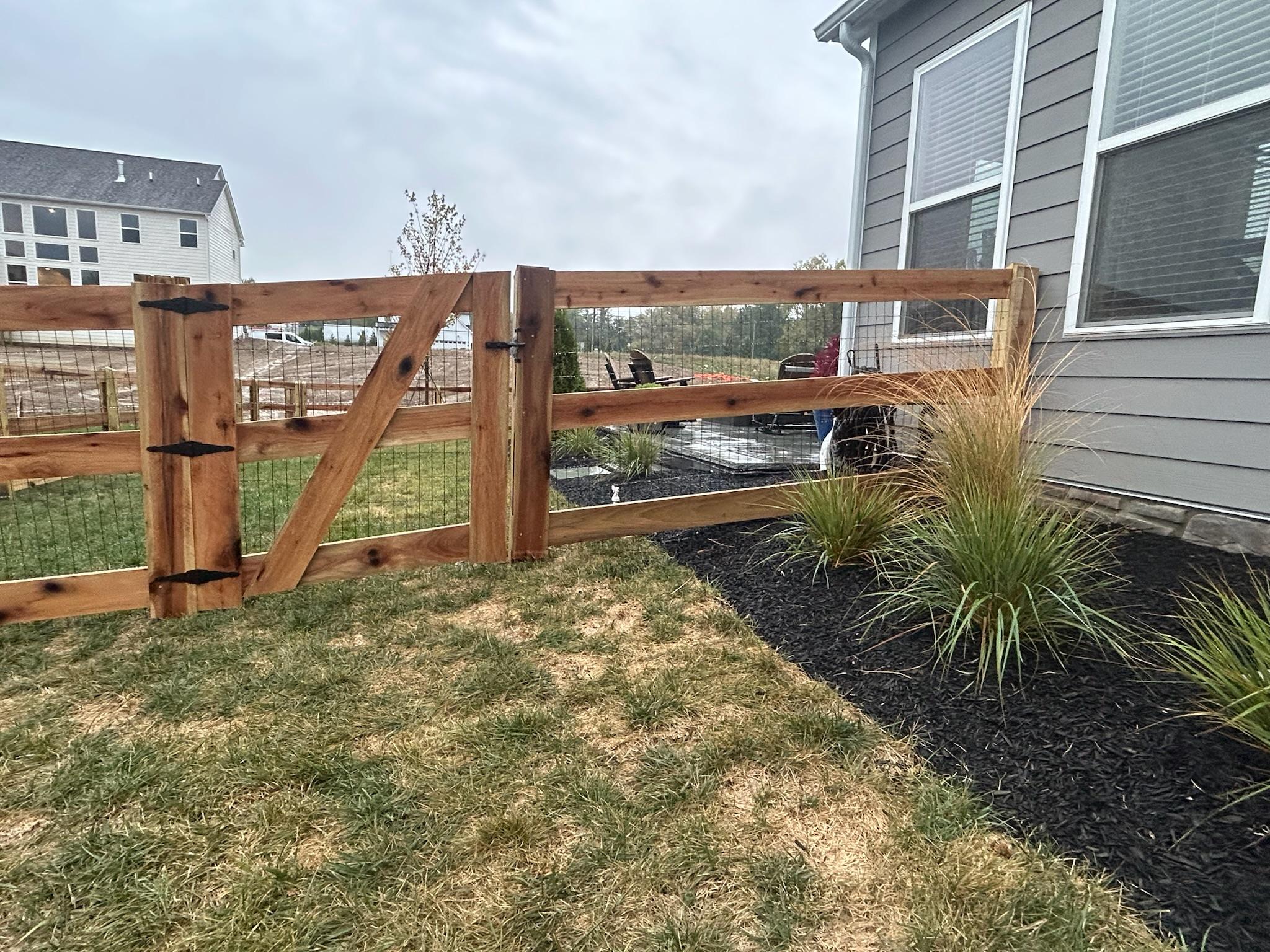
Gate placement deserves the same attention as the fence line. A gate should support how people, pets, vehicles or equipment move through the property. On a business site, the design may also need to distinguish public-facing areas from service or operational zones.
Choosing Materials and Styles for a Custom Fence
There is no single material that is right for every custom project. Material selection should reflect maintenance expectations, desired privacy, visibility, architectural style and the conditions of the site. Murphy Fence LLC offers several common options that can be adapted to different property needs.
Wood for Warmth, Privacy and Flexible Design
Wood fencing works well when a property owner wants a natural appearance, solid privacy or a design that can be adjusted to complement the home. Board orientation, spacing and decorative details can all affect the finished look. Wood does require ongoing care, so maintenance expectations should be part of the initial material decision.
Vinyl for Low-Maintenance Privacy
Vinyl fencing is often selected for a clean appearance and relatively low routine maintenance. Solid vinyl panels can create privacy around backyards, pools or service areas, while different profiles and colors give property owners options for matching the surrounding architecture.
Aluminum for Open Views and a Finished Appearance
Aluminum fencing can define a property while preserving visibility. Its corrosion resistance and relatively low maintenance make it useful for residential and commercial applications where an open, polished look is preferred. Aluminum can also work well on properties where the fence needs to follow changes in grade.
Chain Link and Mixed-Material Solutions
Chain link fencing is practical for secure boundaries, pet containment, equipment areas and larger perimeters. Coated finishes and privacy slats can change the appearance and screening level. On some custom projects, using different materials in different zones can make more sense than asking one fence type to solve every need.
From Site Assessment to Installation: How Custom Fencing Comes Together
A successful custom fence starts with planning. The source articles consistently emphasize consultation, property assessment, material selection, accurate measurements and professional installation as the core stages of a tailored project.
1. Consultation and Site Assessment
The first step is defining the purpose of the fence and reviewing the property. Privacy, security, pet containment, curb appeal, access and budget can all change the recommended layout. A site visit also helps identify slopes, unusual boundaries, existing structures and other conditions that may affect installation.
2. Measurements, Layout and Gate Planning
Accurate measurements are especially important on irregular properties. The layout should account for corners, grade changes and gate locations before installation begins. This planning reduces the risk of awkward transitions and helps the finished fence look intentional from one section to the next.
3. Materials, Style and Functional Details
Once the layout is understood, the material and design can be matched to the property. A homeowner may prioritize privacy and visual warmth, while a commercial property may need durable perimeter control with clear sightlines. Decorative tops, panel orientation, gate styles and screening details can further personalize the design where appropriate.
4. Local Requirements and HOA Considerations
Fence requirements can vary by municipality, property type and neighborhood. Height limits, visibility rules, setbacks, easements, permits and HOA standards may affect the design. These details should be checked for the specific property rather than assumed from a nearby project. Planning around them early can reduce redesigns and delays.
5. Professional Installation and Final Review
Installation quality affects how a custom design performs. Post placement, alignment, panel transitions and gate operation all require careful execution, particularly on slopes or irregular boundaries. A final walkthrough gives the property owner an opportunity to review the completed work and understand relevant care or warranty information for the project.
Custom Fencing for Homes and Businesses
Custom design is not limited to unusual residential yards. The same approach can help businesses and other commercial properties coordinate security, access and appearance across complex sites.
Residential Custom Fencing
For homeowners, a tailored fence can respond to privacy needs, pets, pools, entertaining areas, gardens and the architectural style of the home. It can also help integrate a fence around existing patios, landscaping or nonstandard lot lines without making the boundary feel like an afterthought.
Commercial Custom Fencing
Commercial fencing may need to manage several priorities at once, including perimeter security, deliveries, employee access, visibility and a professional public-facing appearance. A custom layout allows different sections of the property to serve different functions while still looking coordinated.
Why Work With Murphy Fence LLC for a Custom Fence in Columbus?
Murphy Fence LLC brings more than 20 years of fencing experience to Central Ohio projects. The company works with residential and commercial clients and offers wood, vinyl, aluminum, chain link, farm, custom and commercial fencing. Its custom-fence content emphasizes clear consultation, property-specific planning, material guidance and careful installation.
For a custom project, that local experience matters because the design has to work on the actual property, not just on paper. A consultation can help clarify which material, layout and gate configuration best support the site, intended use and preferred appearance.
Plan a Fence That Fits Your Property
A custom fence should solve real property challenges while looking like it belongs there. Whether the issue is a slope, an irregular boundary, a privacy concern or a need for better access control, thoughtful design can turn those constraints into a cleaner and more functional layout.
Property owners in Columbus and surrounding Central Ohio communities can speak with Murphy Fence LLC about a custom fencing plan, material options and the installation approach that fits their site.
Frequently Asked Questions
What makes a custom fence different from a standard fence?
A custom fence is planned around the specific property and the owner’s goals. The layout, material, height, gate placement and design details can be adjusted for slopes, unusual boundaries, privacy, security or architectural preferences rather than relying on a standard configuration.
Can custom fencing work on a sloped or irregular lot?
Yes. Custom planning is particularly useful on slopes, changing elevations and odd-shaped properties. Measurements and layout methods can be adjusted so the fence follows or steps with the terrain while limiting awkward gaps and transitions.
Which materials can be used for custom fencing in Columbus?
Murphy Fence LLC offers options including wood, vinyl, aluminum and chain link. The best choice depends on the desired appearance, maintenance level, privacy, visibility, security needs and site conditions.
Can a custom fence improve both privacy and security?
Yes. A custom layout can combine appropriate height, solid or open sections, durable materials and strategically placed gates to support privacy and security. The exact design should match the property and any applicable local or HOA requirements.
What should I expect during a custom fence project?
The process generally includes an initial consultation, site assessment, measurements, layout and material decisions, review of applicable requirements, professional installation and a final walkthrough. Project details vary based on the property and selected fence system.