
Quick Summary
Seasonal fence maintenance helps Central Ohio property owners catch small problems before moisture, heat, storms and freeze-thaw cycles turn them into larger repairs. A practical year-round routine should combine structural inspections, material-appropriate cleaning, drainage and vegetation control, protective treatments where needed and prompt attention to gates, posts and damaged sections.
A fence is exposed to changing conditions every day, so its lifespan depends on more than the material chosen at installation. Central Ohio brings winter freezing, spring rain, summer sun and periodic storms that can stress posts, panels, gates, coatings and hardware over time. A simple seasonal fence maintenance routine helps identify problems early while preserving appearance, privacy and security.
Inspect the fence as conditions change and match the maintenance to the material and the problem. Wood needs different protection than vinyl, aluminum or chain link and wetter or heavily landscaped properties may require closer attention.
Why Seasonal Fence Maintenance Matters in Central Ohio
Weather-related wear often develops gradually. A slightly loose post, small area of rot, damaged coating or gate that begins to drag may not look urgent at first. Left unaddressed, however, movement and moisture can place additional stress on nearby sections and turn a limited repair into a larger project.
Regular inspections help separate cosmetic concerns from structural ones. Dirt and surface staining may only require cleaning, while leaning posts, widening cracks, loose rails, damaged mesh or repeated gate misalignment can signal a repair issue.
Spring: Inspect, Clean and Reset After Winter
Check Posts, Panels, Gates and Hardware
Spring is a useful time to walk the entire fence line after winter weather. Look for leaning or loose posts, cracked or warped boards, separated panels, bent mesh, damaged caps, loose fasteners and gates that no longer open or latch correctly. Pay extra attention near the ground where moisture and soil movement are easiest to miss.
Check the grade around posts as well. Standing water, erosion or soil that has shifted through freeze-thaw cycles can affect stability. If several sections are leaning in the same direction or a gate repeatedly drops out of alignment, the underlying issue may involve a post or footing rather than the panel itself.
Clean the Fence and Restore Airflow
Remove leaves, dirt and organic buildup from the base of the fence before spring growth accelerates. Mild soap and water are appropriate for many routine cleaning jobs. A pressure washer may be useful on some surfaces, but excessive pressure can damage wood fibers, coatings or finishes, so use a conservative setting and test a small area first.
Trim shrubs, vines and groundcovers that remain pressed against the fence. Vegetation can hold moisture against wood and metal components, conceal damage and place extra weight on panels. Keeping a small amount of clearance around the fence improves airflow and makes future inspections easier.
Renew Protective Finishes When Needed
For wood fencing that has weathered or lost water resistance, spring can be a practical time to clean, dry and renew a compatible stain or sealer. Follow the product manufacturer’s preparation and moisture requirements instead of applying a coating simply because a calendar date has arrived.
Summer: Manage Sun, Moisture, Vegetation and Pests
Protect Wood From UV Exposure and Repeated Moisture
Strong sun can fade finishes and dry exposed wood while summer storms can introduce repeated moisture. Inspect wood for checking, splintering, fading and soft areas. If a protective finish has broken down, renew it after the fence is clean and sufficiently dry. Avoid directing sprinklers at the fence because repeated wetting can slow drying and contribute to moisture-related deterioration.
Keep Growth and Pests Under Control
Summer vegetation can quickly cover a fence line. Trim plants before branches or vines push through openings, rub against coatings or create shaded areas that stay damp. Wooden fences should also be checked for signs of insect activity such as small holes, damaged fibers or sawdust-like debris. If activity appears extensive, a pest-control professional can determine the appropriate treatment.
Inspect Gates and High-Use Areas
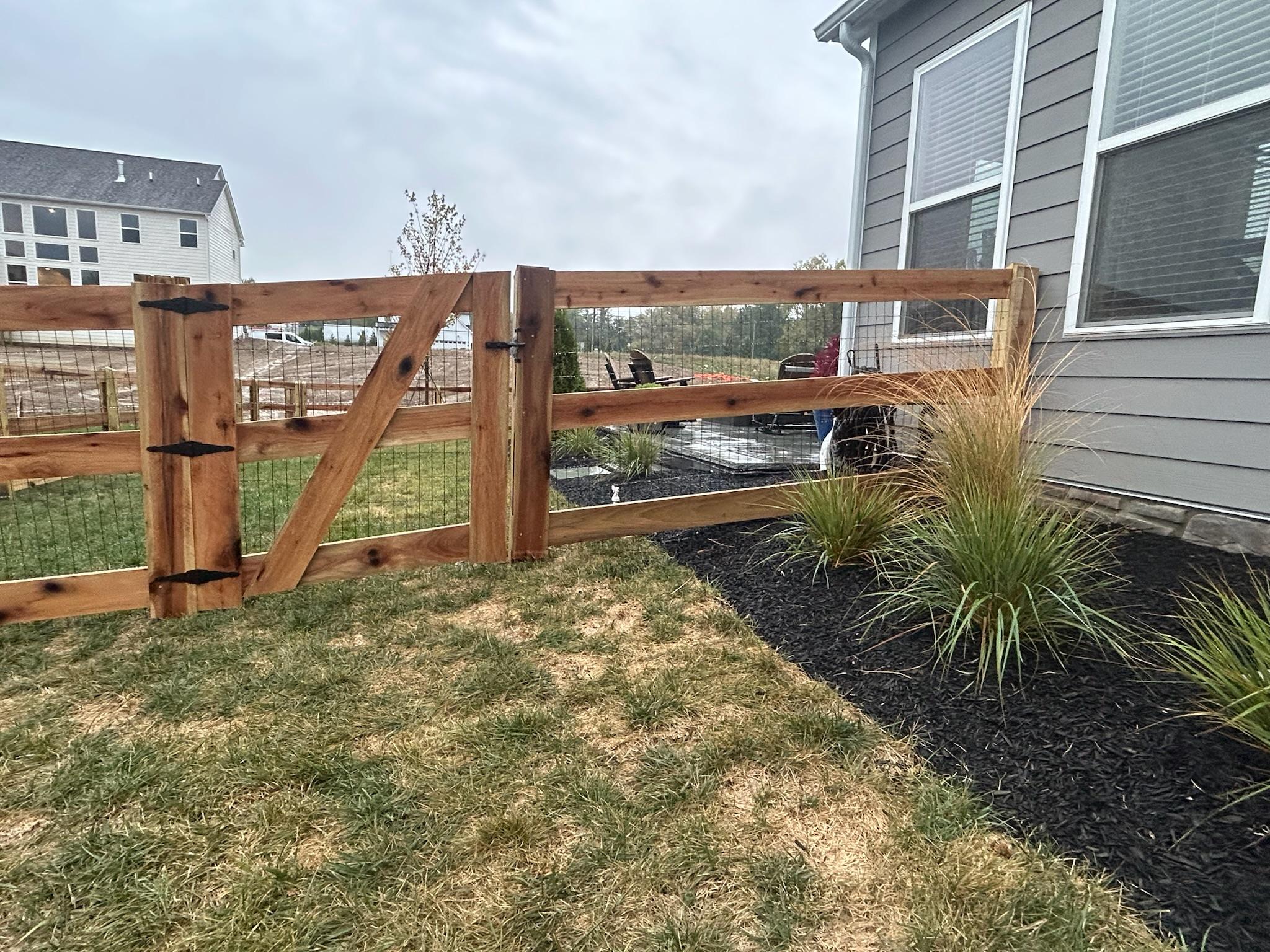
Gates experience more movement than most fence sections. Check hinges, latches, fasteners and the supporting posts for looseness or sagging. A gate that drags on the ground or requires force to latch can place additional load on its hardware. Correcting alignment early can help prevent damage from spreading to the adjacent fence.
Fall: Prepare the Fence for Cold and Wet Weather
Clear Debris and Reduce Moisture Traps
Fallen leaves, grass clippings and mulch can hold moisture against the bottom of a fence. Clear this material before winter and confirm that water can drain away from posts rather than pooling around them. Good drainage matters for every fence type because repeated saturation can affect soil stability, wood and metal components.
Complete Repairs Before Freezing Weather
Fall is a good time to tighten loose hardware, replace damaged boards or components and address developing corrosion on compatible metal parts. Small defects are easier to manage before snow, ice and cold temperatures make access more difficult. Trim weak or overhanging branches that could fall onto the fence during winter storms.
If the fence includes vinyl fencing, inspect panels, posts and caps for cracks or impact damage before temperatures fall. Vinyl is low-maintenance, but existing damage can worsen when the material is stressed by cold conditions or physical impact.
Winter: Reduce Snow, Ice and Freeze-Thaw Stress
Avoid Unnecessary Weight Against the Fence
After significant snowfall, avoid intentionally piling heavy snow against the fence during shoveling or plowing. Extra weight can stress panels and posts, especially where a fence already has movement or damage. If snow accumulates naturally, remove it carefully without striking the fence with tools or equipment.
Check the Fence After Severe Weather
Wind, ice and repeated freeze-thaw cycles can expose weaknesses that were not obvious in fall. After major storms, look for shifted posts, loose rails, bent sections and gate problems. You do not need to perform a full maintenance project in freezing weather, but documenting changes makes it easier to prioritize repairs when conditions improve.
Material-Specific Fence Care
Wood Fence Maintenance
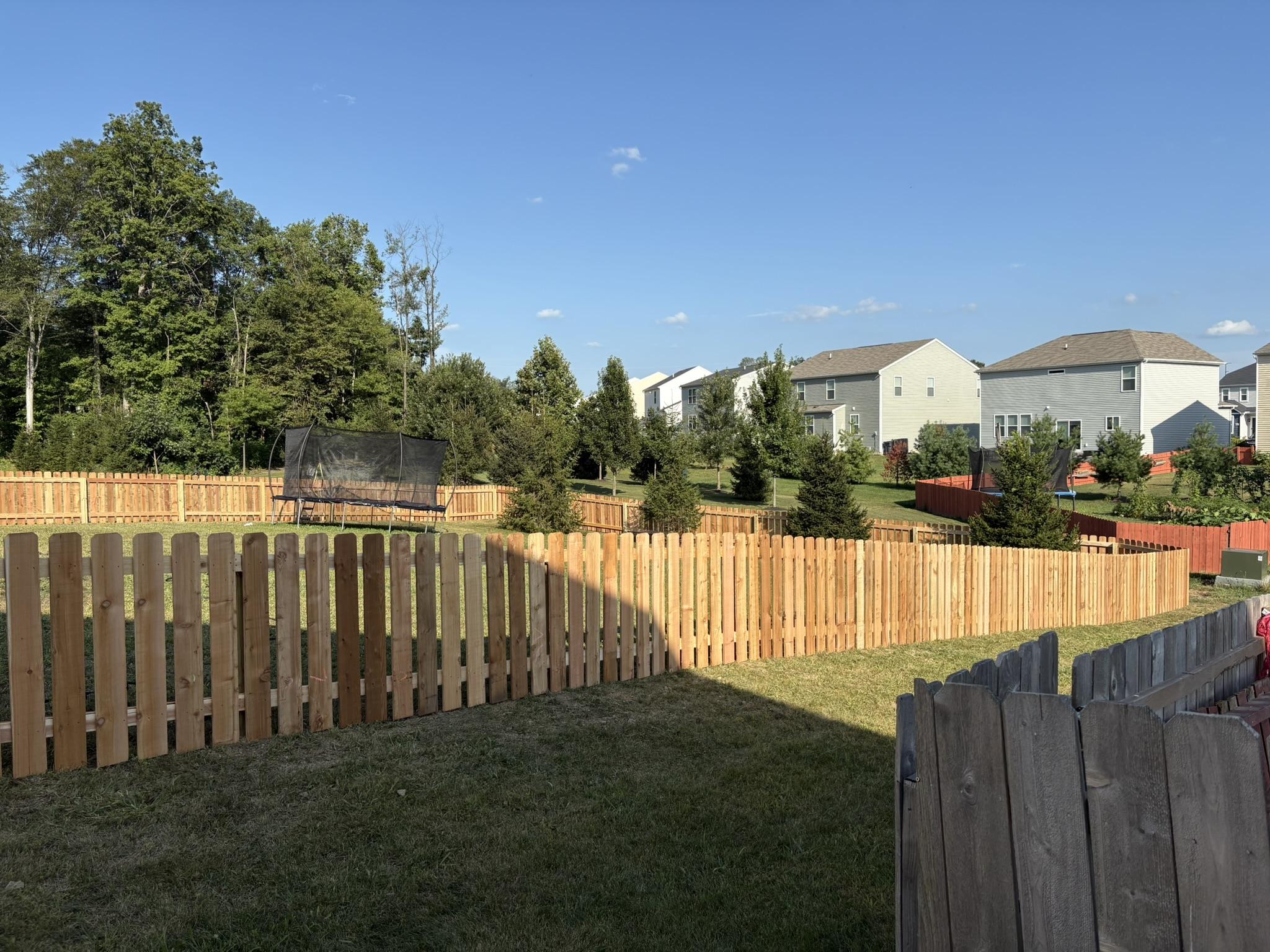
Wood fencing benefits from routine cleaning, moisture management and periodic protective finishes. Inspect for rot, splitting, warping, loose fasteners and insect damage. Keep soil, mulch and dense vegetation from remaining against the boards and posts. Replace severely deteriorated pieces rather than relying on surface treatments to solve structural decay.
Vinyl Fence Maintenance
Vinyl fencing generally needs less routine maintenance than wood. Wash away dirt, pollen and organic buildup with water and a mild cleaner, then inspect for cracks, loose caps, shifted posts and gate alignment. Avoid abrasive tools and harsh chemicals unless the manufacturer specifically permits them.
Aluminum Fence Maintenance
Aluminum fencing is valued for low upkeep and corrosion resistance. Clean accumulated dirt, check the finish for chips or scratches and tighten loose hardware. Pay particular attention to gates and fasteners because repeated movement concentrates wear in those areas. If another metal component shows corrosion, address it before the damage spreads.
Chain Link Fence Maintenance
Chain link fencing should be checked for loose ties, bent fabric, damaged coatings, sagging mesh, leaning posts and gate problems. Remove vegetation growing through the mesh and repair damaged protective coatings where appropriate. Early attention helps prevent a small loose area from affecting a longer run of fence.
Know When Maintenance Becomes a Repair Issue
Routine cleaning and tightening are maintenance tasks. Structural movement, repeated gate failure, widespread rot, significant corrosion, broken posts or damage across multiple sections move beyond routine care. At that point, continuing to patch the surface may cost more without correcting the underlying problem.
A professional assessment can help determine whether a targeted repair is practical or whether a larger section should be replaced. This is especially useful when the cause is uncertain, the fence crosses uneven terrain or the property has drainage issues that could affect the replacement work.
Use Professional Guidance for More Complex Fence Problems
Murphy Fence LLC brings more than 20 years of fencing experience to residential and commercial projects in Central Ohio. Property owners can use professional guidance when fence movement, damaged posts, recurring gate problems or widespread material deterioration make the next step unclear.
If an existing fence no longer fits the property’s needs, Murphy Fence LLC provides custom fencing and commercial fencing solutions. A replacement should account for the site, intended use and maintenance expectations.
Protect Your Fence With a Consistent Year-Round Routine
The most effective seasonal maintenance plan is straightforward: inspect after seasonal changes and major storms, keep the fence line clean, manage drainage and vegetation, protect surfaces where the material requires it and repair problems before they spread. Those habits support a longer service life without turning fence care into a constant project.
If you find loose posts, repeated gate issues, significant rot or sections that continue to shift, Murphy Fence LLC can help evaluate the fence and recommend a practical next step.
Frequently Asked Questions
How often should I inspect my fence?
Inspect the fence several times throughout the year and after severe weather. Spring and fall are especially useful checkpoints because they let you identify winter damage and prepare for colder conditions before they arrive.
What seasonal maintenance does a wood fence need?
Wood typically needs the most hands-on care. Keep it clean, manage moisture and vegetation, inspect for rot or insect damage and renew a compatible stain or sealer when the existing finish no longer provides adequate protection.
Do vinyl and aluminum fences still need maintenance?
Yes. Clean and inspect them for physical damage, shifted posts, loose hardware, gate problems and damaged finishes or components.
Can I pressure wash my fence?
Pressure washing can suit some materials. Use low pressure, keep a safe distance, test a small area first and follow the manufacturer’s care instructions when available.
When should I call a fence professional?
Call a professional for leaning or loose posts, recurring gate problems, widespread damage or uncertainty about whether repair or replacement is more practical.