
Most business owners in Central Ohio underestimate how much thought goes into choosing the right commercial fencing. Without a clear plan, you risk delays, code violations, and security gaps. This guide breaks down what matters—from materials and gate options to budgets and timelines—so your project runs smoothly and protects your property effectively. Read on to get insights from a trusted Columbus fence contractor who knows the local rules and customer needs. For more detailed planning tips, visit our Murphy Fence LLC guide for Columbus businesses.
Essential Considerations for Business Fencing
When planning a fence for your business, understanding local regulations and specific needs is crucial. This ensures smooth installation and optimal security.
Understanding Local Code Compliance
To start, familiarize yourself with local codes. Different areas have specific rules about fence height, materials, and placement. Ignoring these can lead to fines and required changes. Contact your local zoning board for guidance. They outline what is permissible in your area, keeping your project on track and legal.
Evaluating Security and Access Needs
Think about what you need to protect. Is it a perimeter security fence for a commercial property? Or perhaps a privacy fence for businesses needing to shield sensitive areas? Determining your security needs helps in choosing features like the height and material. High-security areas might require security gates with access control. These features not only restrict entry but also add a layer of protection.
Choosing the Right Fence Material
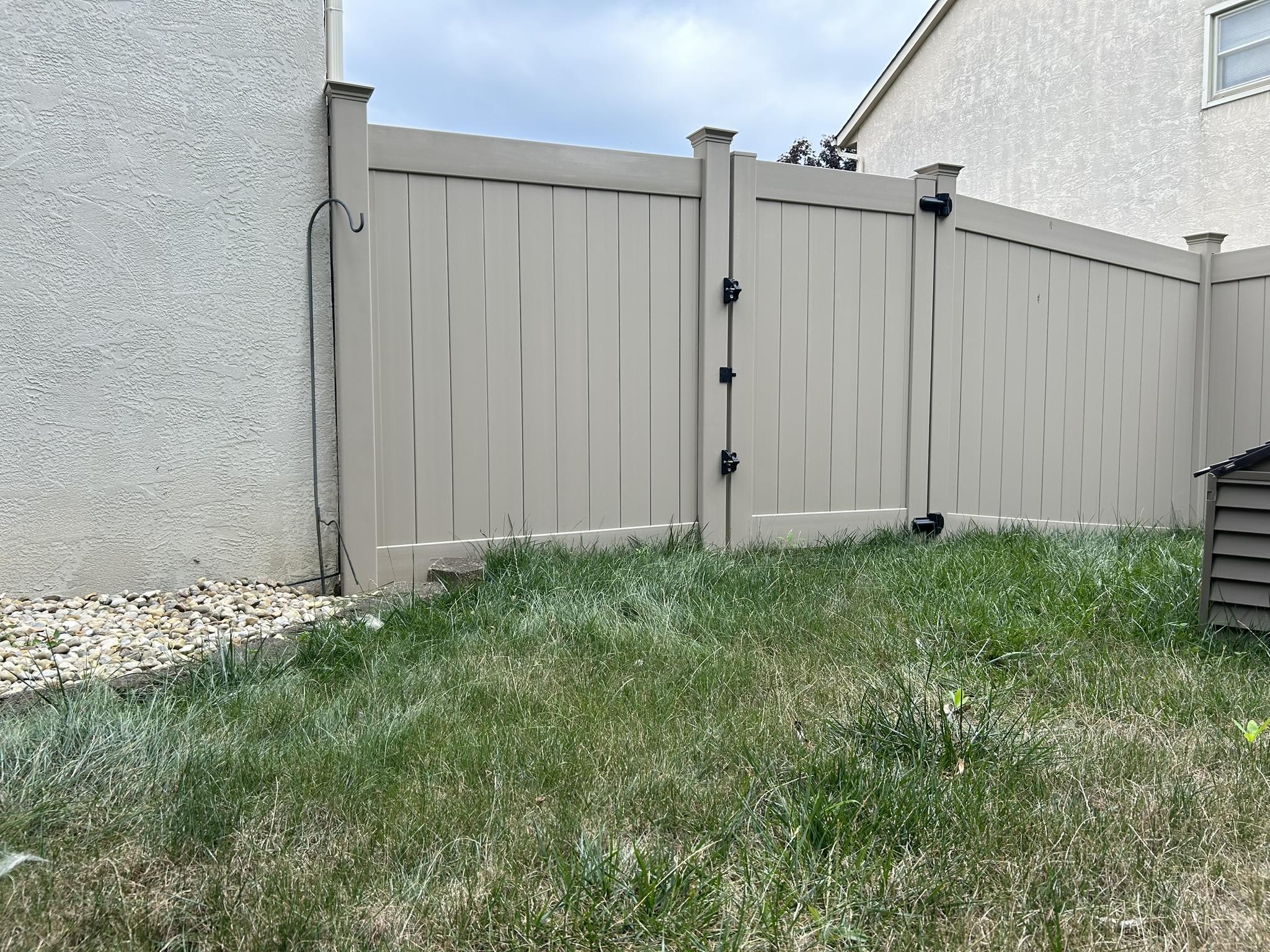
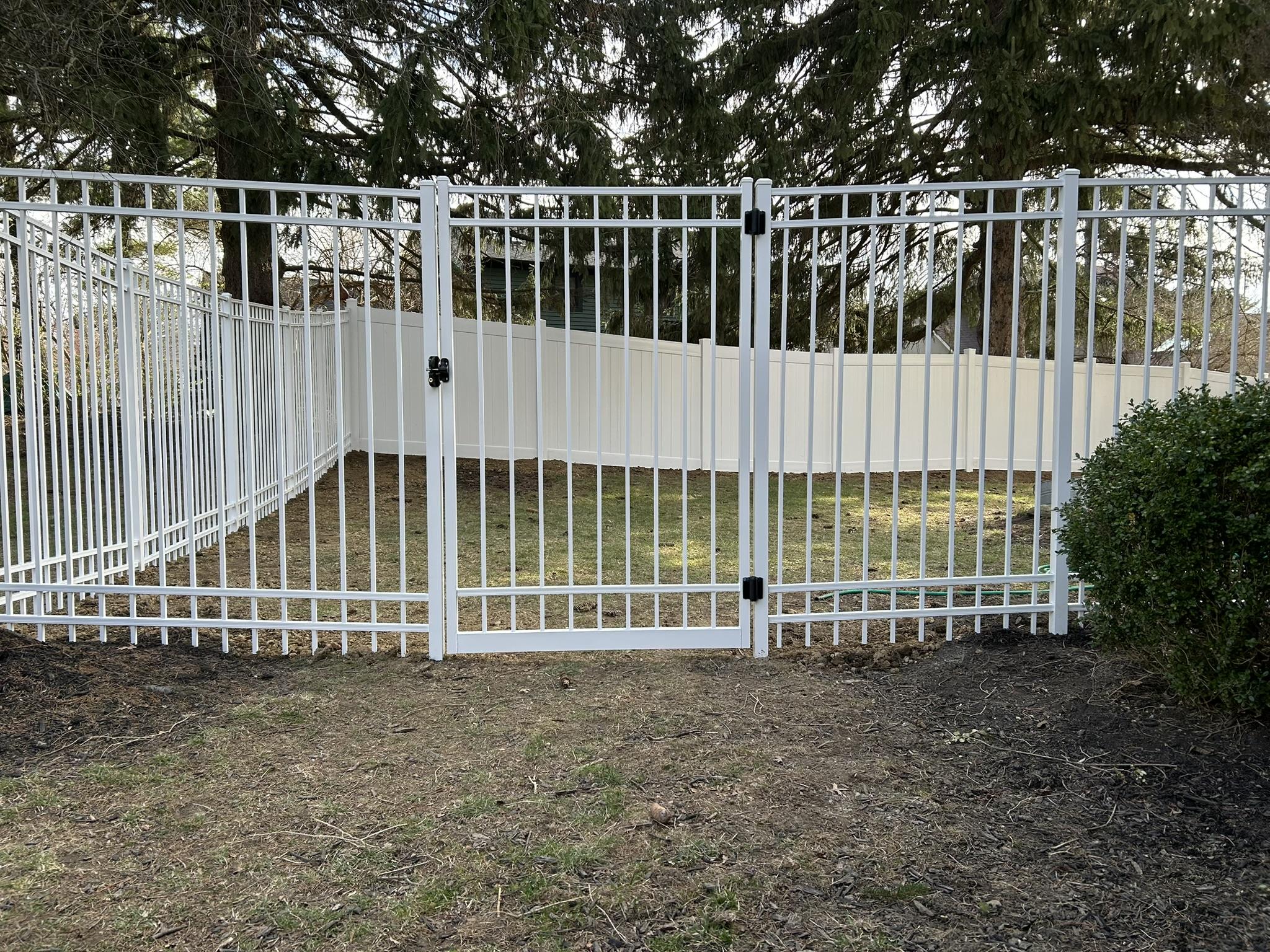
Material matters. Whether it’s a chain link fence in Columbus for durability or an ornamental aluminum fence for aesthetics, each serves a purpose. For instance, commercial vinyl fences offer low maintenance while providing privacy. Consider the look you want and the maintenance level you can handle. The right material balances your needs with your budget.
Key Factors in Fence Installation

Now that you have an idea of the basics, let’s dive into planning the installation. Preparing a realistic plan can save time and money.
Planning Your Fence Layout
A good layout is essential. Start by sketching your property and marking where you want the fence. Include gates and other access points. Consider existing structures and landscape features. This step ensures you maximize space and functionality, aligning with your business’s operational flow.
Setting Realistic Timelines and Budgets
Time and money dictate project feasibility. Estimate how long the installation will take, factoring in potential delays. Setting a budget involves more than just fence costs. Include labor, permits, and unexpected expenses. Allocate a contingency fund for surprises, ensuring the project stays on track.
The Importance of Professional Installation
While DIY might seem tempting, professional installation guarantees quality. Professionals have the experience to handle surprises and ensure compliance with codes. They can also offer insights into optimizing your fence’s lifespan. Investing in expert installation ensures your fence stands the test of time.
Enhancing Security with Fencing Solutions
Fencing does more than mark boundaries; it can significantly enhance security. Let’s explore how different solutions can fortify your business.
Benefits of Security Gates and Access Control
Security gates add a layer of defense. They control who enters your property. When combined with access control systems, they offer robust protection. These gates are ideal for high-traffic entrances and sensitive areas. They ensure only authorized personnel gain entry, boosting security.
Customizing Your Commercial Fencing Solution
Customization tailors fencing to your specific needs. Consider features like height, color, and additional security elements. Custom fences not only meet your security requirements but also blend aesthetically with your property. This approach ensures functionality without compromising style.
Exploring Options for Dumpster and Parking Lot Fencing
Specific areas need targeted solutions. Dumpster and parking lot fencing help contain waste and streamline traffic flow. These fences can be designed to match your property’s look while providing necessary barriers. They add organization and safety to otherwise chaotic areas.
Frequently Asked Questions
What factors should I consider when choosing a commercial fence?
Consider local regulations, security needs, material options, and your budget. Each factor impacts the fence’s functionality and compliance.
How can I ensure my commercial fence meets security needs?
Evaluate the area needing protection and choose features like height and security gates. Access control systems offer additional safety.
Why is professional installation important?
Professionals ensure compliance and quality. They handle unexpected challenges and optimize the fence’s lifespan, providing peace of mind.