Planning a fence in Columbus means more than picking a style and color. You have to navigate Columbus fence permits, property lines, and local regulations before you break ground. Getting these details right saves you time, money, and headaches down the road. In this guide, you’ll find everything needed to start your fence project on solid ground—from permit tips to smart placement advice. For more details, check out our comprehensive guide Navigating Local Fence Regulations and Permits in Columbus, Ohio.
Understanding Fence Permits
Kicking off your fence project in Columbus begins with understanding local permits. Proper permits ensure your fence aligns with city guidelines and keeps you free from legal troubles.
Columbus Fence Permits Guide
In Columbus, securing a fence permit is crucial to adhere to city codes. You’ll need to fill out the fence permit form and submit it to the local authority. This document requires details like property boundaries and fence dimensions. Make sure you have a clear plan before submission. Most people focus on aesthetics first, but legal compliance is just as essential to avoid future headaches.
Franklin County Fence Regulations
Franklin County requires you to check specific zoning laws that might affect your fence design. Some areas demand specific materials or height restrictions, particularly around schools or public spaces. Ignoring these rules can result in fines. Consulting with a local expert can simplify this process, ensuring your fence meets all criteria. You might be surprised how many homeowners overlook these regulations, causing costly redesigns later.
Delaware County Fence Permit Process
Delaware County has its own set of rules, much like Franklin County. Here, permits are necessary for fences over a certain height. Visit the county’s official website or contact their office for the most current regulations. It’s often assumed that a simple backyard fence doesn’t need approval, but Delaware County’s requirements say otherwise. Understanding these nuances can save you from unwanted delays.
Navigating Property Lines and Setbacks
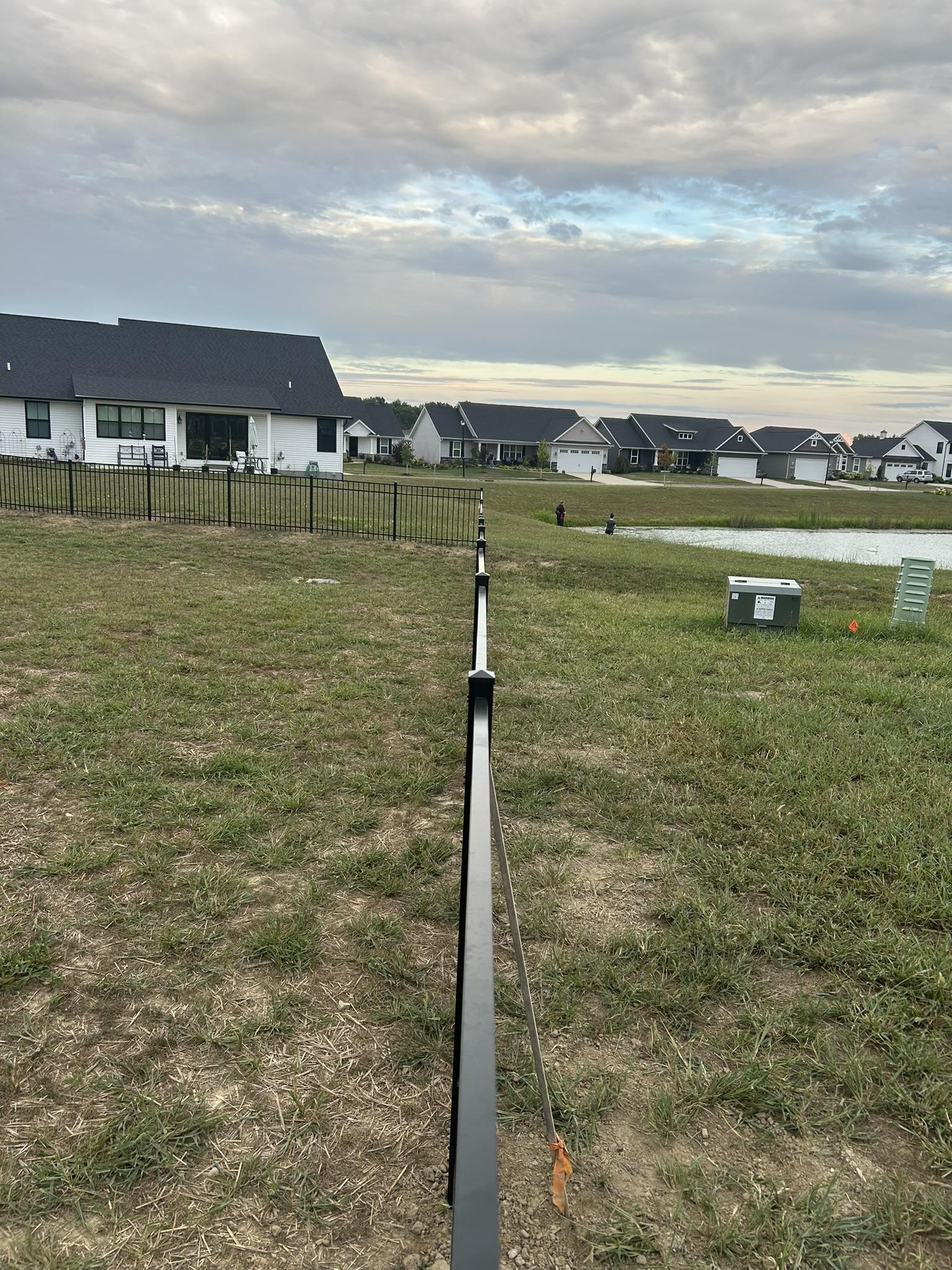
After securing permits, it’s time to understand property lines and setbacks. These elements ensure that your fence doesn’t infringe on neighboring properties.
Property Line Survey Columbus
A property line survey in Columbus is a must before any major outdoor project. This survey confirms your exact property boundaries, preventing disputes with neighbors. Hiring a professional surveyor is recommended to get precise measurements. Many assume their fence can hug the property edge, but this is rarely the case. Get clarity first to avoid future conflicts.
Fence Setback Columbus Ohio
Setbacks refer to the distance your fence must stand from property lines. In Columbus, these vary by neighborhood and zoning laws. Not adhering to setback requirements can lead to costly penalties. Understanding your specific setback needs will streamline your project. Misjudging setbacks is a common mistake, leading to expensive re-adjustments.
HOA Fence Approval Essentials
If you live in a neighborhood with a Homeowners Association (HOA), their rules may dictate your fence’s appearance and placement. Many HOAs have detailed guidelines about materials, colors, and styles. Failing to gain HOA approval can result in fines or forced removal. Some homeowners mistakenly prioritize speed over compliance, but proper approval is essential.
Smart Fence Placement Tips
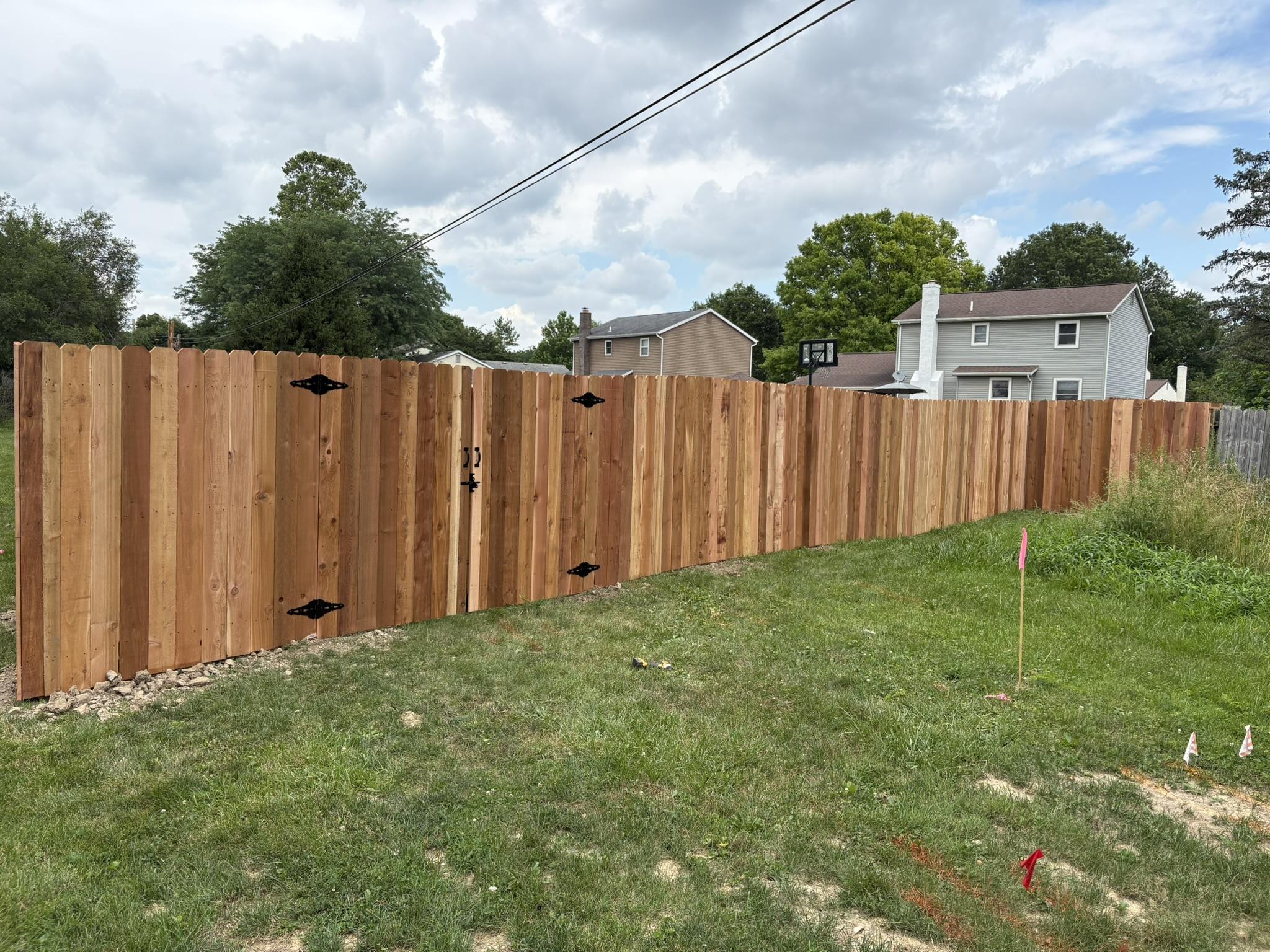
The final component of your fence project is smart placement. Thoughtful placement decisions can enhance privacy and aesthetics, while also complying with regulations.
Call 811 Before You Dig Ohio
Before any digging, you must call 811 to have underground utilities marked. This free service prevents accidental damage to gas lines or water pipes. Hitting a utility line can lead to service disruptions and costly repairs. Most people think it’s safe to start digging without checks, but this step is crucial for safety and legality.
Best Practices for Fence Height Limits Columbus
Columbus has specific height limits for residential fences. Generally, front yards allow for shorter fences, while backyards can be taller. Heights usually max out at six feet, but this varies by neighborhood. Ensuring your fence’s height complies with local guidelines saves you from future adjustments or fines. Many homeowners aim for taller fences for privacy, but local limits must guide your plans.
Selecting the Right Fence Type
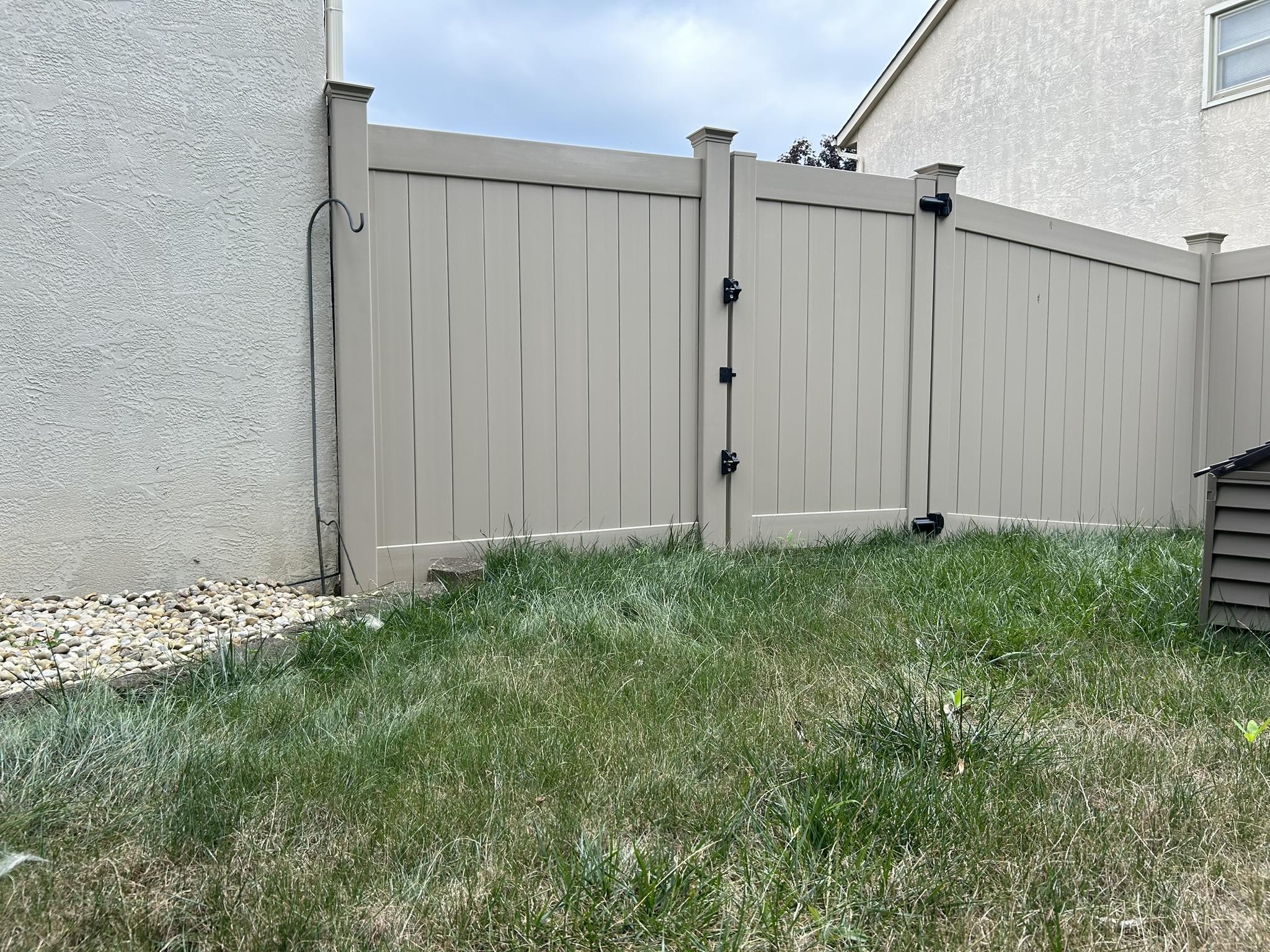
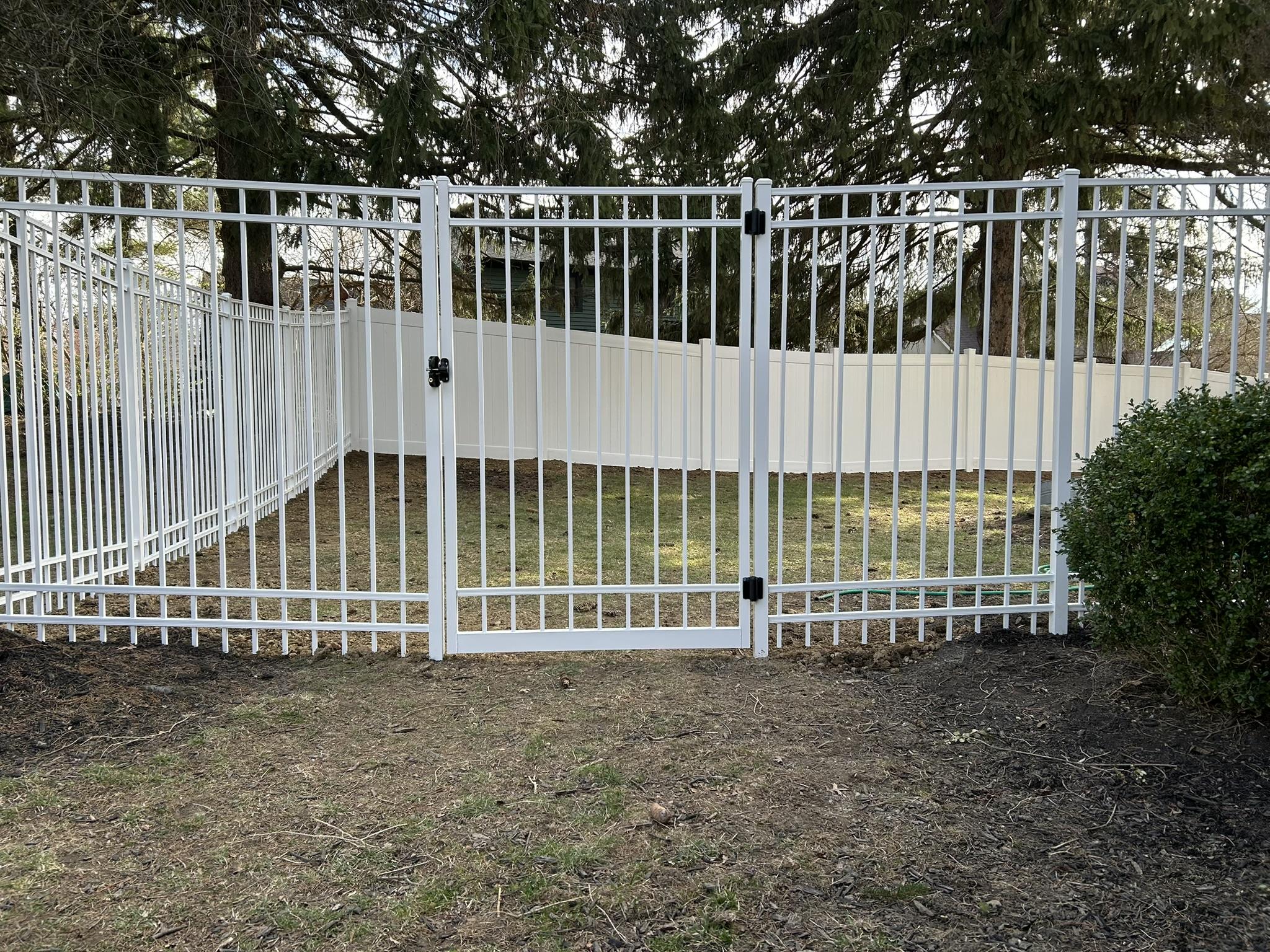
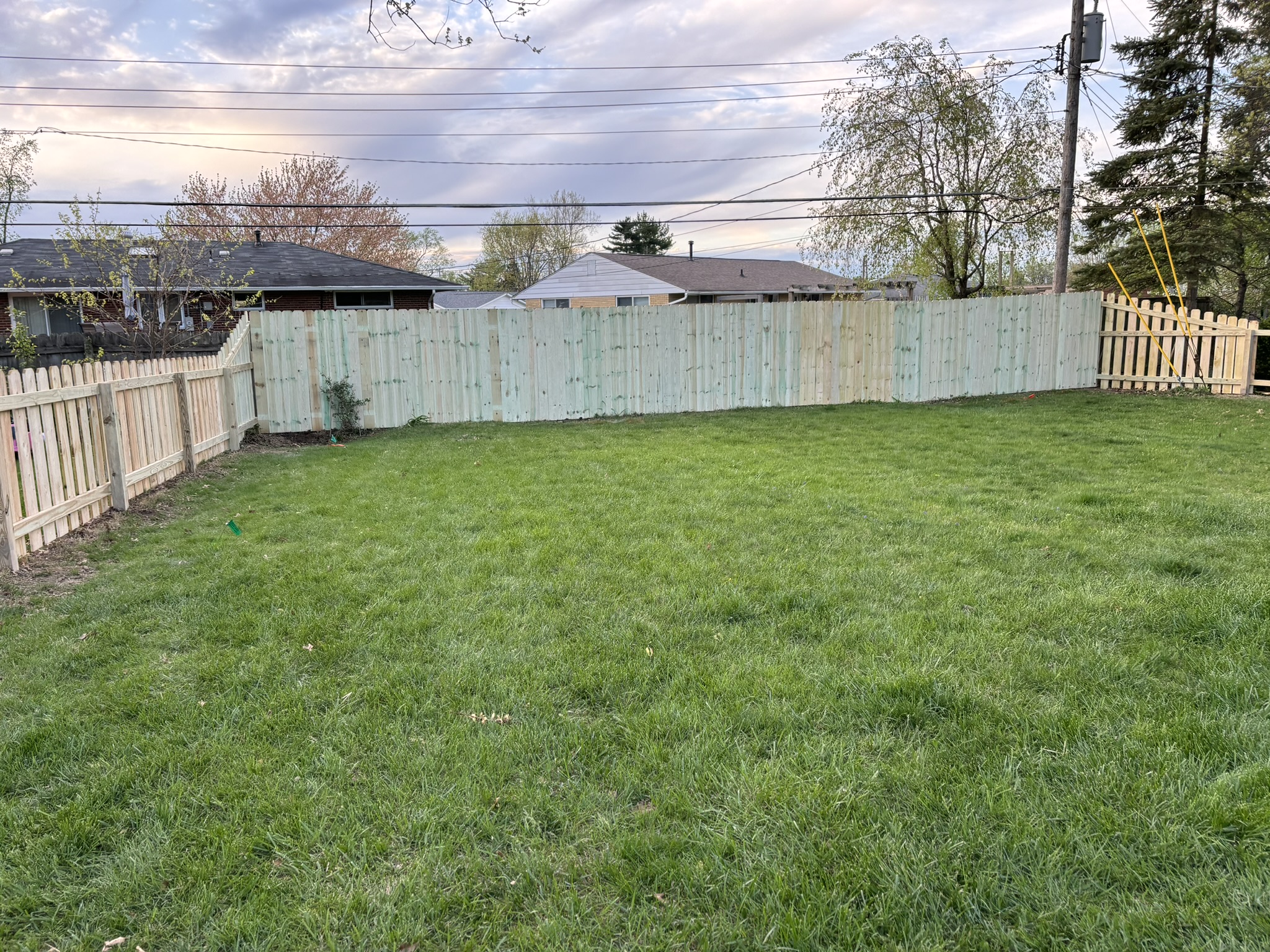
Choosing the right fence type involves evaluating your property’s needs and local guidelines. Options range from wood and vinyl to chain link and aluminum. Each type has distinct benefits, like privacy or durability. Our team at Murphy Fence LLC can guide you in selecting an option that balances aesthetics and function. Many overlook the impact of materials, but the right choice enhances both property value and enjoyment.
After handling permits and placement, you’re ready to start your fence project with confidence. Remember that the longer you wait, the more complicated this process can become. For expert assistance and to ensure your project runs smoothly, consider reaching out to Murphy Fence LLC for a consultation. Our experienced team is here to help from start to finish.