Quick Summary
Central Ohio fences must handle cold winters, humid summers, moisture, wind and repeated freeze-thaw cycles. Wood, vinyl, aluminum and chain link each respond differently to those conditions and each fits different privacy, security, maintenance and budget priorities. The best choice comes from matching the material to the property, planning for upkeep and using installation methods suited to the site. Murphy Fence LLC helps homeowners and businesses compare practical fencing options for Central Ohio properties.
Choosing a fence material in Central Ohio is not only a design decision. The material has to work with changing temperatures, winter moisture, summer humidity, wind, soil conditions and the way the property is actually used.
A fence that looks right on installation day can become a maintenance problem if the material does not match the site. The goal is to balance durability, privacy, security, upkeep and curb appeal so the fence continues to perform through Ohio’s changing seasons.
Why Ohio’s Climate Changes the Fence Material Decision
Central Ohio experiences cold winters, warm and humid summers and frequent temperature swings between seasons. Those changes affect fence boards, panels, posts, fasteners and the soil supporting the fence. Material selection should account for the full year rather than one season.
Freeze-Thaw Cycles Put Stress on Fences
Repeated freezing and thawing can stress both fence materials and the ground around posts. Moisture in the soil can freeze, expand and later thaw, which can contribute to movement if posts are not installed for the site conditions. Some materials also expand and contract as temperatures change.
Wood can split, warp or absorb moisture when it is not properly protected. Vinyl avoids rot, but the quality of the product and the installation still matter in cold conditions. A fence should be evaluated as a complete system, including posts, hardware and gates, not only by the appearance of its panels.
Rain, Humidity and Wind Affect Long-Term Performance
Moisture is especially important for wood and for metal components that are not adequately protected. High humidity, rain and wet soil can accelerate decay in untreated wood and can contribute to corrosion on susceptible hardware or steel components.
Wind also matters. Open fencing allows more air to pass through, while full privacy panels catch more wind. That does not make one style better than another, but it makes correct post spacing, anchoring and site-specific installation more important.
Compare the Main Fence Materials for Central Ohio
Each common fencing material has a different mix of appearance, maintenance and performance. There is no single material that is automatically right for every Ohio property.
Wood Fencing: Natural Appearance With More Upkeep
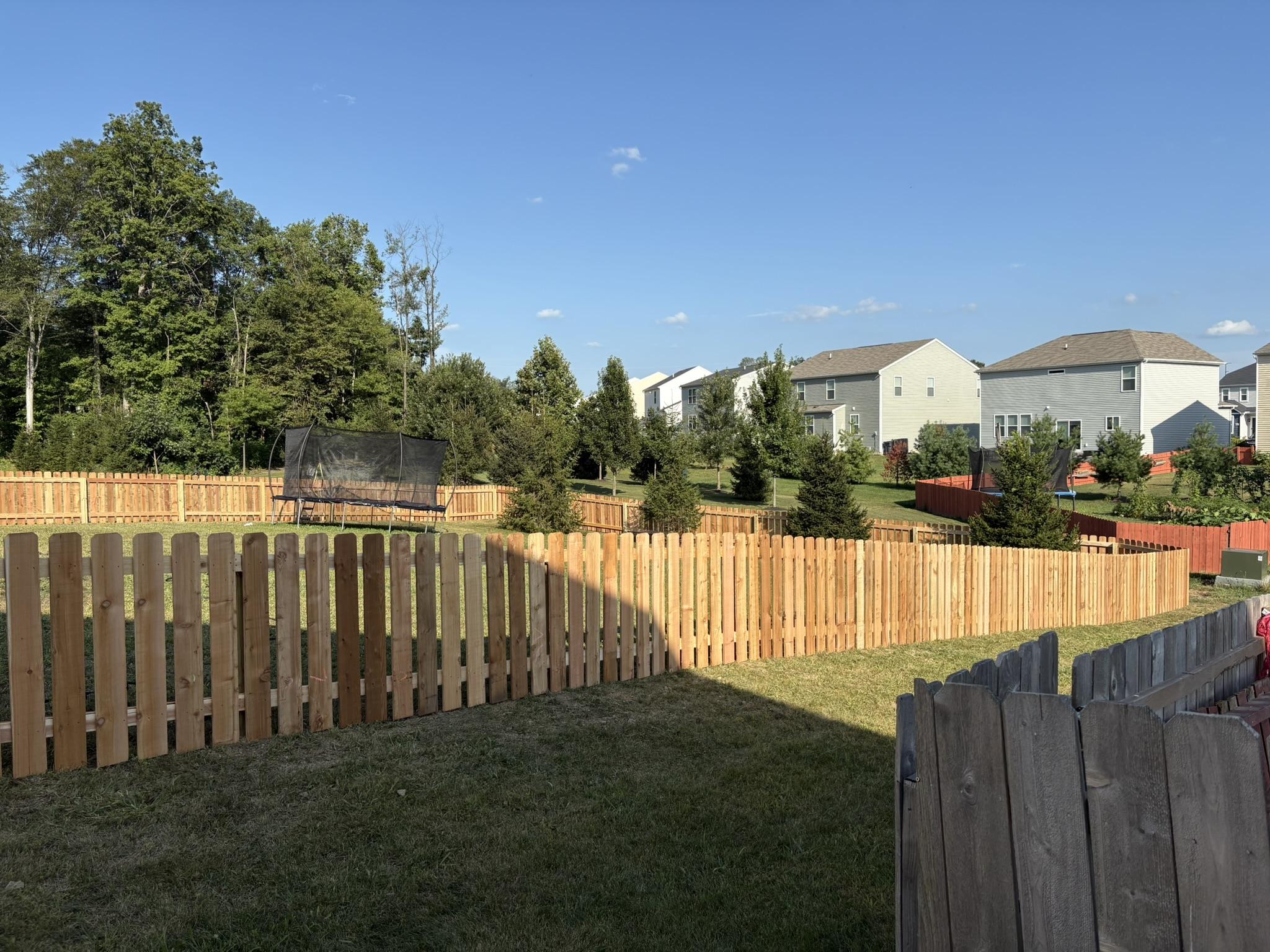
Wood fencing remains popular because it offers a natural appearance and can be adapted to privacy, picket and custom designs. It can also be stained or finished to coordinate with a home, landscape or business property.
The tradeoff is maintenance. Wood is more sensitive to moisture, insects and weathering than vinyl or aluminum. Regular inspection, cleaning and protective finishing can help limit premature deterioration. For property owners who value the character of real wood and are comfortable with periodic maintenance, it can be an excellent fit.
Vinyl Fencing: Privacy With Lower Routine Maintenance
Vinyl fencing is often selected for privacy and easier upkeep. It does not rot like wood and it does not need routine painting or staining. Cleaning is typically the main cosmetic maintenance requirement.
Vinyl works especially well for homeowners who want a solid visual barrier with a consistent appearance. Product quality still matters. Panel thickness, reinforcement, posts, rails and installation details can affect how the system handles wind, temperature changes and daily use.
Aluminum Fencing: Open Visibility and Corrosion Resistance
Aluminum fencing provides an open, finished appearance that can suit homes, landscaped properties and commercial settings. Aluminum does not rust the way iron or untreated steel can, which makes it useful in areas exposed to rain, snow and humidity.
Because it preserves sightlines, aluminum is better for defining a boundary than for creating full privacy. It is a strong option when curb appeal, lower maintenance and visibility are more important than screening.
Chain Link Fencing: Practical Coverage and Security
Chain link fencing is practical for residential, commercial and larger properties that need a durable boundary without blocking visibility. Its open structure also reduces wind pressure compared with a solid privacy fence.
Coated chain link can improve appearance and corrosion resistance. Privacy slats can add screening where needed, though they also change how much wind the fence catches. For large areas, pet containment, service zones and commercial perimeters, chain link can offer a useful balance of coverage and cost.
Farm and Custom Fencing for Property-Specific Needs
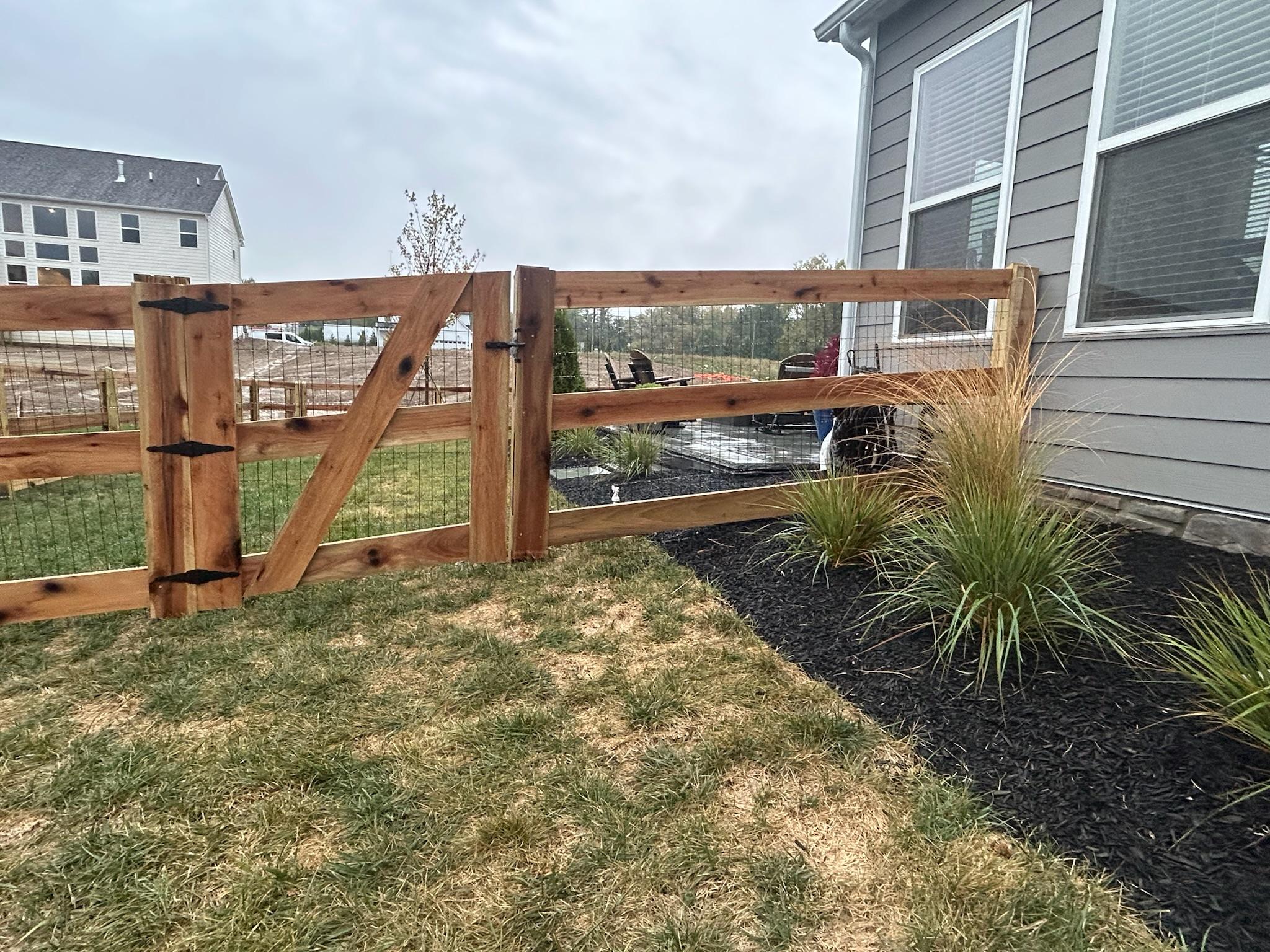
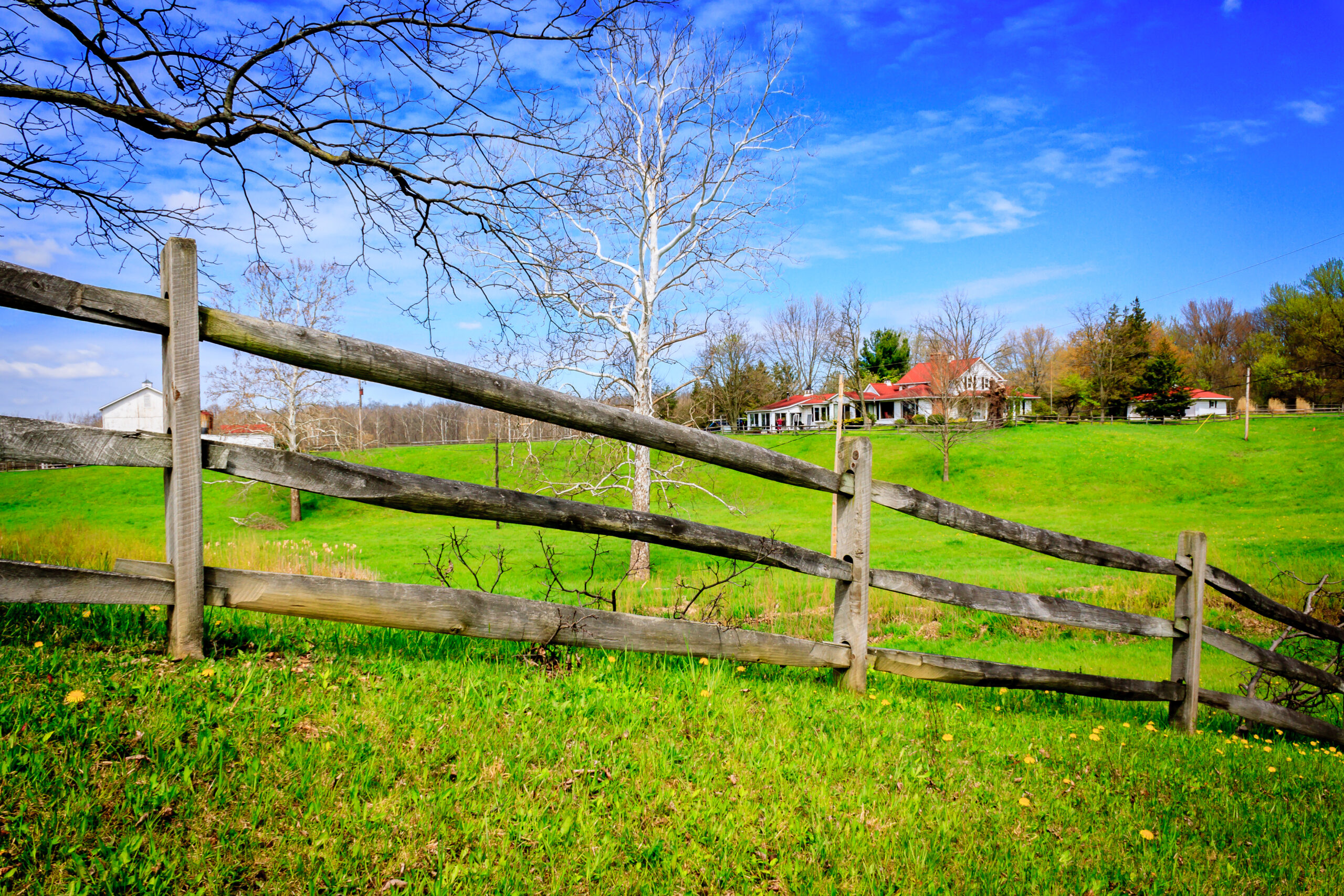
Acreage, livestock and irregular property layouts may call for farm fencing or a custom fence solution. These projects often depend on the terrain, animals being contained, visibility, gate placement and the amount of perimeter that must be covered.
Custom planning is also useful when a property has slopes, unusual boundaries or a design goal that cannot be met with a standard fence layout. The material should follow the property’s function rather than forcing the property to fit a generic system.
Match the Fence Material to Your Property Goals
Climate is important, but it is only one part of the decision. The best material also needs to match what you expect the fence to do every day.
Privacy, Security and Visibility
Wood and vinyl are natural candidates for privacy because they can create solid or near-solid barriers. Aluminum and chain link maintain more visibility, which can be useful for front yards, gardens, pools, businesses and properties where sightlines matter.
Security is also influenced by height, layout, gate hardware and installation quality. A durable material cannot compensate for a poorly planned access point or an unstable post. Consider the entire perimeter and how people, pets, vehicles or equipment move through it.
Budget and Maintenance Preferences
Compare both the initial project cost and the maintenance expected over time. Wood may be attractive for its appearance and customization, but it generally asks for more ongoing care. Vinyl and aluminum often reduce routine finish maintenance, while chain link can be economical for covering larger areas.
The lowest upfront price is not always the lowest long-term cost. A material that matches the property and receives appropriate maintenance is less likely to create avoidable repair work later.
Architecture, Landscaping and HOA Requirements
A fence should also make sense visually. Wood can complement traditional homes and natural landscapes, vinyl can provide a clean uniform appearance and aluminum can work well where an open decorative boundary is preferred.
Before finalizing the material and height, property owners should review applicable municipal requirements and any HOA restrictions. Rules can vary by location, so material, placement and height should be confirmed for the specific property rather than assumed from another neighborhood.
How to Identify Quality Fencing Materials
Two fences made from the same general material can perform very differently. Quality depends on the grade of the material, how components are manufactured and how the complete system is installed.
Look Beyond the Surface Finish
For wood, species, treatment, moisture exposure and finishing matter. For vinyl, panel and rail construction, post strength and reinforcement should be considered. For aluminum and chain link, coating quality, hardware and the suitability of the gauge or profile for the application can influence performance.
Ask what the material is designed to handle and how the installer plans to address the property’s terrain and exposure. A decorative residential boundary and a large commercial perimeter may require different specifications even when they use the same general material.
Installation Is Part of Material Performance
Even a high-quality fence material can fail early if posts are poorly placed, panels are misaligned or gates are not supported correctly. Professional installation should account for grade changes, drainage, wind exposure, soil conditions and repeated use at gates.
This is especially relevant in Central Ohio, where wet ground and freeze-thaw cycles can expose weaknesses in the installation. Material selection and installation should be planned together rather than treated as separate decisions.
What About Newer Fence Material Technologies?
Some newer fencing products are designed to reduce maintenance or improve resistance to moisture and weathering. The source material discusses options such as composite fencing, thermally modified wood, capstock vinyl and steel reinforcement systems.
These technologies can be worth asking about, but availability, cost, appearance and suitability vary by product and installer. Murphy Fence LLC’s core service pages currently emphasize wood, vinyl, aluminum, chain link, farm, custom and commercial fencing. Property owners should confirm whether a specific specialty material or reinforcement system is available before planning around it.
Maintain the Fence for Ohio’s Four Seasons
The right material reduces avoidable maintenance, but no exterior fence should be ignored indefinitely. Seasonal checks help identify small problems before they become structural issues.
After winter, inspect posts, gates, fasteners and panels for movement or damage. Keep wood clean and maintain protective finishes as needed. Wash vinyl and aluminum when dirt, algae or road residue builds up. Check chain link fabric, coatings and gate hardware for damage. Before winter, address loose components so snow, ice and wind do not make an existing problem worse.
Choose a Fence Material With the Whole Property in Mind
The best fence materials for Ohio’s climate are the ones that match both the environment and the property’s purpose. Wood offers warmth and customization, vinyl provides privacy with lower routine maintenance, aluminum combines an open appearance with corrosion resistance and chain link provides practical security and coverage.
Murphy Fence LLC brings more than 20 years of fencing experience to residential, commercial, farm and custom projects across Central Ohio. A project-specific consultation can help compare material, layout, maintenance and local requirements before installation begins.
Frequently Asked Questions
What fence material handles Ohio weather best?
There is no single best material for every property. Vinyl and aluminum are popular for lower routine maintenance, chain link is practical for open and larger perimeters and properly maintained wood remains a strong choice for owners who prefer a natural appearance. Site conditions and the fence’s purpose should guide the decision.
Is wood fencing a good choice for Central Ohio?
Yes. Wood can perform well in Central Ohio when the material is appropriate for the project and the fence is properly installed and maintained. It generally requires more ongoing protection from moisture, weathering and insects than vinyl or aluminum.
Does vinyl fencing hold up in cold Ohio winters?
Quality vinyl fencing is designed for outdoor exposure and avoids the rot issues associated with wood. Cold temperatures and wind still make product quality and correct installation important, so posts, rails and panels should be selected and installed for the specific site.
Which fence material requires the least maintenance?
Vinyl and aluminum are commonly chosen for lower routine maintenance because they do not require the same painting or staining schedule as wood. Chain link can also be relatively low maintenance, especially when the coating and hardware are appropriate for the application.
How do I choose between privacy and open fencing?
Start with how the property is used. Wood and vinyl are stronger choices for visual screening, while aluminum and chain link preserve sightlines. Consider pets, children, security, landscaping, gates, local requirements and the amount of privacy you actually need before choosing the final material.