Fencing on slopes, near mature trees, or with tight access isn’t as simple as setting posts in the ground. These tricky sites demand careful planning to protect your yard, trees, and budget. As a trusted Columbus fence contractor, Murphy Fence LLC knows how to tackle these challenges with solutions like racked fence panels and tree-safe layouts. Keep reading to learn what you need to consider before installing your fence on a challenging property. For more insights, you can check this guide on fencing a sloped yard.
Fencing on Slopes in Columbus
Sloped properties present unique challenges, but with the right approach, you can achieve a sturdy and attractive fence. Let’s explore how to handle different materials on uneven ground.
Racked vs. Stepped Fence Solutions
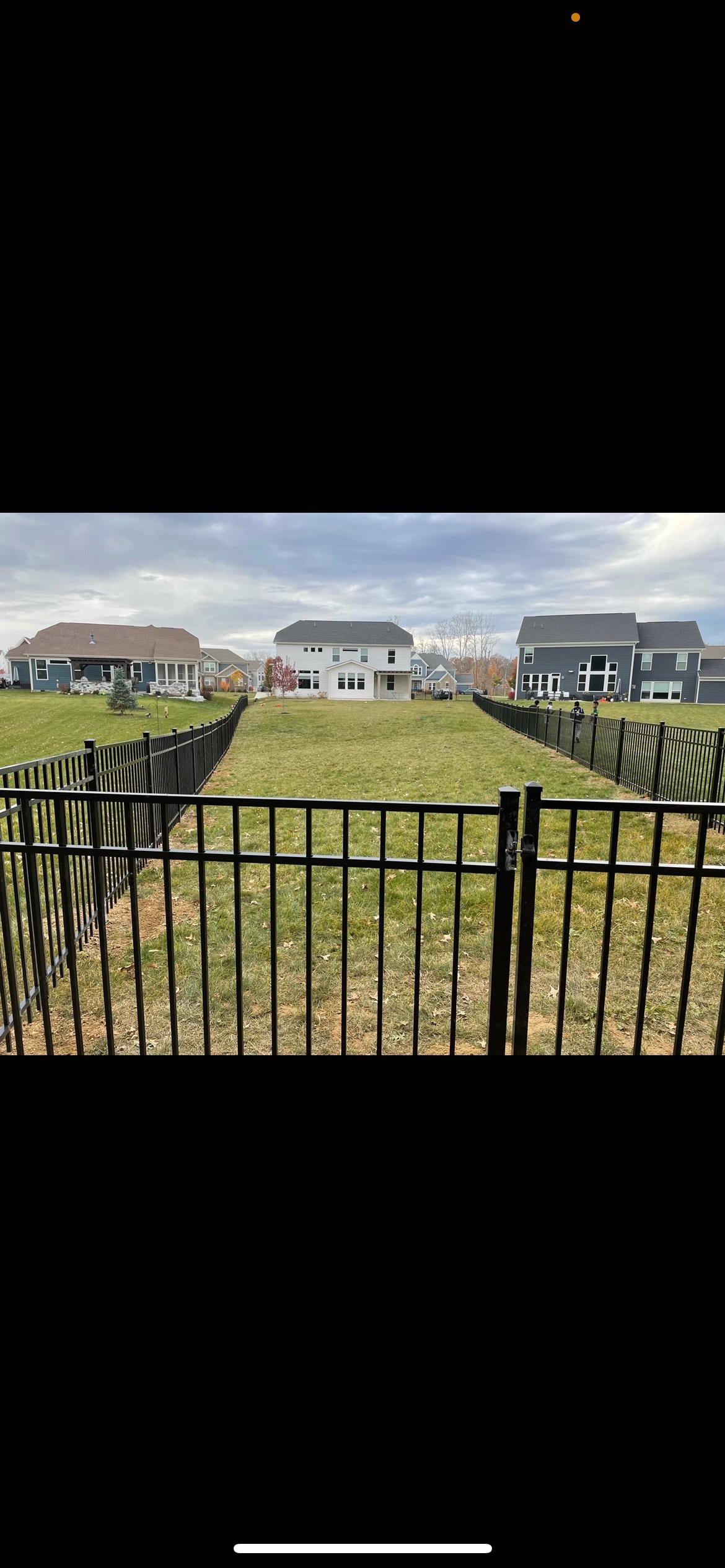
When dealing with slopes, two primary methods come into play: racked and stepped fences. Racked fences follow the terrain closely, offering a smooth appearance without visible gaps. This method is ideal for gradual slopes where you want continuous coverage without awkward angles. Stepped fences, on the other hand, create a series of level sections that “step” down the slope. This method works best for steeper grades, giving a structured look that can enhance certain architectural styles.
Choosing between these options depends on your landscape’s grade and aesthetic preferences. Racked fences require precise installation to maintain stability, while stepped fences provide a more straightforward solution for sharp inclines. For more detailed guidance, you can refer to this step-by-step approach to sloped fencing.
Vinyl and Aluminum on Uneven Terrain
Vinyl and aluminum fences offer durability and low maintenance, making them popular choices for challenging terrains. Vinyl fencing can be molded to fit the slope, and its flexibility helps absorb minor ground shifts. Aluminum is lightweight yet robust, ideal for areas prone to erosion or uncertain soil conditions.
Both materials work well with racked installations, allowing the fence to contour with the land. For steeper slopes, aluminum provides the added benefit of being easy to adjust and secure. Remember, proper installation is key to preventing issues like sagging or misalignment over time. For more tips on handling uneven grounds, consider exploring this online discussion.
Wood and Chain Link on Hillsides
Wood and chain link fences offer versatility and affordability for hillside properties. Wood brings a classic look and can be adapted for both racked and stepped designs. However, moisture management is crucial to prevent rot and warping. Chain link fences, while more functional, excel in areas needing visibility and airflow, such as around gardens or pools.
When using wood, ensure proper treatment and sealing to enhance longevity. Chain link fences require tensioning to accommodate slope changes, preventing sagging over time. Both types can be tailored to suit the specific grade of your property. For further advice on using these materials, this community forum offers valuable insights.
Navigating Fencing Around Trees
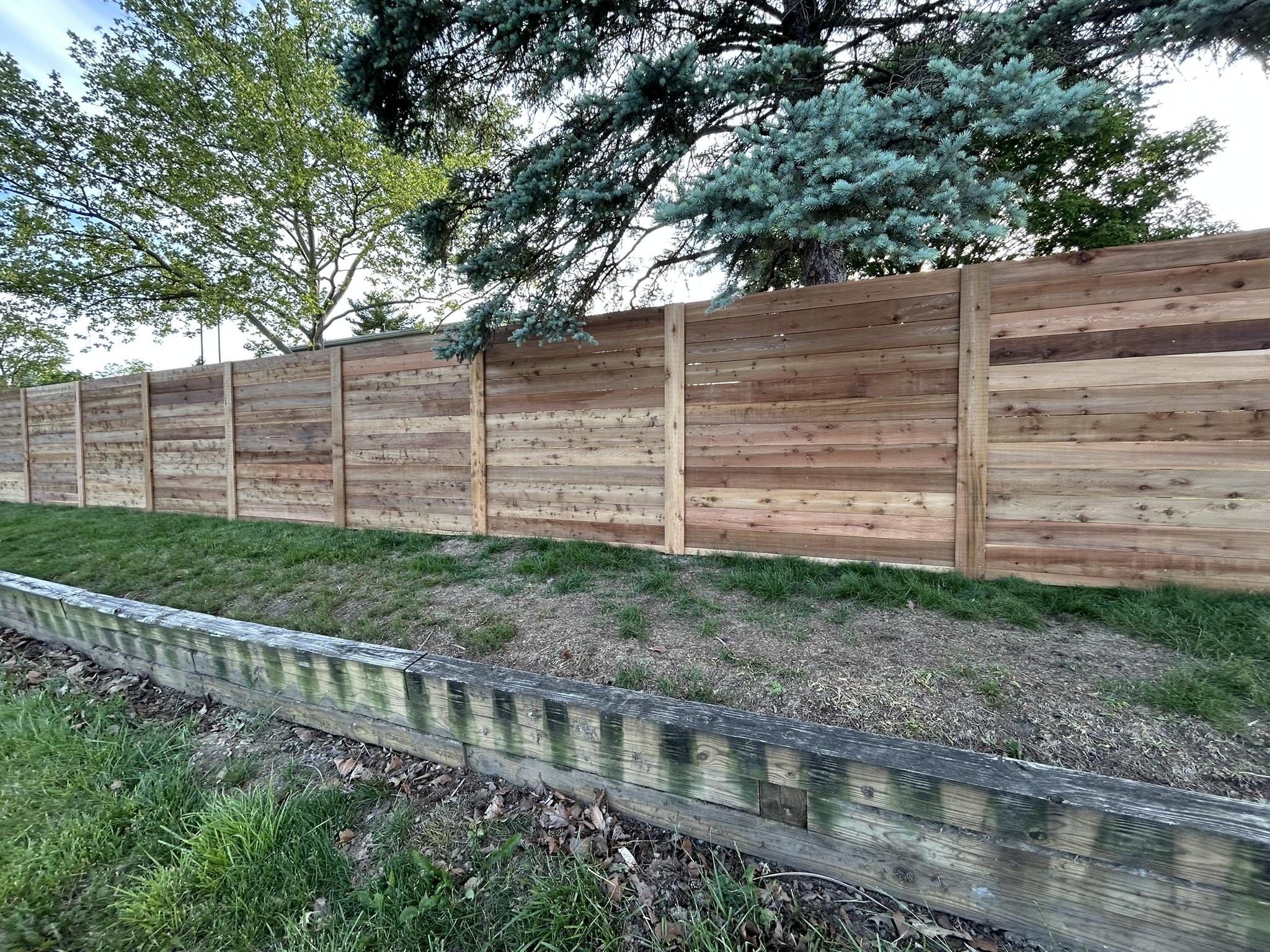
Trees are beautiful but can complicate fence installation. Protecting roots and maintaining tree health should be priorities when planning your fence.
Tree-Safe Layouts and Root Protection
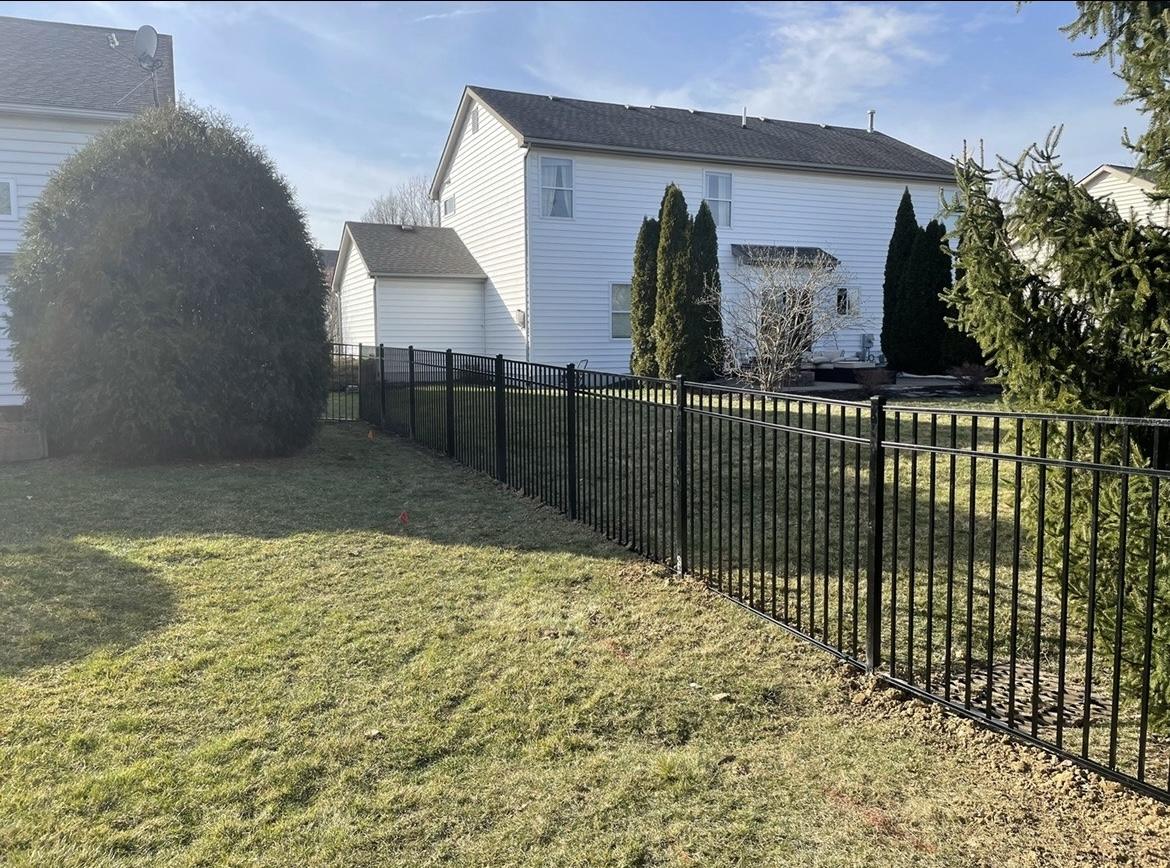
Protecting tree roots during fence installation is crucial for both the health of your trees and the stability of your fence. A tree-safe layout involves placing fence posts at a safe distance from the root zone, typically at least three feet from the tree’s drip line. This prevents root damage and allows trees to thrive.
Consider using adjustable brackets or sleeves to accommodate root growth, reducing stress on both the tree and the fence. Before digging, ensure you mark utilities through services like Ohio 811 to avoid underground hazards. Keeping roots intact significantly reduces the risk of leaning fences or uprooted trees.
Preserving Canopies with Smart Design
A well-designed fence can preserve the natural beauty of tree canopies while providing privacy and security. Opt for designs that allow air and light to filter through, such as lattice tops or spaced pickets. This approach enhances the health of the trees by maintaining airflow and sunlight penetration.
Strategically placing fence panels to frame trees, rather than obstructing them, also enhances the overall aesthetic of your yard. This not only benefits the trees but also creates a visually appealing landscape. For practical tips on designing around trees, check out this woodworking group discussion.
Choosing Materials for Tree-Lined Areas
Selecting the right materials for fences near trees ensures longevity and harmony with the natural landscape. Wood is a popular choice, offering a rustic look that complements greenery. Ensure it’s treated to withstand moisture. Vinyl, with its flexibility, can navigate around roots without causing damage, while aluminum offers a sleek, modern appearance with minimal maintenance needs.
When choosing materials, consider the tree species and their growth patterns. Opt for materials that can adapt to changes without compromising on stability or aesthetic appeal. This tailored approach ensures your fence not only protects but also enhances your tree-filled landscape.
Managing Tight Access Installations
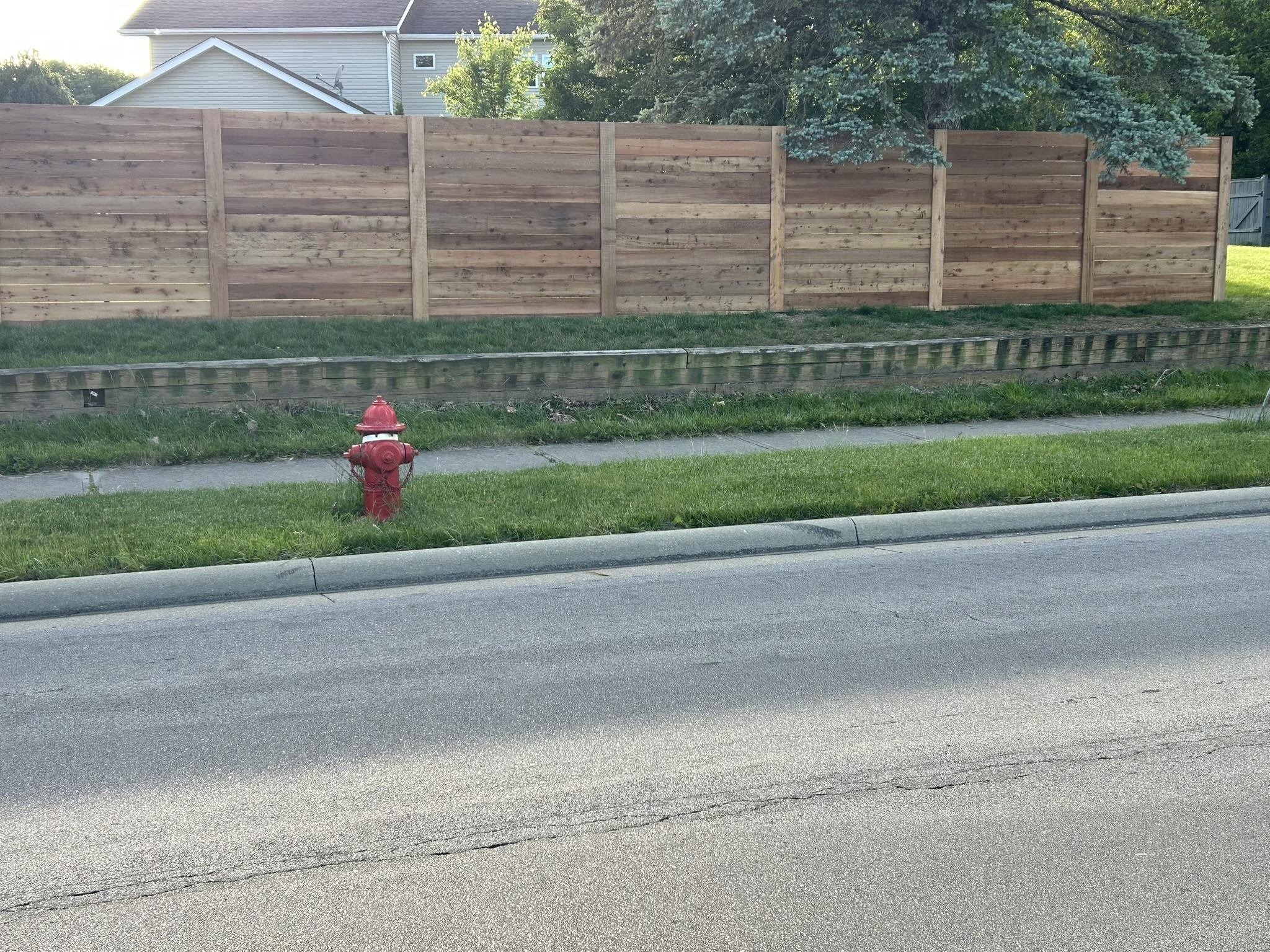
Narrow or restricted spaces can make fence installation challenging, but with the right strategies, you can overcome these obstacles effectively.
Compact Equipment Solutions
In areas with limited access, using compact equipment is essential. Smaller machinery can navigate tight spaces without disturbing the surrounding landscape. This approach minimizes damage to existing structures or landscaping features.
Adaptations such as using mini-excavators or handheld post-hole diggers allow for precise work in confined areas. This not only ensures a clean installation but also maintains the integrity of the surrounding environment.
Hand-Carry Methods for Narrow Spaces
When machinery can’t reach, hand-carry methods come into play. This technique involves physically transporting materials to the job site, piece by piece. While labor-intensive, it ensures that installations proceed smoothly, even in the tightest spots.
Break down materials into manageable sections, reducing the load and risk of damage during transport. This method requires careful planning but guarantees that fences are installed accurately and securely in restricted areas.
Overcoming Common Access Challenges
Access challenges require creativity and experience to resolve. One common issue is working within city codes or HOA guidelines, which often dictate fence height and style. Understanding these regulations upfront can prevent costly adjustments later.
Communicate with neighbors and local authorities to address concerns and secure necessary permits. This proactive approach not only smoothens the installation process but also fosters positive community relations.
Frequently Asked Questions
How do I choose between racked and stepped fences on a slope?
Racked fences follow the slope and are ideal for gradual inclines, while stepped fences create level sections suitable for steeper grades. Choose based on your property’s slope and desired aesthetic.
What materials are best for fencing around trees?
Wood, vinyl, and aluminum are excellent choices. Wood offers a traditional look, vinyl provides flexibility around roots, and aluminum is low-maintenance and modern.
What should I consider with tight access during installation?
Use compact equipment or hand-carry methods to navigate narrow spaces. Plan for access challenges by communicating with neighbors and understanding local regulations.
Can trees affect the stability of my fence?
Yes, trees can impact fence stability. Protect roots during installation and choose designs that allow airflow and sunlight, preserving tree health and the fence’s integrity.
How can I ensure my fence meets local regulations?
Research city codes and HOA guidelines before installation. This ensures compliance and prevents future modifications or fines.