Quick Summary
A successful vinyl fence project depends on accurate property planning, quality materials, stable post placement, and a layout suited to the yard. Slopes, corners, gates, soil conditions, permit requirements, and access can influence the installation process. Professional planning helps create consistent alignment, reliable gate operation, realistic scheduling, and long-term value.
A vinyl fence can bring privacy, structure, and a polished look to a residential property, yet its long-term performance depends heavily on how it is planned and installed. Soil conditions, property boundaries, local rules, material quality, and post placement all influence the finished result. A professional vinyl fence installation also helps create straight lines, reliable gate movement, and consistent spacing across the yard. Homeowners who understand these considerations can make more confident choices before work begins.
Let’s look at what shapes a well-built vinyl fence from the start.
What to Consider Before Vinyl Fence Installation
Before any fence work begins, the property should be reviewed, starting with whether you want privacy, pet containment, security, or a stronger visual boundary. Accurate property lines are important, since lawn edges and old fence paths can be misleading, while easements, neighborhood rules, and zoning requirements may affect placement, height, or style. Underground utilities must be marked before excavation starts, and Ohio utility notification should be arranged before digging so registered lines can be identified. A professional site review can reveal drainage issues, landscaping conflicts, and access limits that may shape the layout. Permit requirements can vary by municipality, fence height, property type, and location on the lot. Planning supports a smoother installation and reduces avoidable changes once materials arrive.
Choosing the Right Vinyl Fence Style and Materials
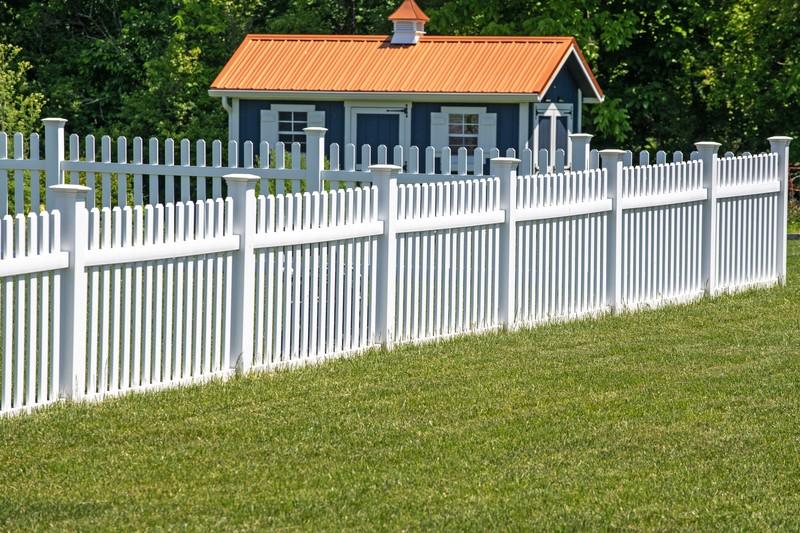
Vinyl fencing comes in several designs, and each one creates a different balance of privacy, airflow, appearance, and visibility. Full privacy panels provide a solid barrier, while partially private styles allow more light and movement through the fence line, and picket or post and rail designs create a more open look. Height, color, texture, and gate placement should complement your home and outdoor space. Material quality also deserves close attention, since premium vinyl often includes thicker walls, stronger rails, better UV protection, and reinforced posts where extra support is needed. Hardware quality can influence gate performance over time, especially at frequently used entrances. A careful comparison of product specifications, warranty terms, and structural features helps you choose a fence built for reliable long-term use.
How Professional Vinyl Fence Installation Begins
Professional installation starts with a detailed site evaluation and accurate measurement of the proposed fence line. Installers study the yard layout, soil conditions, grade changes, drainage patterns, and nearby structures before marking post locations, while gate positions are planned early to support people, pets, equipment, vehicles, and routine property maintenance needs. Patios, driveways, sheds, retaining walls, utility equipment, and mature landscaping can affect spacing or require custom transitions. The fence line is then staked with close attention to corners, changes in direction, and the dimensions of the selected system. Accurate measurements help determine the correct number of panels, posts, rails, caps, and hardware, while reducing uneven sections and awkward gaps. This preparation gives the installation crew a clear plan and supports a cleaner finished appearance across the property throughout installation.
Setting Posts and Installing Vinyl Fence Panels
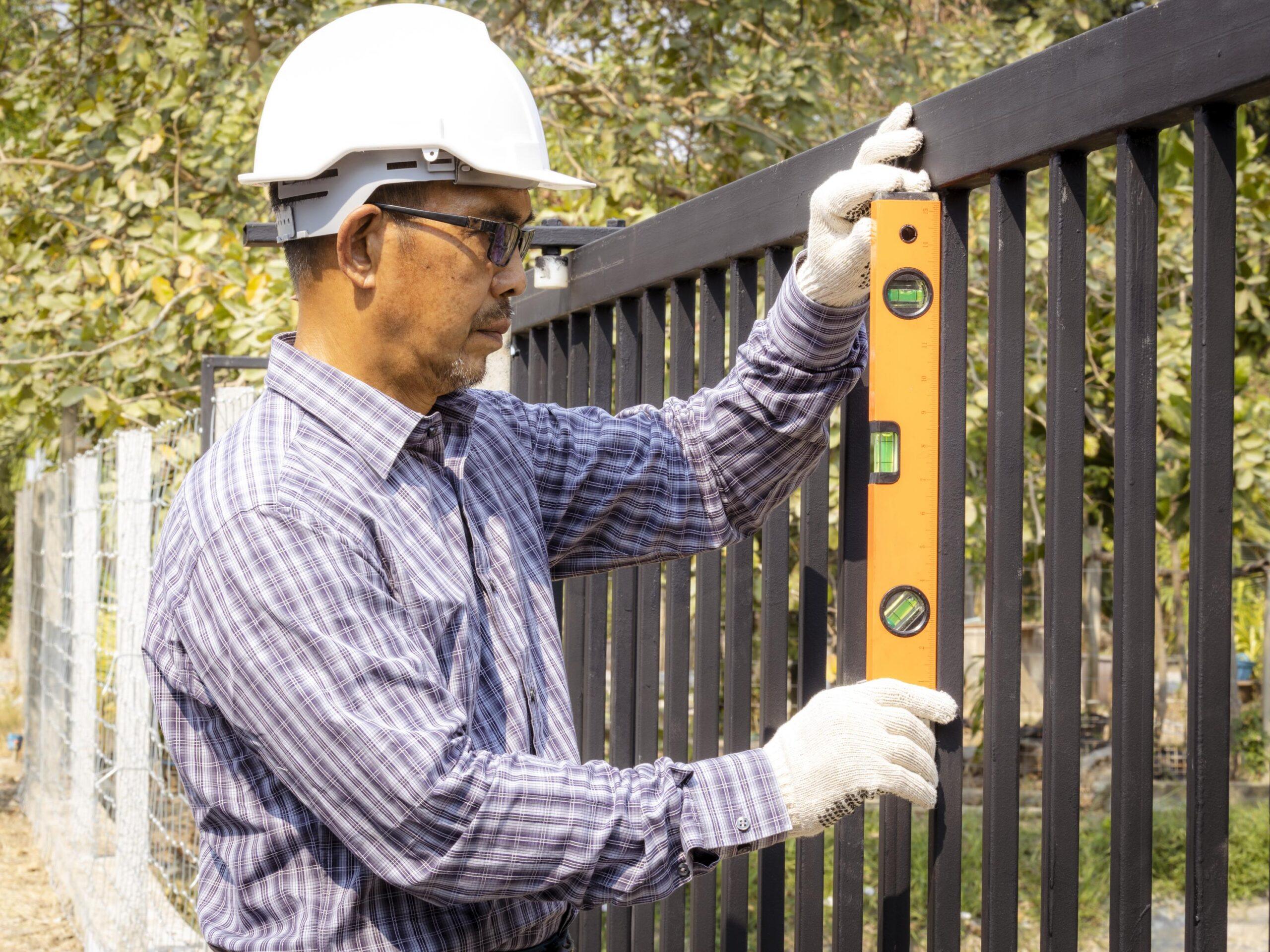
Post preparation has a major effect on the strength and alignment of a vinyl fence. Hole depth and width depend on fence height, soil conditions, product specifications, and local frost conditions, while each post must be positioned at the correct spacing. Installers check post height, level, and alignment before the concrete support is completed. Once the posts are stable, rails, panels, pickets, or infill boards are placed according to the selected fence system. Routed posts and bracket systems use different connections, so manufacturer instructions guide assembly, panel height, rail consistency, and ground clearance. Precise placement keeps the fence line straight and helps gates, corners, and adjoining sections fit as intended through every stage of installation.
Handling Slopes, Corners, and Gates
Uneven ground and complex layouts require more planning than a flat, straight fence line. On sloped yards, installers may use a stepped design or a racked system that follows the grade more closely, depending on the fence style, slope angle, privacy goals, and acceptable space beneath each section, while careful planning limits large gaps that could weaken privacy. Corners and changes in direction also need accurate spacing so panels connect cleanly without forced adjustments. Gates require extra attention since repeated movement places greater stress on posts and hardware. Keep in mind that gates are a set feature. Because of this, installing a gate on a sloped section of the yard may create a larger gap beneath the gate to allow it to open and close properly. Reinforced gate posts, suitable hinge placement, proper latch clearance, and the correct swing direction all support reliable operation. Access needs should also be considered, especially when gates must accommodate lawn equipment, trash containers, pets, pedestrians, or vehicles.
Vinyl Fence Installation Timeline and Cost Factors
The timeline for a vinyl fence project depends on several property and design factors. Total linear footage, fence height, gate quantity, soil conditions, slope, weather, and site access can affect the schedule, while permit review or neighborhood approval may add time before installation begins. Custom sections, reinforced posts, and complex corners can also require additional preparation. Cost follows a similar pattern, with material grade, fence style, height, total length, hardware quality, gate size, and terrain shaping the final estimate. Existing fence removal, difficult excavation, limited equipment access, and specialty transitions can increase labor needs. Panel pricing represents only one part of the project cost, since posts, rails, concrete, hardware, permits, delivery, and installation form the complete system, making a detailed site assessment more useful than a simple price per panel and giving you a more realistic view of total value.
Build a Vinyl Fence That Fits Your Property
A successful vinyl fence project starts with careful planning and accurate installation. The right design should suit your privacy goals, property layout, local requirements, and daily use while maintaining clean lines and dependable performance. Quality materials, stable posts, thoughtful gate placement, and skilled workmanship all shape how the fence looks and functions over time.
At Murphy Fence, we provide complete vinyl fence installation with custom planning for your home and yard, from early planning through final installation. We use top quality materials, review site conditions closely, and manage permitting for clients in nearly every county we serve. Our team also installs wood, aluminum, chain link, farm, and commercial fencing when another material better fits the property. With more than 20 years of residential and commercial experience, we focus on premium results built around your needs.
Ready to improve your property with a fence designed for lasting value? Contact us to request a consultation and quote.
FAQs
How long does a vinyl fence installation take?
Project timing varies with total fence length, yard access, soil conditions, slope, gate quantity, weather, permit review, and custom design needs. A straightforward residential project can move faster than one with difficult terrain or several reinforced gates. A professional site assessment provides the clearest schedule before materials are ordered and installation begins.
Can vinyl fencing be installed on a sloped yard?
Yes. Installers can use a stepped layout or a racked system that follows the grade more closely. The right method depends on the slope, fence design, privacy expectations, and the amount of open space acceptable beneath each section. Careful planning helps the fence maintain balanced lines and dependable coverage across uneven ground.
What affects the cost of vinyl fence installation?
Cost is shaped by linear footage, fence height, vinyl grade, style, gate size, hardware, terrain, soil, access, permits, and any existing fence removal. Custom corners, reinforced posts, or specialty transitions can add labor and materials. A detailed property evaluation gives you a more accurate estimate than comparing panel prices alone.