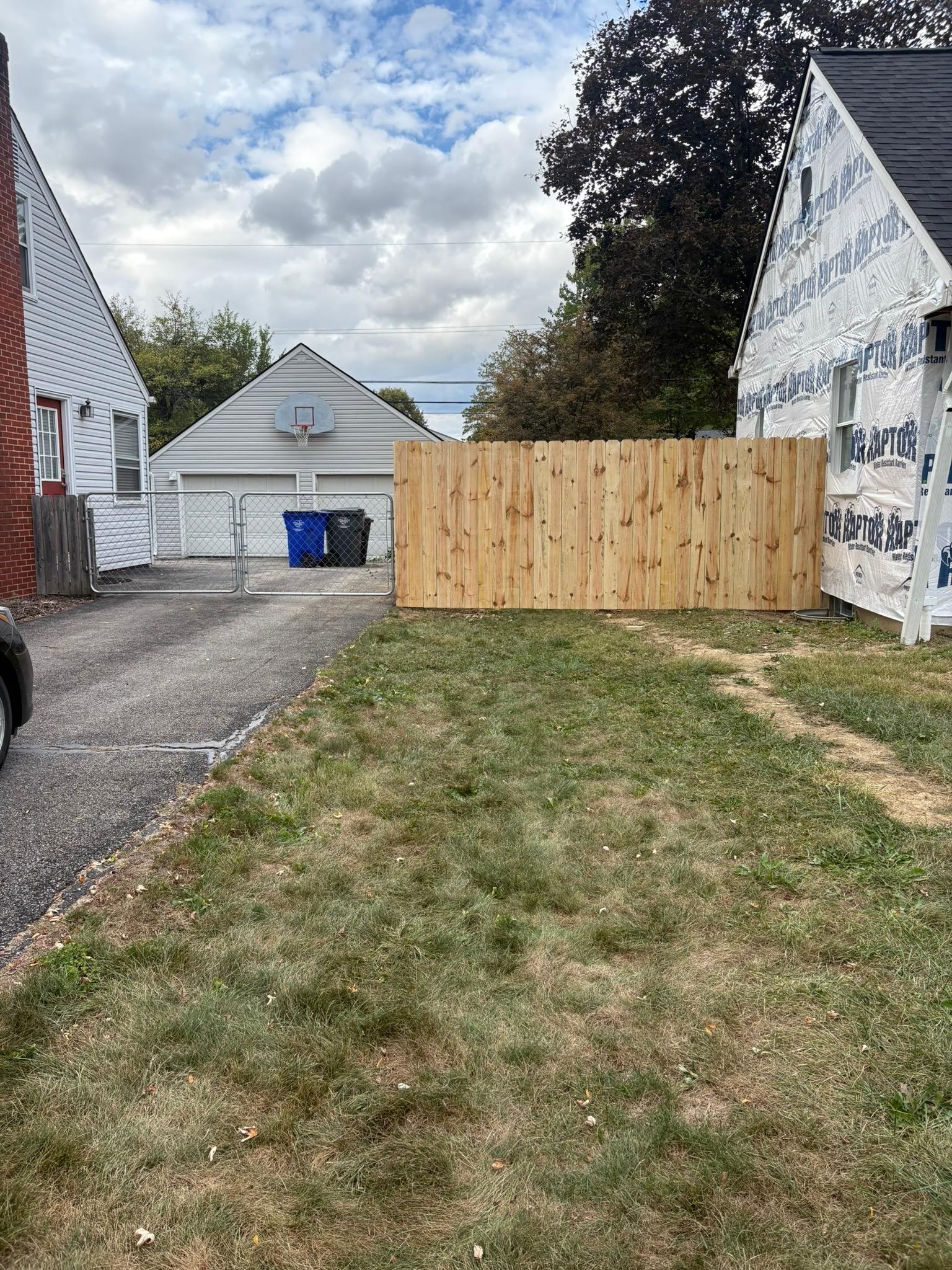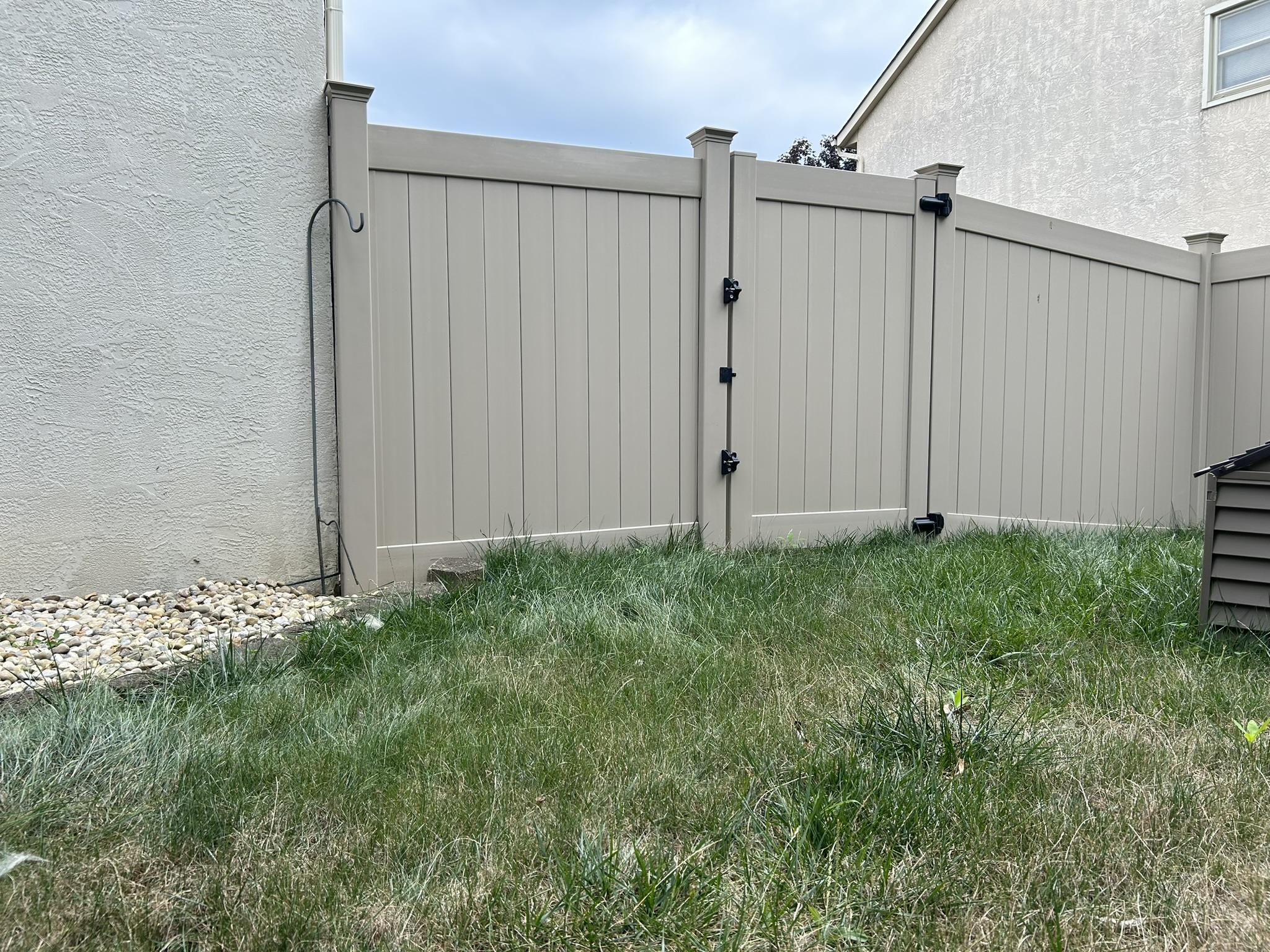
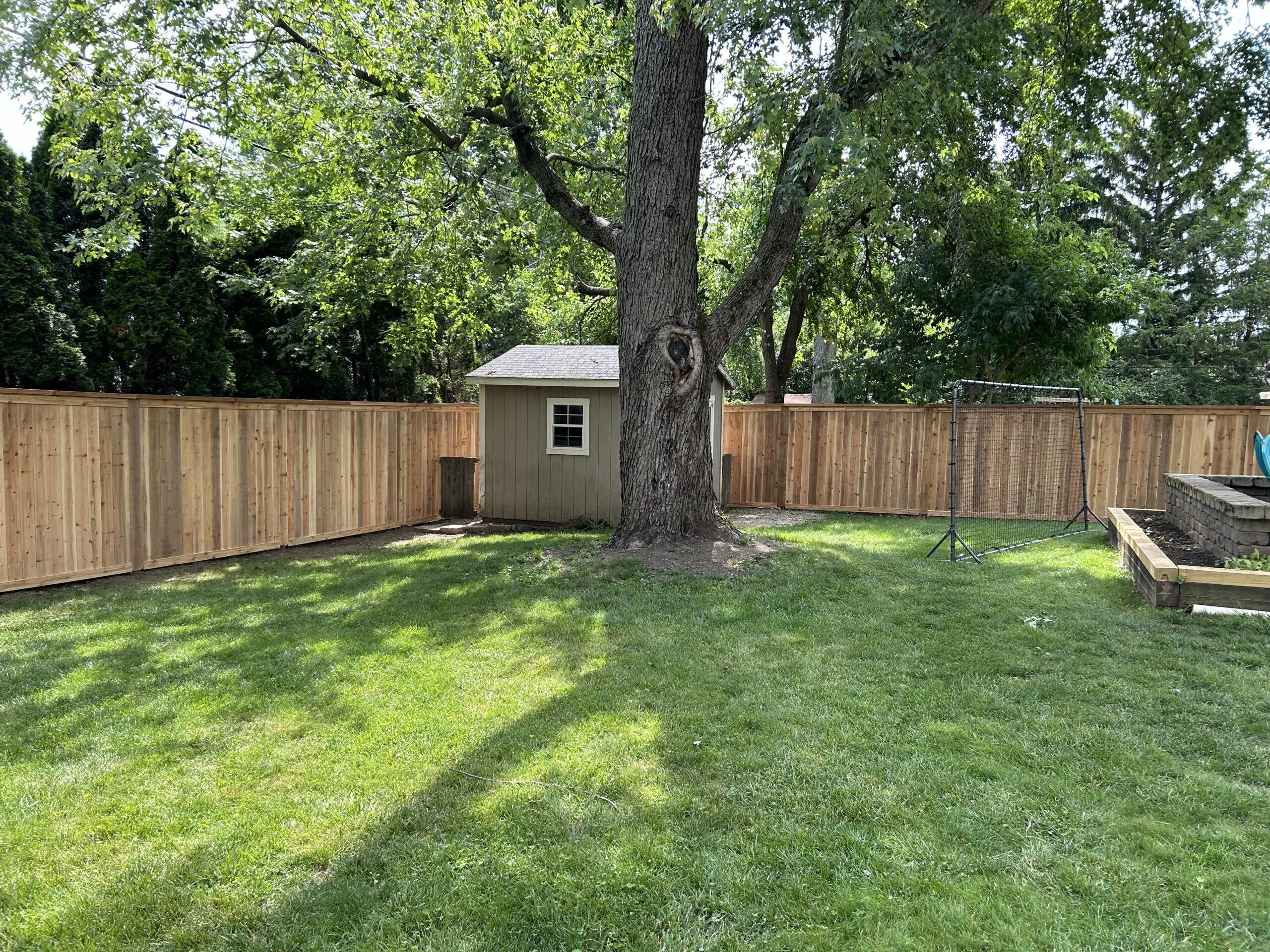
Uneven or sloped yards in Central Ohio bring unique challenges when installing a fence. If your property has hills, irregular shapes, or obstacles, a standard fence approach won’t cut it. Understanding key factors like fence design options, local permits, and soil conditions will save time and money. Read on to learn what matters most before installing a fence for an uneven yard and how Murphy Fence LLC can help you get it right.
Planning Your Fence Installation
Careful planning is crucial when tackling a fence installation on challenging terrain. Let’s explore the essential steps to ensure a successful project.
Assessing Your Property’s Terrain
First, identify the unique qualities of your yard. Is it sloped or filled with obstacles? Knowing this helps you choose the right fence type. Walk around your property to spot any natural barriers or slopes. Take notes on these features, as they will impact your design choices. Consider hiring a professional to provide insights specific to your land form.
Importance of a Property Survey
A property survey clarifies your boundaries, preventing disputes with neighbors. It ensures your fence is on your land, not theirs. It also highlights any easements or underground utilities. Reach out to a surveyor if you’re unsure about your boundary lines. This step prepares you for any legal or logistical hurdles.
Understanding Columbus Fence Permits
Columbus requires permits for most fence installations. Check with local authorities to understand requirements specific to your area. Know the height restrictions and other guidelines. If your property is in a homeowner’s association, review their rules as well. Proper permits prevent fines and forced alterations.
Design Considerations for Unique Lots

Once you understand your terrain and legal requirements, it’s time to focus on design. Choose solutions that complement your property’s unique features.
Choosing Racked vs Stepped Fence
Racked fences follow the slope of your land, offering a smooth look. Stepped fences, on the other hand, create a terraced effect. Decide based on your yard’s slope and your aesthetic preference. Racked fences are great for gradual slopes, while steep inclines might benefit from stepped designs. This decision impacts both appearance and installation complexity.
Integrating Drainage and Retaining Walls
Proper drainage prevents water damage to your fence. Consider adding retaining walls to support soil on slopes. These elements ensure durability and safety. Discuss options with a contractor, who can recommend solutions tailored to your terrain. This step protects your investment and enhances your yard’s stability.
Custom Fence Solutions for Irregular Lots
Irregular lots call for custom solutions. Think beyond standard fence designs. Consider materials like wood, vinyl, or aluminum that can be adapted to unique shapes. Work with a contractor to create a fence that meets both practical and aesthetic needs. Custom solutions might involve mixed materials or unique layouts to fit your property’s specific challenges.
Installation Tips and Professional Guidance

With a design in place, focus on installation techniques that ensure your fence stands strong against Central Ohio’s weather.
Ensuring Proper Post Depth for Frost Line
In Ohio, frost lines can affect post stability. Ensure your fence posts are deep enough to prevent shifting. Typically, this means digging at least 36 inches deep. This depth varies based on specific soil conditions. Correct post depth is crucial for a long-lasting fence, especially during freeze-thaw cycles.
Scheduling a Professional Site Assessment
A professional assessment provides expert advice on installation challenges. This step ensures your design is feasible and identifies potential issues. Choose a contractor who knows local conditions and can offer tailored solutions. They’ll help you plan the project timeline and budget, ensuring no surprises.
Choosing the Best Fence Contractor in Columbus
Selecting the right contractor is vital for a successful project. Look for experience and a strong reputation in the area. Murphy Fence LLC, with over 20 years of expertise, is a trusted choice in Central Ohio. Their knowledge and customer-first approach make them a reliable partner for your fencing needs.
Frequently Asked Questions
What is the best type of fence for a sloped yard?
The best type of fence depends on the slope’s severity and your aesthetic preferences. Racked fences suit gradual slopes, while stepped fences work for more severe inclines.
Why is a property survey important before installing a fence?
A property survey clarifies your boundary lines, ensuring your fence is placed correctly. It prevents disputes with neighbors and highlights any easements or utilities.
How deep should fence posts be in Ohio?
Fence posts in Ohio should typically be at least 36 inches deep to account for frost lines. This depth helps prevent shifting during freeze-thaw cycles.
Do I need a permit to build a fence in Columbus?
Yes, Columbus requires permits for most fence installations. Check local regulations and any homeowner’s association guidelines to ensure compliance.
How can a professional site assessment help with fence installation?
A site assessment provides expert insights into your property’s specific challenges. It ensures your design is feasible and helps identify any potential issues early on.