
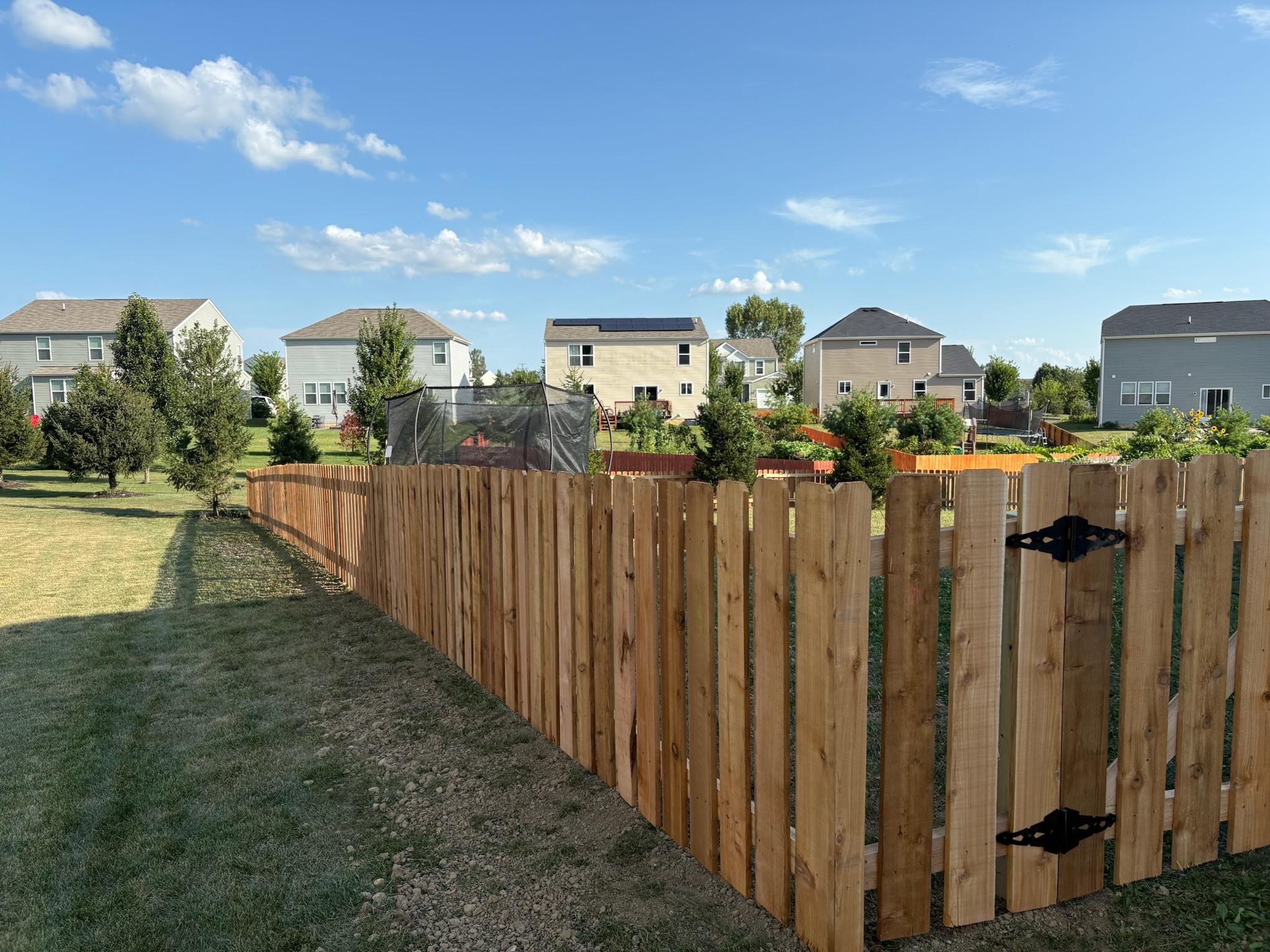
Installing a fence on uneven ground, near mature trees, or in tight spaces can quickly become complicated if you don’t plan carefully. Many homeowners in Columbus overlook how slopes, root zones, and narrow access affect design, cost, and timing. Knowing the right approach for your property helps avoid delays and protects your landscape. This guide will help you understand what to expect when considering a fence on a slope and other tricky spots around your home or business. For more insights, visit our detailed guide here.
Navigating Fencing on Slopes
Choosing the right method for fencing on a slope can save you time and money. Here’s what you need to know.
Stepped vs Racked Fence: Key Differences
When it comes to fencing on sloped ground, “stepped” and “racked” are terms you might hear. But what do they mean? Stepped fences consist of panels installed horizontally, creating a step-like appearance on sloped terrain. This approach works well with traditional fence designs, but it may leave gaps underneath the fence line. Alternatively, a racked fence follows the contour of the land, adjusting the angle of each panel to maintain a consistent height above the ground. This method reduces gaps, making it ideal for uneven ground. Most people think stepped fences are easier to install, but racked fences can offer better security and aesthetics, especially on steep slopes. Consider the slope’s angle and your property’s style when choosing between the two.
Installing a Vinyl Fence on a Slope
Vinyl fencing on a slope requires careful planning. Start by determining the slope’s grade to decide whether stepping or racking is better. Vinyl’s flexibility makes it suitable for both methods. If you choose a stepped design, you’ll need to cut the panels to fit each section of the slope. For a racked fence, adjustable brackets can help angle the panels correctly. Vinyl’s low maintenance and durability are appealing, but improper installation can lead to warping or gaps. Ensure your contractor has experience with slopes to achieve a sturdy, long-lasting installation.
Building a Wood Fence on a Hill
A wood fence on a hill needs a solid plan to maintain aesthetics and function. First, decide if you want the fence to step or rack. Stepping involves horizontal sections, while racking follows the hill’s curve. Wood’s versatility allows for custom fitting, but it requires precise measurement and cutting. Consider using pressure-treated wood to withstand the elements. Keep in mind that wood can be more labor-intensive to install on a slope, impacting costs. Despite the challenges, a well-crafted wood fence can enhance your property’s appeal and provide lasting privacy.
Tackling Fences Around Trees
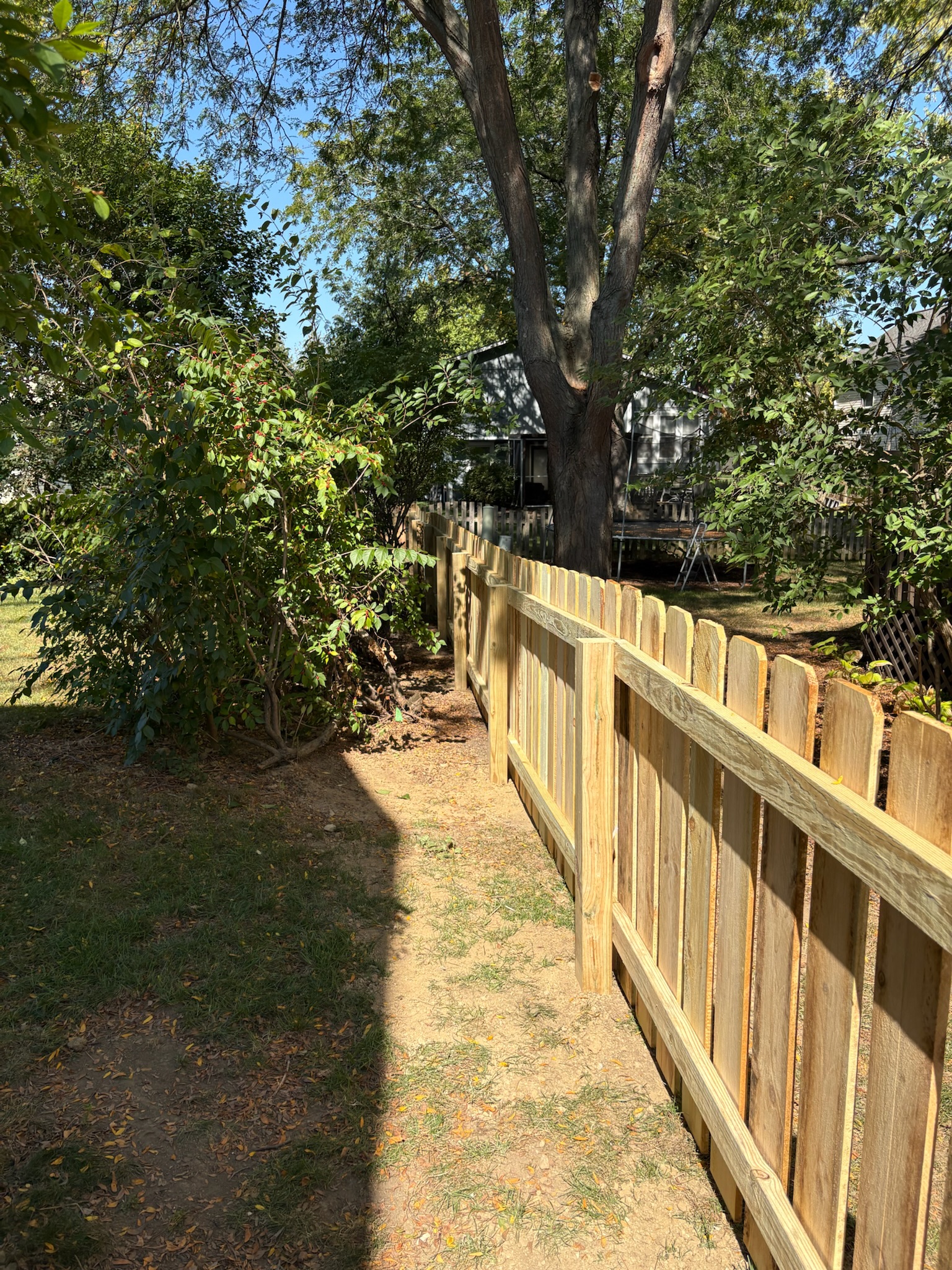
Fencing near trees presents unique challenges. Protecting tree roots is crucial to maintaining tree health and fence stability.
Tree Root Protection Fencing
When installing a fence near trees, root protection is paramount. Tree roots can extend far beyond the trunk, impacting fence placement. Avoid trenching directly through root zones to prevent damage. Instead, use post holes that give roots a wide berth. Alternative methods, like horizontal drilling, can keep disruption minimal. Tree root protection fencing ensures that both your tree and fence thrive. Planning with your contractor is essential to balance tree health with fence stability.
Fence Around Trees in Columbus
In Columbus, tree preservation is a priority for many homeowners. Fencing around trees requires creative solutions. One method involves curving the fence to accommodate the tree’s base and roots, which can also add visual interest. Another option is building separate enclosures around trees, linking them with gates or panels. Always consult with local experts who understand Columbus’s unique flora and regulations. A thoughtful approach can protect your trees and property value.
Preserving Tree Health with Fencing
Maintaining tree health while fencing involves careful planning. Keep construction activities away from the tree’s drip line, where roots are most active. Use fencing materials that allow air and water circulation to the roots. Consider the tree’s growth over time, ensuring the fence design accommodates future expansion. Preserving tree health with fencing not only enhances your landscape’s beauty but also supports local ecology.
Overcoming Tight Access Challenges
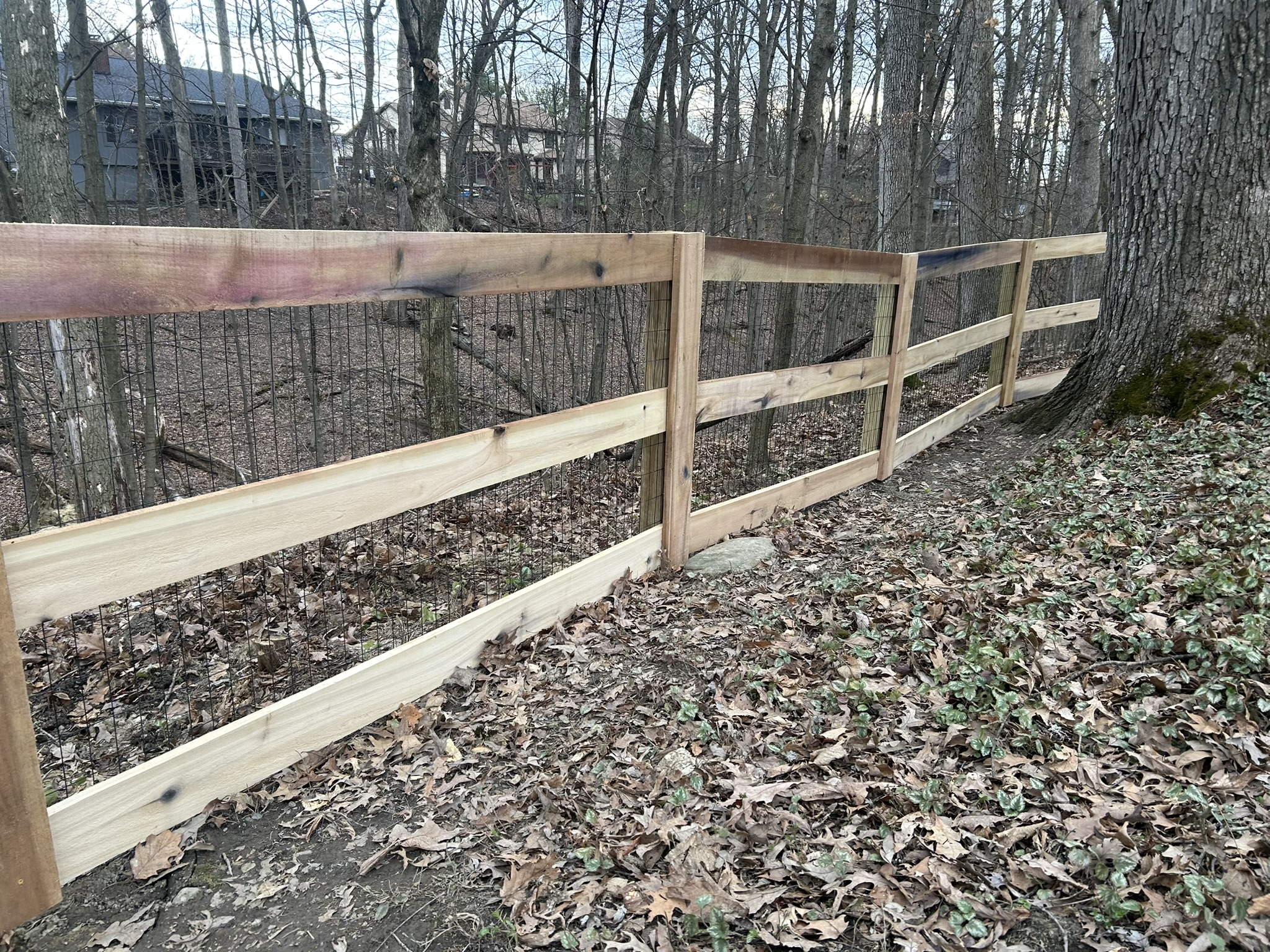
Installing fences in tight spaces requires innovation and precision. Here’s how you can tackle these challenges.
Strategies for Narrow Side Yard Fencing
Narrow side yards present unique fencing challenges. Space constraints limit equipment use and material choice. Opt for compact fencing materials like aluminum or narrow-profile wood panels. Modular designs can be assembled on-site, minimizing disruption. Hinged or sliding panels make maintenance accessible. Narrow side yard fencing benefits from creative planning, turning a challenging space into a functional, attractive feature.
Tight Access Fence Installation Tips
Tight spaces demand strategic solutions for fence installation. Use lightweight materials that are easy to maneuver. When machinery access is restricted, hand tools and skilled labor become vital. Hire contractors experienced in working within confined spaces. Plan for additional time, as tight access can slow progress. Despite these hurdles, thoughtful design and expert execution can achieve a seamless installation.
Compact Equipment and Hand-Carry Solutions
In tight spaces, equipment choice is crucial. Compact equipment can navigate narrow passages, reducing landscape disruption. Hand-carry solutions, like modular panels, are ideal when machinery can’t reach. This method allows for precision placement, maintaining quality while overcoming space constraints. Investing in compact equipment and hand-carry solutions ensures your fence installation is efficient and effective, even in the most challenging areas.
Frequently Asked Questions
How do I decide between a stepped or racked fence?
Choosing between stepped and racked fences depends on your property’s slope. Stepped fences are suitable for gradual inclines, while racked fences work better on steep slopes, providing a smoother appearance.
Can I install a vinyl fence on a steep slope?
Yes, vinyl fencing can be installed on steep slopes. Consult with a professional to determine whether stepping or racking is better for your slope and to ensure proper installation techniques.
How do I protect tree roots when installing a fence?
To protect tree roots, avoid trenching through the root zone. Use post holes that bypass roots and consider techniques like horizontal drilling to minimize disturbance.
What fencing solutions work best for narrow side yards?
For narrow side yards, use compact materials, modular designs, and lightweight panels. Sliding or hinged panels can improve accessibility and maintenance.
How can I install a fence in a tight space with limited equipment access?
In tight spaces, compact equipment and hand-carry solutions are essential. Modular panels and precision placement ensure quality installation with minimal disruption.