Uneven ground can turn a simple fencing project into a tricky challenge for any property owner in Columbus. You want a fence that looks great and stands strong on your sloped yard, but not all fencing methods work the same on uneven terrain. In this post, you’ll get clear guidance on options like racked fence versus stepped fence, drainage tips, permit details, and material choices—everything to help you plan your perfect fence with confidence. For more insights, check out our detailed guide here.
Key Steps for Fencing on Uneven Ground
Successfully tackling fencing on uneven ground requires understanding the unique challenges your yard presents. Let’s break down the steps for a solid, stylish fence.
Understanding Terrain Challenges
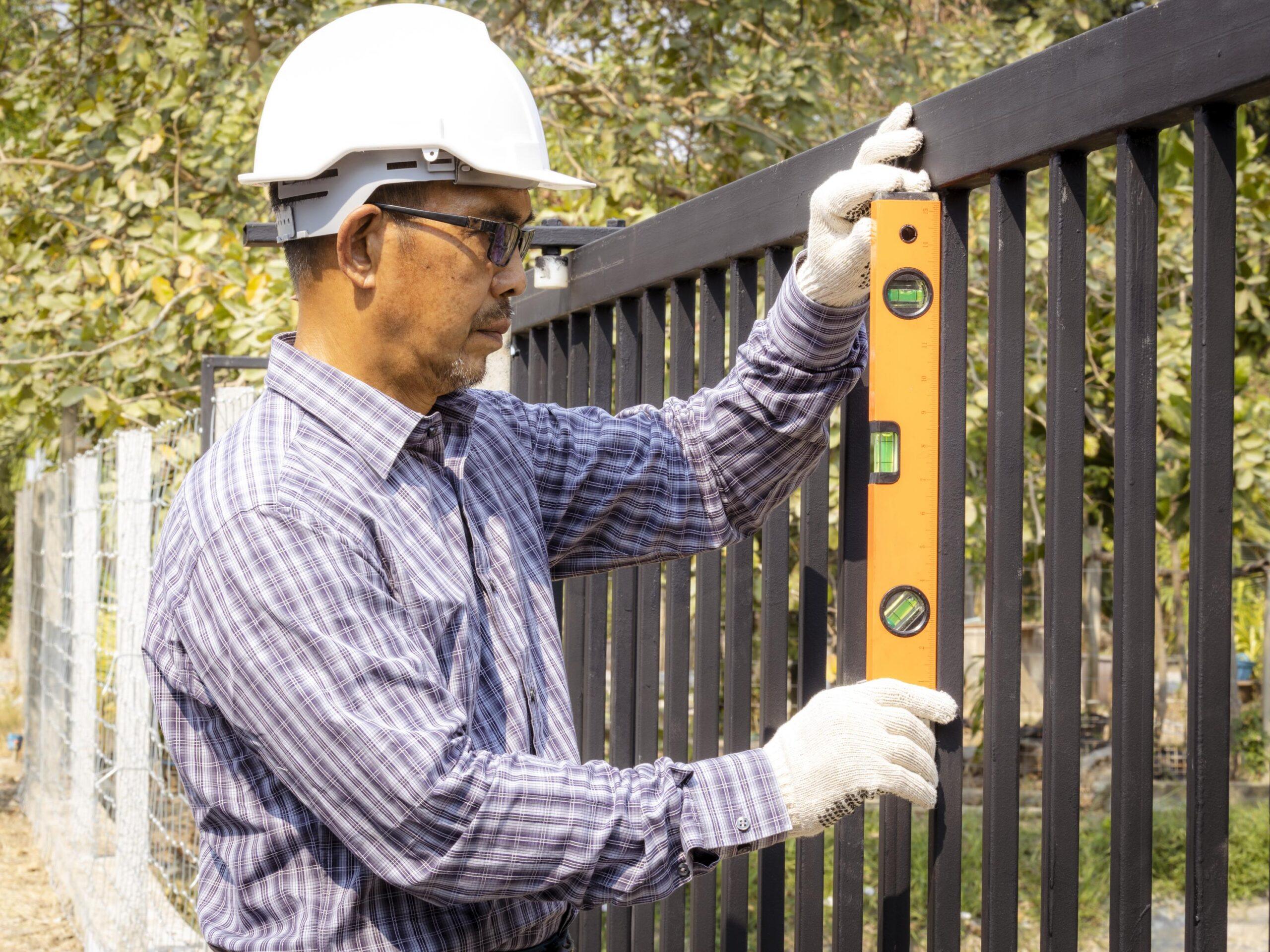
Uneven terrain can make fence installation tricky. It’s key to recognize how slopes affect stability. When dealing with hills or valleys, any misstep can lead to a leaning or crooked fence. Your first step is to assess the degree of slope. A simple way to gauge this is by using a level and measuring tape. Knowing the slope’s degree helps in deciding the installation method. This ensures your fence stands firm and looks great, even on challenging ground.
Racked vs. Stepped Installations
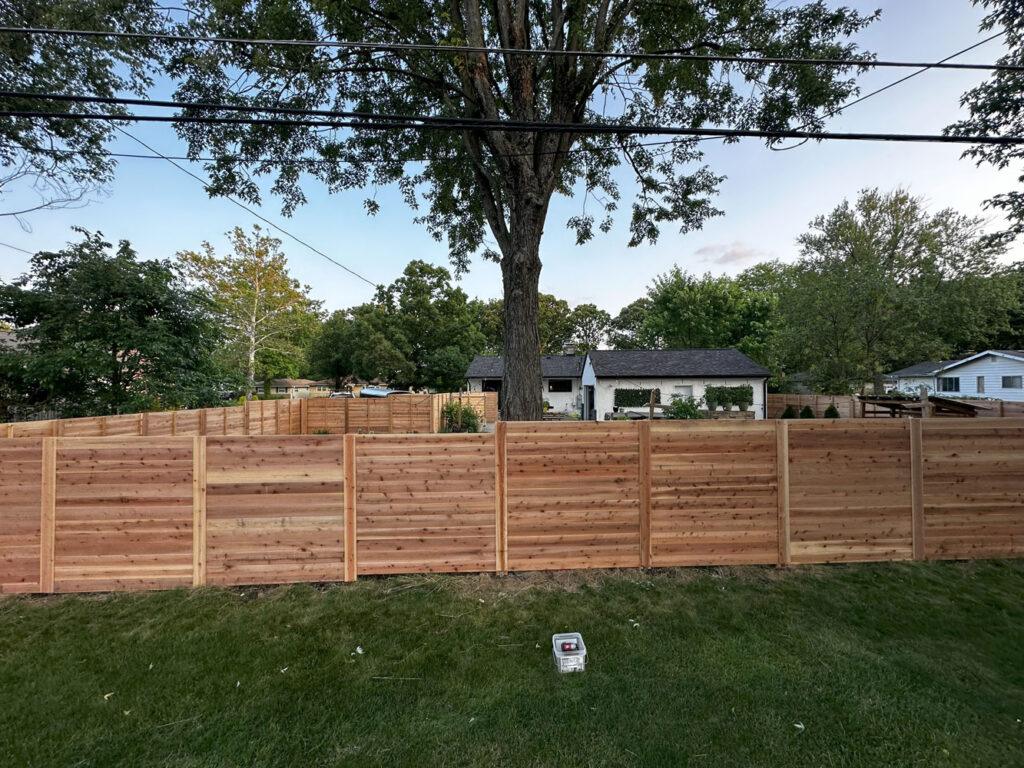
Choosing between racked and stepped installations depends on your yard’s uneven ground fence solutions. Racked fences follow the ground’s contour, giving a smooth appearance. This method is ideal for gentle slopes. Stepped fences, on the other hand, involve a series of level sections that step down with the slope. This technique works well for steeper grades. Each method has its advantages: racked fences offer a continuous look, while stepped fences provide uniform sections. Think about aesthetics and function when choosing what’s best for your yard.
Importance of Drainage and Erosion Control
Proper drainage and erosion control are critical for fence longevity. Without it, water can pool, weakening the fence posts. Start by observing water flow in your yard. If you notice water collecting, consider installing French drains or grading the land. These measures help divert water, protecting your fence from moisture-related damage. Effective drainage not only prolongs your fence’s life but also keeps your yard looking its best.
Options for Materials and Designs
When it comes to fencing, the right materials and design can transform your yard. Explore options that suit both your style and functional needs.
Choosing the Right Fence Material
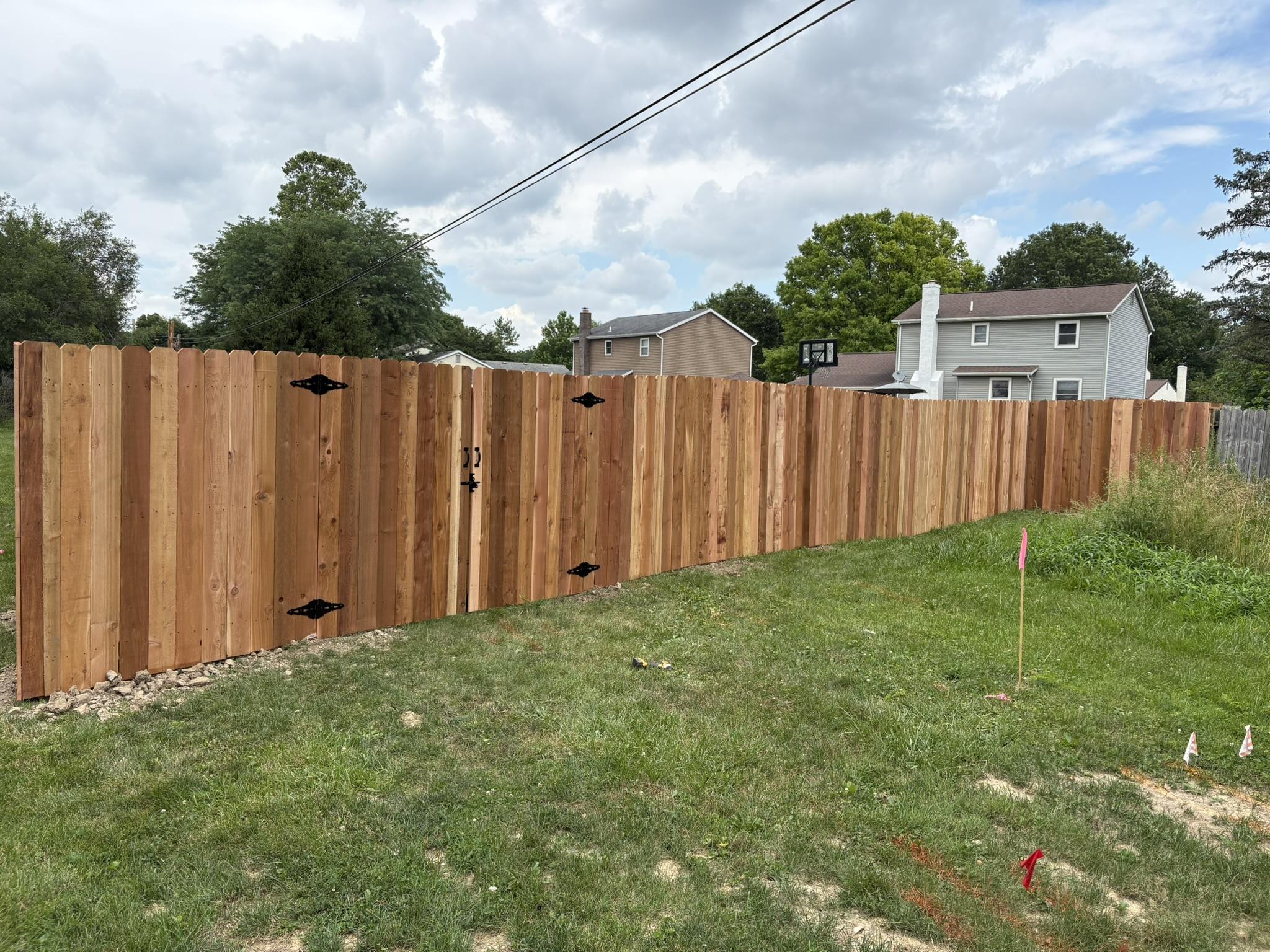
Selecting the right material sets the stage for durability and style. In Columbus, popular choices include wood, vinyl, and aluminum. Wood fences offer a classic look and can be stained to match your home’s aesthetic. Vinyl fences are low-maintenance and resist weathering, while aluminum fences provide a sleek, modern appearance with great durability. Each material suits different needs: wood for charm, vinyl for ease, and aluminum for longevity. Consider your priorities when deciding which material fits best.
Designing Secure Gates on Slopes
Secure gates are essential, especially on slopes. They need to be both functional and attractive. When designing gates for sloped areas, ensure the latch is easily accessible and the gate swings freely without dragging on the ground. Use adjustable hinges to accommodate uneven ground and ensure smooth operation. A well-designed gate not only enhances security but also adds to your fence’s overall appeal.
Customizing Your Fence for Curb Appeal
Customizing your fence gives your property a unique touch. This could mean adding decorative post caps, integrating lattice panels, or painting your fence to complement your home. Custom touches can enhance your yard’s aesthetic, making your home stand out in the neighborhood. Think about what elements reflect your personal style and make your fence an extension of your home’s charm.
Local Considerations in Central Ohio
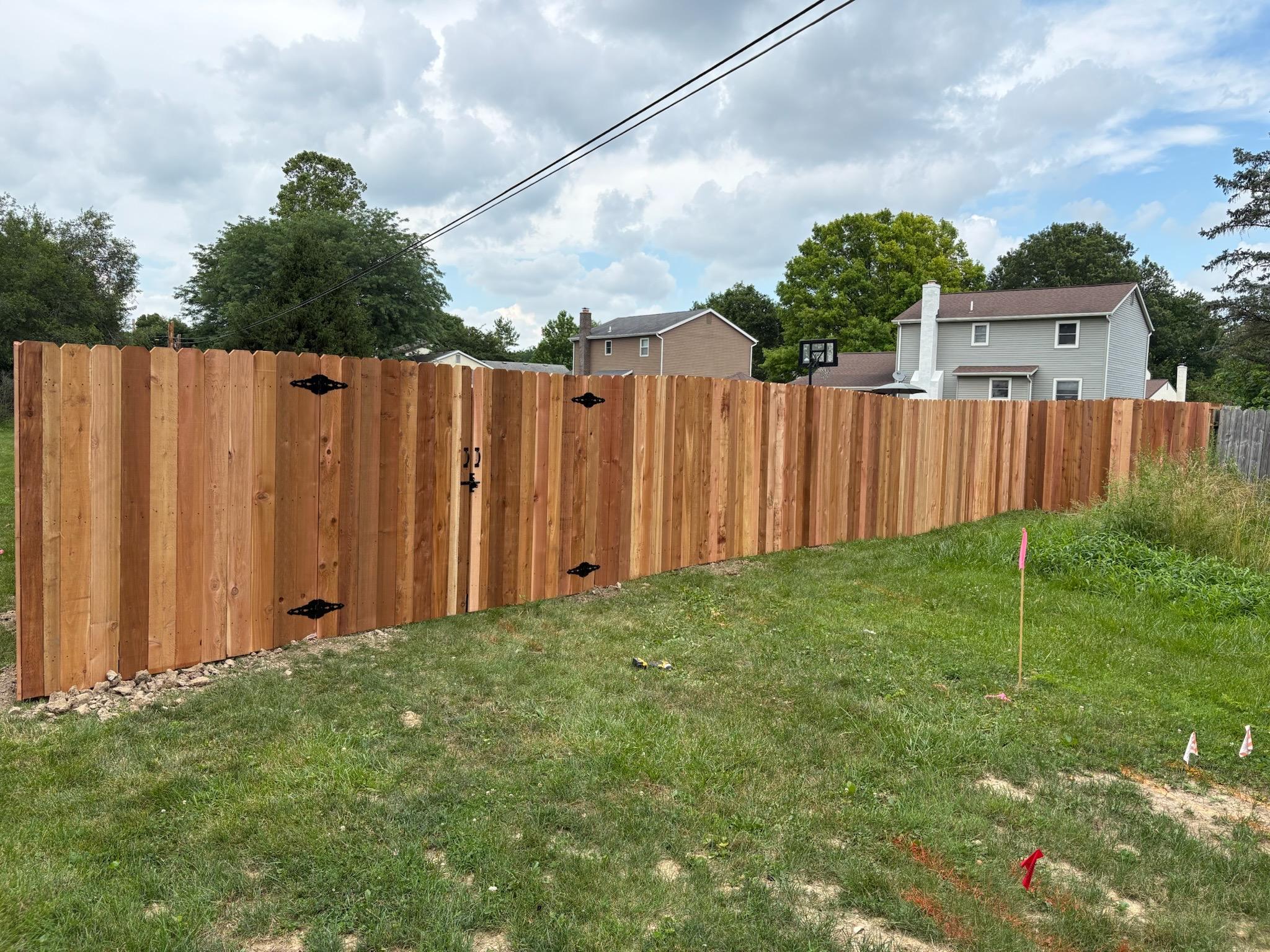
Navigating local regulations and environmental factors is crucial for a successful fencing project in Central Ohio.
Navigating County Permits and Property Lines
Before you start digging, understanding local regulations is crucial. Each county in Central Ohio, like Franklin County, has its permit requirements. Secure the necessary permits to avoid fines or having to remove your fence later. Accurate property line identification is equally important. Misplaced fences can lead to disputes with neighbors. Use services like OHIO811 to mark utilities and ensure you’re building within your boundaries.
Soil and Frost-Depth Concerns
Soil quality and frost depth can affect fence stability. Central Ohio experiences a range of soil types, from clay to sandy loam. Each type responds differently to moisture and cold, impacting how your fence will hold up. Be aware of the region’s frost depth, which can affect how deep your posts need to be set. This knowledge helps you make informed decisions, ensuring your fence withstands seasonal changes.
Partnering with a Trusted Columbus Fence Company
Working with a trusted Columbus fence company can make your fencing project a breeze. Experts like Murphy Fence LLC bring over 20 years of experience to the table. They provide insights into the best materials and designs for your specific needs. Partnering with professionals ensures your fence is both functional and beautiful, giving you peace of mind throughout the process.
By considering these key factors, you’re set to achieve a fence that not only looks great but also stands the test of time. From understanding your terrain to navigating local regulations, each step brings you closer to transforming your outdoor space.