13 Questions to Ask Before Installing a Fence on a Sloped or Uneven Yard in Columbus
Installing a fence on a sloped or uneven yard in Columbus comes with challenges most fence companies don’t mention. If you overlook key details like choosing between a racked or stepped fence, or how soil and drainage affect your posts, you might face costly repairs down the line. In this post, you’ll find 13 essential questions that help you plan smart and avoid common pitfalls with your fence for sloped yard. For more insights, you can visit this guide.
Key Considerations for Sloped Yards
When installing a fence on a sloped or uneven yard, it’s crucial to assess the landscape. This ensures your fence stands strong and meets your needs.
Importance of Grade Assessment
Before you begin, get a clear picture of your yard’s slope. A professional can help measure the incline and highlight potential issues. This is important because if the grade is too steep, it might limit your fencing options or require special adjustments.
Understanding the slope can help you decide if a racked or stepped fence is better. This choice impacts the fence’s look and how well it handles the terrain. For a deeper dive into these considerations, check out this resource.
Racked vs. Stepped Installations
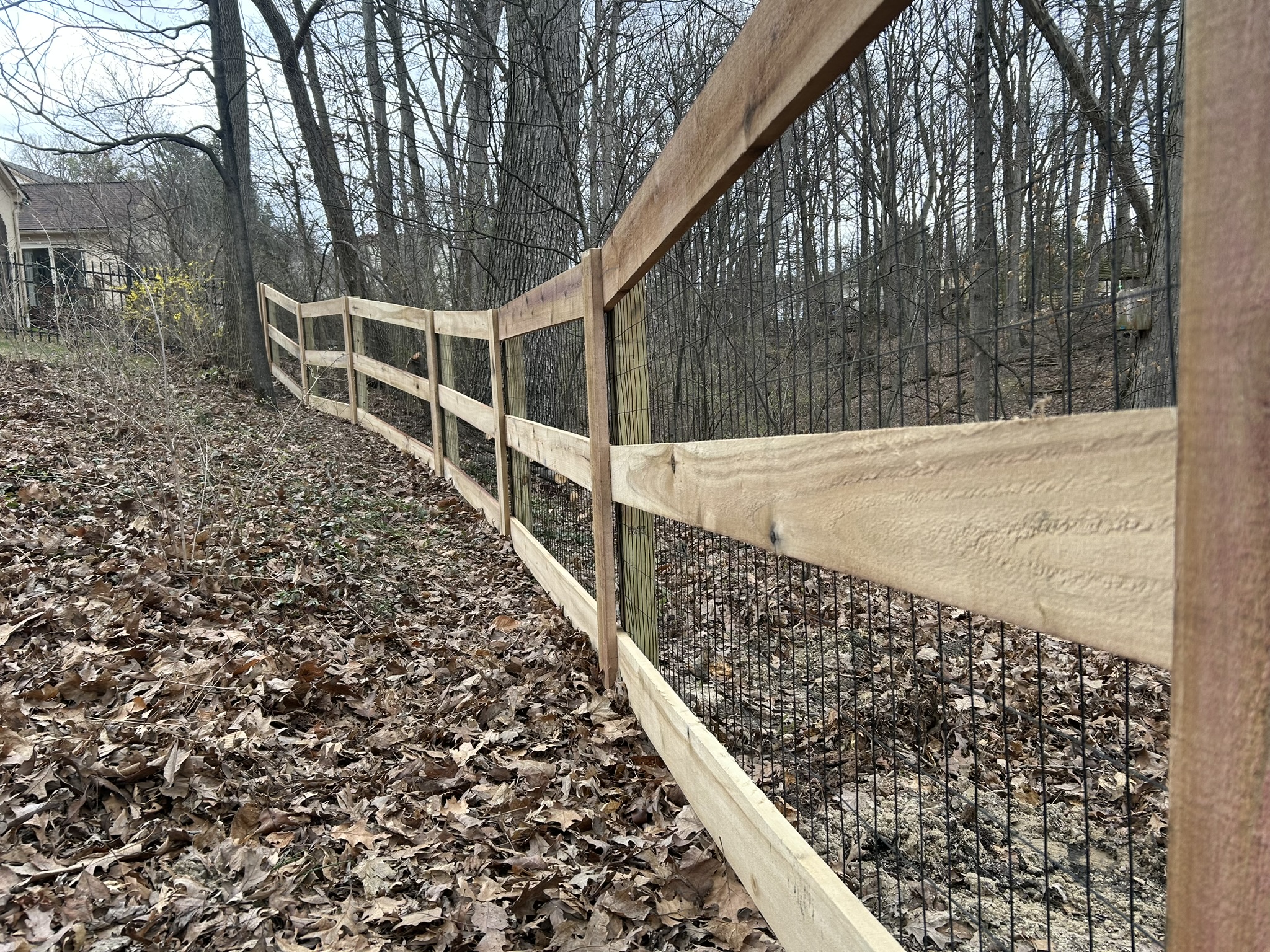
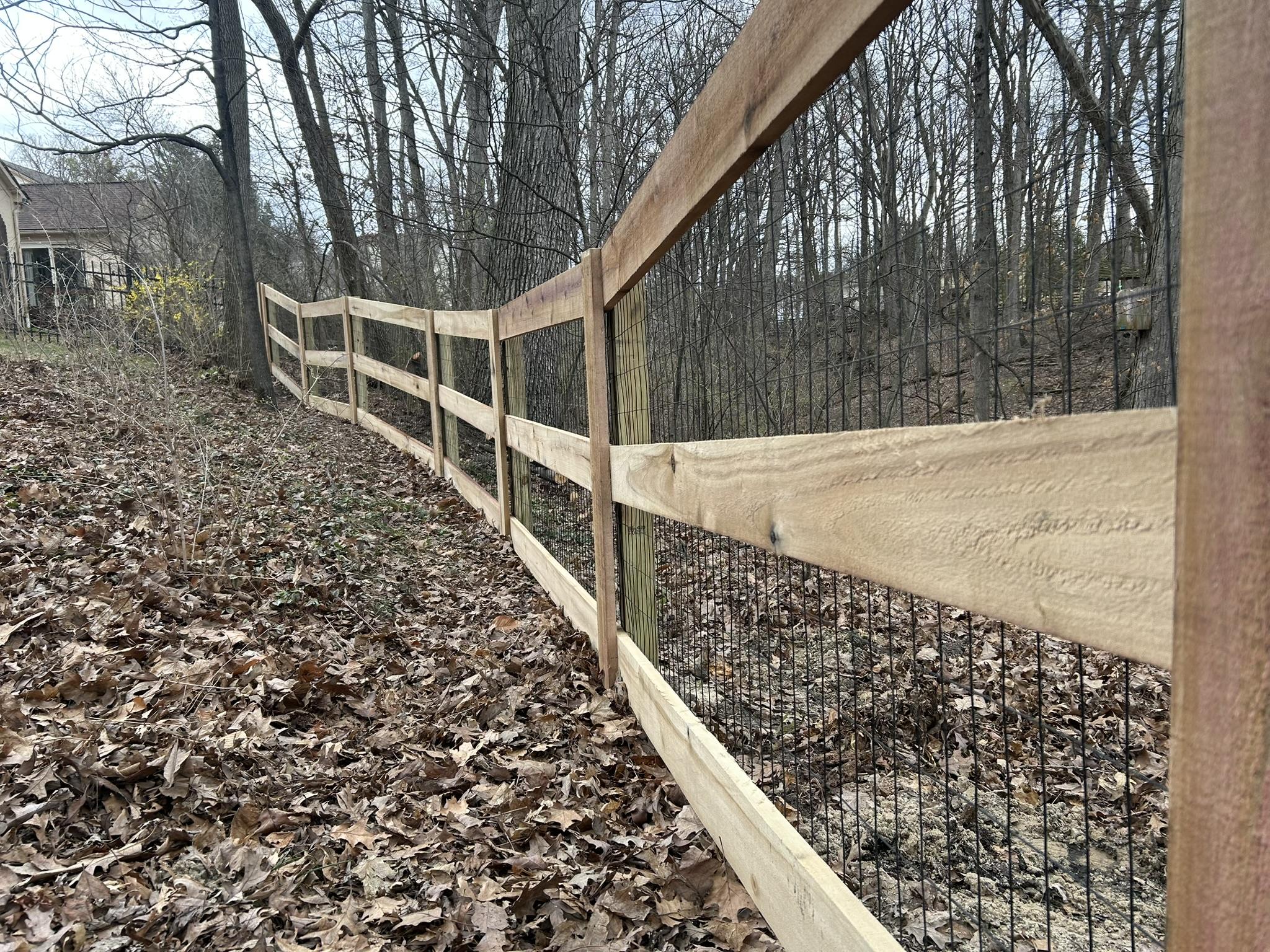
Choosing between a racked and stepped installation depends on your yard’s slope and your aesthetic preferences. Racked fences follow the yard’s contour. This style is great for gentle slopes and gives a smooth, continuous line. It’s often used in areas where maintaining a uniform appearance is key.
Stepped fences, on the other hand, create a series of flat panels. They are a good choice for steeper slopes. While they might not offer the same seamless look, they excel in providing privacy and stability on challenging terrains. If you’re unsure which style fits your yard, you might find this video guide helpful.
Permits, Regulations, and HOAs
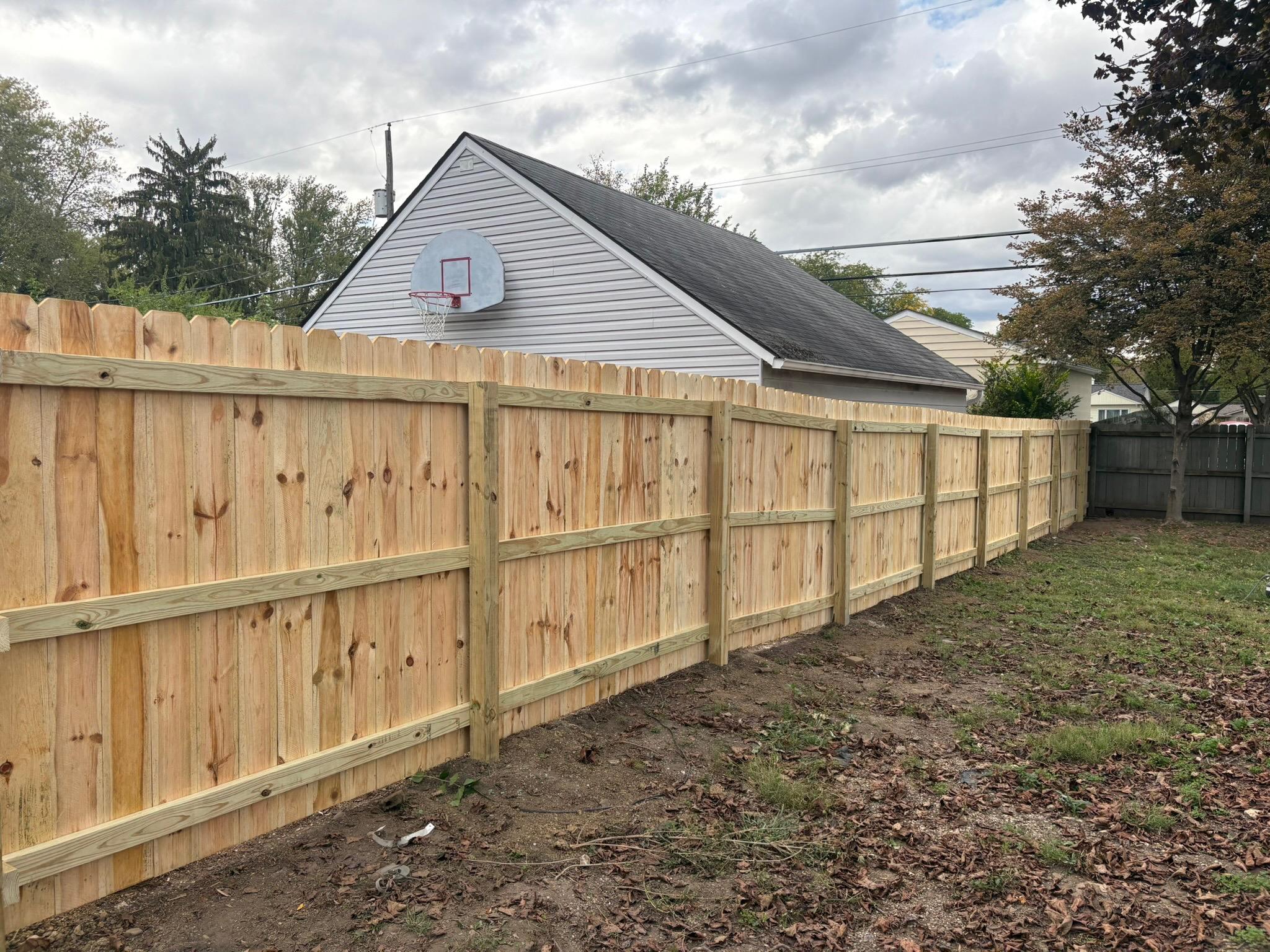
Before you start digging, it’s essential to understand local rules and regulations. These guidelines can vary significantly, especially if you’re dealing with homeowners associations (HOAs).
Navigating Columbus Fence Permits
In Columbus, securing a permit for your fence is a must. The process may seem daunting, but it’s designed to ensure safety and compliance with city codes. Start by visiting the local zoning office or their website. They’ll provide guidance on the paperwork and fees involved. This step ensures your fence meets legal requirements and avoids potential fines.
Permits often require detailed plans of your intended fence, including its height, material, and location. This is particularly important in residential areas where rules can be stricter. For more information, check out this comprehensive guide.
Understanding Ohio HOA Fencing Rules
HOAs in Ohio can have specific rules about fencing. These might include restrictions on height, materials, or colors. Before installing, review your HOA’s guidelines. Failing to comply can lead to fines or the need to remove or alter your fence.
If your HOA’s rules seem too strict, there’s often a process to request exceptions. Communicate with the board early in your planning to avoid surprises. Staying informed and proactive can save you time and money down the road. This Reddit discussion highlights some experiences with HOAs.
Fence Design and Material Choices
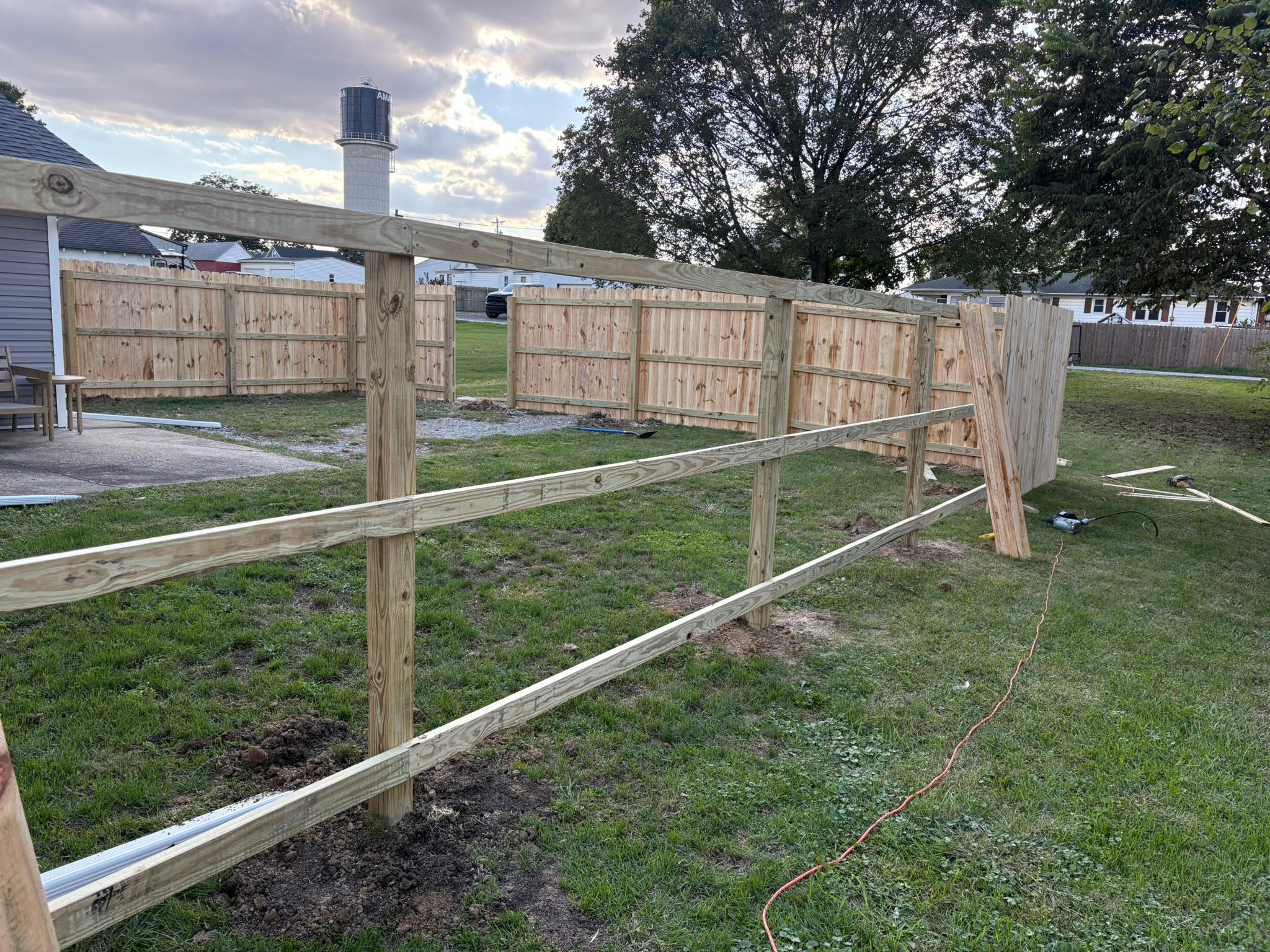
The design and material of your fence are crucial for aesthetics, privacy, and durability. Both should complement your yard and meet your functional needs.
Selecting the Right Materials
Choosing the right materials is essential for durability and style. Wood offers a classic look but requires regular maintenance to prevent rot, especially in Ohio’s varied climate. Vinyl is low-maintenance and looks good for years. Aluminum is another durable option, ideal for a sleek, modern appearance.
Consider the slope: vinyl and aluminum can be more adaptable to uneven terrains. If you prioritize strength, chain link fences are sturdy and can be easily adjusted to fit the landscape. Making the right choice will ensure your fence lasts and looks great. You can learn more about materials in this article.
Customizing for Privacy and Safety
Privacy and safety are top concerns for many property owners. A solid fence, like wood or vinyl, offers maximum privacy. For a balance, consider semi-private designs that allow light while blocking views.
Safety is a priority if you have kids or pets. A fence should be tall enough to prevent escape yet designed to avoid climbing. Gates should have secure locks, and fences should be regularly inspected for damage. Customizing your fence with these needs in mind will ensure it provides the protection and privacy you desire.
In summary, planning a fence on a sloped yard involves careful consideration of the landscape, local permits, and suitable materials. By addressing these factors, you can avoid common pitfalls and enjoy a fence that stands the test of time.