
Installing a fence in Columbus can feel like a maze of rules, costs, and choices. Many homeowners start without a clear plan and end up stuck with delays or surprises. This guide breaks down 12 smart tips to help you navigate permits, property lines, and material options for your Columbus fence installation. With these insights, you’ll steer your project smoothly from idea to finished fence.
Planning Your Columbus Fence Installation

Setting the stage for a successful fence project in Columbus begins with a thoughtful plan. You’ll want to consider local regulations, choose the right materials, and set a realistic budget to avoid surprises later.
Understanding Local Regulations
Before diving into your fence project, it’s crucial to know the rules in your area. In Columbus, there are specific guidelines you must follow to avoid fines or delays. Start by checking with your local zoning office. They’ll give you the fence height limits, placement rules, and other important details. By knowing these upfront, you can steer clear of costly mistakes. Additionally, some neighborhoods have their own rules. Homeowners associations might have restrictions on styles or colors. Make sure you check these as well. Doing your homework now can save you lots of headaches down the road.
Selecting the Right Fence Material
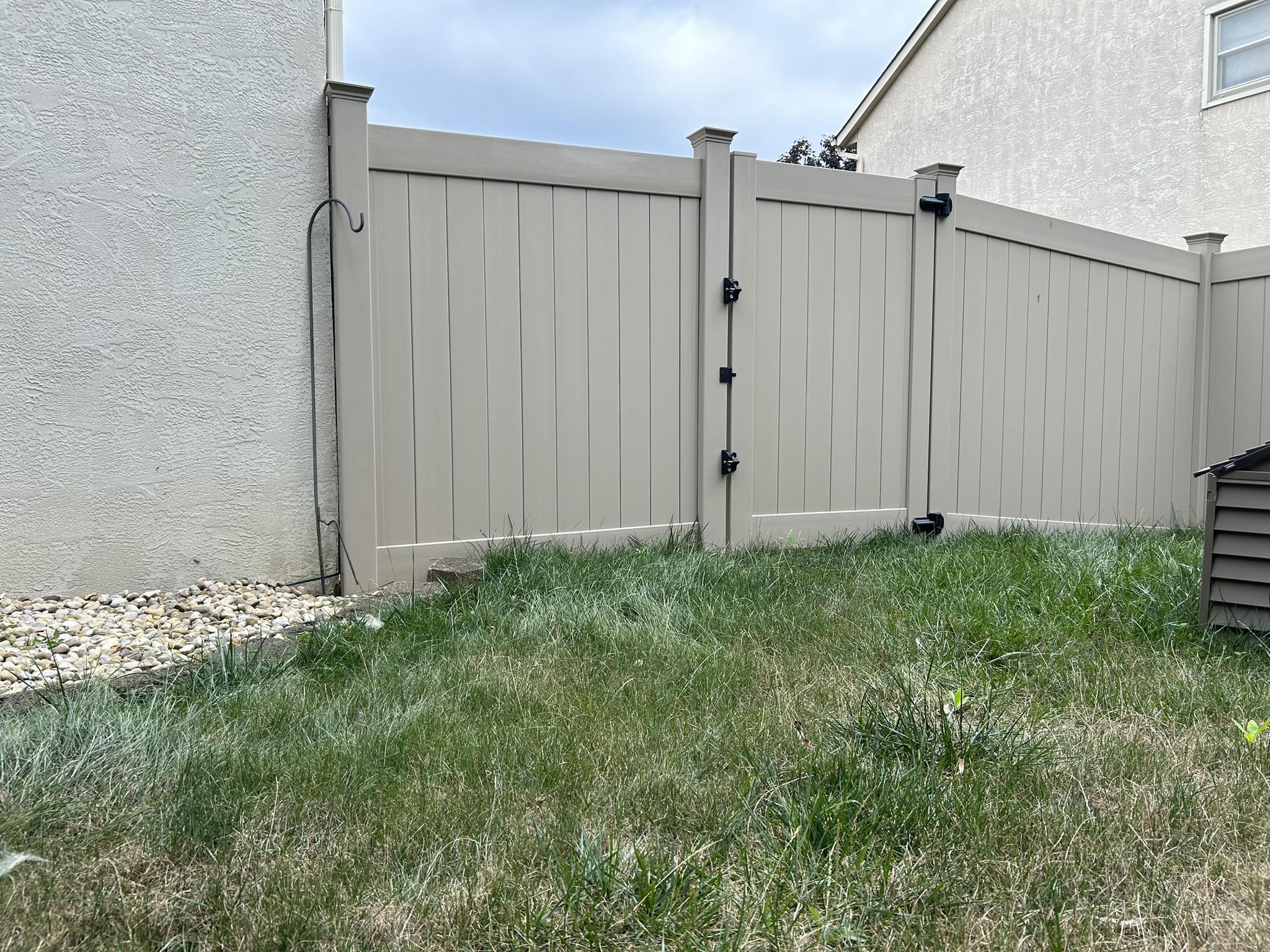
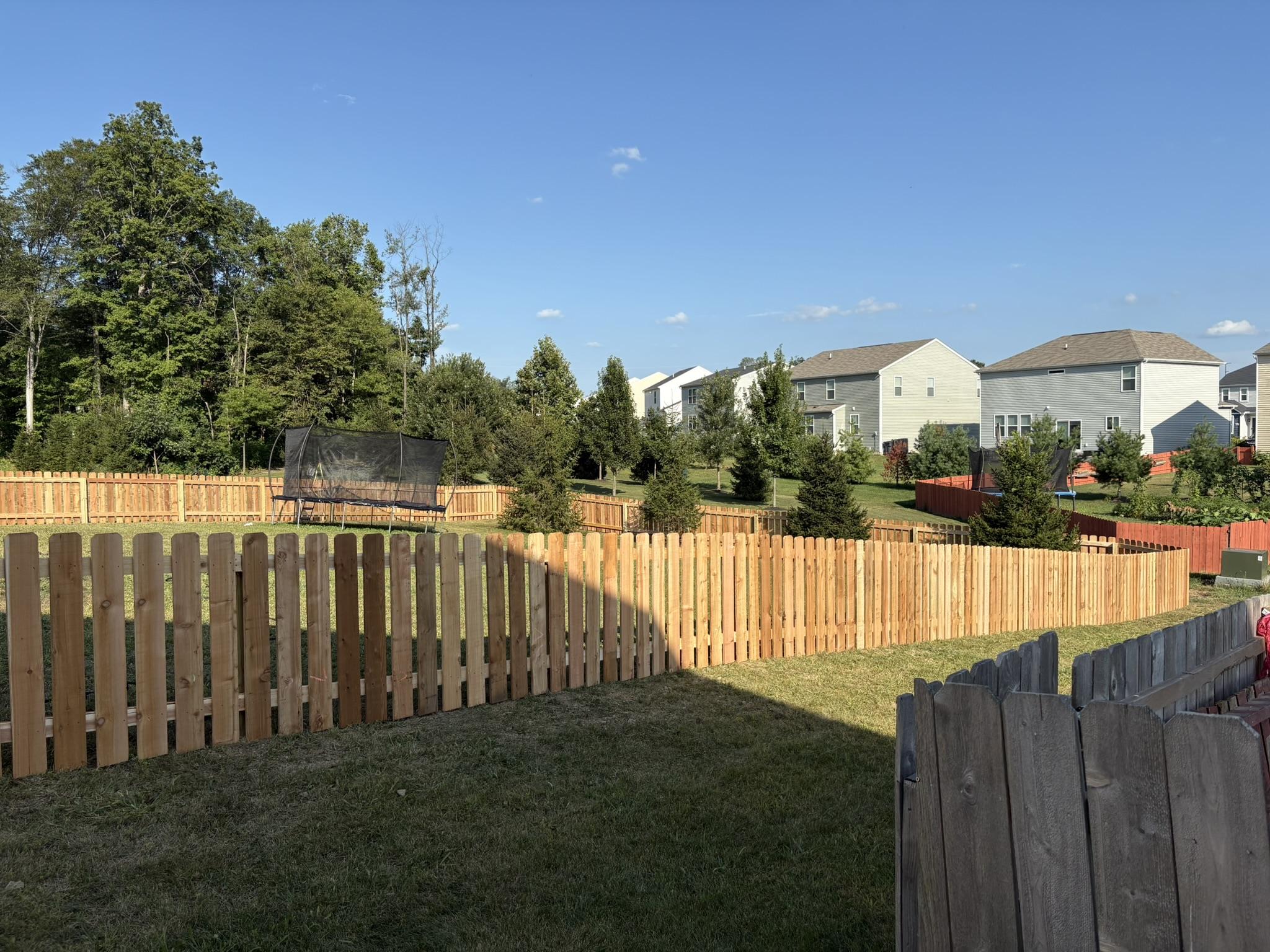
Choosing the right material is a key step in your fence project. Different materials offer unique benefits and suit various needs. Wood is a popular choice for its natural look and privacy. It’s great for a classic feel. Vinyl, on the other hand, is low-maintenance and durable, making it ideal if you want something hassle-free. Aluminum is another option, offering a sleek and modern look. It’s perfect for those who want both style and strength. Each material comes with its own cost, so consider your budget and what you need from your fence. By understanding your options, you can pick a material that fits your style and meets your needs.
Budgeting for Your Fence Project
Once you know the rules and have chosen a material, it’s time to talk about money. Setting a clear budget helps you manage costs and avoid surprises. First, get quotes from several contractors. This gives you a sense of the market rate. Next, factor in additional expenses like permits, tools, and any landscaping changes. Remember, the cheapest option isn’t always the best. Quality materials and skilled labor can save you money over time by reducing maintenance costs. By planning your budget carefully, you ensure your project stays on track and within your financial limits.
Preparing for a Smooth Installation
With your plan in place, the next step is getting ready for the actual installation. This involves scheduling a consultation, checking your property lines, and securing the necessary permits.
Scheduling Your Free Consultation
Before you break ground, connect with a professional for a consultation. Many contractors offer this service at no cost. During the consultation, you can discuss your needs, ask questions, and get expert advice. It’s also a great time to see if the contractor is a good fit for your project. A consultation can provide clarity and help you understand the process better. By the end, you should feel confident about moving forward. This step is important for setting the stage for a smooth installation.
Conducting a Property Line Survey
Knowing where your property lines are is crucial before installing a fence. A survey ensures you don’t accidentally place your fence on your neighbor’s property. You can hire a professional surveyor who will mark the exact boundaries. This step might seem unnecessary, but it can prevent disputes and legal issues later. Once the lines are clear, you can lay out your fence plans accurately. Having precise boundaries gives you peace of mind and keeps your project on track.
Securing Necessary Fence Permits
Permits are a must for many fence projects in Columbus. Obtaining them might seem tedious, but they’re essential for compliance. Start by contacting your local city office. They’ll guide you through the necessary paperwork and fees. It’s important to get this done before starting construction. Skipping permits can lead to fines or even having to remove the fence. By handling permits early, you ensure your project is above board and avoid costly setbacks.
Choosing the Best Fence Contractor
The final step in your fence journey is selecting the right contractor. Evaluating companies, comparing options, and getting a detailed quote will help you make an informed decision.
Evaluating Local Companies
Finding the right contractor is key to a successful fence project. Start by researching local companies. Look for those with good reviews and a proven track record. Ask friends or neighbors for recommendations. Once you have a list, check for licenses and insurance. These are important for protecting yourself and ensuring quality work. Interview a few contractors to gauge their experience and approach. By doing your research, you can find a reliable partner who meets your needs.
Comparing Material and Design Options
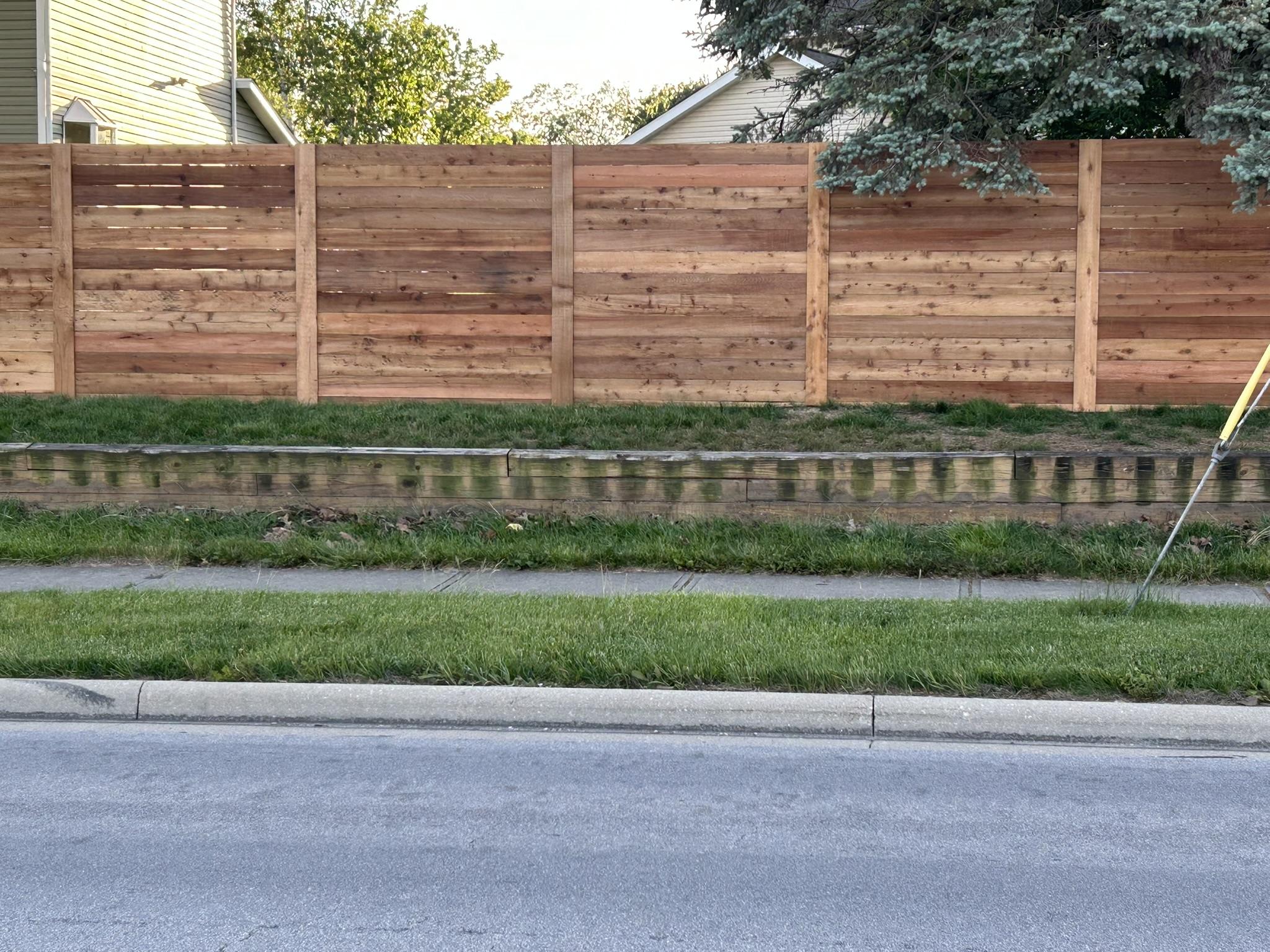
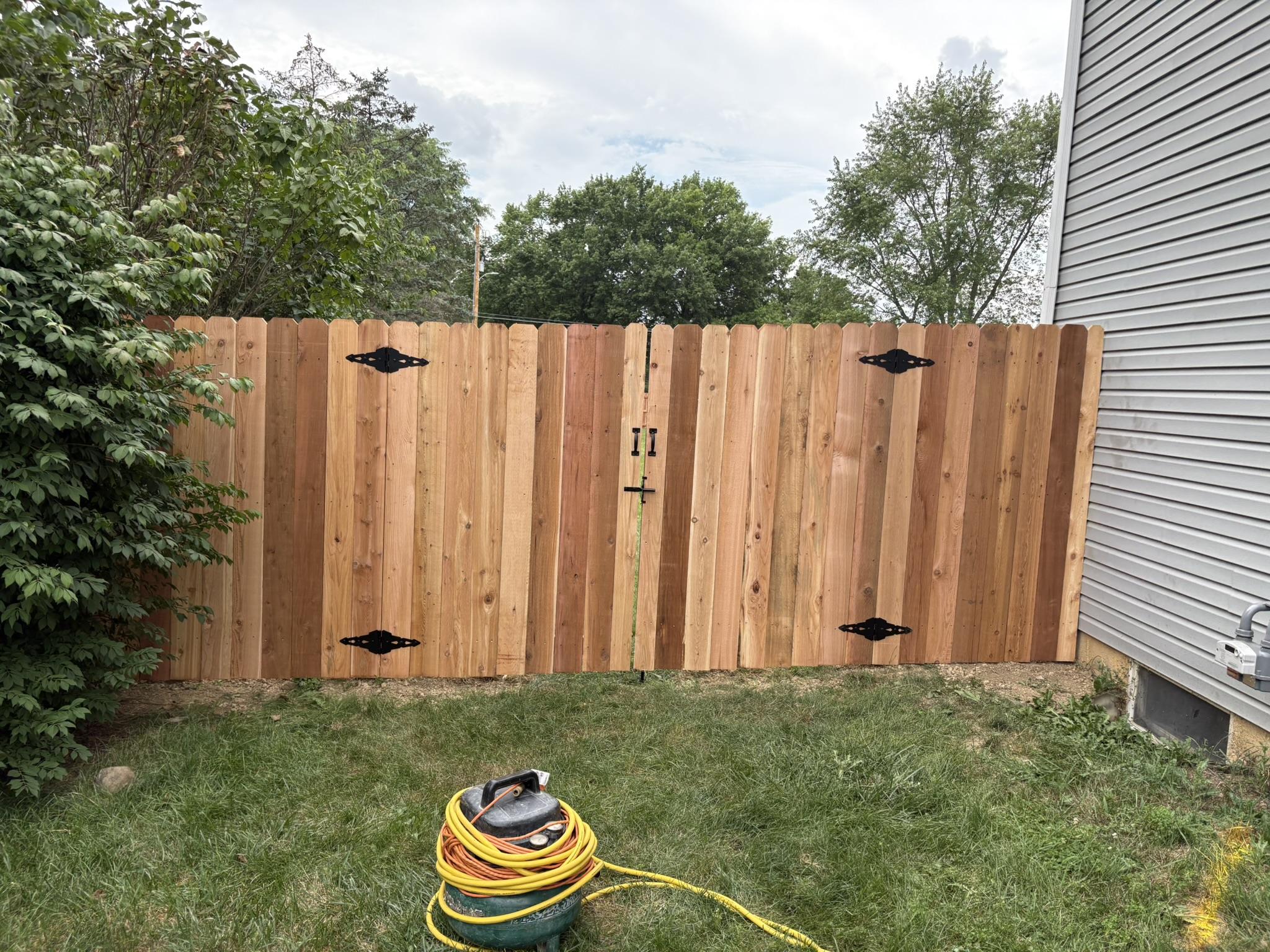
When choosing a contractor, consider the materials and designs they offer. Some companies specialize in specific types of fencing like wood or vinyl. Discuss your preferences and see if they can accommodate your vision. A good contractor will have a variety of options and be willing to customize solutions for your property. They should also provide examples of past work. This gives you an idea of their style and craftsmanship. By comparing options, you ensure your fence matches your expectations and enhances your property.
Requesting a Detailed Quote
Before committing to a contractor, ask for a detailed quote. This should include all costs: materials, labor, permits, and any extras. A clear quote helps you understand what you’re paying for and prevents surprises. Make sure everything is in writing and ask questions if something isn’t clear. Comparing quotes from different contractors can also highlight any outliers. By getting all the details upfront, you can confidently choose a contractor that fits your budget and needs.
In conclusion, planning a fence installation in Columbus involves careful preparation and informed decisions. By understanding regulations, choosing the right materials, and budgeting wisely, you set the stage for success. Prepare thoroughly, choose a reliable contractor, and enjoy the transformation a new fence brings to your property.