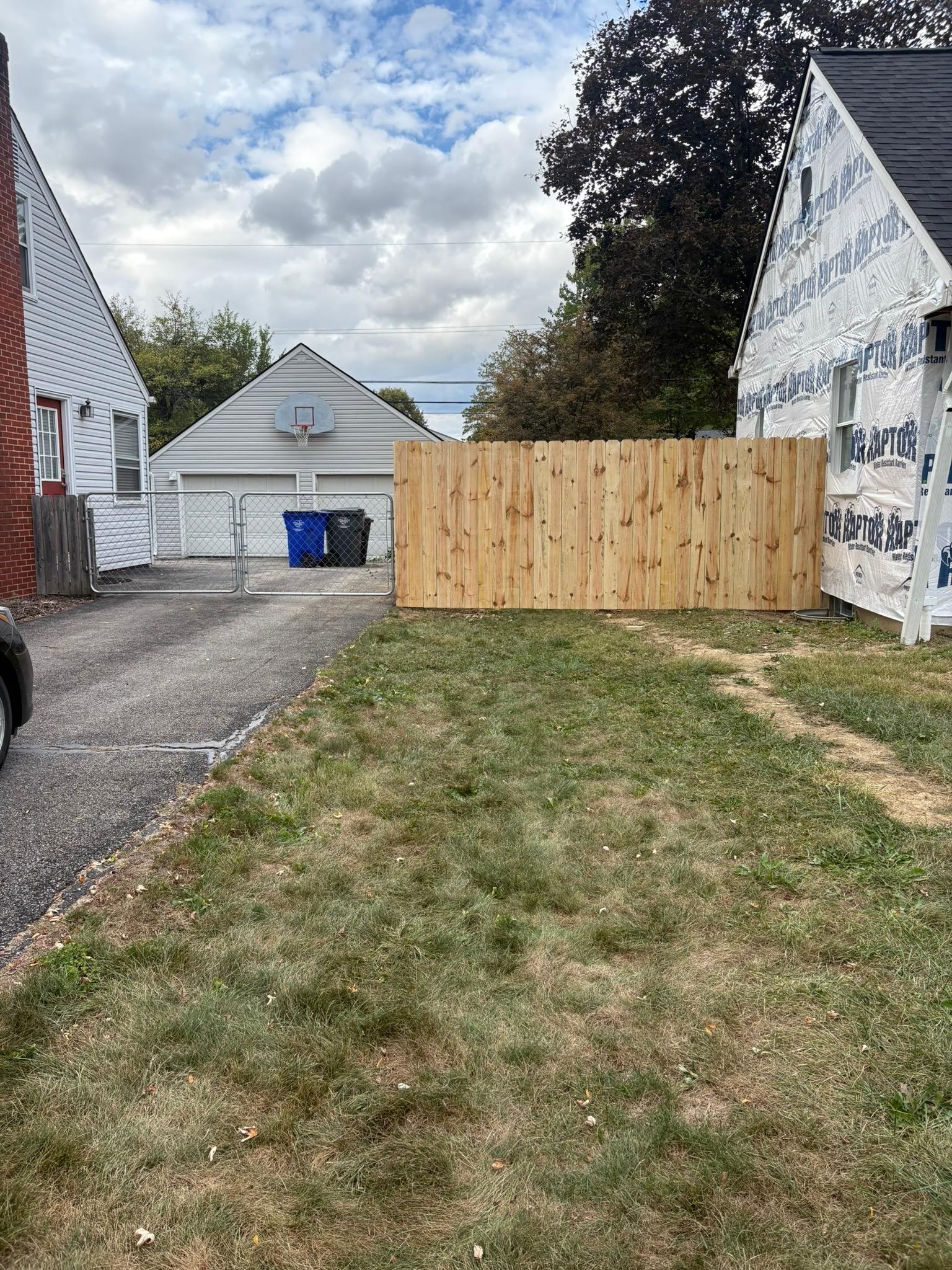

Choosing the right Columbus fence contractor can feel overwhelming with so many options. You want a fence company Columbus Ohio trusts—someone who knows local codes, offers clear pricing, and delivers quality craftsmanship. This checklist breaks down what to watch for before you request a fence quote Columbus homeowners count on. Read on to make sure your next fence installation Columbus project starts on solid ground.
Evaluating Fence Contractors
When selecting a fence contractor, it’s crucial to know what to look for. This ensures that you partner with a team that offers quality and reliability.
Licensing and Insurance Essentials
First things first: make sure your chosen contractor is licensed and insured. This isn’t just about legality; it’s about peace of mind. Licensed contractors have proven their knowledge and skills to the state, ensuring they can handle the job proficiently. Insurance, on the other hand, protects you from any liabilities that might arise during the project. All reputable contractors should provide these credentials without hesitation. If they can’t, that’s a red flag. Always verify these details to avoid any potential issues.
Understanding Local Codes and Permits
Complying with local codes is essential for a smooth fence installation process. Your contractor should be well-versed in the regulations specific to Columbus. Failing to adhere to these can lead to fines and delays. A knowledgeable contractor will take care of all necessary permits, ensuring everything is in line with local guidelines. This not only saves you time but also ensures the project runs without a hitch. It’s always wise to ask about their process for handling these legalities.
Material and Build Quality Assessment
The materials used in your fence can make or break its longevity. Top-notch materials ensure durability and a lasting aesthetic appeal. Ask your contractor about the options available, from wood to vinyl. Each material serves a different purpose and can suit varying styles and budgets. Ensure you get a breakdown of the pros and cons of each type. This knowledge allows you to make an informed decision that matches your needs and expectations.
Contractor Workmanship and Reputation
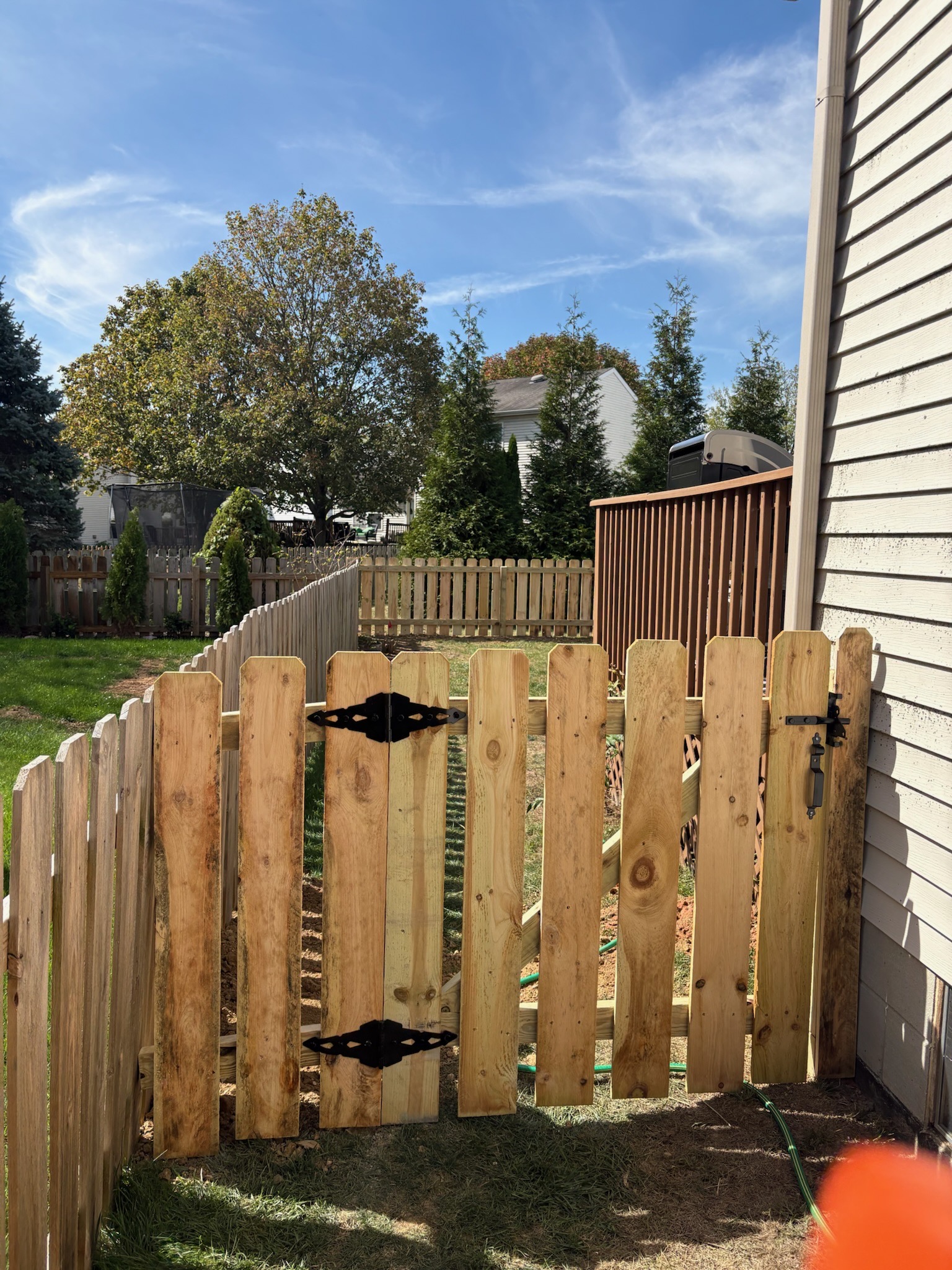
Once you’ve covered the basics, delve into the contractor’s workmanship and reputation. This will give you insight into what you can expect from their service.
Portfolios and Local References
A solid portfolio showcases a contractor’s range and expertise. Look for projects similar to what you envision for your property. Additionally, local references are invaluable. They offer firsthand accounts of the contractor’s reliability and quality. Don’t hesitate to contact past clients. Their experiences can provide clarity and confidence in your choice. A contractor unwilling to provide references might not be as trustworthy as they claim.
Transparent Pricing and Written Scopes
Clear, upfront pricing is a hallmark of a trustworthy contractor. This transparency helps you avoid unexpected costs down the line. A detailed written scope of work outlines every aspect of the project, from start to finish. It ensures both parties are on the same page and prevents misunderstandings. Ensure your contractor provides these documents before any agreement. This clarity is crucial for a smooth partnership.
Timelines and Project Management
Effective project management ensures your fence installation stays on track. Discuss timelines with your contractor before work begins. A reliable contractor will provide a realistic schedule and adhere to it. Delays can be costly, so it’s essential to work with someone who respects your time. Consistent updates and communication are key components of good project management. Make sure your contractor commits to keeping you informed every step of the way.
Customer Service and Follow-Up

Customer service doesn’t end with the completion of the fence. A contractor’s dedication to aftercare is just as important.
Site Prep and Cleanup Standards
Proper site preparation sets the stage for a successful installation. Your contractor should ensure the area is ready for work, minimizing potential issues. Once the project wraps up, thorough cleanup is essential. This leaves your property looking pristine, free from leftover materials or debris. A contractor who prioritizes these aspects demonstrates respect for your space and satisfaction.
Warranties and Post-Install Service
A warranty is your safety net. It guarantees the quality of workmanship and materials used. Make sure you understand the warranty terms offered by your contractor. Additionally, post-install services, such as maintenance tips or follow-up checks, enhance your overall experience. These elements show the contractor’s commitment to customer satisfaction beyond the initial project.
Effective Communication Practices
Communication is the backbone of any successful project. Your contractor should be approachable and responsive, addressing any concerns promptly. Regular updates keep you informed and engaged throughout the process. This level of communication builds trust and ensures a positive experience. Choose a contractor who values your input and keeps you in the loop from start to finish.
Frequently Asked Questions
What should I expect from a licensed fence contractor?
A licensed fence contractor has met all state requirements, showcasing their expertise and capability to handle your project safely and effectively.
Why are local codes and permits important for fence installation?
Adhering to local codes and securing permits prevents legal issues and ensures your fence is built to community standards, avoiding fines and delays.
How do I assess the quality of materials used in my fence?
Discuss material options with your contractor, understanding the benefits and drawbacks of each type to ensure durability and aesthetic appeal.
What should a detailed scope of work include?
A detailed scope of work should outline every project phase, including timelines, materials, and labor, ensuring transparency and preventing misunderstandings.
Why is post-installation service important?
Post-installation service, including warranties and follow-up care, reflects a contractor’s commitment to customer satisfaction, offering peace of mind and long-term value.