What to Know Before Installing a Fence in Columbus: Local Regulations, Permits, and County-by-County Tips
Installing a fence in Columbus comes with more rules than most people expect. Missing key details about Columbus Ohio fence regulations or the right Columbus fence permit could delay your project and add unexpected costs. In this guide, you’ll get clear, county-by-county tips for Franklin, Delaware, Fairfield, and Licking counties, plus insights on fence height limits Columbus homeowners and business owners face. Let Murphy Fence LLC help you navigate permits, codes, and design so your new fence fits your property and stays compliant. For more information, check out this resource: Navigating Fence Regulations in Columbus: What Every Property Owner Should Know.
Understanding Local Fence Regulations
Getting to grips with local fence regulations is essential before installing your new fence. Let’s explore the specifics for Columbus and nearby areas to ensure your project starts off smoothly.
Columbus Ohio Fence Regulations
In Columbus, fence regulations can differ based on location and property type. It’s crucial to understand these rules to avoid setbacks. Residential fencing Columbus might differ in requirements compared to commercial properties. The Columbus Ohio fence regulations can be detailed, but they primarily focus on safety, aesthetics, and community standards. To ensure you meet all regulations, consider consulting the City of Columbus Fence Regulations for up-to-date information.
Setback Requirements and Height Limits
Setbacks and height limits are key considerations in fence planning. The setback requirements fence Ohio varies, so knowing the specifics can save time and money. Most areas require a setback of several feet from property lines. Height limits are typically six feet for backyard fences, but fence height limits Columbus can be stricter in front yards. Ensure your fence design aligns with these limits to avoid penalties.
Pool Fence Code and Safety Rules
For those with pools, safety rules are vital. Pool fence code Columbus mandates specific features like self-closing gates and minimum height requirements to prevent accidents. A pool fence must be at least four feet tall and have no gaps larger than four inches. These safety measures are critical for protecting young children and pets. Prioritize these regulations to keep your pool area secure and compliant.
Navigating Permits and Approvals
Securing the right permits is your next step. This section unpacks the process to help you obtain necessary approvals efficiently.
Columbus Fence Permit Process
Obtaining a Columbus fence permit is a straightforward process if you know the steps. Start by submitting a detailed plan of your proposed fence to the local zoning office. This plan should include dimensions, materials, and location details. Processing time may vary, so it’s wise to apply early. For detailed guidelines, refer to the Columbus Fence Permit Guide.
Franklin County Fence Permit Details
In Franklin County, permits are required for fences over a certain height. The Franklin County fence permit process involves submitting an application with property details and a site plan. It’s essential to provide accurate information to avoid delays. The longer you wait, the longer the process could take, so early application is crucial.
HOA Fence Approval in Columbus
For properties within a Homeowners Association, additional approvals might be necessary. HOA fence approval Columbus often involves adhering to specific design criteria to maintain neighborhood aesthetics. Check with your HOA board for guidelines and ensure your plans match their requirements. This step prevents future disputes and keeps your project on track.
County-by-County Fencing Tips
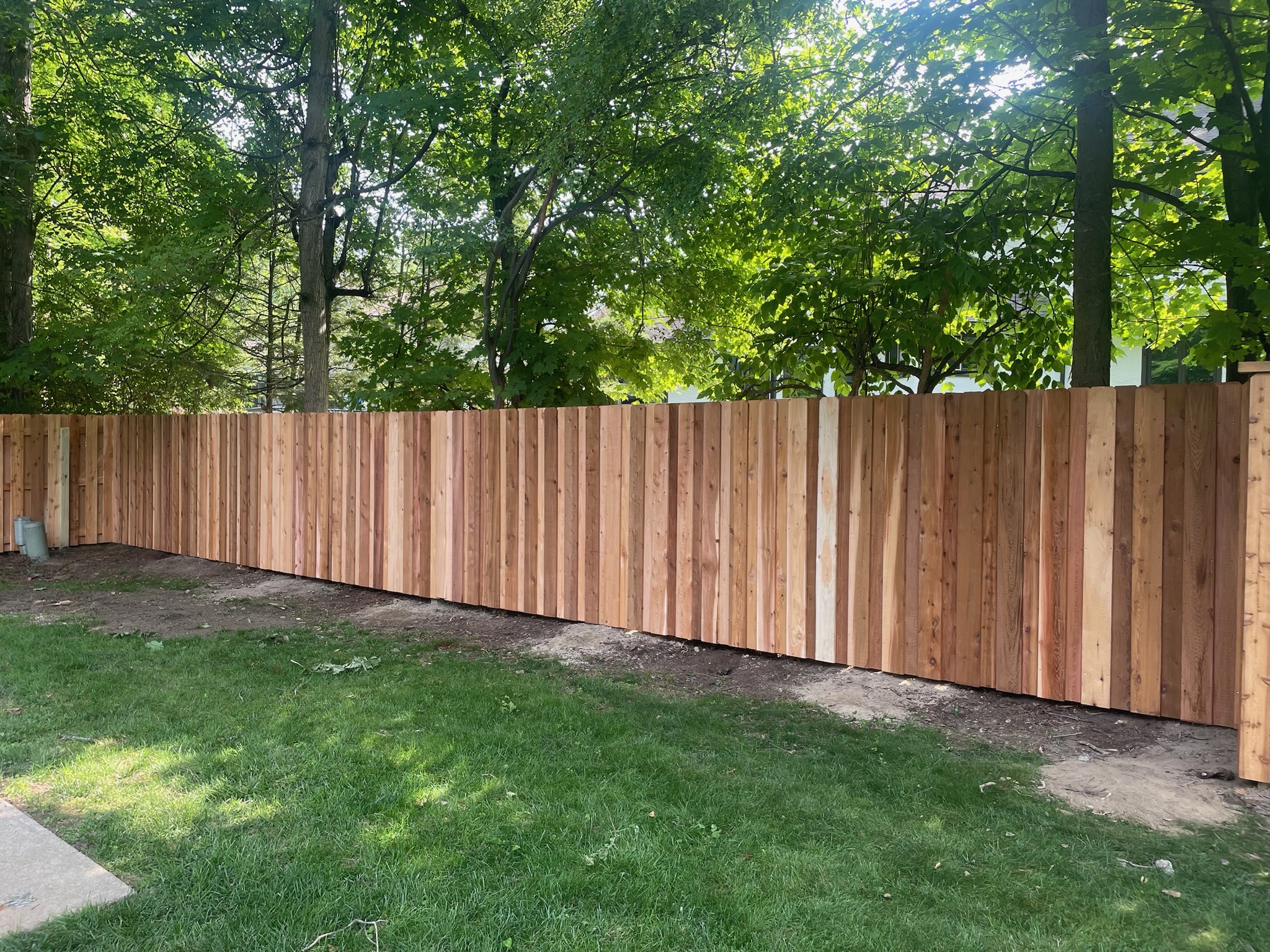
Each county in the Columbus area has unique rules. Here’s a breakdown to help tailor your approach.
Licking County Fencing Rules
Licking County has specific fencing rules that differ from neighboring areas. Here, fences must adhere to both height and material standards to maintain local character. Compliance ensures smooth installation without legal interruptions. Familiarize yourself with Licking County fencing rules by consulting local ordinances.
Delaware County Fence Code Insights
In Delaware County, understanding local codes is essential for a hassle-free installation. The Delaware County fence code includes guidelines on materials and placement, focusing on both function and aesthetics. Pay attention to these codes to ensure your fence complements the community setting while remaining compliant.
Fairfield County Fence Permit Guidelines
Fairfield County’s regulations might seem complex, but they boil down to a few key rules. Obtaining a Fairfield County fence permit involves understanding setback and height restrictions. Doing your homework on these guidelines will streamline your project. For more on permits and local rules, access comprehensive details through Fairfield County’s Permit Requirements.
By mastering these local regulations and requirements, you’re setting the stage for a successful fencing project that enhances your property and adheres to community standards. Whether you’re planning a residential or commercial fence, staying informed is your best tool for a smooth installation process.
www.murphyfencellc.com