You might think any fence will do for your property, but Ohio’s unpredictable weather has other plans. From scorching summers to icy winters, each season tests your fence’s mettle. Understanding how different fence materials react can save you future headaches and costs. Dive into our guide to find the perfect fence material that thrives in Central Ohio’s climate. At Murphy Fence LLC, we’re here to ensure your fence stands strong through every weather twist. Contact us today for a free consultation and discover the perfect fence material for your needs!
Weather Impact on Wood Fences
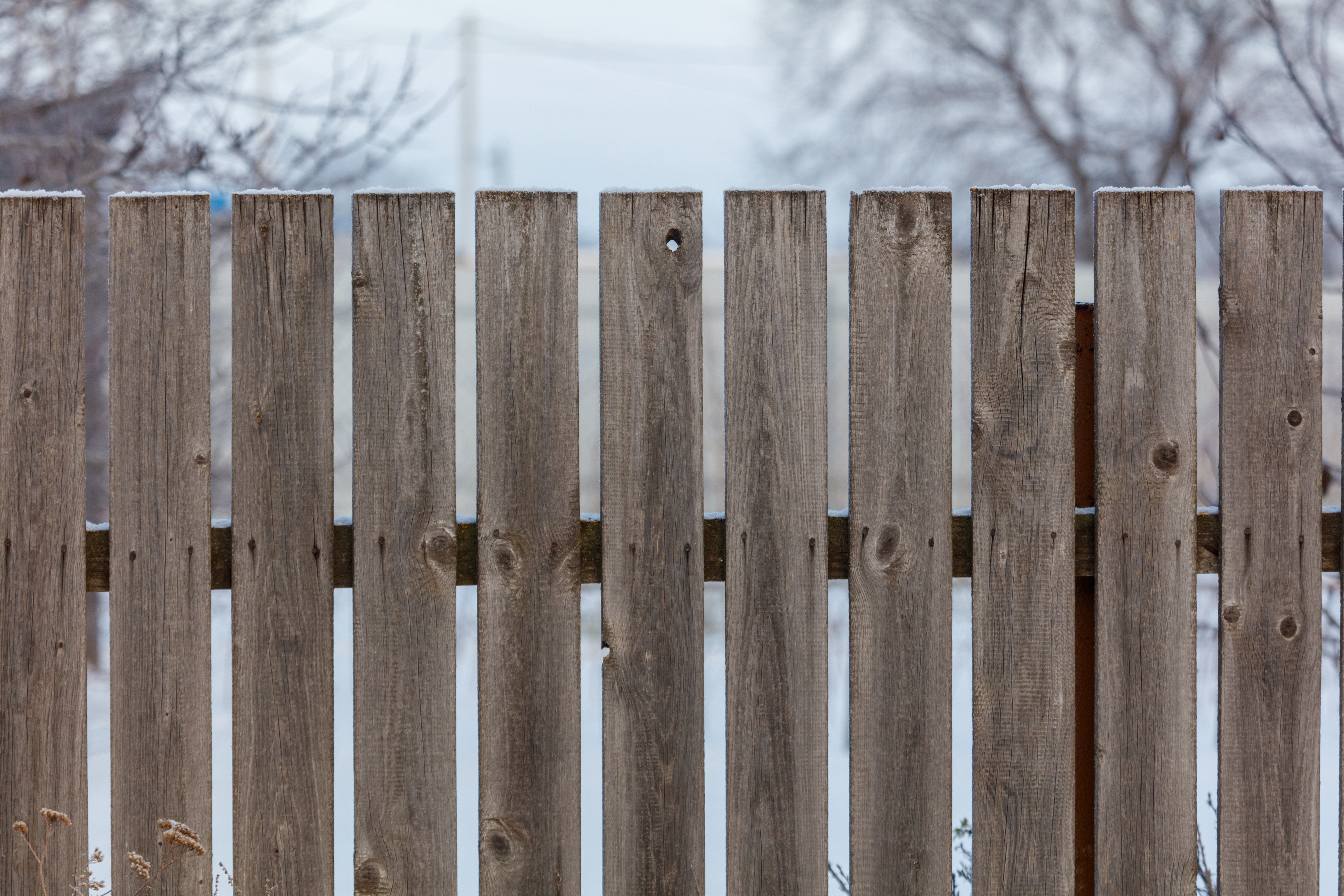
Pros and Cons of Wood
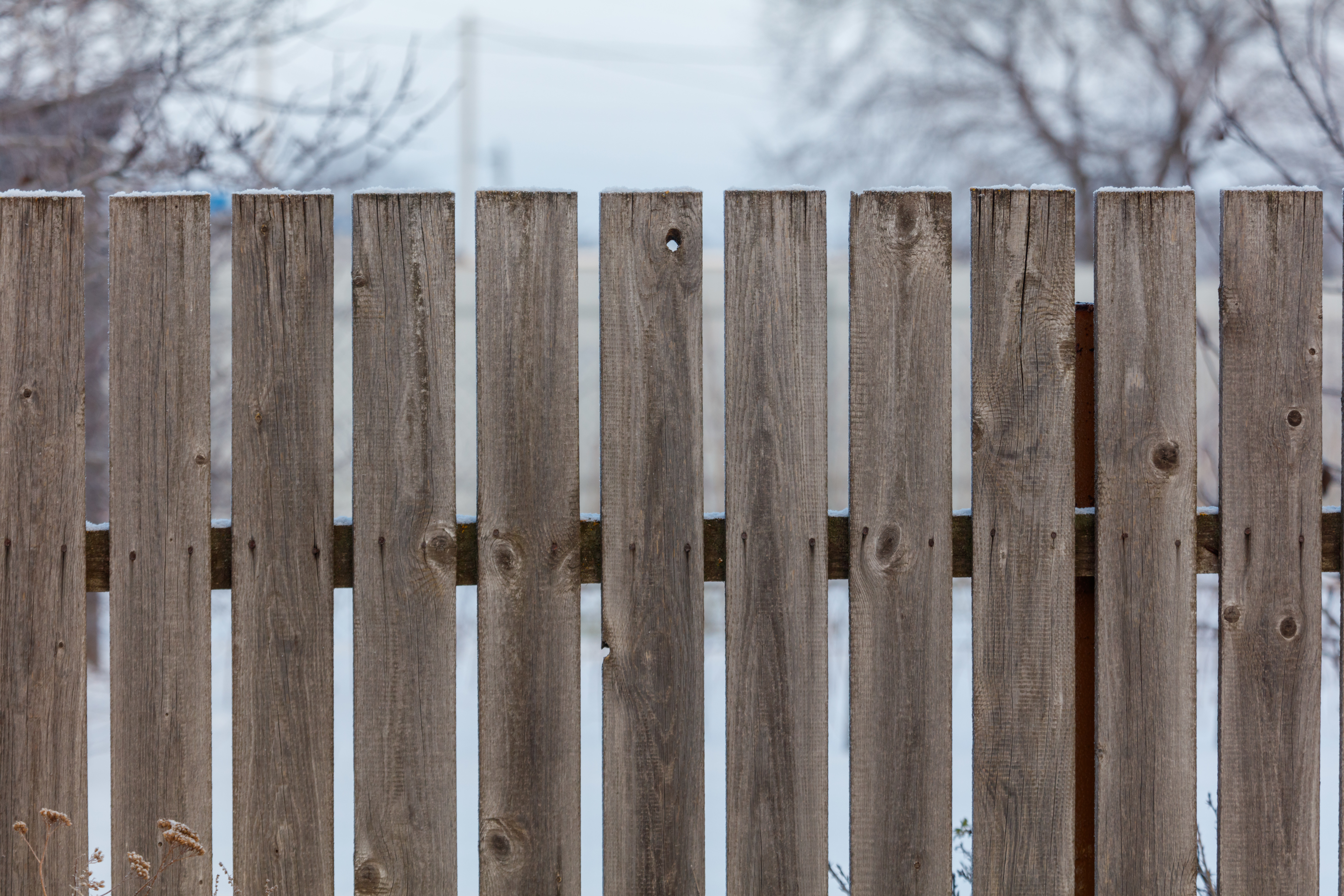
Wood fences bring a classic appeal but face challenges in harsh weather. Pros include natural beauty and easy customization. They seamlessly blend with landscapes, providing a warm aesthetic unmatched by other materials. Wood offers a range of styles and can be painted or stained to fit your taste.
On the downside, wood is susceptible to weather damage. Cons like moisture absorption can lead to warping and rotting, reducing lifespan. Regular maintenance, like staining, is necessary to protect against the elements.
In Ohio, wood can expand in summer and contract in winter, causing potential structural issues. Considering its weather impact, wood might require more effort to maintain its appearance and durability. A reliable choice for those who value aesthetics and are willing to invest in upkeep.
Maintenance Tips for Longevity
Proper maintenance extends the life of wood fences. Here’s how to protect your investment:
-
Seal and Stain: Apply a weatherproof sealant annually. This shields against moisture and UV rays, preventing fading and rot.
-
Inspect Regularly: Check for loose boards and signs of damage. Early detection of issues like termites or rot can save further deterioration.
-
Clean Annually: Use a mild detergent and water to clean your fence, removing dirt and grime accumulation.
-
Trim Vegetation: Keep plants and grass trimmed around the fence. Overgrowth traps moisture, accelerating decay.
-
Repair Promptly: Address any damage immediately to prevent escalation. Replace broken boards and tighten loose nails.
Following these steps ensures your wood fence withstands Ohio’s weather, maintaining its beauty and function.
Vinyl Fences and Weather Resilience
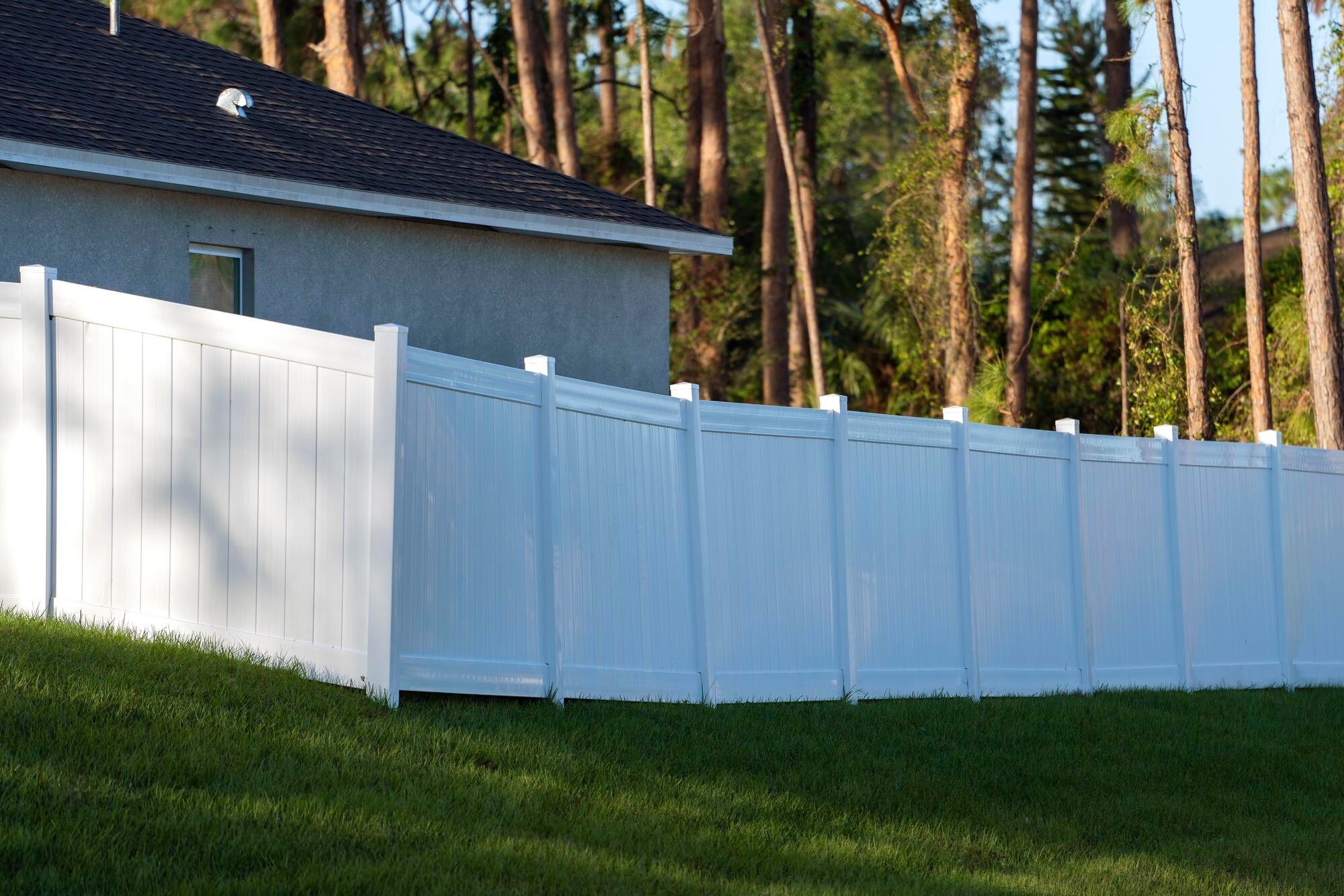
Benefits of Vinyl in Ohio
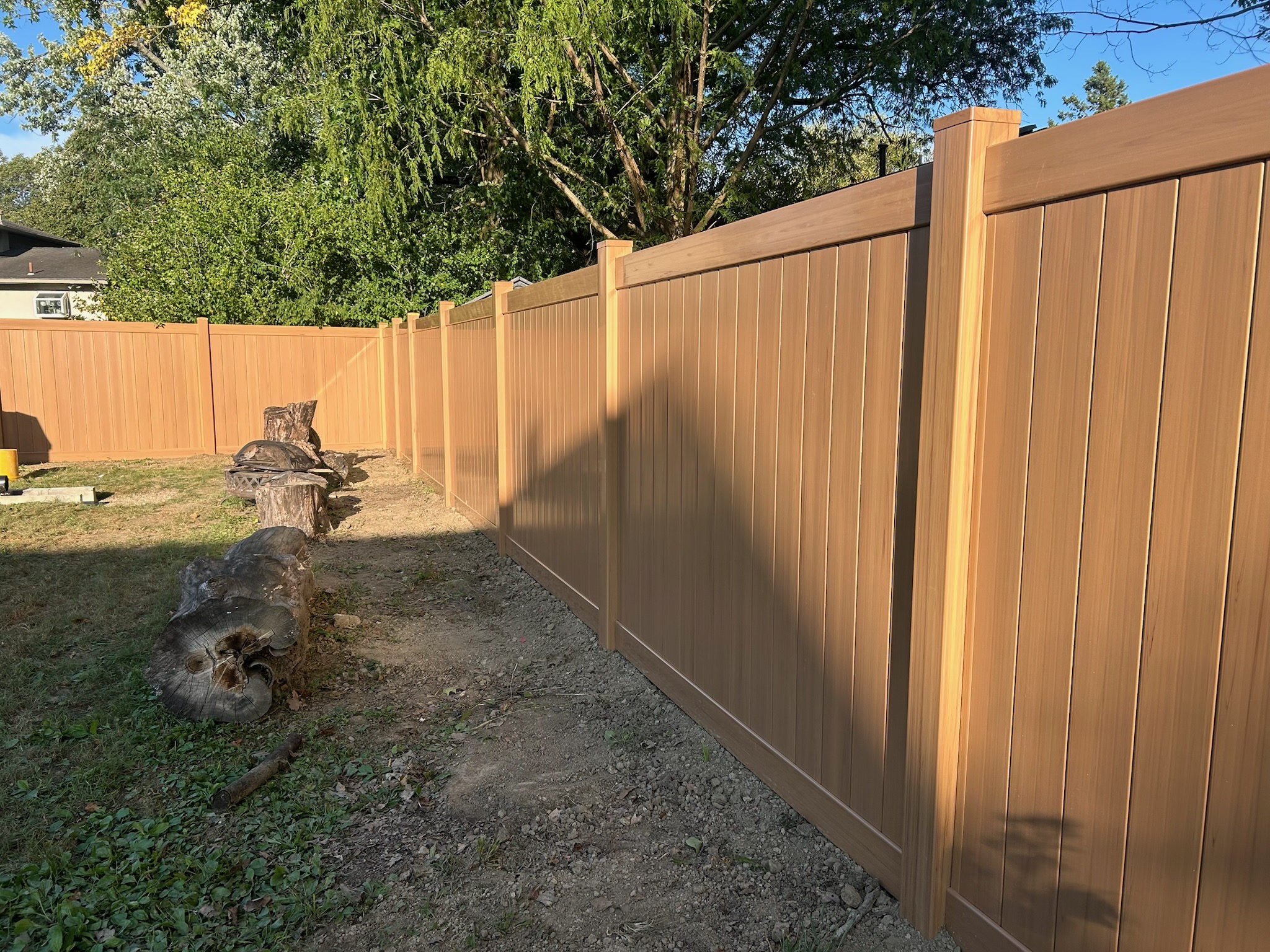
Vinyl fences offer durability with minimal maintenance, making them ideal for Ohio’s varying weather. Resistant to moisture and pests, vinyl doesn’t warp or rot. This makes it a low-maintenance option, saving time and money on repairs.
Vinyl’s color and finish are built-in, meaning no repainting or staining. It withstands UV exposure without fading, maintaining its appearance over time. Easy to clean, just a quick wash with soap and water keeps it looking new.
The smooth, non-porous surface prevents mold or mildew growth, a common issue in humid conditions. Vinyl’s resilience to Ohio’s weather affects makes it a preferred choice for both residential and commercial fencing needs.
Common Weather Challenges
While vinyl is resilient, it faces specific weather challenges. In extreme cold, vinyl can become brittle, increasing the risk of cracks or breaks. Careful installation and quality materials mitigate this risk.
High winds can stress vinyl fences, especially if not installed correctly. Ensuring secure posts and proper spacing helps withstand gusty conditions. Vinyl can expand slightly in heat but generally maintains its shape.
Water accumulation around posts can affect stability. Ensure proper drainage to avoid this issue. Despite these challenges, vinyl remains a durable fencing option for Ohio, requiring minimal care to endure the elements.
Metal Fencing Options

Aluminum vs. Chain Link
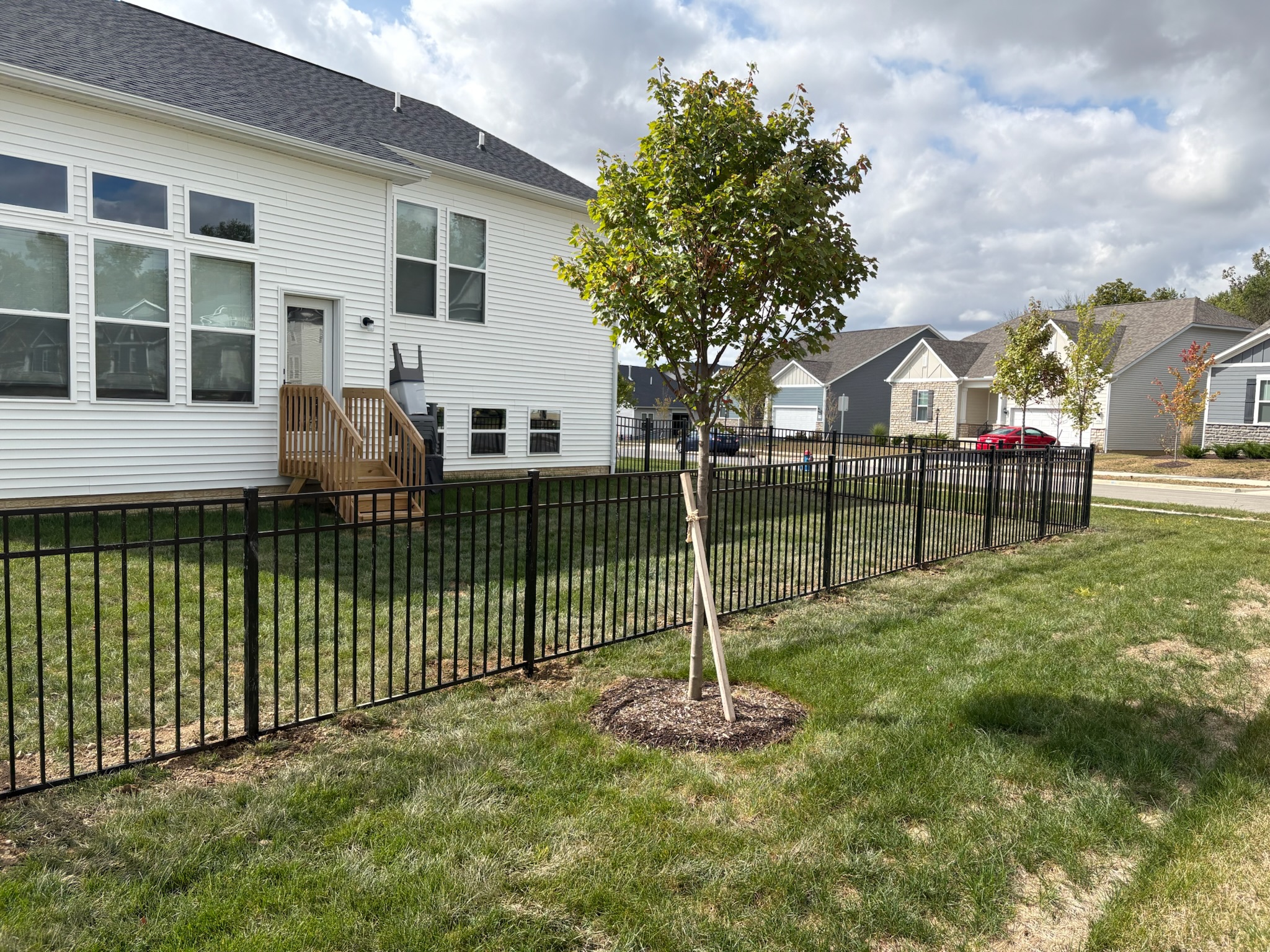
Metal fences offer strength and durability, but each type has its features. Aluminum fences are rust-resistant, lightweight, and ideal for decorative purposes. They can mimic the look of wrought iron minus the maintenance. Aluminum provides an elegant look with a long lifespan, suitable for residential fencing.
Chain link fences are more practical, offering affordability and functionality. Made from galvanized steel, they resist corrosion and offer security without obstructing views. They are often used for commercial fencing due to their durability and cost-effectiveness.
|
Feature |
Aluminum |
Chain Link |
|---|---|---|
|
Appearance |
Decorative, elegant |
Functional, unobtrusive |
|
Maintenance |
Low |
Low |
|
Durability |
High, rust-resistant |
High, corrosion-resistant |
|
Cost |
Higher |
Lower |
Choosing between them depends on your priorities: aesthetics and privacy or cost and security.
Weather Durability Factors
Metal fences are known for their durability, but weather factors play a role in their longevity. Aluminum fences are naturally rust-resistant, making them ideal for Ohio’s wet conditions. They require little maintenance and withstand seasonal changes well.
Chain link fences, with a galvanized coating, resist rust and handle moisture effectively. In storms, they flex rather than break, offering resilience against high winds. However, maintaining the coating prevents rust.
Both materials can be affected by temperature extremes. Aluminum may expand or contract slightly, while chain links can become brittle in cold. Regular inspections and minor upkeep ensure your metal fence continues to perform in Ohio’s climate. Metal fences offer reliable solutions with minimal weather impact, ideal for long-term use.