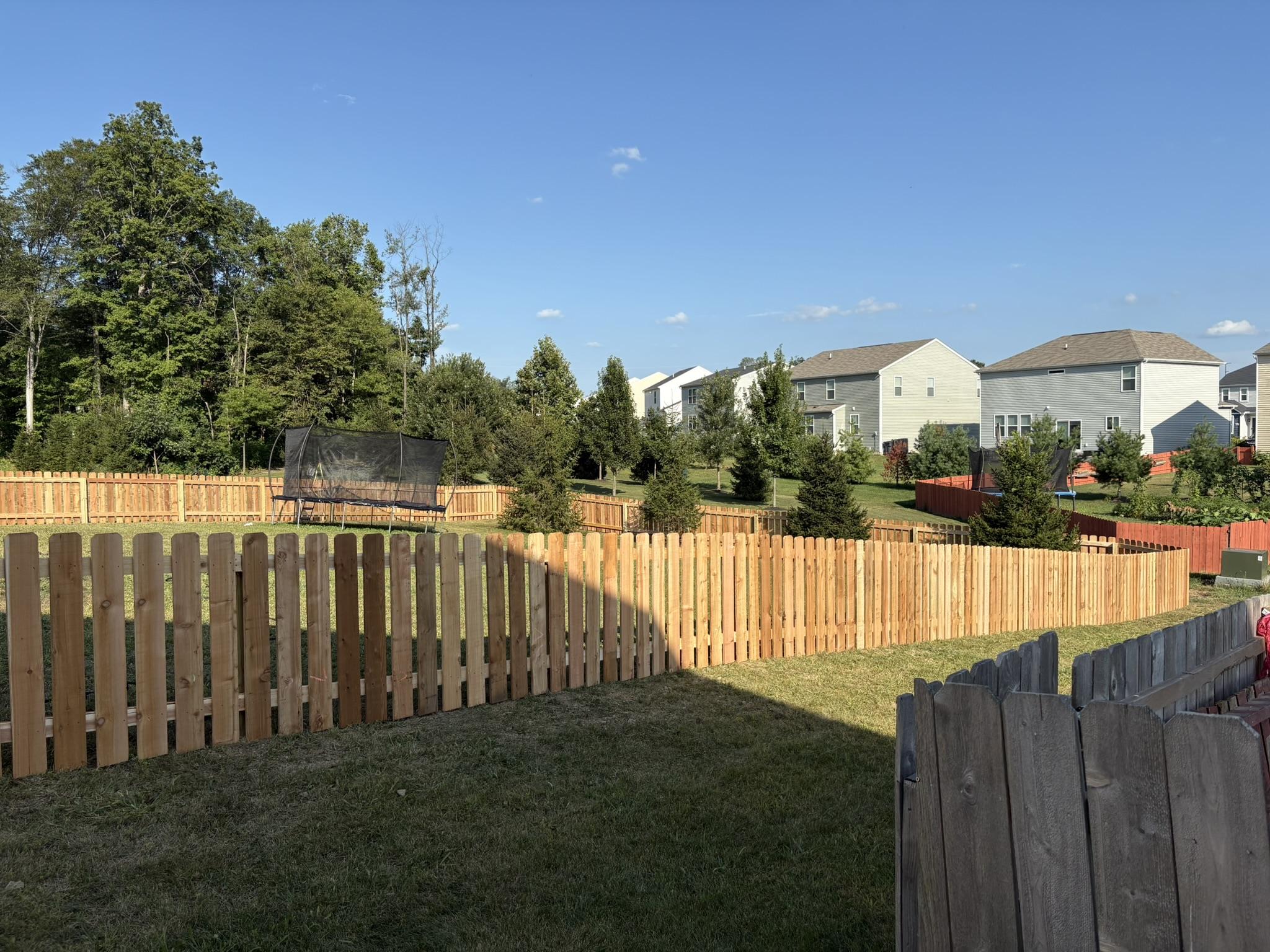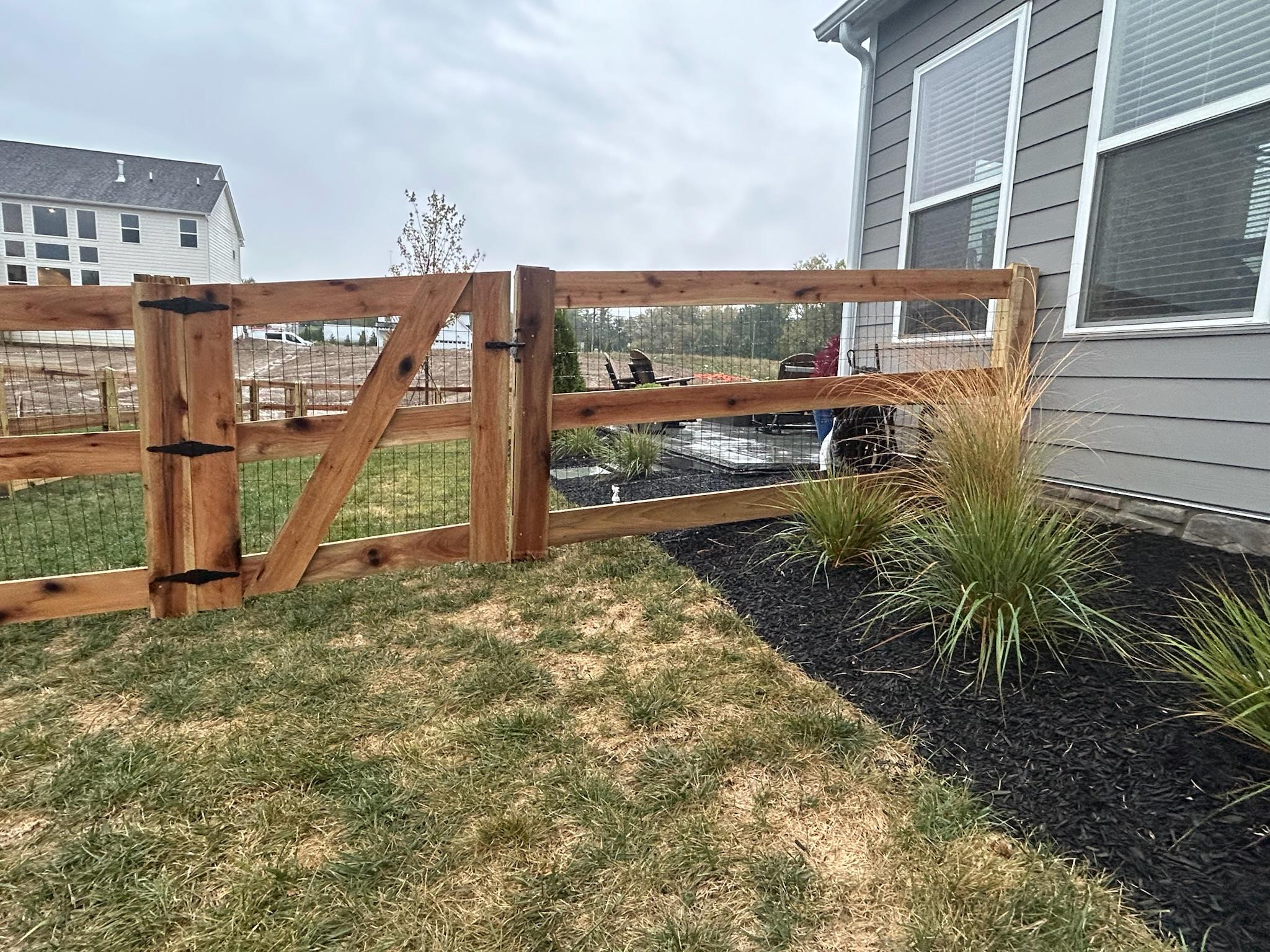
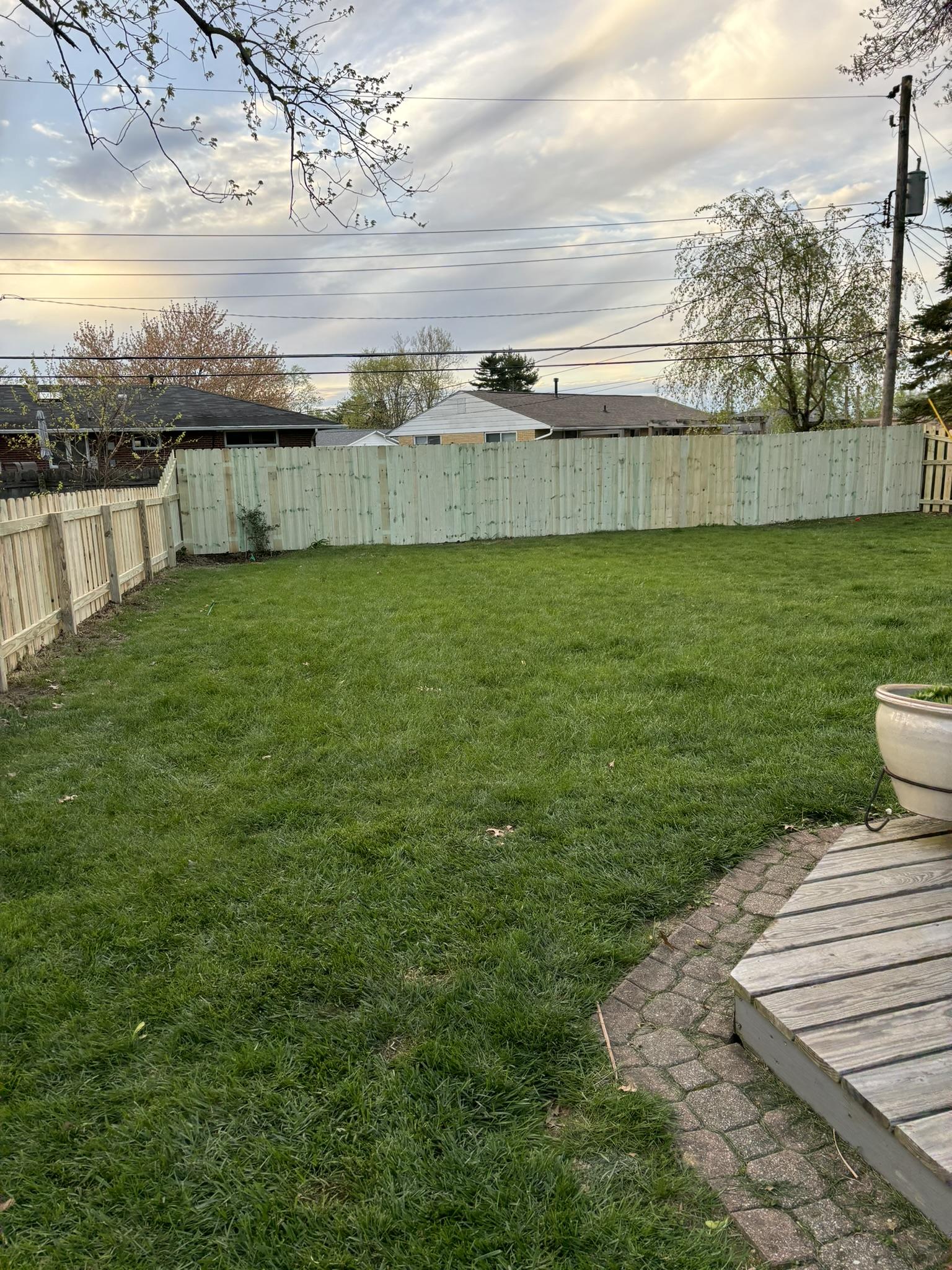
Most fence projects start with good intentions but stall over zoning rules or hidden utility lines. If you’re planning Columbus fence installation, skipping these steps can cost time and money. We’ll walk you through key tips—like securing fence permits Columbus Ohio and checking frost line depth Ohio—to keep your project on track. Ready to build a fence that fits your property and your budget? Learn more.
Understanding Columbus Fence Installation
When planning a fence in Columbus, understanding local regulations and conditions is crucial. This section will guide you through essential zoning rules, utility checks, and permit requirements to ensure a smooth installation process.
Local Zoning and Setback Rules
Before installing your fence, it’s vital to know your local zoning and setback rules. These regulations determine where you can place your fence and how high it can be. Ignoring them might lead to fines or having to remove your structure. To avoid these issues, check with the Columbus zoning department for specific guidelines on residential and commercial properties. Understanding these rules ensures your fence meets all city requirements, saving you time and hassle.
Ohio 811 Utility Locate Essentials
Before you dig, you must call Ohio 811 to locate underground utility lines. This step is not just a recommendation; it’s a legal requirement. Striking a utility line can cause service disruptions, injuries, or worse. By calling Ohio 811, you ensure safety and prevent costly damages. They will mark your property with colored flags, indicating the presence of any underground lines. This precaution sets the foundation for a safe and compliant fence installation.
Permits Required in Columbus Ohio
Securing the right permits is a crucial step in your fence project. In Columbus, most fencing projects require a permit. Doing this beforehand avoids future complications. You can obtain the necessary permits through the city’s building department. By ensuring you have the correct documentation, your project will proceed smoothly without any legal hiccups.
Selecting the Right Fence Type
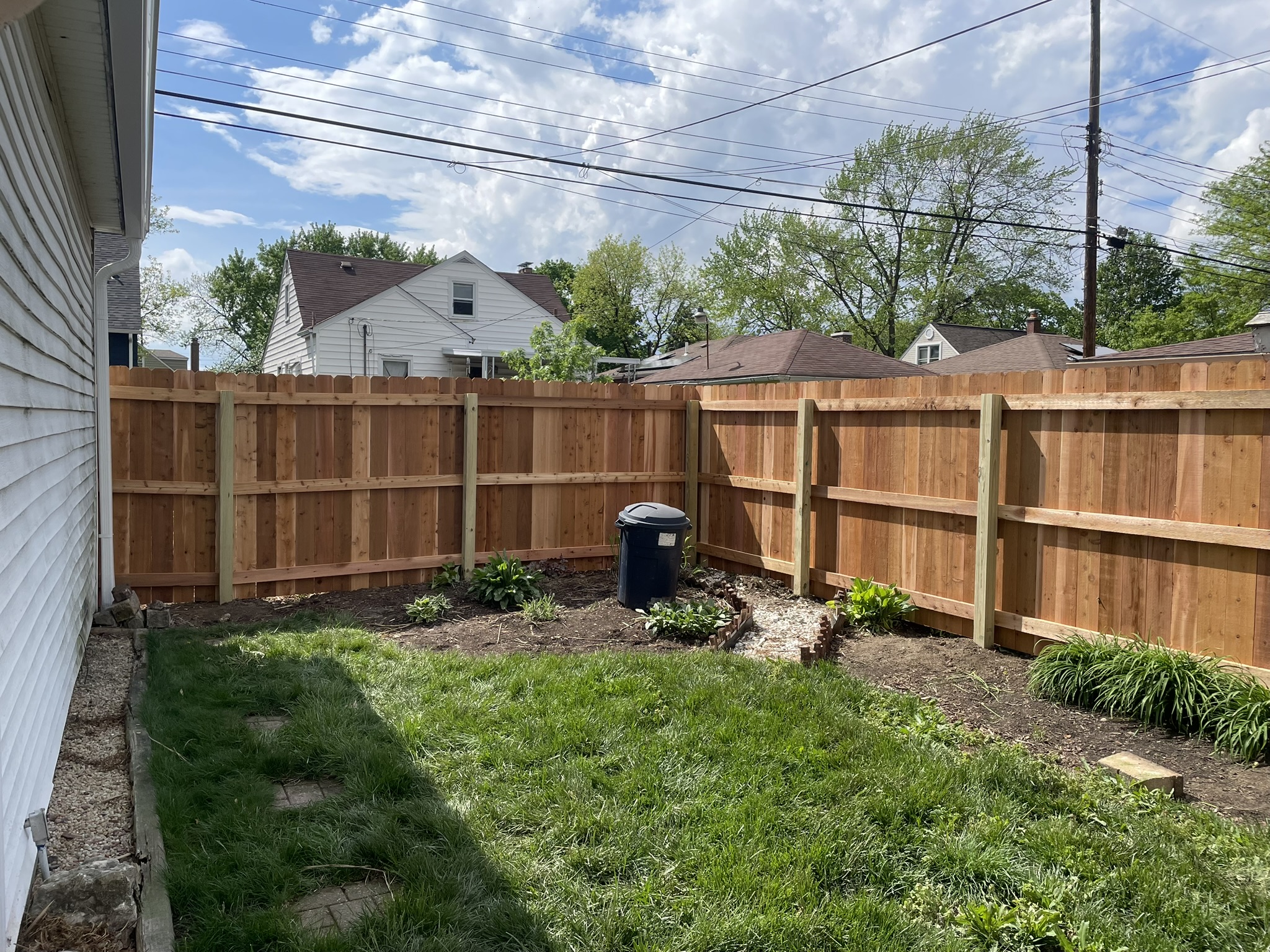
Choosing the right fence involves more than just aesthetics. Consider factors like material durability and your property’s needs## Understanding Columbus Fence Installation
Planning a fence in Columbus requires understanding local guidelines and processes. Let’s dive into the essentials that will keep your project smooth and successful.
Local Zoning and Setback Rules
Zoning laws are crucial when installing a fence. Most areas have rules about how close a fence can be to property lines or streets. In Columbus, these rules can vary by neighborhood, so it’s vital to check local regulations before you start. Contacting your local zoning office can help clarify these rules and prevent costly mistakes. Remember, understanding these requirements ensures your fence doesn’t have to be relocated or removed after installation.
Ohio 811 Utility Locate Essentials
Before digging, it’s important to identify where underground utilities are located. Ohio’s 811 call service is a free utility location service that helps you avoid damaging essential lines like gas, water, or electricity. Once you request a locate, utility companies have a few days to mark lines on your property. Missing this step can lead to dangerous situations and expensive repairs. Always call 811 before any digging to maintain safety and avoid interruptions.
Permits Required in Columbus Ohio
Obtaining the right permits is essential for legal compliance in fence installation. In Columbus, a permit is typically required for most fences, especially if they exceed a certain height. Visit the Columbus Building and Zoning Services website to understand the specific requirements for your project. Taking this step ensures your fence meets all city standards and prevents potential legal issues down the road.
Selecting the Right Fence Type
Choosing the perfect fence involves balancing aesthetics, function, and budget. Let’s explore the benefits and differences of popular materials.
Wood vs. Vinyl vs. Aluminum
Each material offers unique advantages. Wood fences are classic and provide a warm, natural look that complements many homes. Vinyl is low-maintenance and durable, making it a popular choice for many homeowners. Aluminum offers a sleek, modern appearance and is resistant to rust and corrosion, ideal for those seeking a long-lasting, stylish option. Consider your priorities and property style when selecting a material.
Privacy and Chain Link Options
Privacy and chain link fences serve different purposes. Privacy fences, typically made of wood or vinyl, offer seclusion and security, perfect for backyards. Chain link fences are cost-effective and offer a simple boundary without obstructing views, making them suitable for front yards or larger properties. The choice depends on your needs for privacy, security, and budget.
Farm Fencing in Central Ohio
Farm fencing is essential for property owners with larger plots or livestock. Options like split-rail, barbed wire, or high-tensile fencing provide a functional boundary that keeps animals safe and secure. These fences are designed to handle the specific needs of rural properties, ensuring your land is both protected and accessible.
Planning for Successful Installation
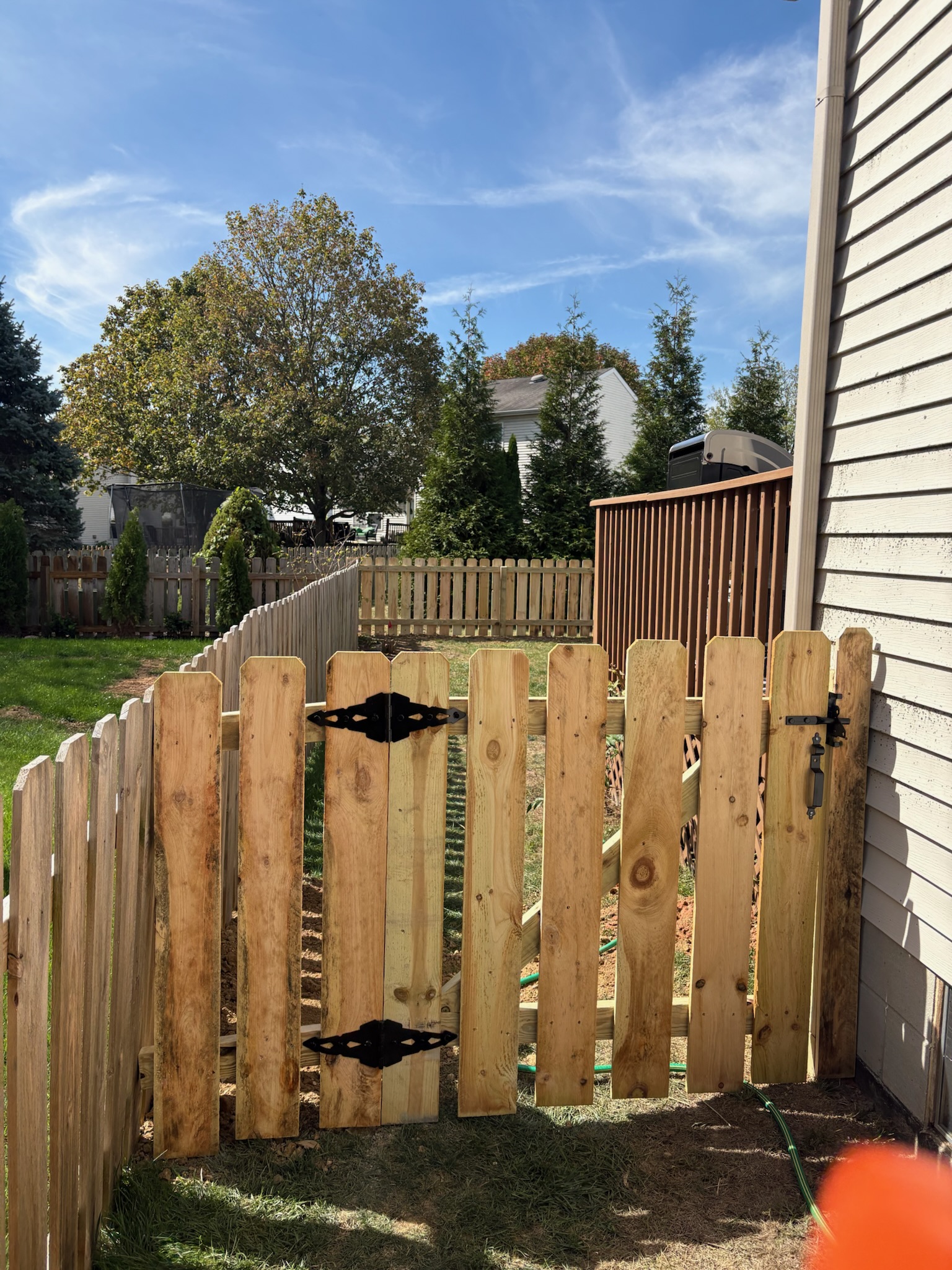
Proper planning can prevent common pitfalls and ensure a smooth installation process.
Frost Line Depth and Winter Installation
Understanding the frost line depth in Ohio is crucial for sturdy fence posts. The frost line affects how deep posts should be set to prevent heaving during freeze-thaw cycles. Digging below this line ensures your fence remains stable year-round. Winter installation might pose challenges, but with careful planning, it can be a viable option, especially if using materials that withstand cold conditions.
Professional Site Evaluation Benefits
A professional site evaluation can identify potential challenges early. Experts can assess soil conditions, slope, and other site-specific factors that might affect installation. This insight helps tailor the installation to your property’s unique needs, ensuring a fence that stands the test of time.
Scheduling a Fence Quote in Columbus
Getting a timely fence quote is essential for budget planning. Scheduling a consultation with Murphy Fence LLC can provide you with a detailed estimate and expert advice tailored to your project. A professional quote outlines costs, timelines, and material options, offering peace of mind as you embark on your fence installation journey.
Frequently Asked Questions
What permits are required for fence installation in Columbus, Ohio?
In Columbus, you typically need a permit for most fence installations, especially if the fence exceeds specific height limits. It’s important to check with the local building and zoning services to ensure compliance.
How do I locate underground utilities before digging?
You can call Ohio 811 to request a utility locate. This service is free and helps prevent damage to underground lines like gas and electricity, ensuring safe and legal fence installation.
What are the benefits of professional site evaluation?
A professional site evaluation identifies potential challenges, such as soil condition and slope, which can affect fence stability. It ensures that your fence is installed correctly, tailored to your property’s unique needs.
What is the best time of year to install a fence in Columbus?
While fences can be installed year-round, the best time is typically during the spring and summer months. However, with proper planning, winter installations can also be successful, especially with durable materials.
How deep should fence posts be set in Ohio?
Fence posts should be set below the frost line depth, which varies but generally is around 32 inches in Ohio. This depth prevents the posts from heaving during freeze-thaw cycles.