Planning Your Fence Installation: Avoid These Common Pitfalls
Planning your fence installation can quickly become overwhelming if you miss key details. Many homeowners and business owners in Columbus Ohio fencing projects stumble over common pitfalls that add time and cost. By knowing what to watch for, you’ll avoid these mistakes and enjoy a smooth process from start to finish. Let’s walk through the top traps to avoid and how Murphy Fence LLC ensures your fence looks great and lasts for years. Learn more here.
Selecting the Right Fence Material
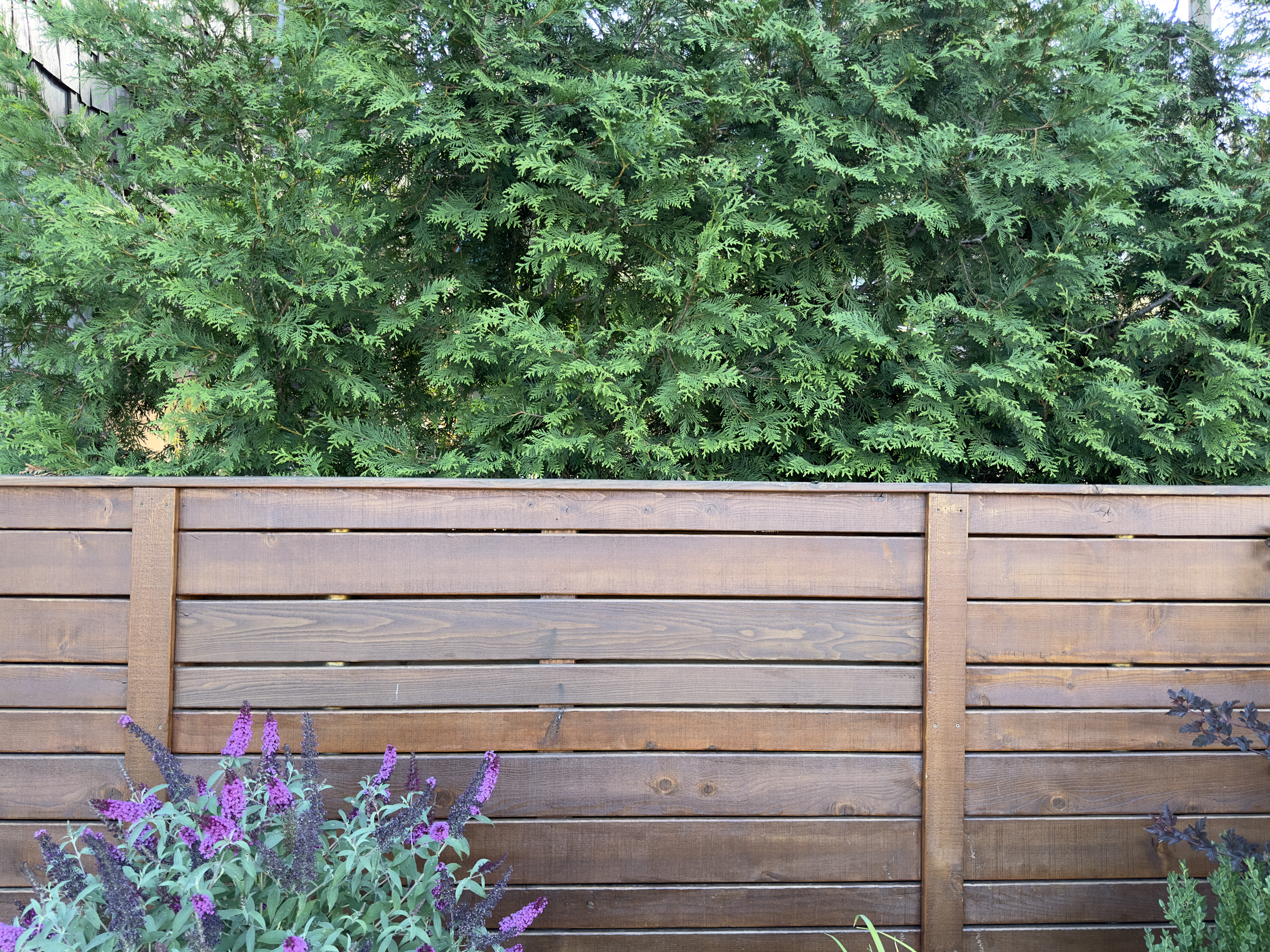
Choosing the right fence material sets the foundation for your entire fencing project. It’s crucial to weigh the benefits and drawbacks of each option to make an informed decision.
Pros and Cons of Wood Fences
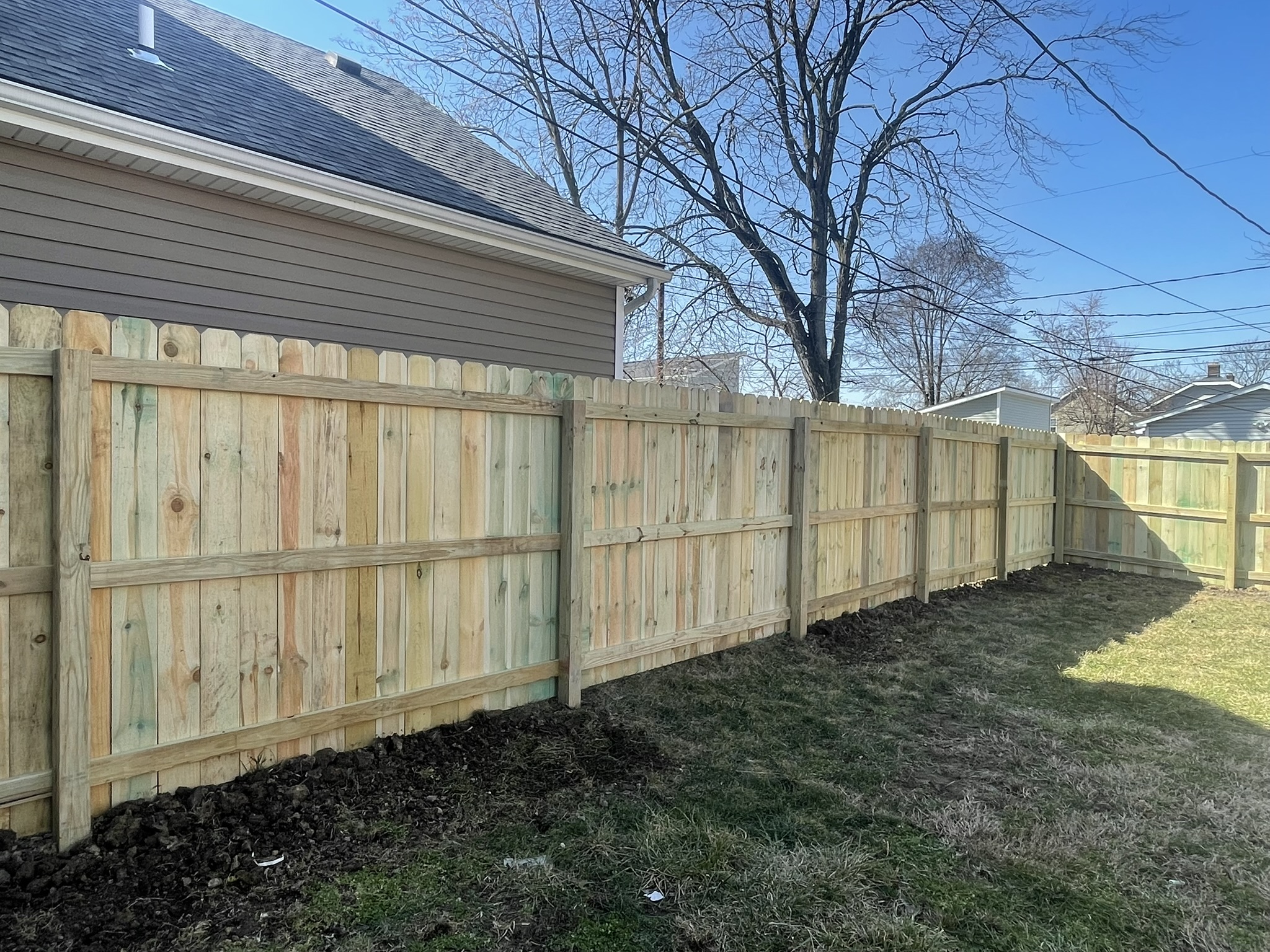
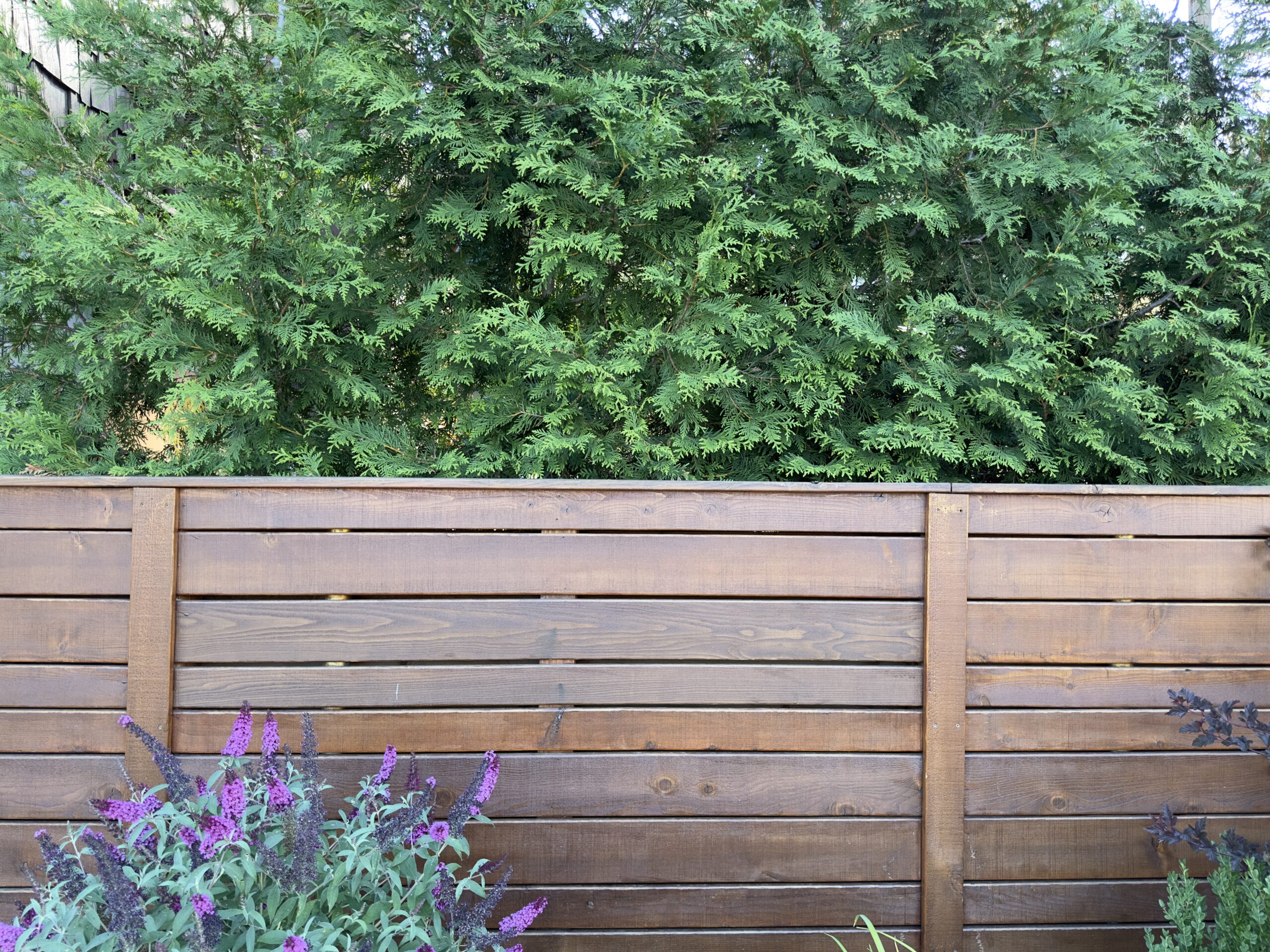
Wood fences offer a natural and classic look that many homeowners love. They blend beautifully with outdoor spaces and provide good privacy. However, wood can be susceptible to weather damage and might require regular maintenance. A great example is how a well-maintained cedar fence can last over 15 years, yet untreated wood might show wear much sooner. Consider your willingness to perform upkeep against the charm wood provides.
Why Choose Vinyl Fencing?
Vinyl fencing is a low-maintenance alternative that’s gaining popularity. It’s durable and can withstand harsh weather conditions without rotting or warping. Plus, vinyl fences come in a variety of colors and styles, offering aesthetic flexibility. While initially more expensive than wood, the reduced need for maintenance can save money long-term. A vinyl fence can last 30 years with little more than occasional cleaning, making it a wise investment for those seeking longevity.
Aluminum vs. Chain Link
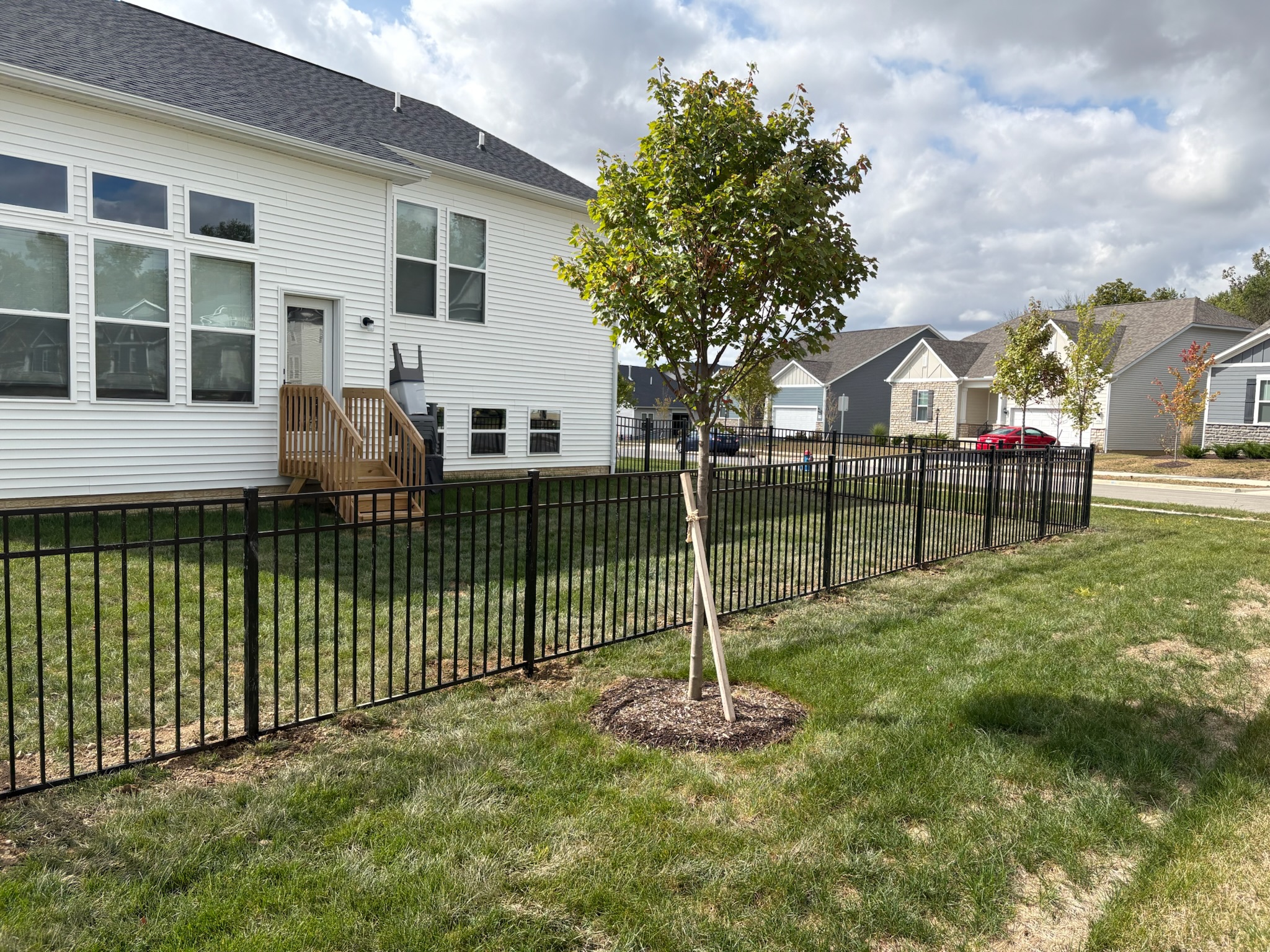
When it comes to durability and function, aluminum and chain link fences are top contenders. Aluminum fences are elegant and rust-resistant, ideal for decorative and security purposes. They’re more expensive but offer a sleek look that complements upscale homes. On the other hand, chain link fences are cost-effective and perfect for large areas needing security, like commercial properties or backyards. They might not offer much privacy, but their affordability and strength make them a practical choice for many.
Avoiding Common Installation Mistakes
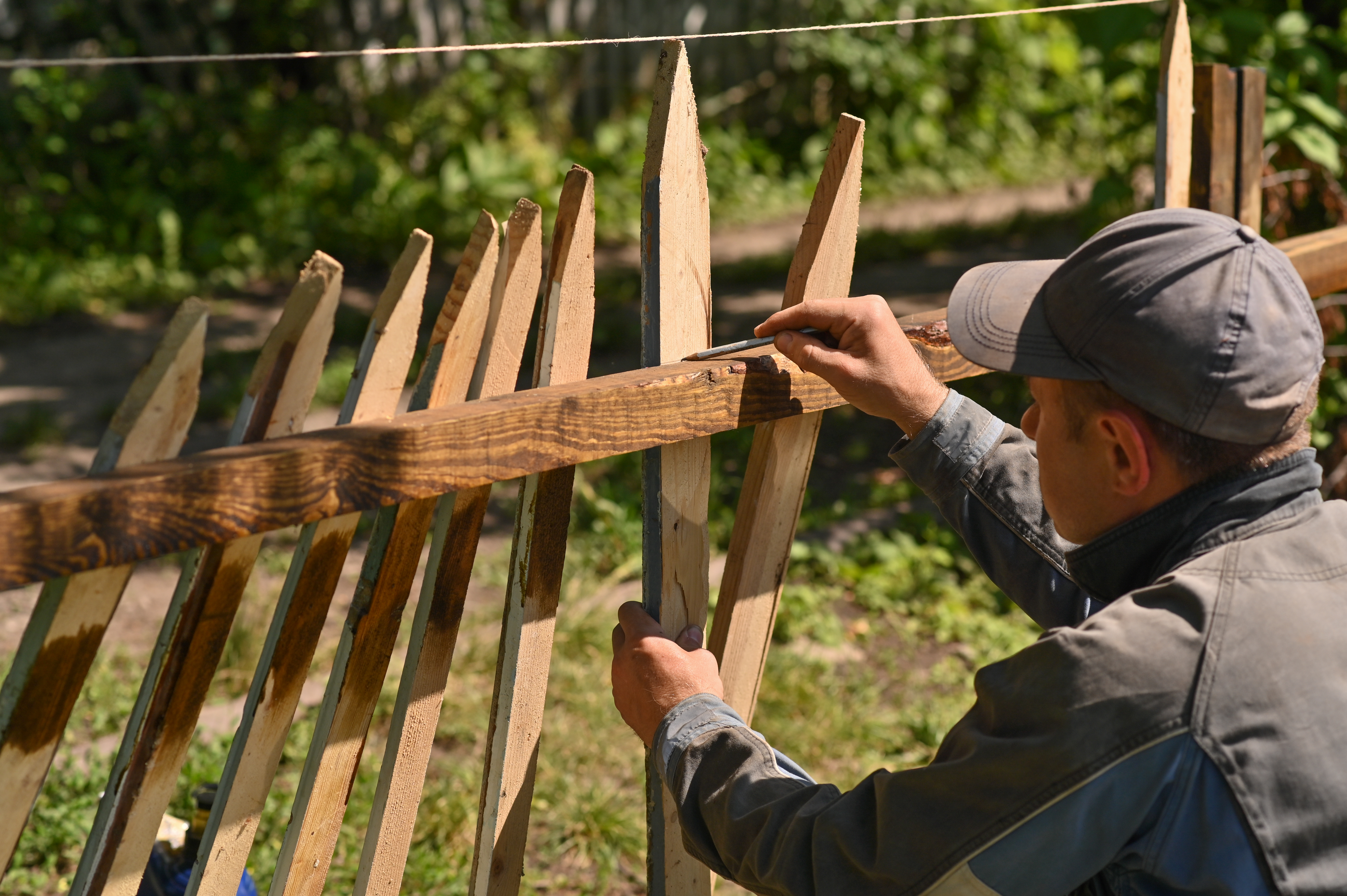
Even with the right materials, installation missteps can derail your project. Let’s explore essential factors that ensure your fence construction goes smoothly.
Importance of Accurate Measurements
Precise measurements are critical in fence installation. Incorrect measurements can lead to wasted materials and increased costs. Ensure you measure twice and cut once to fit your fence’s planned layout. Many people overlook property lines, leading to disputes with neighbors. Using a professional surveyor to mark boundaries can save headaches and ensure your fence is perfectly placed.
Permits and Regulations in Ohio
Before installation, understanding local permits and regulations is crucial. Ohio has specific guidelines that dictate fence height, material, and location. Failing to adhere can lead to fines or required alterations. Consulting local zoning laws or hiring an expert familiar with Ohio’s regulations can smooth the process. It’s better to invest time upfront than face legal troubles later.
Hiring Professional Installers
Professional installers bring expertise that can save you time and stress. They handle complex tasks and can avoid common pitfalls that DIYers might encounter. While hiring professionals like Murphy Fence LLC comes with a cost, their experience ensures your fence is built to last. Most people think they can manage alone, but the expertise and efficiency professionals provide often outweigh the initial expense.
Enhancing Property Value

A well-installed fence not only secures your property but also boosts its value. Let’s examine how customization and maintenance play a role.
Benefits of Custom Fence Designs
Custom fence designs allow you to tailor your fence to your property’s unique needs and aesthetics. A custom design can transform your space, making it stand out in the neighborhood. Whether you need extra height for privacy or a specific style to match your home, customization provides flexibility. Investing in a unique design can elevate your property’s curb appeal and market value, offering a return on investment when selling.
Residential vs. Commercial Fencing Needs
Residential and commercial properties have different fencing requirements. Residential fences often prioritize aesthetics and privacy, while commercial fences focus on security and durability. Understanding these differences is key to choosing the right solution. For homes, a decorative fence like vinyl or wood may suffice, whereas businesses might require aluminum or chain link for enhanced security. Tailoring your choice to your property’s specific needs ensures optimal performance and satisfaction.
Long-term Maintenance Tips
Maintaining your fence ensures it remains in top condition for years. Regular inspections for damage, prompt repairs, and routine cleaning are essential. For example, vinyl fences need less maintenance but benefit from occasional washing to prevent discoloration. Wood fences require sealing or staining every few years to protect against the elements. By investing time in upkeep, your fence will continue enhancing your property’s look and value.
www.murphyfencellc.com