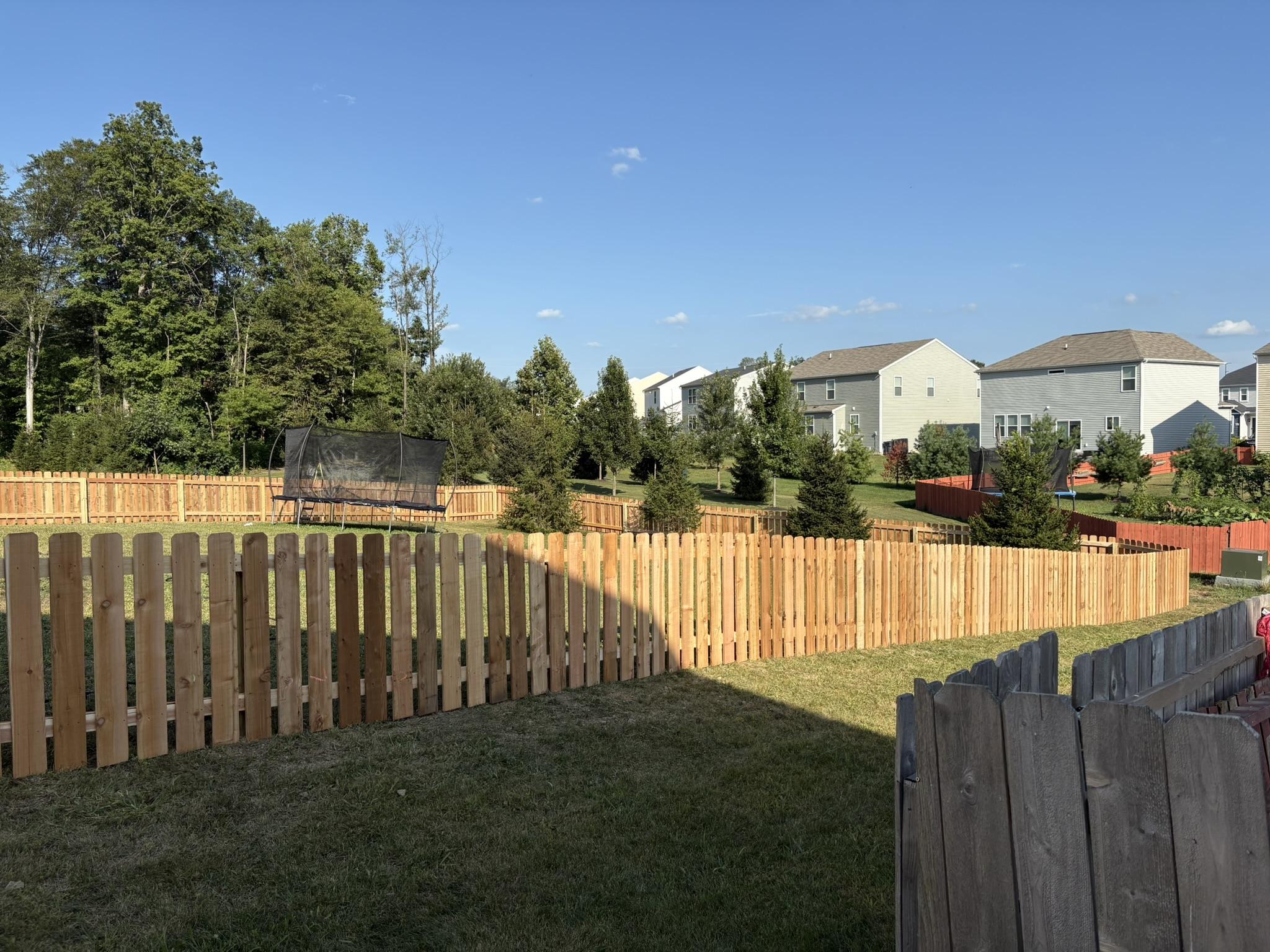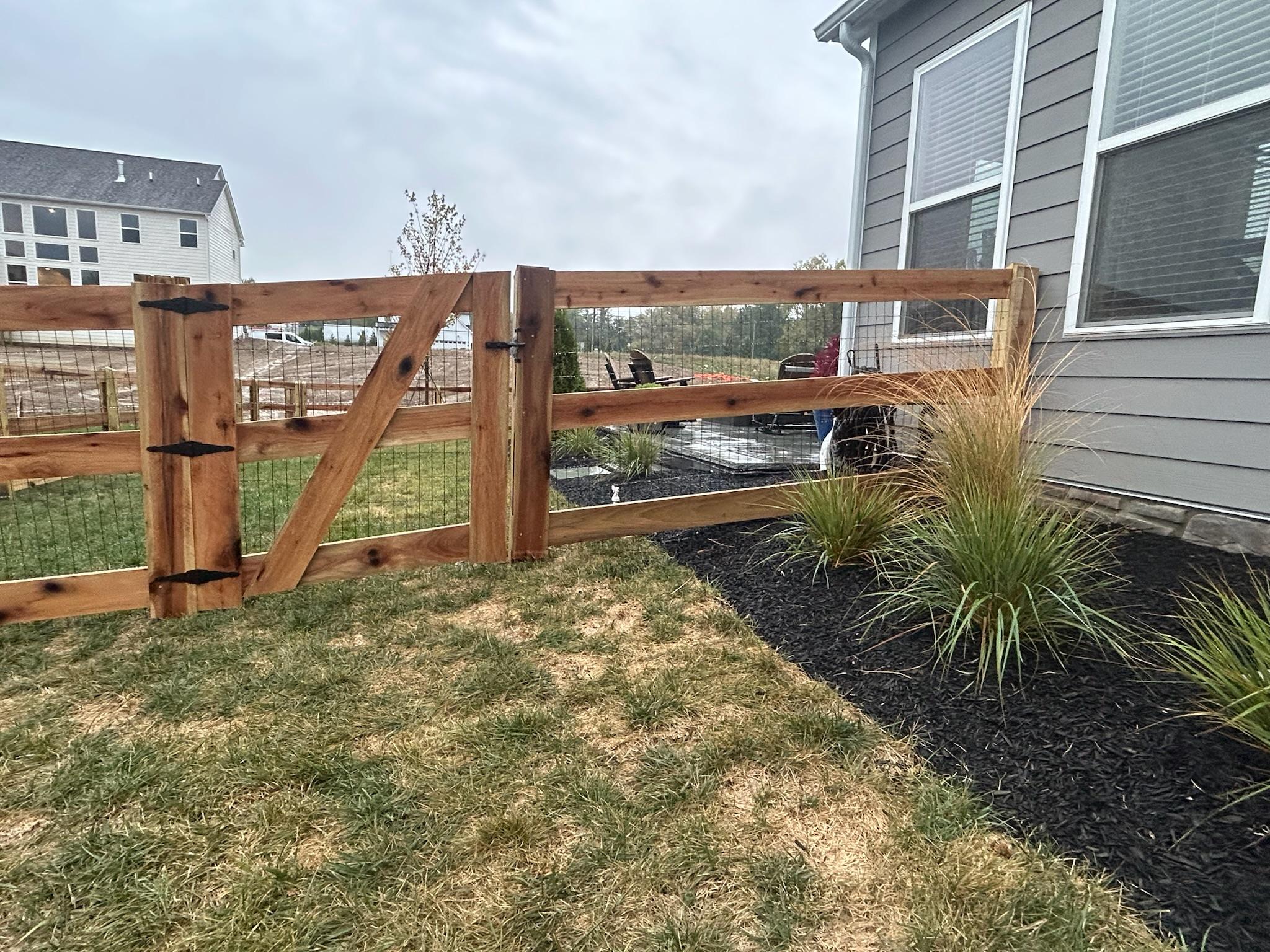
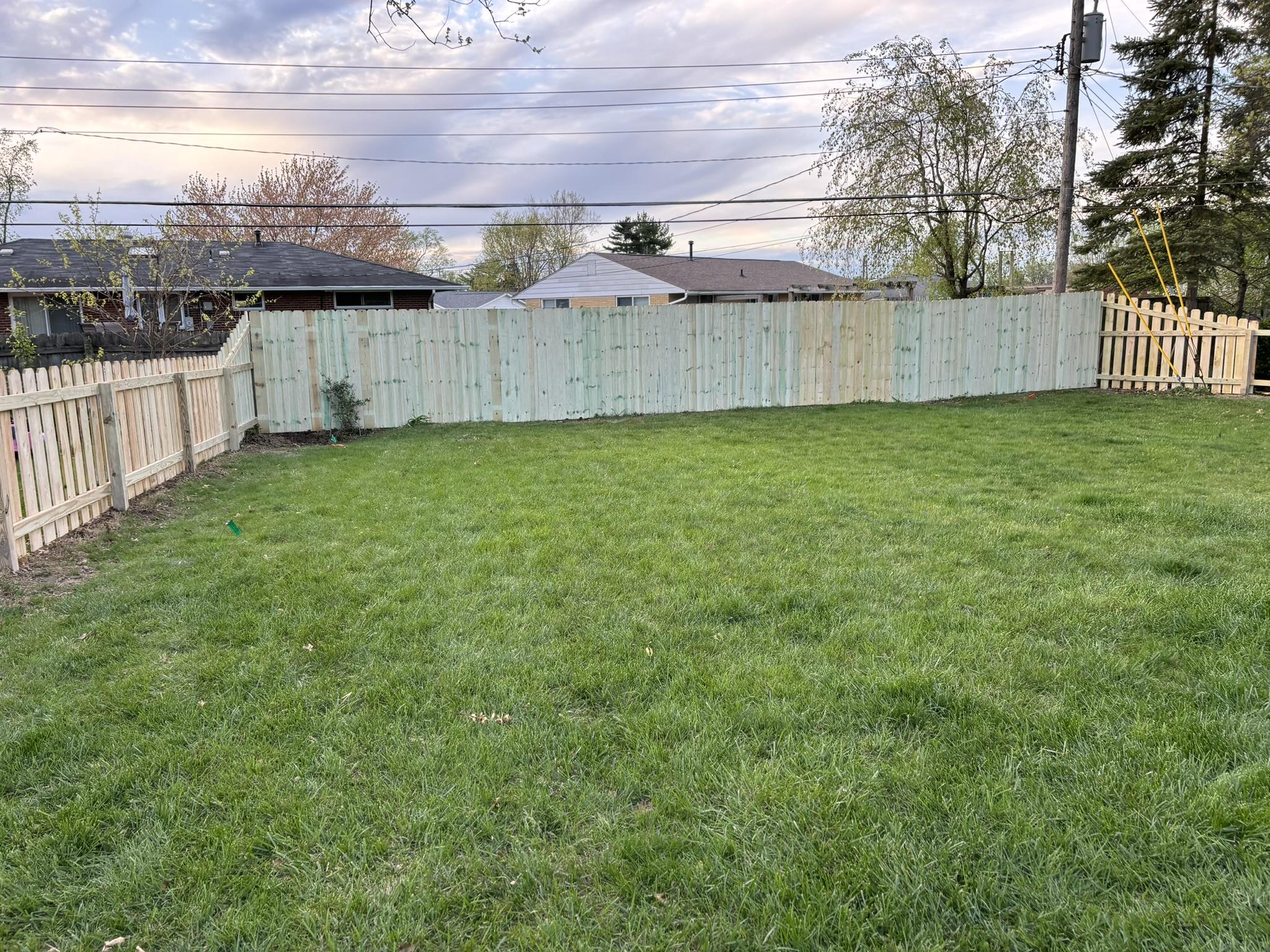
Planning a new fence in Franklin, Delaware, Fairfield, or Licking County means balancing style, function, and local rules. Many homeowners get stuck deciding on materials, navigating permits, or figuring out property lines. This guide breaks down every step—from choosing wood, vinyl, or aluminum to understanding HOA guidelines and pool fence codes. With Murphy Fence LLC’s local expertise, you’ll gain clear, practical advice to plan a fence that fits your needs and enhances your home’s value. For further information, you can refer to this document.
Assessing Your Fencing Needs
Before diving into fence materials or installation, it’s crucial to understand your specific needs. This foundation shapes the entire project, ensuring your fence serves its purpose effectively.
Determine Your Fencing Goals
What do you want your fence to achieve? Whether you’re aiming for privacy, security, or aesthetic enhancement, your goals will guide material and design choices. For instance, a privacy fence in Columbus might call for taller panels, while decorative fencing may focus on style. Consider your property’s layout and how the fence will complement existing features. A clearly defined goal sets the stage for a successful installation.
Consider Local Regulations
Each county has its own rules about fencing. In areas like Franklin and Delaware, knowing these can prevent costly mistakes. You’ll need to check height restrictions, setback requirements, and any specific guidelines for pool fences. Ignoring these may lead to fines or having to redo your fence. It’s also wise to contact your local zoning office to confirm any specific rules for your area. Understanding these regulations upfront saves time and hassle later on.
Evaluate Maintenance Requirements
Every fence material comes with its own upkeep demands. Wood fences, for instance, may require regular sealing or painting to prevent weather damage. In contrast, vinyl and aluminum offer lower maintenance but may have other considerations like cleaning or minor repairs. Assessing these factors helps ensure your fence remains in good condition over time. Make a plan for maintenance from the start to avoid surprises down the road.
Choosing the Right Fence Material
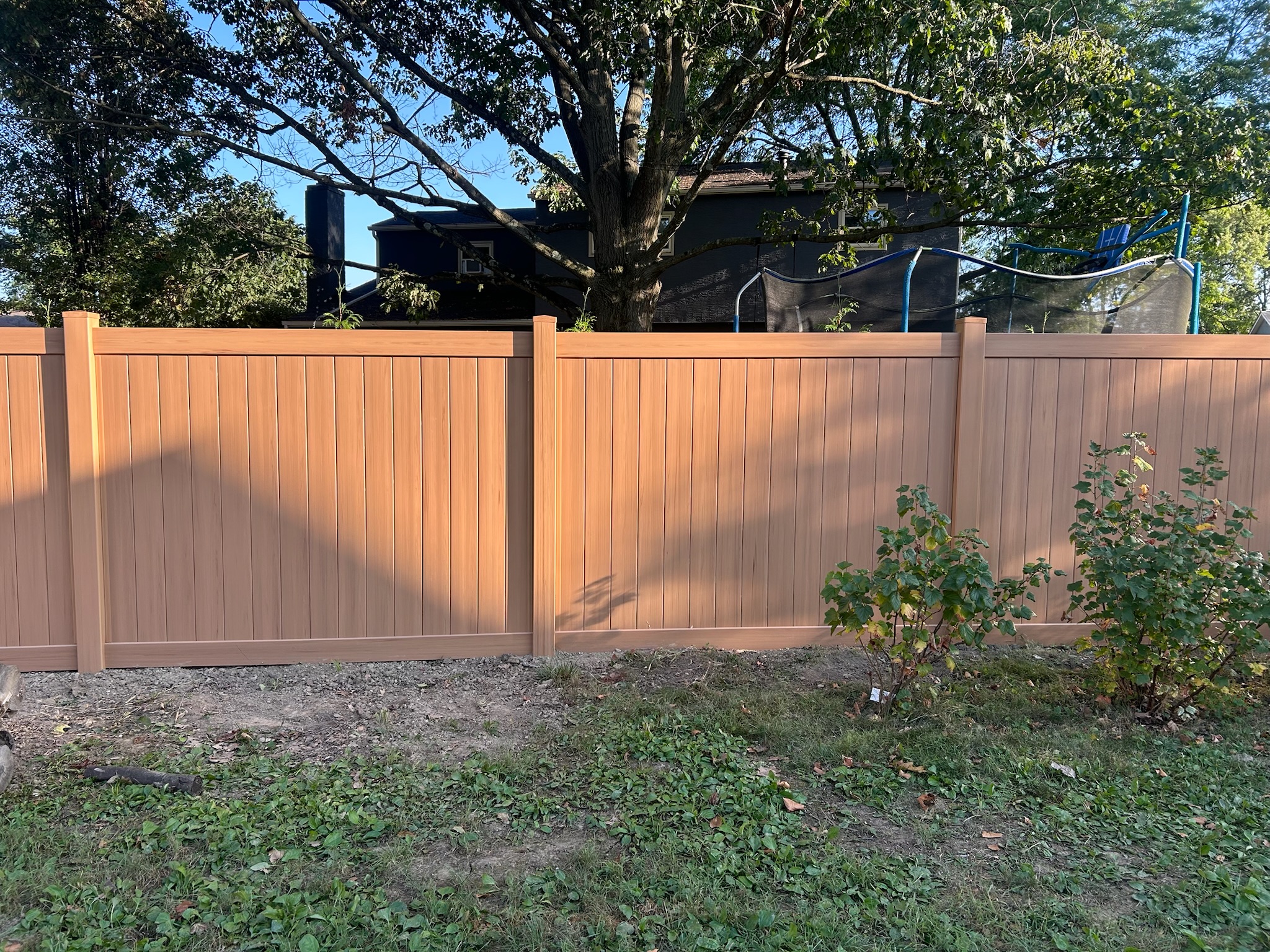
Selecting the right material is pivotal in achieving your fencing goals. Each option presents unique benefits and challenges, so choose based on your needs and lifestyle.
Wood, Vinyl, or Aluminum?
Wood offers a classic look and customization but demands more upkeep. It’s ideal for privacy fences in Columbus due to its solid panels. Vinyl, on the other hand, provides durability and minimal maintenance, making it a popular choice for residential fencing in Columbus, Ohio. Aluminum is perfect for those seeking a sleek, modern design without sacrificing strength. Consider your budget, aesthetic preferences, and willingness to handle maintenance when choosing.
Pet-Friendly and Pool Options
If pets or pools are on your property, safety becomes a priority. Pet-friendly fences keep your furry friends secure while allowing visibility. Pool fences must meet specific codes to ensure safety, often requiring self-closing gates and certain heights. Research options that blend security with your yard’s aesthetics. This ensures peace of mind while enhancing your outdoor space.
Custom Designs for Unique Spaces
Every property is different, and sometimes standard fences won’t do. Custom designs cater to unique landscapes or specific desires, offering a tailored solution that matches your vision. Whether it’s a custom fence design in Ohio to fit a sloped yard or a blend of materials to create a distinctive look, customization opens possibilities. Discussing your needs with a professional can uncover innovative solutions that standard fences can’t match.
Planning and Installation Process
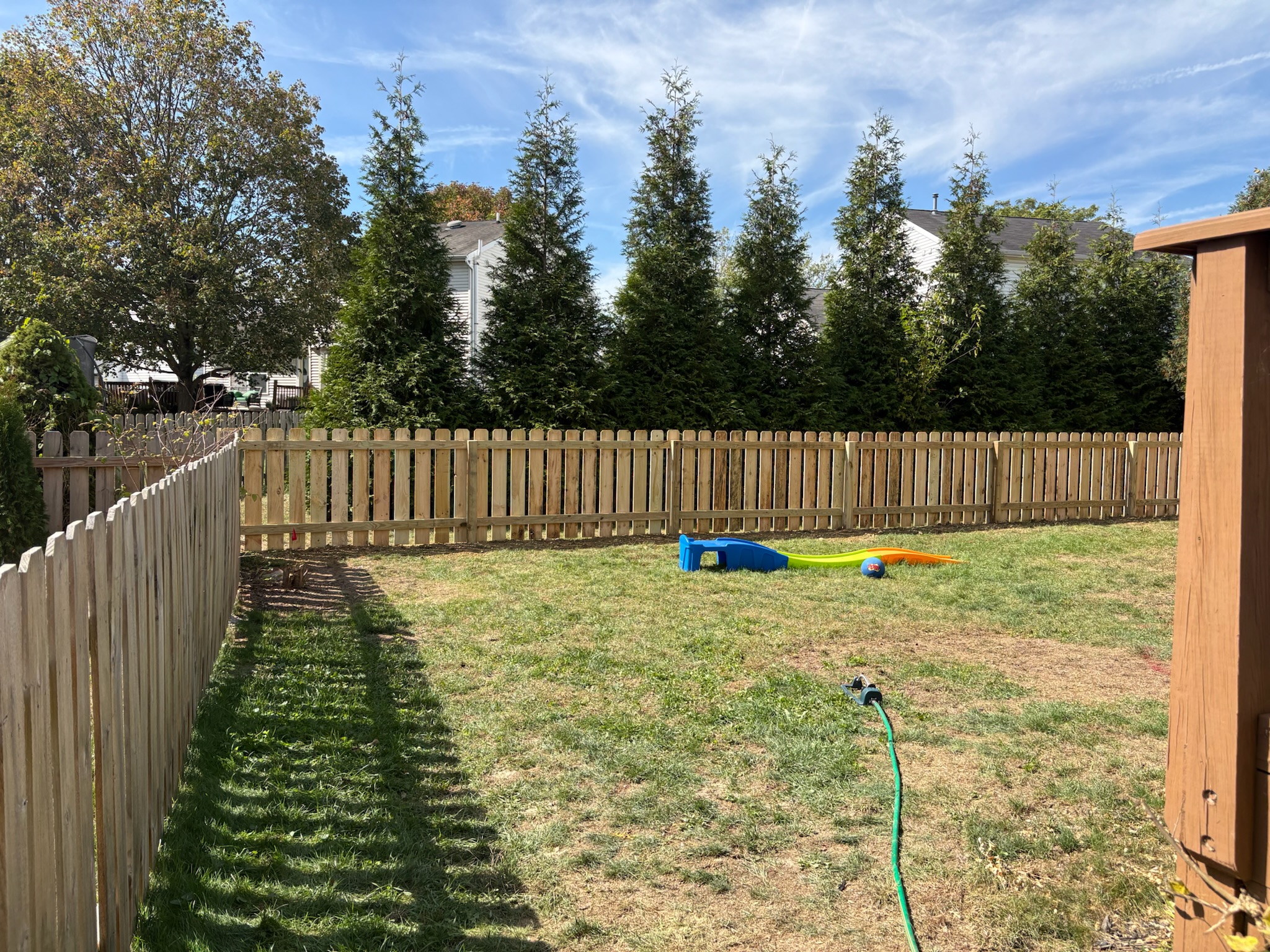
With your needs and materials decided, planning the installation process is the next step. Proper preparation ensures a smooth project from start to finish.
Property Lines and Utility Checks
Before installing, confirm your property lines to avoid disputes with neighbors. This step is crucial in all counties, including Licking County fence installations. Additionally, call utility companies to mark underground lines, preventing accidents during installation. This step not only ensures safety but also protects you from potential fines or damages.
Permits and HOA Guidelines
Obtaining the right permits is essential. Some areas might have specific requirements, especially for pool fences or taller structures. If you’re in an HOA community, check their guidelines to ensure compliance. These regulations often dictate material, color, and height, impacting your choices. Failing to adhere can result in fines or requests to alter your fence.
Setting a Realistic Timeline
Plan your project timeline carefully. Factors like weather, permit approval, and material availability can affect installation. A reliable Columbus fence contractor will help you set realistic expectations and work efficiently within your timeframe. Clear communication with your contractor ensures a smooth process, minimizing delays and keeping the project on track.
Frequently Asked Questions
What is the best material for a privacy fence?
The best material for a privacy fence in Columbus is often wood due to its solid panels and classic appeal. However, vinyl is also a popular choice for its durability and low maintenance.
How do I know where my property lines are?
To determine your property lines, consult your property survey or hire a professional surveyor. This ensures accuracy and prevents disputes with neighbors during fence installation.
Do I need a permit to install a fence in Franklin County?
Yes, most likely. It’s recommended to check with the local zoning office for specific requirements as they can vary by area within Franklin County.