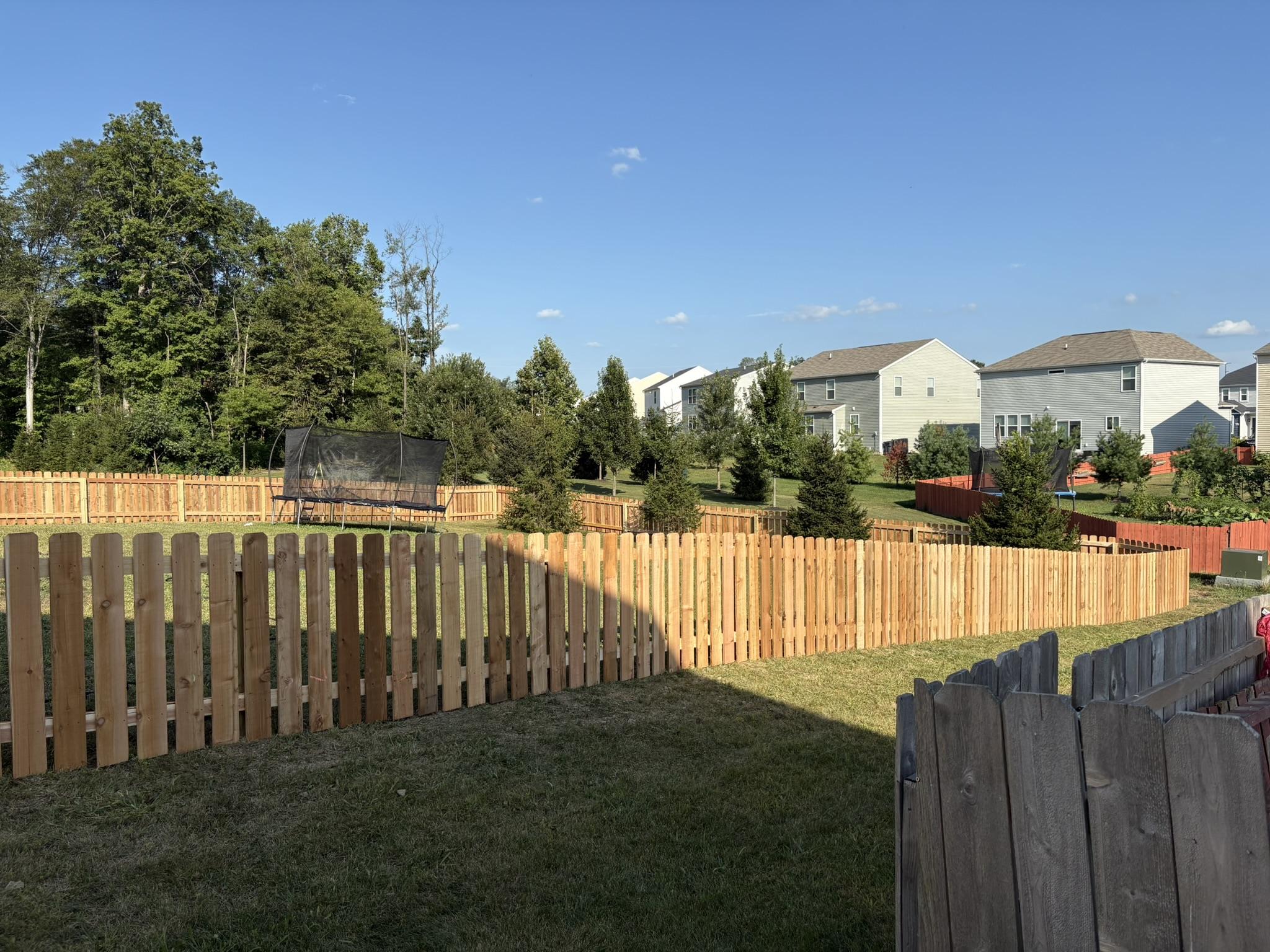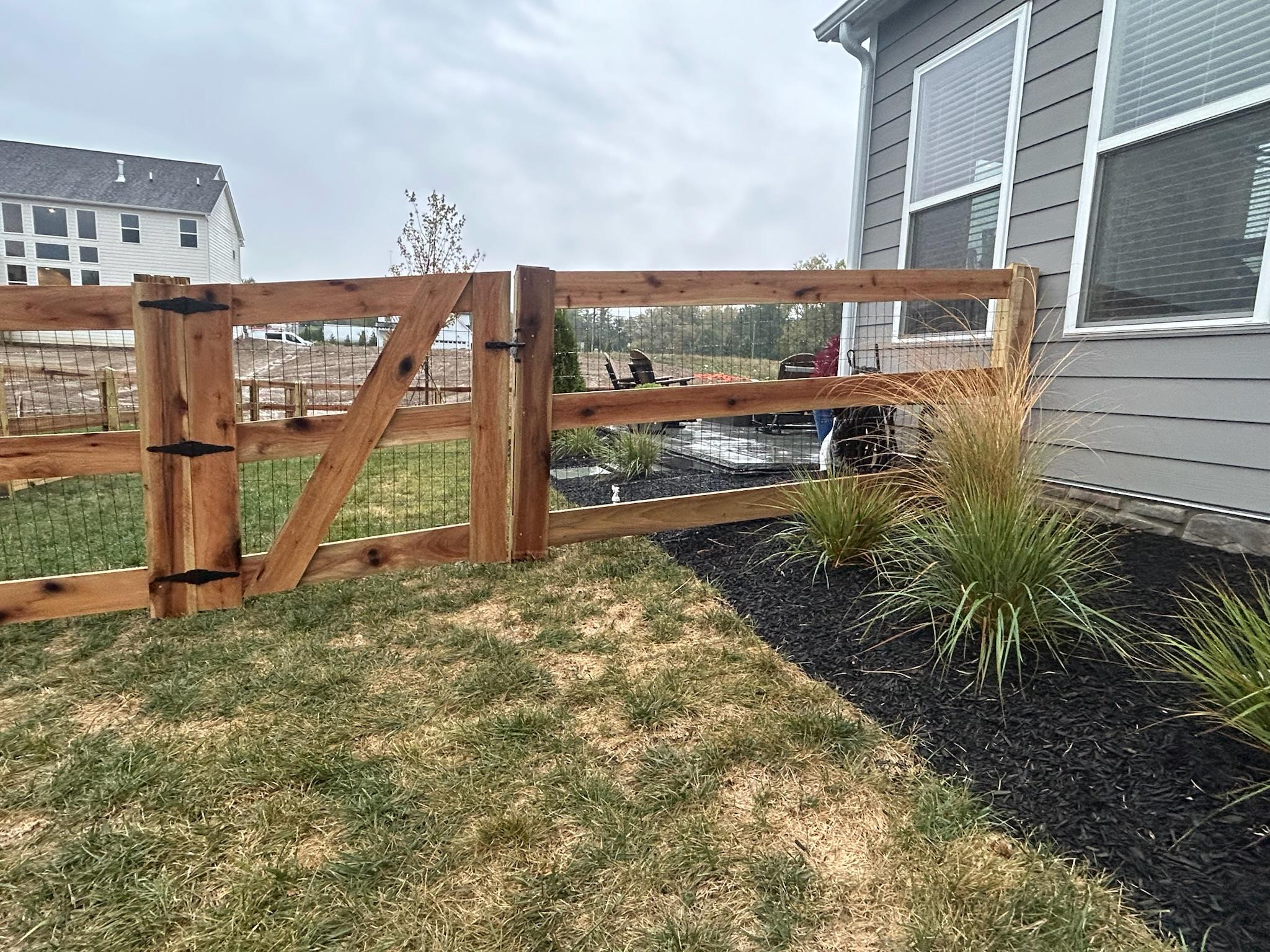
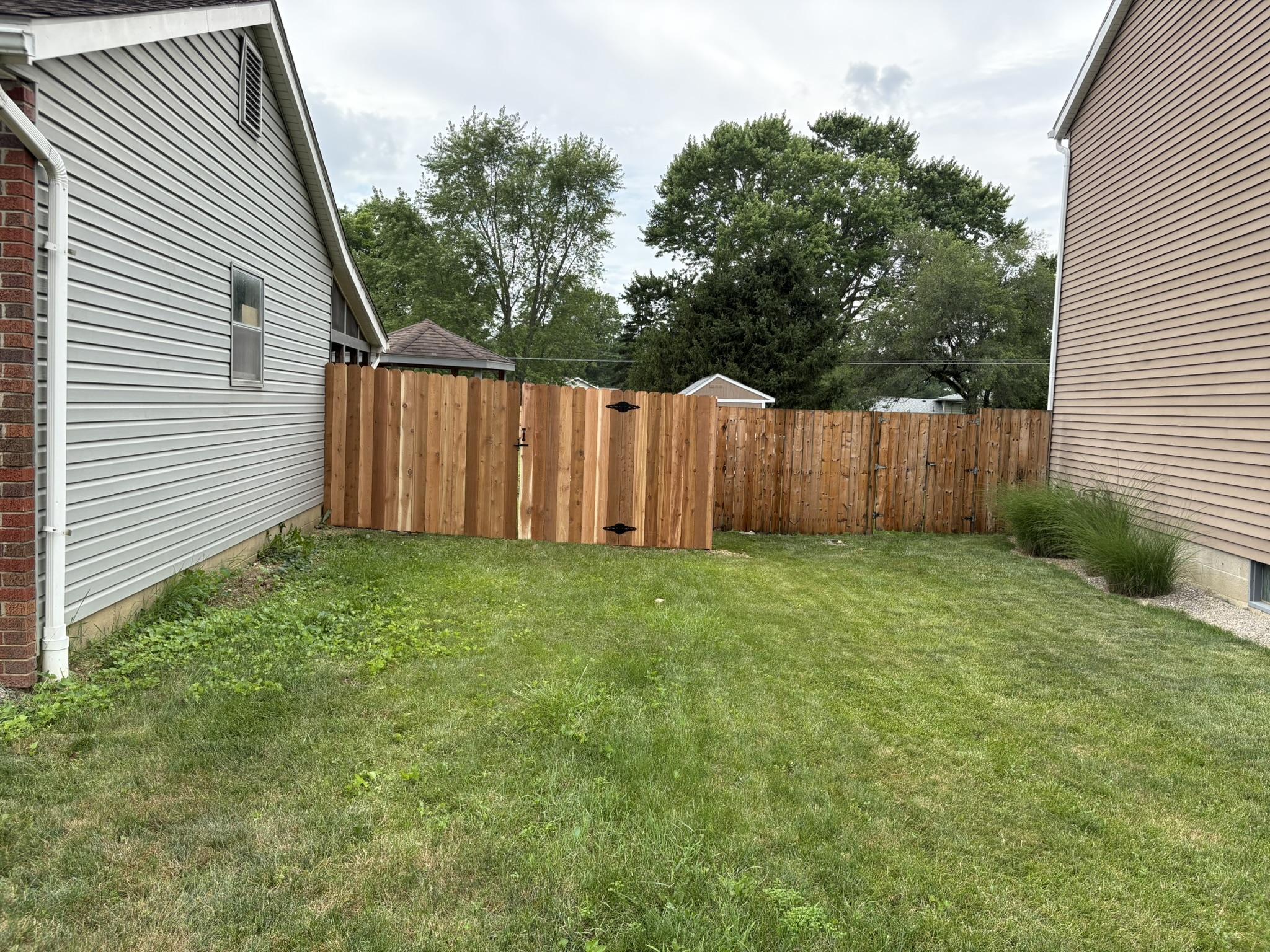
Planning a fence in Columbus doesn’t have to come with surprises that derail your project or add hidden costs. Many property owners jump in without a clear roadmap and end up facing delays, permit issues, or unexpected expenses. This guide lays out 12 smart steps for Columbus fence planning that help you avoid common pitfalls and make confident choices. Ready to get started on a smooth, stress-free fencing project? Check out our guide on preparing your property for a smooth fence installation.
Start with a Property Survey
When planning your fence, the first step is to start with a property survey. Getting accurate measurements and understanding your boundaries can prevent disputes and ensure compliance with local regulations.
Importance of Accurate Measurements
Accurate measurements are crucial. They ensure your fence fits perfectly and avoids encroaching on neighboring properties. Begin by measuring the area where you plan to install the fence. Use a tape measure for precision. Write down the dimensions, noting any uneven terrain or features like trees and rocks. This information helps in selecting the right fence materials and anticipating installation challenges.
A surveyor can also help verify boundaries if you’re uncertain. This step might seem like an extra expense, but it can save you from costly mistakes. Knowing the exact size of your project area means fewer surprises when it comes to material costs. Plus, having a professional survey can be useful if any disputes arise with neighbors.
Identifying Property Boundaries
Understanding your property boundaries is key to a smooth installation. Start by reviewing your property deed or the plat map. These documents outline the official boundaries of your land. It’s important to physically mark these boundaries. You can use stakes and string to outline where the fence will go. This visual guide helps you and the fence contractor understand the layout and avoid encroaching on adjacent properties.
If you’re still unsure, consider calling in professionals to confirm your boundaries. This can prevent potential legal disputes or issues with local authorities. Remember, a clear understanding of your property lines ensures that every inch of your fence is exactly where it should be.
Understand Local Regulations
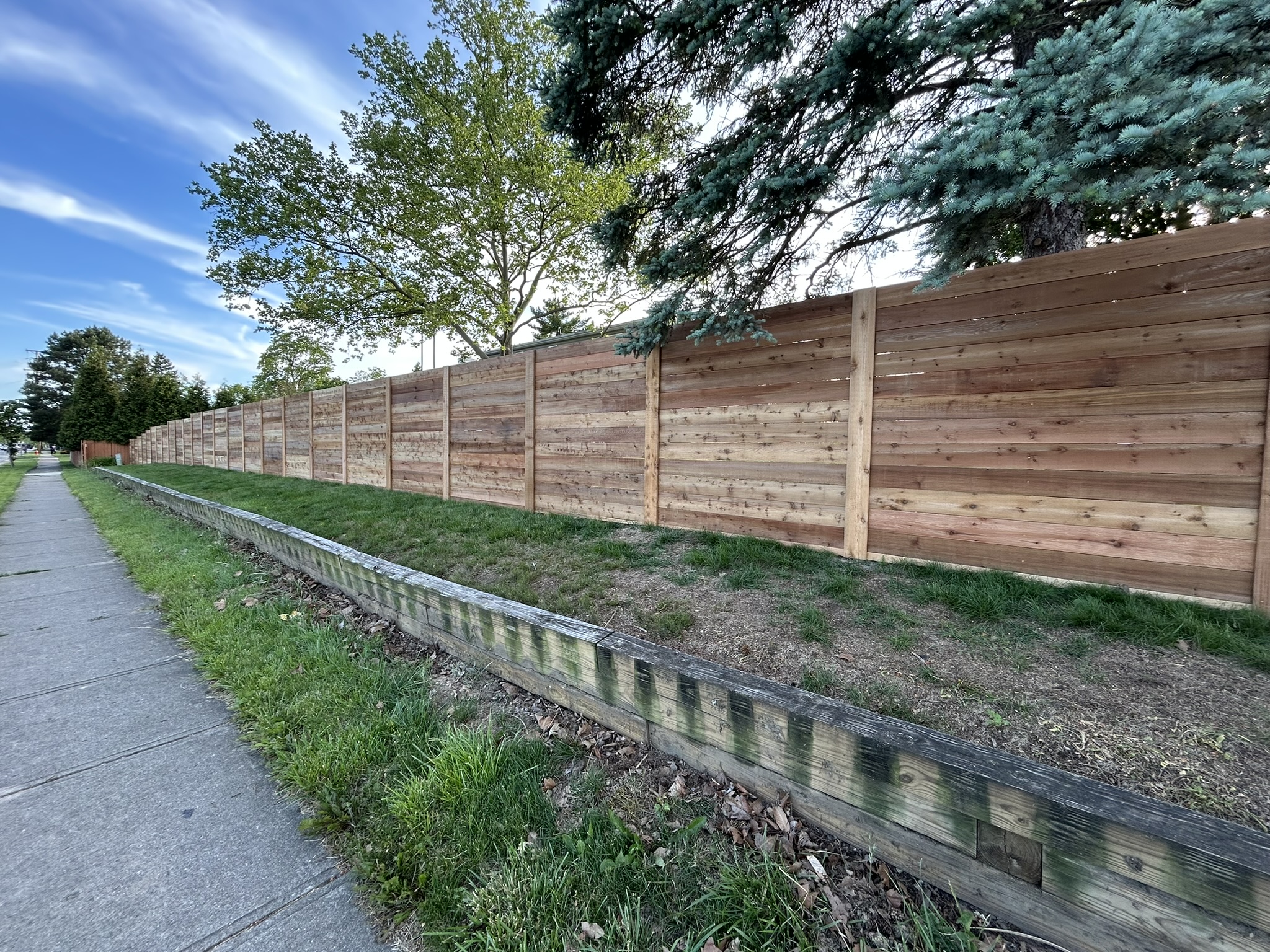
Once you’ve established your property’s boundaries, it’s time to delve into the local regulations. These rules dictate what you can build and where, ensuring your project is compliant with local laws.
Franklin County Fence Permits
In Franklin County, securing a fence permit is essential. This step ensures your fence meets all safety and zoning requirements. Begin by contacting the local building department. They can provide guidelines on height restrictions, setback requirements, and materials permitted. Having this information upfront prevents future headaches and potential fines.
The permit process may involve submitting plans and paying a small fee. However, this step guarantees your project aligns with community standards and regulations. By following the proper channels, you safeguard your investment and ensure a smooth installation process.
Navigating HOA Fence Rules in Columbus
If you live in a community with a Homeowners Association (HOA), additional rules may apply. HOAs often have specific guidelines regarding fence styles, colors, and materials. It’s crucial to review these rules before making any decisions. Reach out to your HOA board or management for a copy of the regulations.
Understanding these guidelines upfront saves time and prevents potential conflicts with your neighbors. When in doubt, consult with your HOA for clarification. Following these rules not only keeps the peace but also maintains the aesthetic harmony of your community.
Choose the Right Fence Material
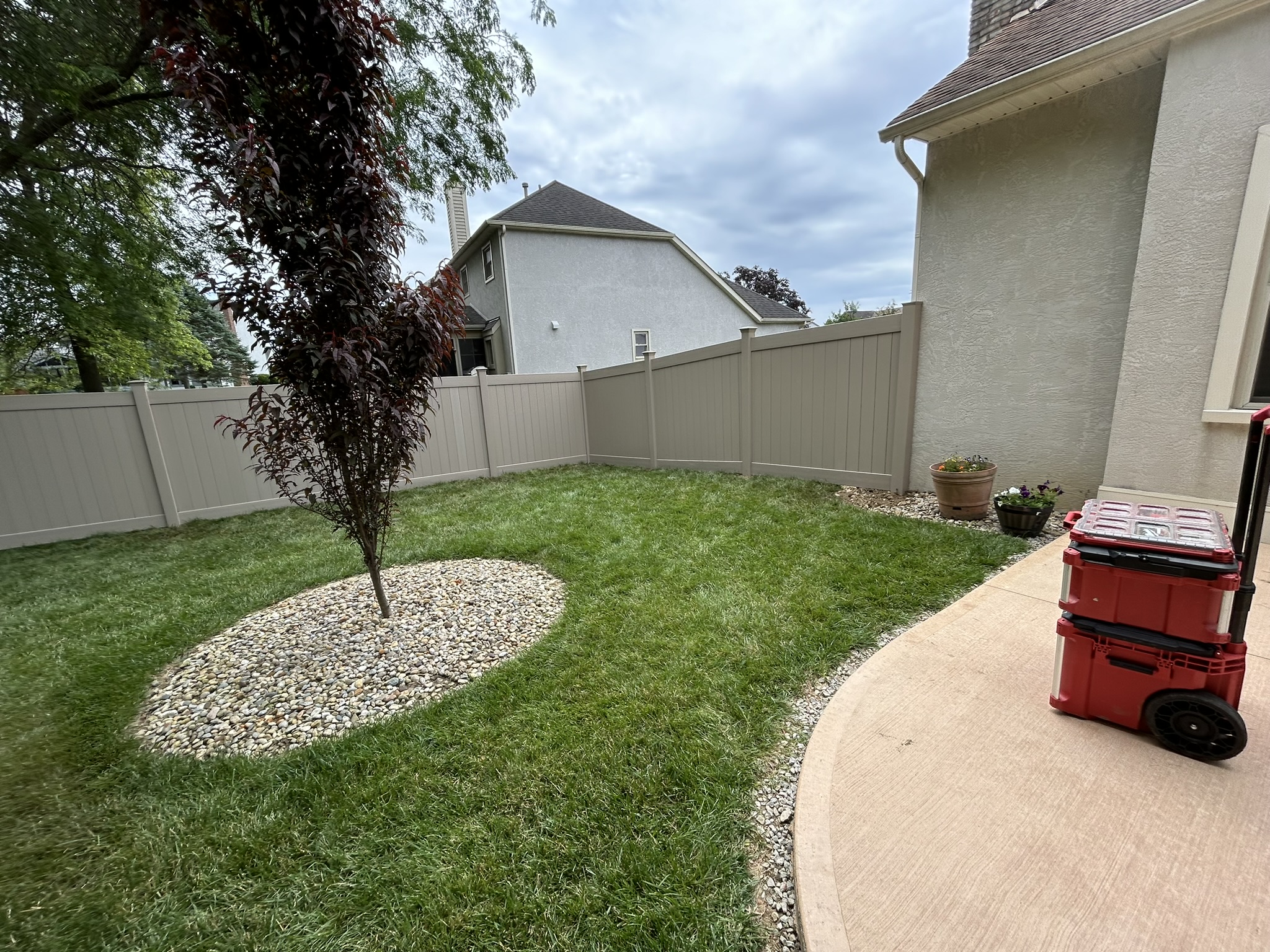
With your measurements and regulations in check, the next step is choosing the right fence material. The material you choose affects durability, maintenance, and overall appearance.
Comparing Wood and Vinyl Fences
Wood and vinyl are popular choices among homeowners in Columbus. Wood offers a classic look and can be customized easily with paint or stain. It’s a versatile option that blends well with various home styles. However, wood requires regular maintenance to prevent rot and insect damage.
Vinyl, on the other hand, is low-maintenance and weather-resistant. It doesn’t require painting or staining, making it ideal for those seeking convenience. Vinyl fences are durable and come in various colors and styles to match your aesthetic preferences. While the initial cost may be higher than wood, the long-term savings on maintenance can make it a worthwhile investment.
Benefits of Aluminum and Chain Link Options
Aluminum and chain link fences offer distinct advantages. Aluminum is known for its elegance and resistance to rust, making it a great option for decorative purposes. It’s perfect for creating a stylish boundary without blocking views. Although more expensive upfront, aluminum’s durability means less maintenance over time.
Chain link fences, on the other hand, are cost-effective and provide excellent security. They are ideal for larger properties and commercial applications. While they may not offer much in terms of privacy, chain link fences are durable and practical for various uses. If security and affordability are your priorities, chain link could be the right choice for you.
By understanding these materials, you can choose a fence that meets your needs and enhances your property’s value. With the right planning and materials, your Columbus fence project will be a success.
Frequently Asked Questions
Do I need a permit to build a fence in Columbus, Ohio?
Yes, in Columbus, a fence permit is typically required. It ensures compliance with local building codes and safety standards. Contact your local building department for detailed requirements.
What materials are best for a low-maintenance fence?
Vinyl and aluminum fences are great low-maintenance options. They resist weathering and don’t need frequent painting or staining. Both materials offer durability and a variety of styles to choose from.
How can I avoid boundary disputes with my neighbors?
To avoid disputes, conduct a property survey to clearly identify your boundaries. Mark these boundaries before starting your project. Discussing your plans with neighbors beforehand can also prevent misunderstandings.
What should I consider when choosing a fence material?
Consider factors like maintenance, durability, style, and budget. Wood offers a classic look, but requires upkeep. Vinyl and aluminum are low-maintenance, while chain link provides security at a lower cost.
Can my HOA restrict my fence choices?
Yes, an HOA can impose rules on fence styles, colors, and materials. Review your HOA regulations before proceeding with your project to ensure compliance and avoid potential conflicts.