
Navigating Local Fence Regulations and Permitting in Columbus and Surrounding Counties
Local fencing laws can feel like a maze if you’re planning a fence installation in Columbus or nearby counties. Missing a step in the permit process might delay your project or lead to costly fines. That’s why knowing the ins and outs of fence regulations in this area will save you time and headaches. Keep reading to get clear guidance on how to navigate these rules smoothly and get your fence up without a hitch. For more detailed information, you can visit this guide for homeowners and businesses.
Understanding Local Fence Regulations

Navigating local fence laws starts with understanding the specific rules in your area. Columbus has its own set of regulations that you need to be aware of before installation begins.
Key Regulations in Columbus
In Columbus, fence regulations are clear but essential to follow closely. You must consider height restrictions, which typically limit fences to six feet in the backyard and four feet in the front yard. It’s also key to note setback requirements, ensuring your fence isn’t too close to the street or neighboring properties. Ignoring these rules can lead to fines or forced removal.
Homeowners must also remember that certain materials might not be allowed in specific neighborhoods. Always verify with the city’s building department or your homeowner’s association. For a complete guide on what to expect, check out Columbus regulations.
Variations Across Surrounding Counties
While Columbus has its own rules, surrounding counties like Franklin or Delaware might have different requirements. These can include varying height limits, material restrictions, or even additional permits. For example, some areas might allow taller fences for privacy if your property backs onto a busy road.
It’s wise to check with your county’s building department to avoid surprises. Each county provides resources to help homeowners understand local laws. If you’re unsure where to start, The Columbus Team offers a helpful FAQ on fence building in Central Ohio that can guide you through the initial steps.
Common Compliance Issues
Many fence installations encounter issues due to overlooked regulations. A common mistake is neglecting to check property lines, leading to disputes with neighbors. Also, failure to obtain the necessary permits can halt your project.
Another pitfall is not considering visibility at intersections, which can create safety hazards. To prevent these problems, always double-check your plans with city officials. For more insights on potential issues, Licensed Path provides a comprehensive overview.
Navigating the Permitting Process

Once you’re familiar with local regulations, the next step is navigating the permitting process. Proper permits are crucial to avoid delays and fines.
Essential Steps for Permit Approval
Getting a fence permit in Columbus involves a few straightforward steps. First, submit a detailed site plan to the city’s building department, showing your proposed fence location and dimensions. This helps ensure compliance with local zoning laws.
Next, pay any required fees and wait for approval. This process can take a few weeks, so plan accordingly. Once approved, you’ll receive a permit, allowing you to proceed with installation. For a more detailed look at each step, refer to this installation guide.
Avoiding Common Permit Pitfalls
Many people face challenges due to incomplete applications or missing documents. Double-check that you’ve included all necessary information to prevent rejections. Additionally, failing to communicate with your homeowner’s association can lead to conflicts, as they may have additional guidelines.
Another common issue is starting work without a permit, thinking it’ll speed up the process. This often results in fines and project delays. To stay ahead, contact your local building office early and ask for a checklist of requirements. For more information on avoiding pitfalls, check out Licensed Path’s detailed guide.
Ensuring a Smooth Fence Installation

With permits in hand and regulations clear, you’re ready to install your fence. Here’s how to ensure everything goes smoothly.
Tips for Hassle-Free Installation
A successful fence installation starts with careful planning. Choose a reputable contractor like Murphy Fence LLC to ensure quality work. They can guide you through the process, from material selection to final inspection.
Make sure to clearly define your property lines to avoid disputes. It’s also wise to discuss plans with your neighbors to maintain good relations. Regular communication with your contractor will help catch any issues early, ensuring a smooth process.
Choosing the Right Fence for Compliance
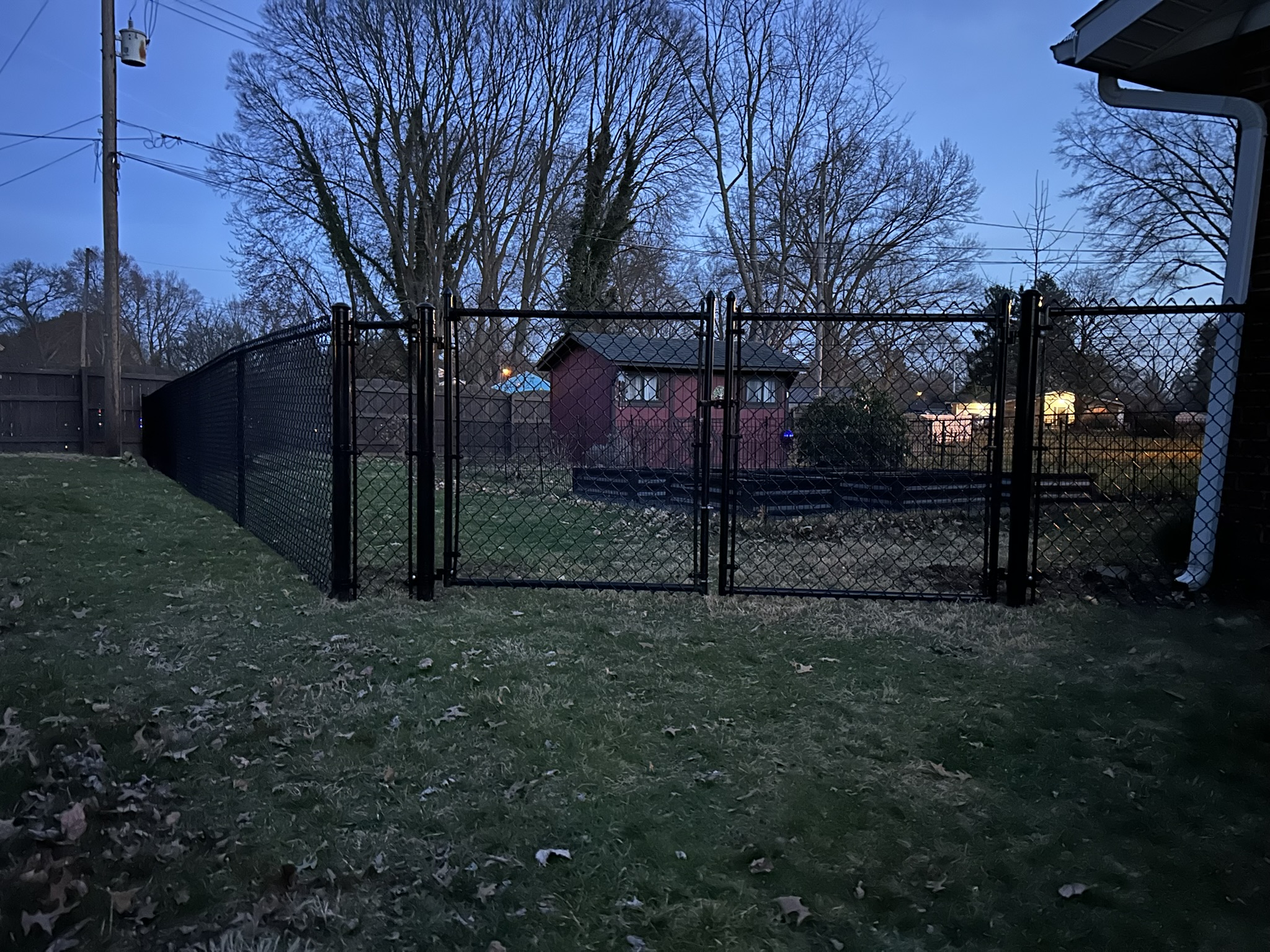
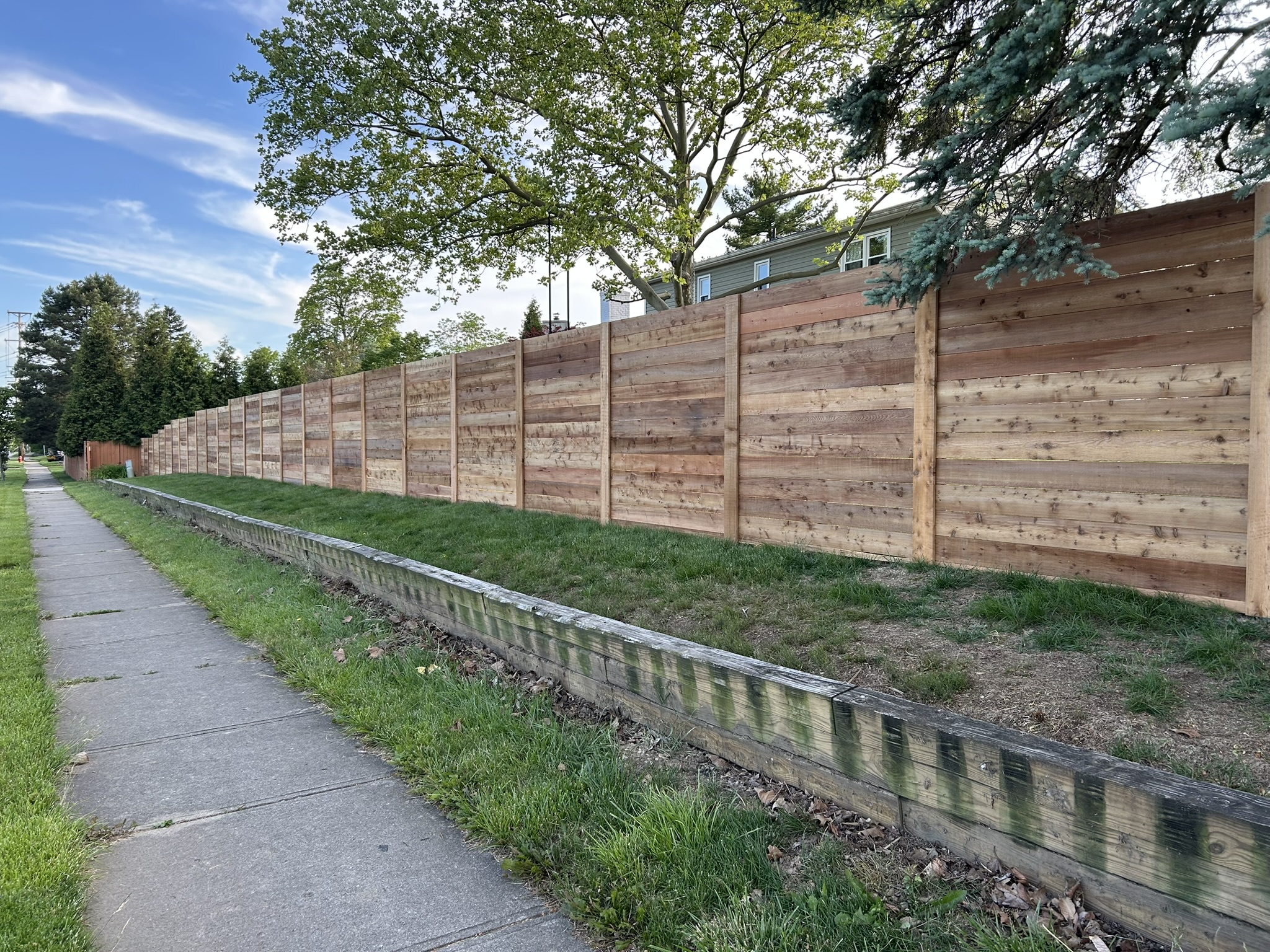
Selecting the right fence involves balancing aesthetics with compliance. Consider materials that fit both your style and local regulations. For example, vinyl or wood may be suitable for most areas, but always check specific neighborhood guidelines.
Murphy Fence LLC offers a variety of options, from wood to aluminum, ensuring you find the perfect balance between design and compliance. Their expertise can help you navigate any tricky regulations, providing peace of mind throughout the installation process.
In summary, understanding local regulations and navigating the permitting process are crucial steps in fence installation around Columbus. By following these guidelines, you can avoid common pitfalls and enjoy a smooth, successful project.