Navigating Columbus Fence Codes and Permits: Avoid Common Pitfalls with a Local Expert
Navigating Columbus fence permits can feel like a maze if you’re not sure where to start. Missing a step could mean costly delays or fines, turning your project into a headache. With local codes on fence height, setbacks, and materials varying across Franklin, Delaware, Licking, and Fairfield counties, getting it right from the start saves you time and stress. Let’s walk through what you need to know to keep your fence project smooth and compliant. Check out this helpful guide for more details.
Understanding Columbus Fence Codes
Before diving into the permit process, it’s important to understand the local fencing codes. This knowledge is your first step to a compliant fence project.
Key Regulations for Homeowners
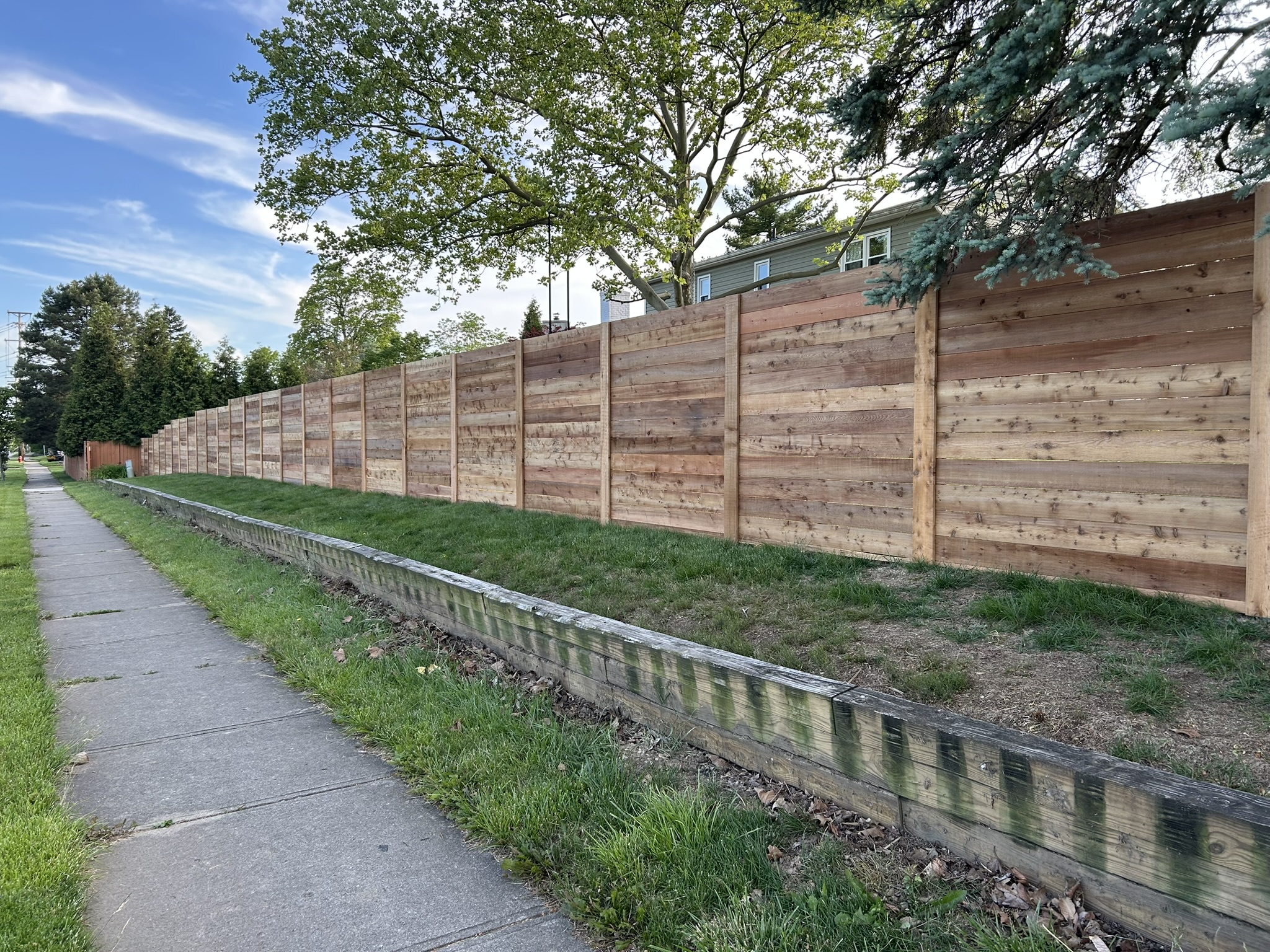
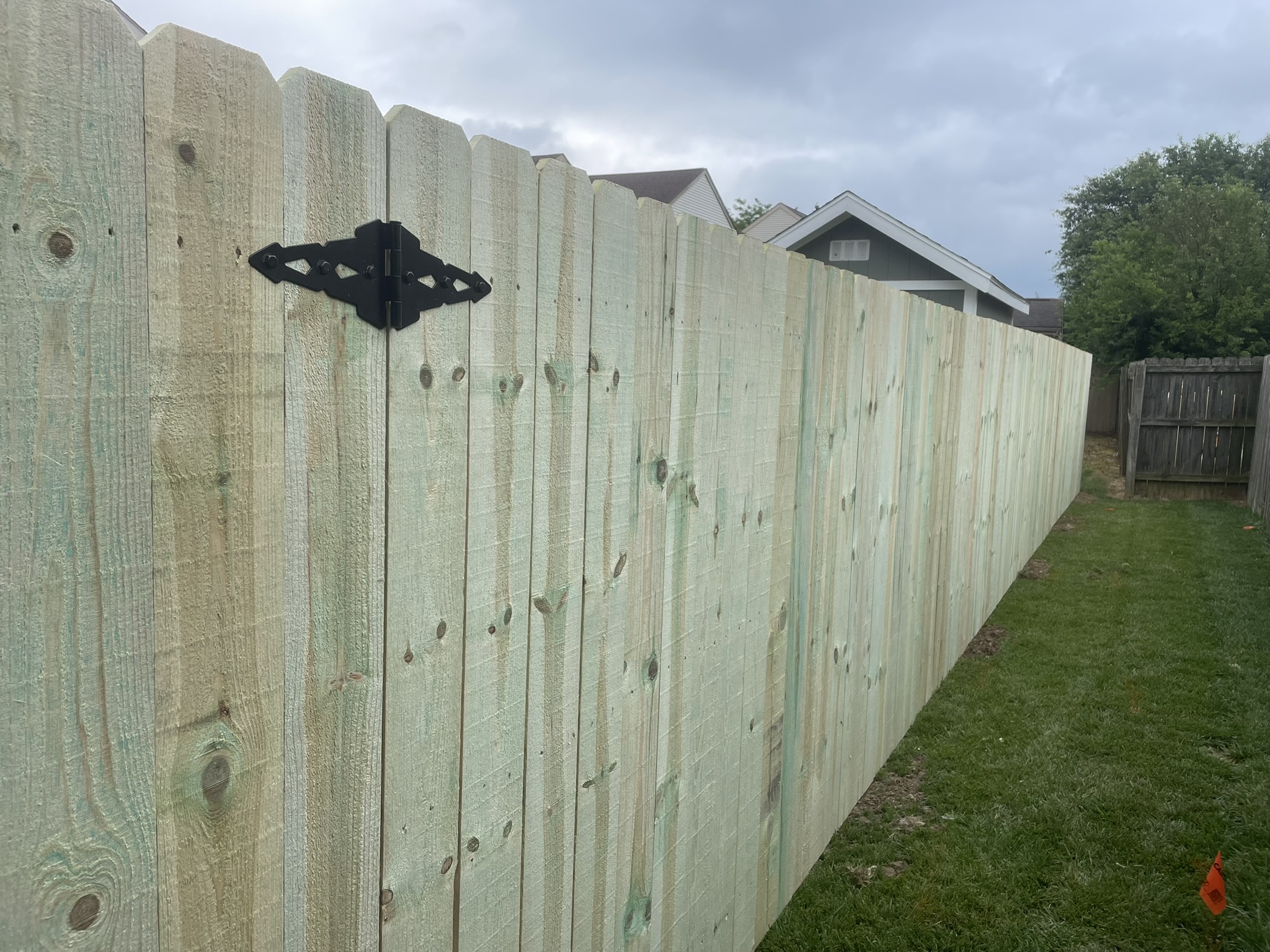
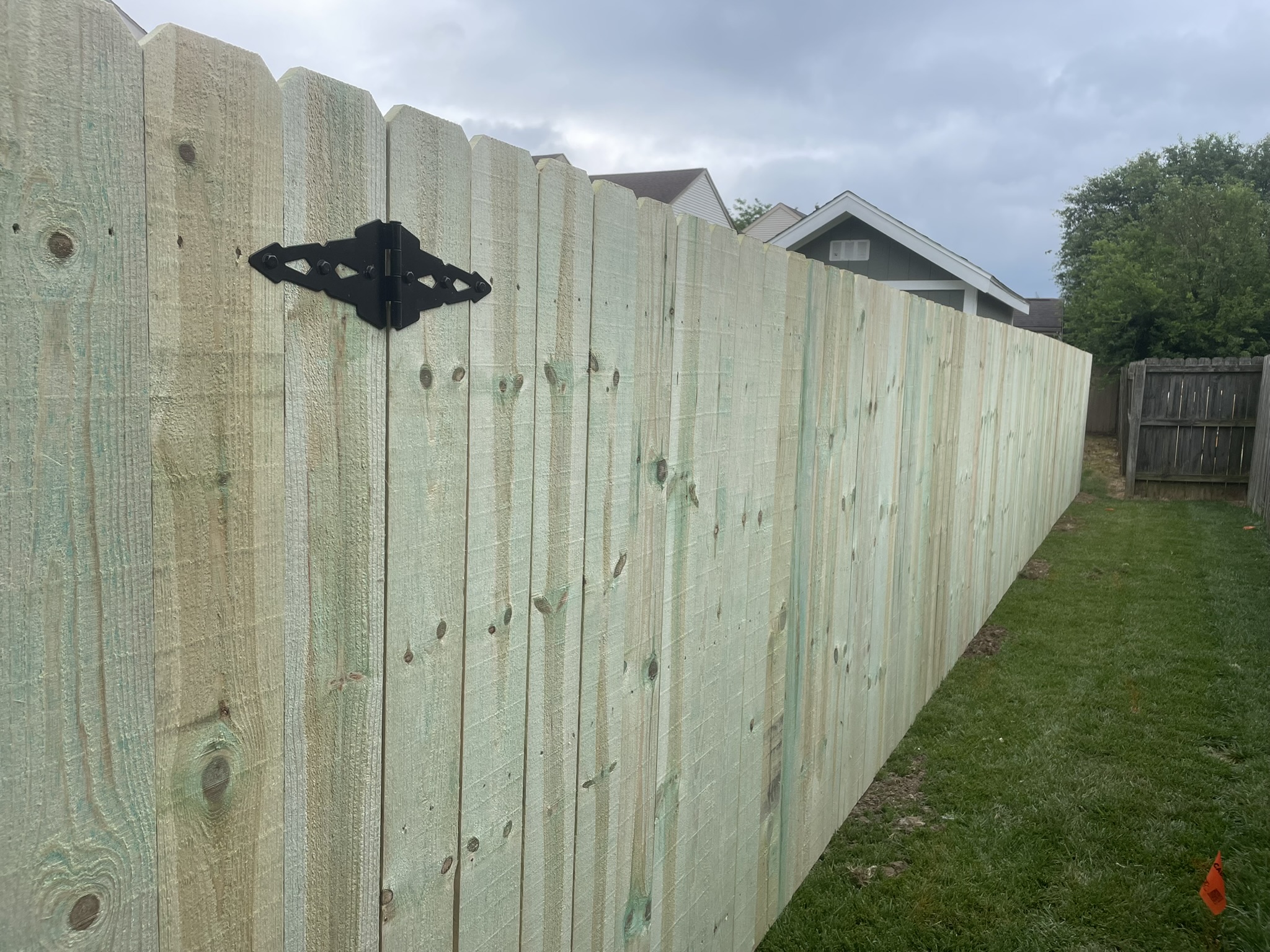
For homeowners, building a fence means navigating several rules. First, fence height is crucial: most areas allow up to six feet for backyard fences but check specific neighborhood rules. Also, be mindful of setbacks, which dictate how far your fence needs to be from property lines. If you’re near a street, you might need a shorter fence. Another consideration is material; some communities prefer wood or vinyl over chain links. Before starting your project, make sure your fence aligns with local codes to avoid any compliance issues.
Commercial Fencing Guidelines
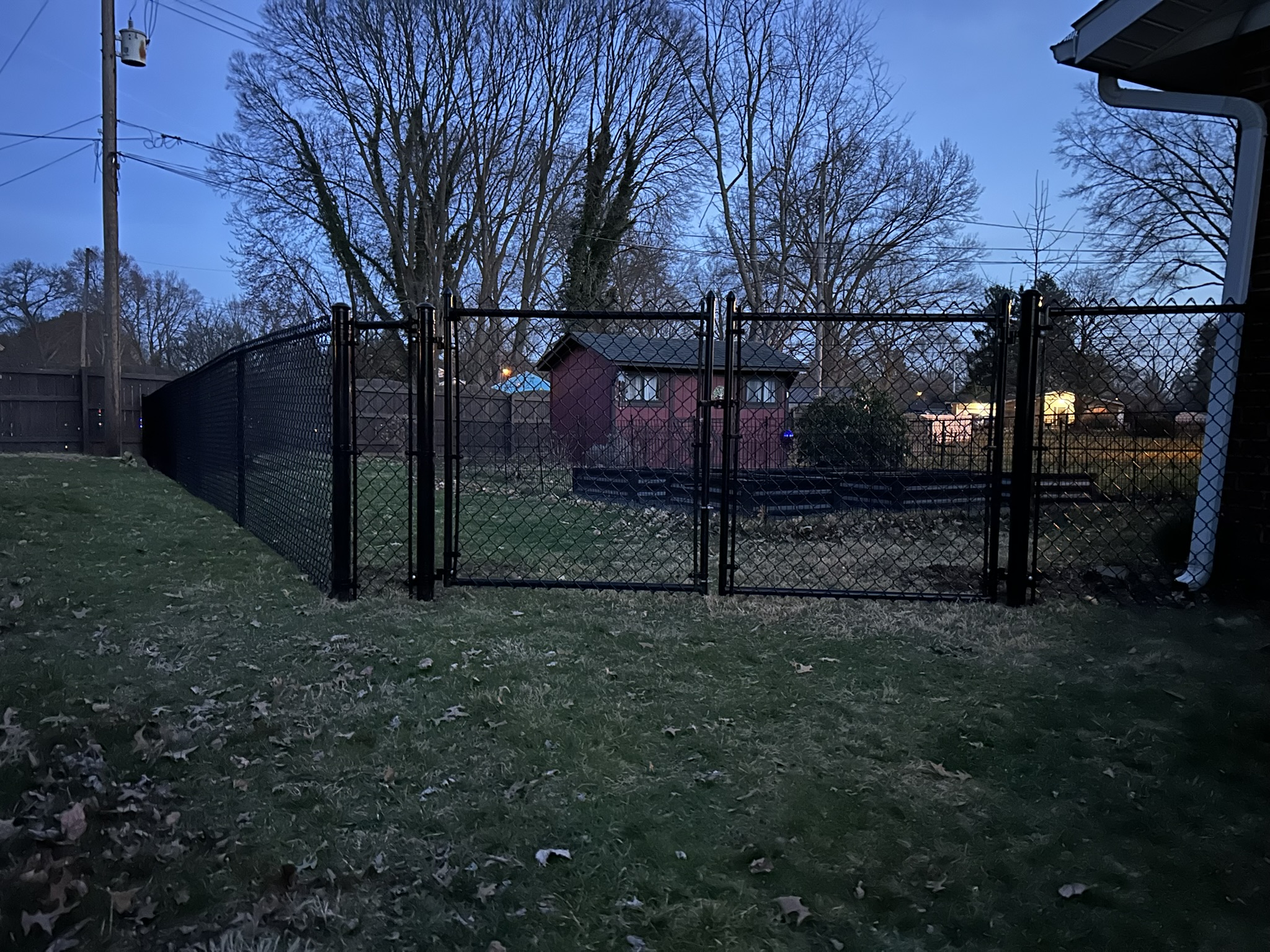
Commercial properties have different needs. For instance, a chain-link fence might be perfect for security, but it must meet height and location regulations. Business owners should ensure their fence doesn’t block visibility at intersections, which could lead to safety concerns. Additionally, some commercial areas require specific designs to maintain aesthetic appeal. Planning your commercial fence involves understanding these unique demands to prevent costly adjustments later. Considerations like these ensure your fence not only secures your business but also enhances its professional image.
Historic District Fence Considerations
If your property is in a historic district, you face additional challenges. Here, preserving the area’s character is key. You might need approval from a local board before proceeding. Materials and designs often have restrictions to maintain historical integrity. For instance, a modern chain-link fence might not be permitted if it disrupts the district’s look. Engaging with local boards early can smooth this process. Homeowners in these areas often find that aligning with historical guidelines enhances their property’s charm and value.
Getting Your Fence Permit in Columbus
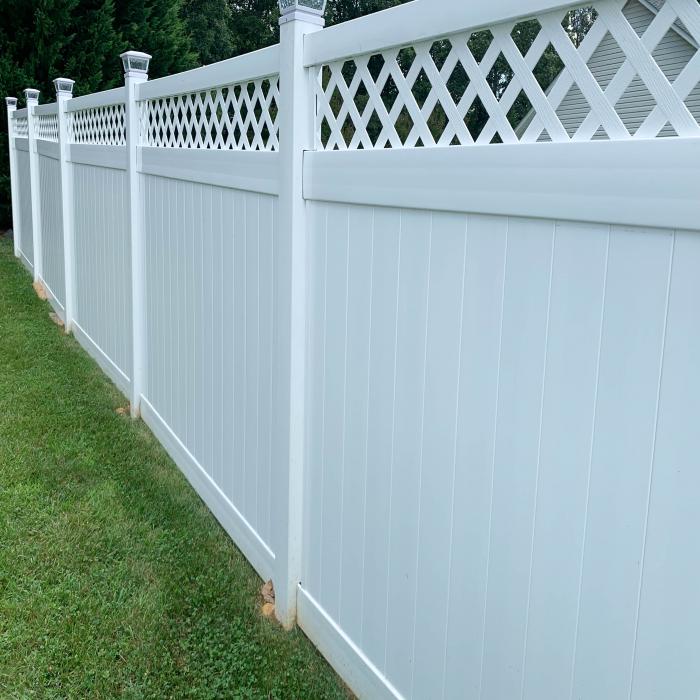
With a good grasp of the codes, the next step is securing the right permit. Here’s how to ensure your permit application goes smoothly.
Residential Permit Process
Getting a residential fence permit in Columbus involves a few key steps. Start by checking with your local zoning office to understand specific requirements. You’ll typically need to submit a site plan showing your property’s layout and proposed fence location. Pay attention to details like fence height and material to avoid rejections. Once submitted, permits can take a few weeks to process, so plan accordingly. Remember, proper paperwork up front saves time and stress later.
Commercial Permit Requirements
For businesses, the process can be more complex. Commercial fencing requires detailed site plans that include not just the fence, but also the surrounding area to ensure compliance with local zoning laws. Permits also need considerations for pedestrian pathways and emergency access. It’s critical to factor in these elements early. By preparing comprehensive plans and engaging with local authorities, you can streamline the process and focus on securing your property.
Navigating County-Specific Rules
Each county around Columbus has its nuances. Franklin County might have different setback rules compared to Delaware or Licking. For instance, while Franklin may allow a specific fence height, Licking might require a variance. The same goes for materials: what works in Fairfield may not suit Delaware. Understanding these differences prevents delays. Engaging a local expert familiar with these variances can be invaluable, saving you both time and potential fines.
Avoiding Common Fencing Mistakes
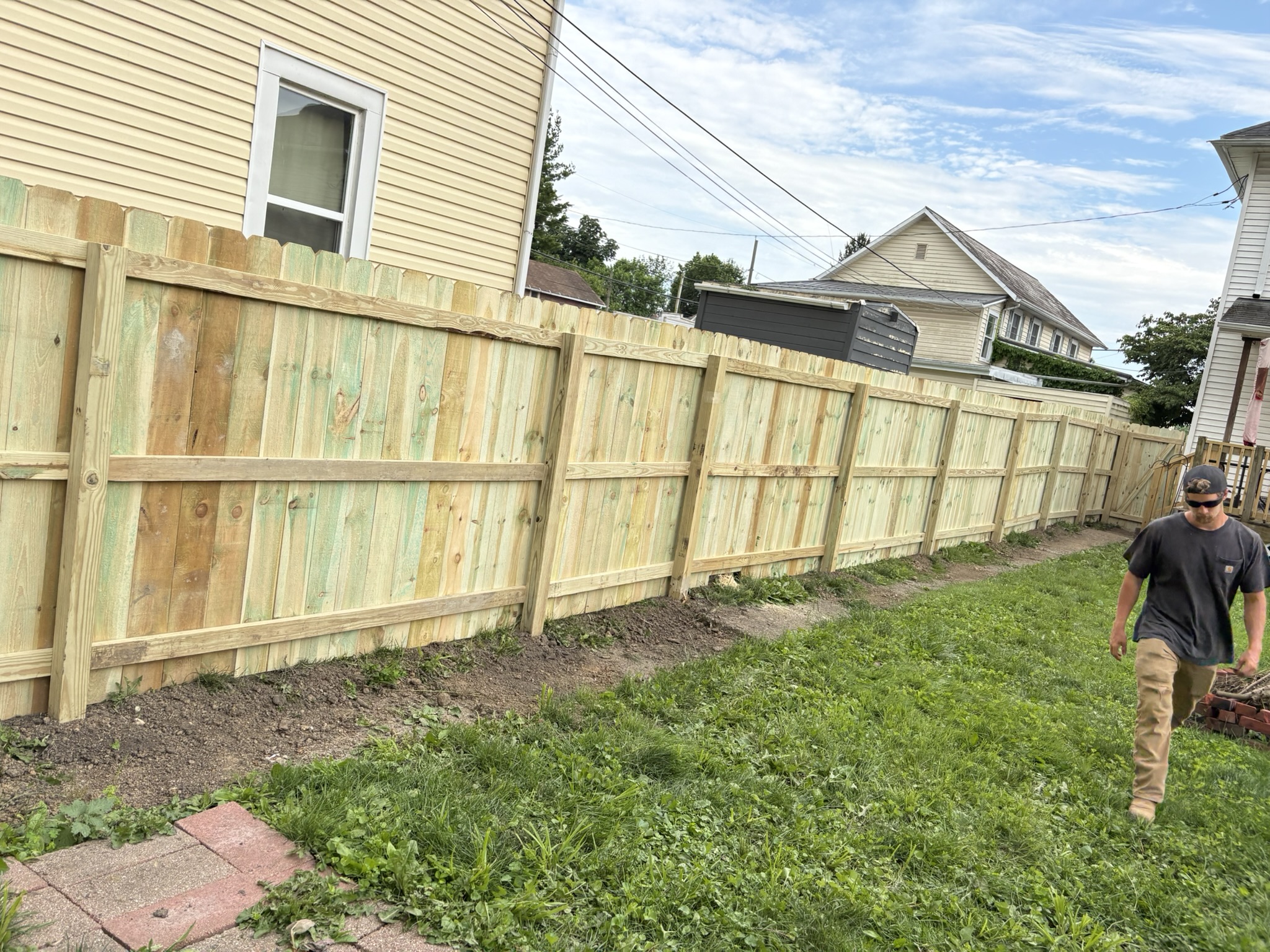
Avoiding common pitfalls not only protects your investment but also ensures a hassle-free installation.
Ensuring Code Compliance
Compliance is non-negotiable. Most people assume their contractor handles it, but double-checking ensures no surprises later. Study local codes to understand what’s expected. This knowledge empowers you to ask the right questions and verify that your installation aligns with regulations. Ignorance isn’t bliss here—it’s potentially costly. Educate yourself to safeguard your project from avoidable errors.
Preventing Installation Delays
Delays can be frustrating. The longer you wait, the more disruptions you’ll experience. One way to prevent this is by having all your documentation ready before your contractor starts. Also, make sure your chosen materials are readily available. Delays often result from overlooked details, like not having the right permits. By staying organized and proactive, you sidestep these common issues, ensuring your project stays on track.
Selecting the Right Materials
Choosing the right materials is crucial. A privacy fence Columbus Ohio residents trust might differ from what a business needs. Wood is popular for its classic look, but vinyl offers low maintenance. Chain link is great for security, while aluminum adds elegance. Your choice depends on your property’s function and aesthetic. Ensure your selection meets local guidelines to avoid replacing materials later. Picking the right materials enhances both functionality and compliance.
In conclusion, navigating Columbus fence permits requires a blend of understanding local codes and preparing the right documentation. By avoiding common mistakes and engaging with a trusted partner like Murphy Fence LLC, you ensure a smooth and compliant process. Remember, the key to a successful fencing project is planning and expertise.
www.murphyfencellc.com