
Quick Summary
Quality fence craftsmanship helps a fence stay aligned, operate correctly and handle years of weather and daily use. In Columbus and Central Ohio, accurate layout, secure post placement, gate fitting, appropriate hardware and material selection all influence performance. Murphy Fence LLC combines more than 20 years of experience with wood, vinyl, aluminum, chain link, custom and commercial fencing. Professional installation can reduce avoidable problems such as leaning sections, sticking gates and premature wear.
A fence can look straight and finished on installation day and still develop problems much sooner than expected. The difference is often in the details that are harder to see at first: how the layout was measured, how the posts were set, how panels were aligned and how gates and hardware were fitted. For property owners seeking expert fence installation in Columbus, Ohio, craftsmanship is what turns good materials into a dependable finished system.
Murphy Fence LLC’s current guidance consistently connects fence longevity with precise installation, appropriate materials and project-specific planning. Central Ohio properties also face changing seasons, wind, moisture and freeze-thaw conditions, so a durable fence should be planned for the site rather than assembled as a one-size-fits-all product.
What Quality Craftsmanship Changes in a Fence Installation
Quality craftsmanship is not a decorative extra. It affects whether the fence remains aligned, whether gates operate correctly and whether the structure can handle routine use without avoidable stress. An experienced installer looks at the entire fence as a connected system, not as a collection of posts and panels.
Accurate Layout, Post Placement and Alignment
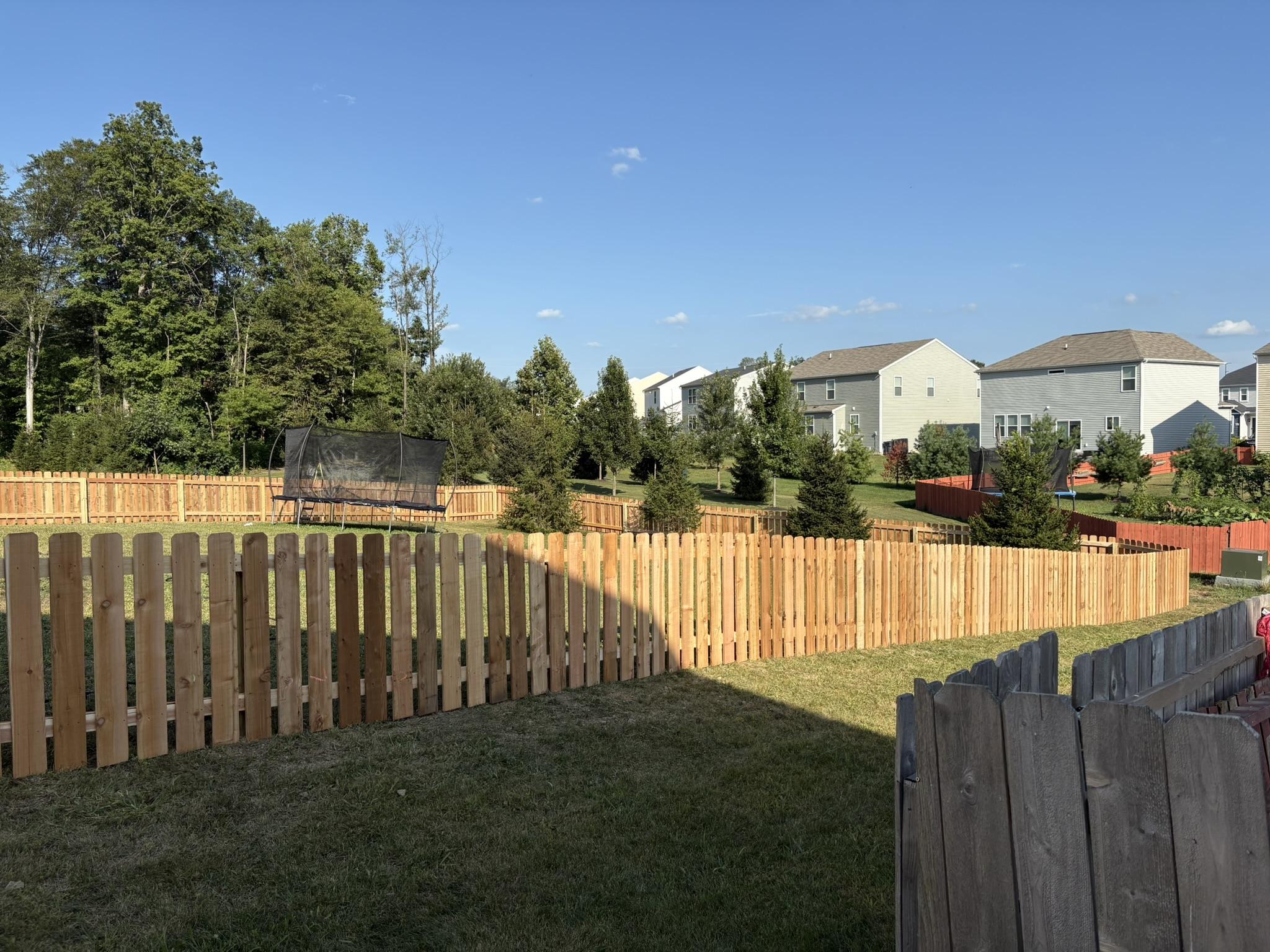
A lasting fence begins before the first post is set. The installer needs accurate measurements, a clear layout and an understanding of grade changes, corners and gate locations. Post spacing and depth should be appropriate for the fence design, material and site conditions. When the foundation is consistent, the rest of the fence has a better chance of staying straight and stable.
Alignment matters for appearance and performance. Small errors at one end of a run can become more noticeable across a long fence line. Careful setup helps keep rails, panels and pickets visually consistent while limiting stress that can contribute to leaning, sagging or uneven transitions.
Gate Fit, Hardware and Connection Details
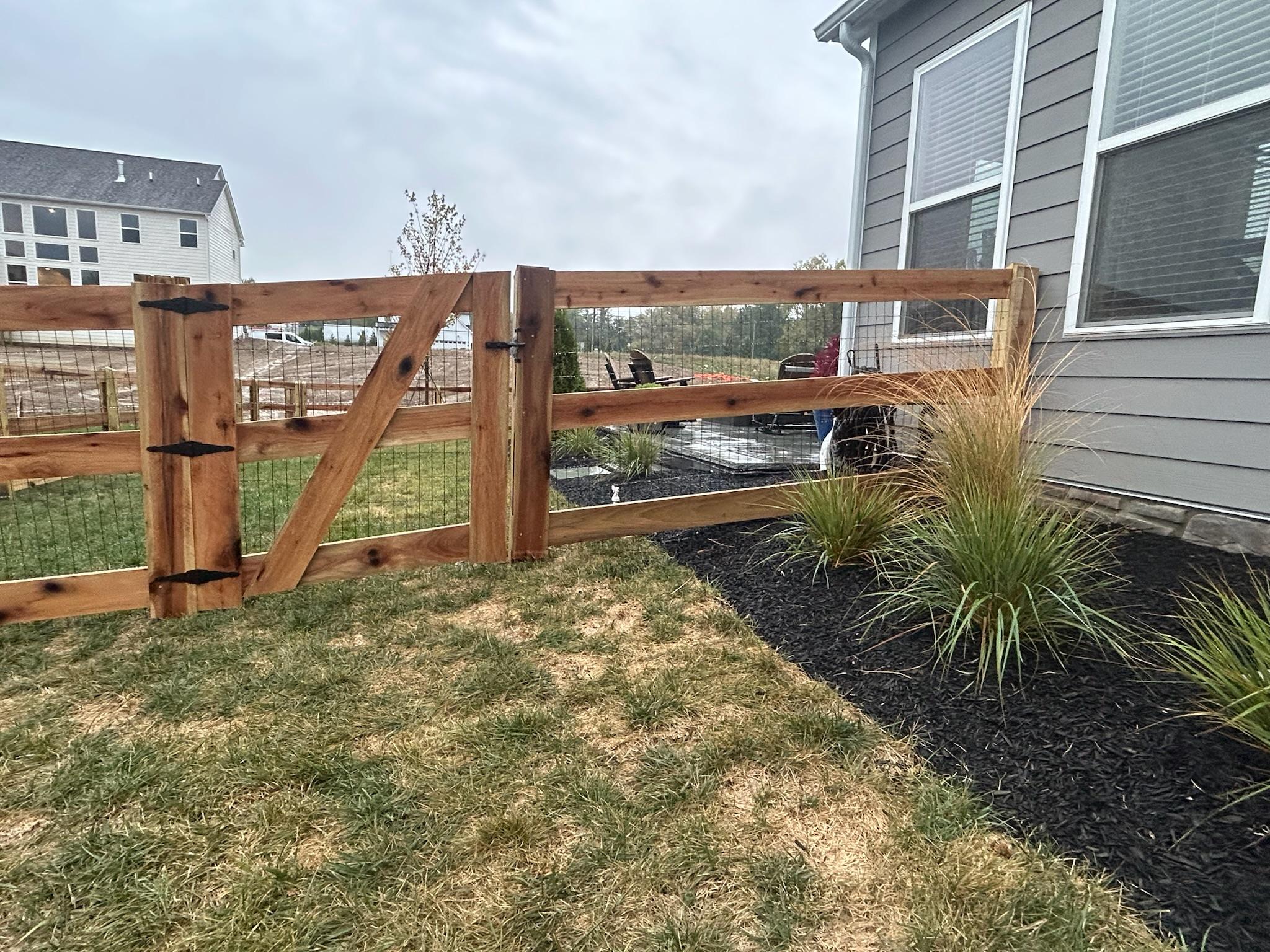
Gates are one of the most heavily used parts of a fence. Their posts, hinges, latches and clearances need to work together so the gate opens smoothly and closes securely. A gate that is poorly supported or out of square can begin dragging, sticking or pulling on nearby sections.
Hardware selection also matters. Fasteners, hinges and other components should be suited to the fence material and expected exposure. Corrosion-resistant hardware and appropriate protective finishes can help reduce premature deterioration, particularly where moisture and seasonal weather are recurring concerns.
Material Selection for Central Ohio Conditions
Craftsmanship starts with selecting a material that fits the property’s goals. Privacy, visibility, maintenance expectations, security, architecture and budget can all change the right answer. A skilled contractor should explain the tradeoffs instead of treating every fence material as interchangeable.
How Craftsmanship Supports Fence Longevity and Lower Lifetime Costs
The source articles repeatedly make the same practical point: shortcuts during installation can create repair problems later. Quality work does not make a fence maintenance-free, but it can reduce preventable issues caused by weak support, poor alignment or rushed connections.
Preventing Leaning, Sagging and Premature Wear
Posts provide the structural base for the fence, so movement at the foundation can affect the entire run. Properly planned post placement, stable setting methods and consistent alignment help the fence handle wind, soil movement and daily use. The exact method should match the material, property and local conditions rather than rely on a single depth or installation formula for every site.
Panels and rails also need enough support to remain true over time. Corners, transitions, slopes and gate openings deserve extra attention because they introduce different forces than a straight, uninterrupted fence line.
Reducing Avoidable Repairs
A low initial price can become less attractive if the fence requires repeated adjustments, gate repairs or early replacement. Professional craftsmanship focuses on getting the structure right from the beginning, which can reduce the number of problems caused by installation errors.
That is where long-term value comes from. Property owners are not simply paying for labor on installation day. They are paying for measurement, planning, material knowledge, proper sequencing and the judgment needed to identify site-specific problems before they become expensive fixes.
Maintenance Still Matters
Even a well-built fence needs appropriate care. Wood may need cleaning, staining or sealing over time. Metal components should be checked for damaged finishes or corrosion. Vinyl and aluminum generally require less routine upkeep, but they still benefit from periodic cleaning and inspection. Gates should be checked for alignment and hardware wear.
The advantage of good craftsmanship is that maintenance can focus on normal aging rather than compensating for avoidable construction problems.
Craftsmanship Across Wood, Vinyl, Aluminum and Chain Link
Different fence materials demand different installation details. Murphy Fence LLC offers several options for residential and commercial properties, and the best result comes from matching both the material and the workmanship to the way the fence will be used.
Wood Fencing
offers a natural appearance, strong privacy potential and substantial design flexibility. Because wood responds to moisture and seasonal conditions, careful spacing, secure connections and appropriate finishing practices can help it perform better over time. The layout should also account for grade changes and the way boards, rails and posts interact.
Vinyl Fencing
is often chosen for a clean appearance and relatively low routine maintenance. Installation precision is especially important because posts and panels need to align correctly for the system to look consistent and function as intended. Proper layout also helps gates and transitions remain visually balanced.
Aluminum Fencing
can provide an open, finished appearance with good corrosion resistance and lower maintenance demands than many painted metals. Accurate spacing and level or grade-following installation help preserve the clean lines that make aluminum attractive for homes, pools and commercial properties.
Chain Link Fencing
is practical for secure boundaries, pet containment, larger perimeters and many commercial applications. Tension, post spacing, terminal connections and gate setup all affect how the fence performs. A properly installed system should feel stable and consistent rather than loose or uneven.
Why Local Craftsmanship Matters in Columbus and Central Ohio
Local experience helps because the installer is familiar with the conditions that repeatedly affect area properties. Central Ohio weather can shift from wet periods to freezing conditions and summer heat. Lots may also include slopes, drainage concerns, tight side yards, mature landscaping or existing structures that influence the fence layout.
A local contractor can assess those conditions before recommending materials and installation details. That does not mean every Columbus property needs the same solution. It means the fence should be designed around the site, the owner’s goals and any applicable municipal or HOA requirements.
Craftsmanship for Residential and Commercial Fencing
Residential Projects
For a home, craftsmanship needs to support everyday use as well as curb appeal. Privacy fences should feel intentional from both sides of the property. Pet enclosures need dependable gates and secure lower edges. Pool or yard boundaries may have specific functional requirements. The final design should complement the home instead of looking added on as an afterthought.
When a standard layout does not suit the property, can help address slopes, irregular boundaries, unusual gate locations or a mix of privacy and open-view areas. The value of customization comes from solving the actual property challenge rather than forcing the site to fit a stock design.
Commercial Projects
For businesses, may need to balance perimeter security, vehicle access, employee or visitor movement and a professional public-facing appearance. Craftsmanship becomes especially important at gates, corners and high-use access points where repeated movement can expose weak installation details quickly.
A commercial fence should also support the way the site operates. Warehouses, offices, service businesses and larger properties may have different priorities, so a contractor should understand traffic patterns and access needs before recommending the final layout.
What to Look for in a Fence Contractor
A quality fence project is easier to evaluate when the contractor explains the work clearly. Before choosing an installer, look for evidence that the company considers the property, not just the fence style.
Useful indicators include a site-specific consultation, clear material recommendations, attention to gate placement and hardware, discussion of slopes or obstacles, realistic maintenance guidance and communication about local requirements. A professional contractor should be able to explain why a particular material or installation approach fits the project.
Why Murphy Fence LLC
Murphy Fence LLC brings more than 20 years of fencing experience to residential and commercial projects in Columbus and surrounding Central Ohio communities. The company offers wood, vinyl, aluminum, chain link, farm, custom and commercial fencing, with an emphasis on craftsmanship, customer service and project-specific solutions.
That experience is most valuable when it is applied to the details that determine how a fence performs after installation: measurement, post placement, alignment, transitions, gates, hardware and material selection. Those details are what separate a fence that merely looks complete from one that is built for long-term use.
Build for Long-Term Performance, Not Just Installation Day
A durable fence begins with the right material, but materials alone cannot compensate for poor installation. Skilled craftsmanship helps the fence work as a complete system, with every post, panel, connection and gate contributing to stability, appearance and usability.
If you are planning a fence in Columbus or Central Ohio, Murphy Fence LLC can help evaluate the property, compare material options and develop an installation plan that supports your privacy, security and curb appeal goals while keeping long-term performance in focus.
Frequently Asked Questions
What does quality fence craftsmanship mean?
Quality craftsmanship means the fence is planned and installed with attention to layout, post placement, alignment, gate operation, hardware, material compatibility and site conditions. The goal is a fence that performs consistently instead of relying on appearance alone.
How does professional installation help a fence last longer?
Professional installation can reduce avoidable problems such as leaning posts, misaligned panels, weak transitions and gates that sag or bind. Experienced installers also select installation methods that fit the material and property conditions.
Which fence material lasts the longest in Ohio?
There is no single best material for every property. Aluminum and vinyl are often valued for low maintenance, while properly maintained wood offers privacy and design flexibility and chain link provides durable, practical security. The right choice depends on the site, function, budget and maintenance expectations.
Can good craftsmanship reduce fence maintenance?
It can reduce maintenance caused by installation problems, but every fence still needs appropriate care. Maintenance varies by material and may include cleaning, checking hardware, protecting wood finishes or addressing damaged coatings before small issues become larger ones.
Why choose a local Columbus fence contractor?
A local contractor is familiar with Central Ohio weather, common property conditions and the need to account for municipal or HOA requirements. That local context can help with material recommendations, layout decisions and installation planning for the specific site.