How to Navigate Columbus Fencing Regulations and Permits with Confidence
Fencing projects in Columbus come with their share of rules and paperwork. Without clear guidance, you might waste time or face costly setbacks. By understanding Columbus fence permits and regulations upfront, you can avoid surprises and get your fence installed smoothly. This guide walks you through local requirements and shows how Murphy Fence LLC makes the process hassle-free from start to finish. For more information, check out this helpful link.
Understanding Columbus Fencing Regulations
To start your fencing project on the right foot, it’s important to grasp the basics of local regulations. This knowledge ensures a smooth installation process without unexpected hiccups. Let’s dive into the key rules you need to know.
Key Columbus Fencing Rules
When it comes to fencing in Columbus, there are a few essential rules to keep in mind. These rules can vary based on property type and location, so understanding them is crucial. For residential properties, the primary concern is typically height restrictions and placement. Commercial properties, on the other hand, may face additional zoning requirements.
-
Height Restrictions: Residential fences generally cannot exceed six feet in height in backyards. For front yards, the limit is usually four feet. This ensures a balance between privacy and community aesthetics.
-
Placement Rules: Fences must not obstruct sidewalks or public rights-of-way. This is vital for maintaining safe and accessible streets for everyone.
For a detailed breakdown of these rules, you can refer to the Columbus Department of Building and Zoning Services.
Residential Fence Height Limits
When considering a new fence for your home, understanding height limits is key. These limits are in place to create a cohesive look across neighborhoods and prevent disputes between neighbors.
In Columbus, the standard limit for backyard fences is six feet. This height offers privacy without overwhelming the space. For front yards, the limit is set at four feet, allowing for visibility and safety. It’s important to measure accurately and consult local guidelines to ensure compliance.
Ignoring these limits can lead to fines or the costly removal of non-compliant sections. It’s always best to check with a reliable source or consult experts like Murphy Fence LLC to confirm these details.
Commercial Fencing Permit Essentials
For businesses, fencing serves both security and aesthetic purposes. However, commercial properties often face stricter regulations compared to residential ones. This includes not only height limits but also material restrictions and additional permits.
-
Height and Material: Commercial fences often require permits if they exceed eight feet or use specific materials like barbed wire. These rules protect both the business and the surrounding community.
-
Permits: Obtaining a permit involves submitting detailed plans to local authorities. This step ensures that the proposed fence aligns with zoning laws and safety standards.
Understanding these requirements early on can save time and prevent potential legal issues. For comprehensive guidance, consider reaching out to Murphy Fence LLC, your trusted partner in Columbus.
Navigating Permit Processes in Central Ohio
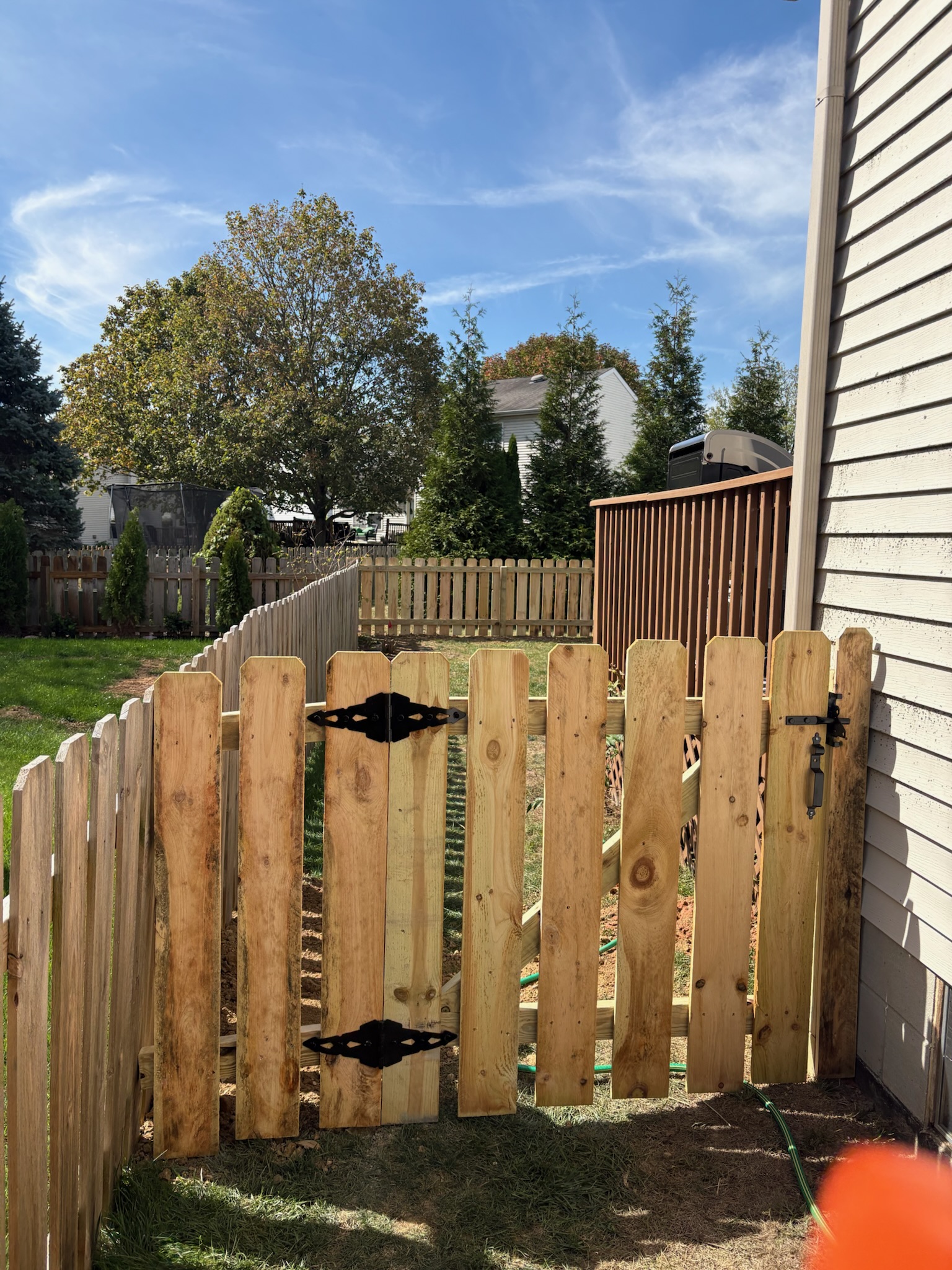
Navigating the permit process can seem daunting, but it’s a vital step in ensuring your fence meets all local requirements. Each county in Central Ohio may have its own rules, so knowing what to expect can streamline your project.
Franklin County Fence Rules
Franklin County has its own set of guidelines that differ slightly from those of Columbus. These guidelines cover everything from fence height to setback requirements, which dictate how far a fence must be from property lines.
-
Setback Requirements: Typically, fences need to be set back a few feet from the property line to accommodate public utilities and ensure safety. Confirming these distances with the local zoning office is crucial.
-
Application Process: To apply for a permit, you’ll need to submit a detailed plan of your proposed fence. This includes measurements, materials, and location. Approval can take several weeks, so plan accordingly.
For more specific details, consult your local zoning office or visit this guide on navigating local fence regulations.
Delaware County Permit Guidelines
Delaware County also has unique fencing requirements. These regulations help maintain the county’s aesthetic while ensuring safety and compliance.
-
Permit Application: Like Franklin County, Delaware requires a detailed application. Be prepared to include specifics about your project, such as height, material, and exact location on the property.
-
Review Process: The review process ensures that your fence won’t interfere with public utilities or violate zoning laws. This step is essential to avoid costly changes down the line.
Taking the time to understand these guidelines can prevent setbacks. Consider consulting a local expert like Murphy Fence LLC to help navigate these processes efficiently.
Licking and Fairfield County Requirements
Both Licking and Fairfield counties have their own fencing regulations. While they share some similarities with Columbus, there are key differences to note.
-
Height and Materials: These counties may have different height restrictions or approved materials. It’s important to verify these before purchasing materials or starting construction.
-
Documentation: Accurate documentation is crucial when applying for a permit. This includes property surveys, proposed fence plans, and any necessary HOA approvals.
Understanding these requirements can make the difference between a smooth installation and potential legal issues. For more insights, Murphy Fence LLC offers resources and assistance specific to these areas.
Ensuring Compliance and Safety
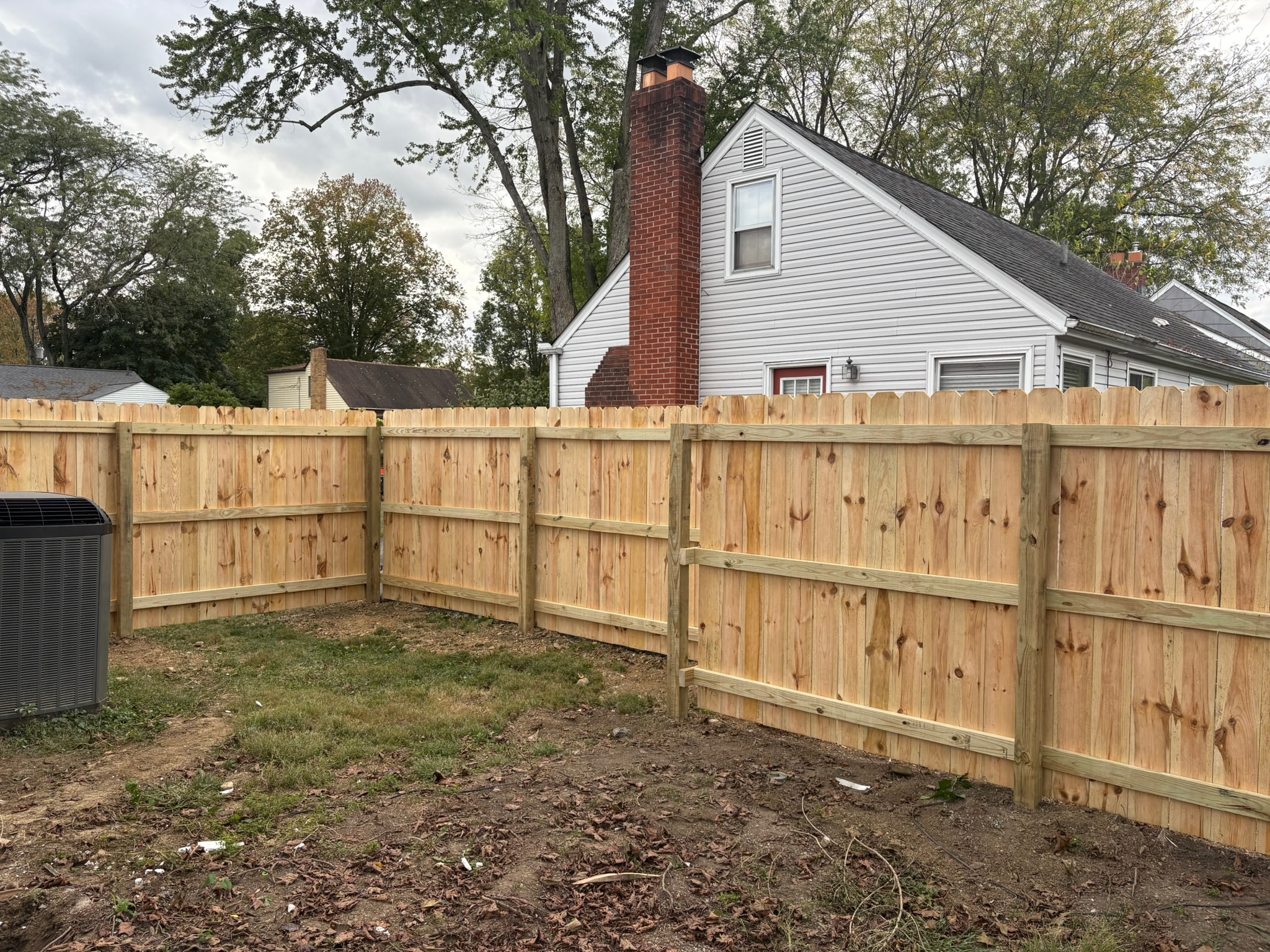
Compliance and safety are paramount when installing a fence. Adhering to local rules not only keeps you out of trouble but also ensures the longevity and safety of your fencing.
Zoning Clearance for Fences
Achieving zoning clearance is a critical step in the fence installation process. This clearance confirms that your project complies with local codes and won’t interfere with community planning.
-
Application Process: This often involves submitting your fence plans to the zoning board. Be sure to include all necessary details such as height, location, and materials.
-
Importance of Compliance: A fence that violates zoning laws can lead to fines or even mandatory removal. Ensuring compliance from the start saves time and money.
For detailed guidance, check out the Columbus zoning clearance requirements.
HOA Fence Approvals in Columbus
Homeowners Associations (HOAs) often have additional rules regarding fences. These rules are designed to maintain a uniform look across neighborhoods and protect property values.
-
Approval Process: Before you begin, check your HOA’s specific guidelines. You may need to submit plans for approval to ensure your fence meets community standards.
-
Common Restrictions: These might include color, height, and style restrictions. Complying with these ensures a smooth approval process and avoids disputes with neighbors.
For expert advice on navigating these requirements, consider reaching out to Murphy Fence LLC.
Utility Marking and Safety Standards
Utility marking is a crucial safety step in any fence installation. It ensures that your fence won’t interfere with underground utilities, which could pose serious safety risks.
-
Ohio 811: Before digging, it’s essential to contact Ohio 811. They will send representatives to mark underground utilities, preventing potential hazards and service disruptions.
-
Safety Compliance: Following these markings ensures that your installation won’t damage utility lines, which could lead to costly repairs or legal issues.
Addressing these aspects ensures a safe and compliant installation. For more tips on safely installing your fence, refer to Ohio’s utility marking guidelines.
By understanding these regulations and processes, you’re well on your way to a successful fencing project. For further assistance and expert guidance, turn to Murphy Fence LLC—your trusted partner in Columbus and Central Ohio.
www.murphyfencellc.com