
Quick Summary
Eco-friendly fencing is about more than choosing a material with a green label. Long service life, lower maintenance needs, responsible sourcing, recyclability and careful installation all influence a fence’s environmental footprint. Murphy Fence LLC helps Central Ohio property owners compare durable wood, vinyl, aluminum and custom fencing options so the finished fence fits the property, Ohio’s climate and the owner’s long-term priorities.
A fence can protect a property for years, but its environmental impact depends on more than what it looks like on installation day. For homeowners and businesses considering eco-friendly fencing in Columbus, Ohio, the better question is how the entire system performs over time: how long it lasts, how much maintenance it needs, where the material comes from and what happens when the fence eventually reaches the end of its service life.
Murphy Fence LLC’s current sustainability-focused articles highlight several ways to reduce that footprint, from long-lasting vinyl and aluminum to responsibly sourced wood and careful installation practices. The goal is not to label one material as universally “green.” It is to match the material, design and maintenance plan to the property so the fence can perform well for as long as practical.
What Makes a Fence More Eco-Friendly?
Sustainable fencing starts with lifecycle thinking. A product that needs frequent replacement can consume more material and create more waste than a durable option that stays in service for many years. Maintenance matters too. Paints, stains, cleaning products and replacement components all contribute to the fence’s long-term resource use.
For Central Ohio properties, climate is part of that equation. Seasonal moisture, heat, cold and freeze-thaw cycles can expose weak installation details or materials that are poorly matched to the site. Selecting a fence that can tolerate local conditions helps reduce premature repairs and replacement.
Durability and Service Life
A long-lasting fence can reduce the frequency of tear-out and replacement. That makes installation quality especially important. Correct post placement, sound gate construction and appropriate drainage around the fence line help the material perform as intended rather than failing early because of avoidable installation problems.
Maintenance Requirements
Lower-maintenance materials can reduce the need for repeated coatings, repairs and replacement boards or panels. That does not automatically make one material better than another, but it is a useful factor when comparing lifecycle impact and total ownership effort.
Responsible Sourcing and Recyclability
Material origin also matters. Wood can be a more responsible choice when it comes from well-managed sources. Metal can offer strong recycling potential. Some vinyl products can be recycled through appropriate programs, although availability varies by manufacturer and local recycling infrastructure. Property owners should ask about product-specific sourcing, recycled content and end-of-life options instead of assuming every product in a category is identical.
Sustainable Fence Materials for Columbus Homes and Businesses
Murphy Fence LLC installs several materials that can support an eco-conscious fencing plan when they are selected for the right reasons. The most practical comparison usually comes down to durability, maintenance, appearance, privacy, security and how well each material fits the property.
Aluminum Fencing: Durable, Low Maintenance and Highly Recyclable
Aluminum is a strong option for owners who want an open, finished appearance with relatively little routine maintenance. It resists rust and corrosion and can work well on sloped or uneven ground. Because aluminum can be recycled repeatedly, it also has a clear end-of-life advantage when appropriate recycling channels are used.
For properties where visibility is desirable, aluminum fencing in Columbus can provide security and boundary definition without creating a solid visual barrier. Its long service life and low maintenance needs can make it a practical sustainability choice for both residential and commercial sites.
Vinyl Fencing: Long-Term Performance With Minimal Upkeep
Vinyl is often chosen for privacy and low routine maintenance. It does not require painting and it is resistant to rot and insect damage. Those characteristics can reduce the amount of upkeep required over the life of the fence, especially for owners who want a solid privacy system without the maintenance schedule associated with traditional wood.
Murphy Fence offers vinyl fencing options in multiple styles and colors. When sustainability is part of the decision, ask about the specific product’s recycled content, recyclability and expected service life. Vinyl can be recyclable, but actual collection and processing options vary, so product-specific information is more useful than a broad category claim.
Wood Fencing: Renewable Material With Responsible-Sourcing Potential
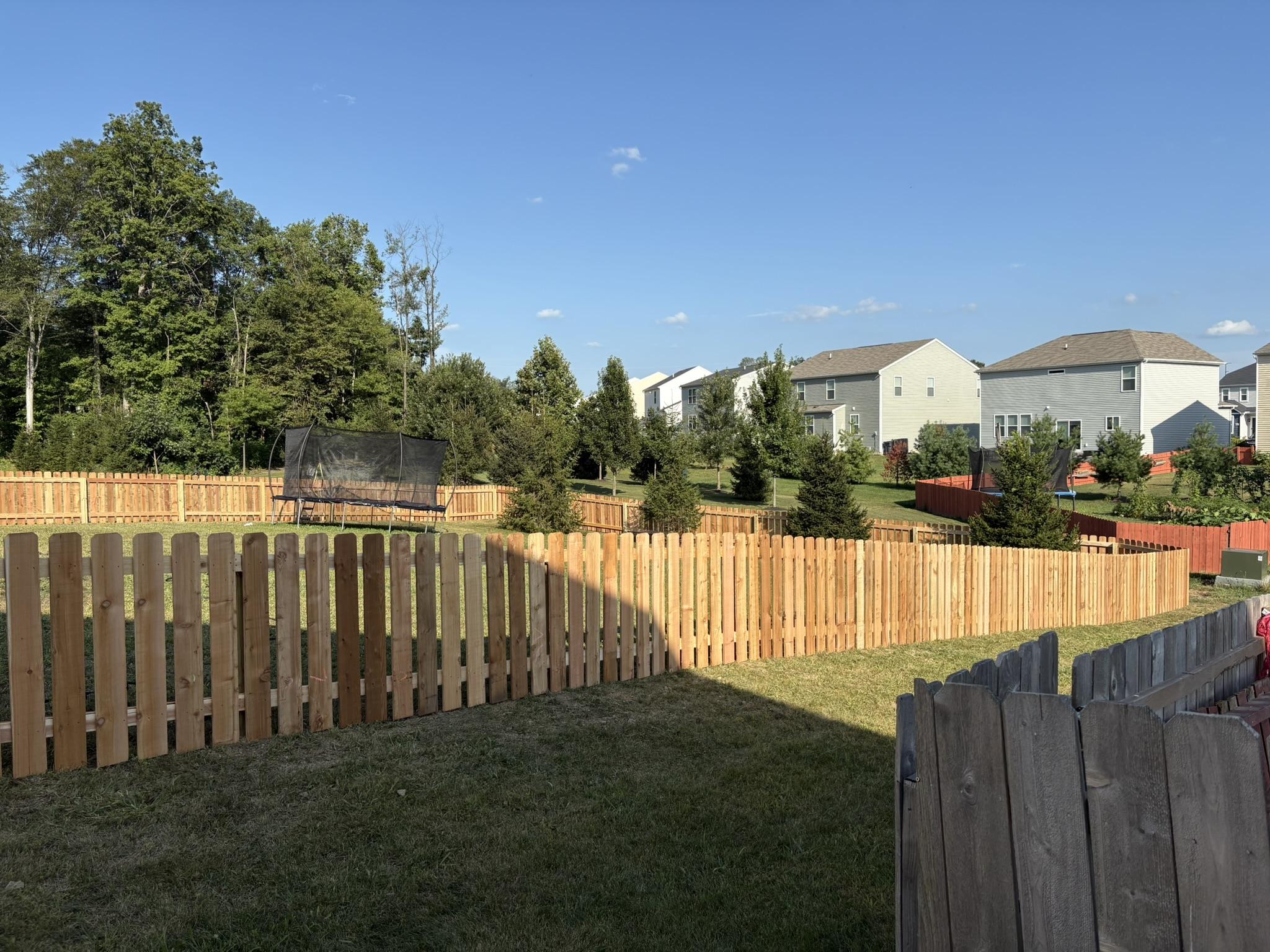
Wood remains attractive because it is a renewable material and it offers a natural appearance that works well with many Central Ohio properties. Its sustainability profile depends heavily on sourcing, treatment and maintenance. Murphy Fence’s current wood service page notes sustainably sourced materials for eco-conscious customers.
A professionally installed wood fence can also be repaired in sections rather than automatically replacing an entire fence. Owners who want to reduce environmental impact can ask about responsibly sourced lumber and lower-VOC finishes where appropriate, then follow a maintenance schedule that protects the wood from moisture and premature decay.
Reclaimed Wood, Composite and Bamboo: Confirm Project-Specific Availability
Murphy Fence’s sustainability articles also discuss reclaimed wood, recycled-content composite fencing and bamboo as environmentally focused alternatives. These materials can offer advantages such as reuse of existing material, reduced virgin-material demand or rapid renewability. However, they are not presented as core service categories on Murphy Fence’s current service menu.
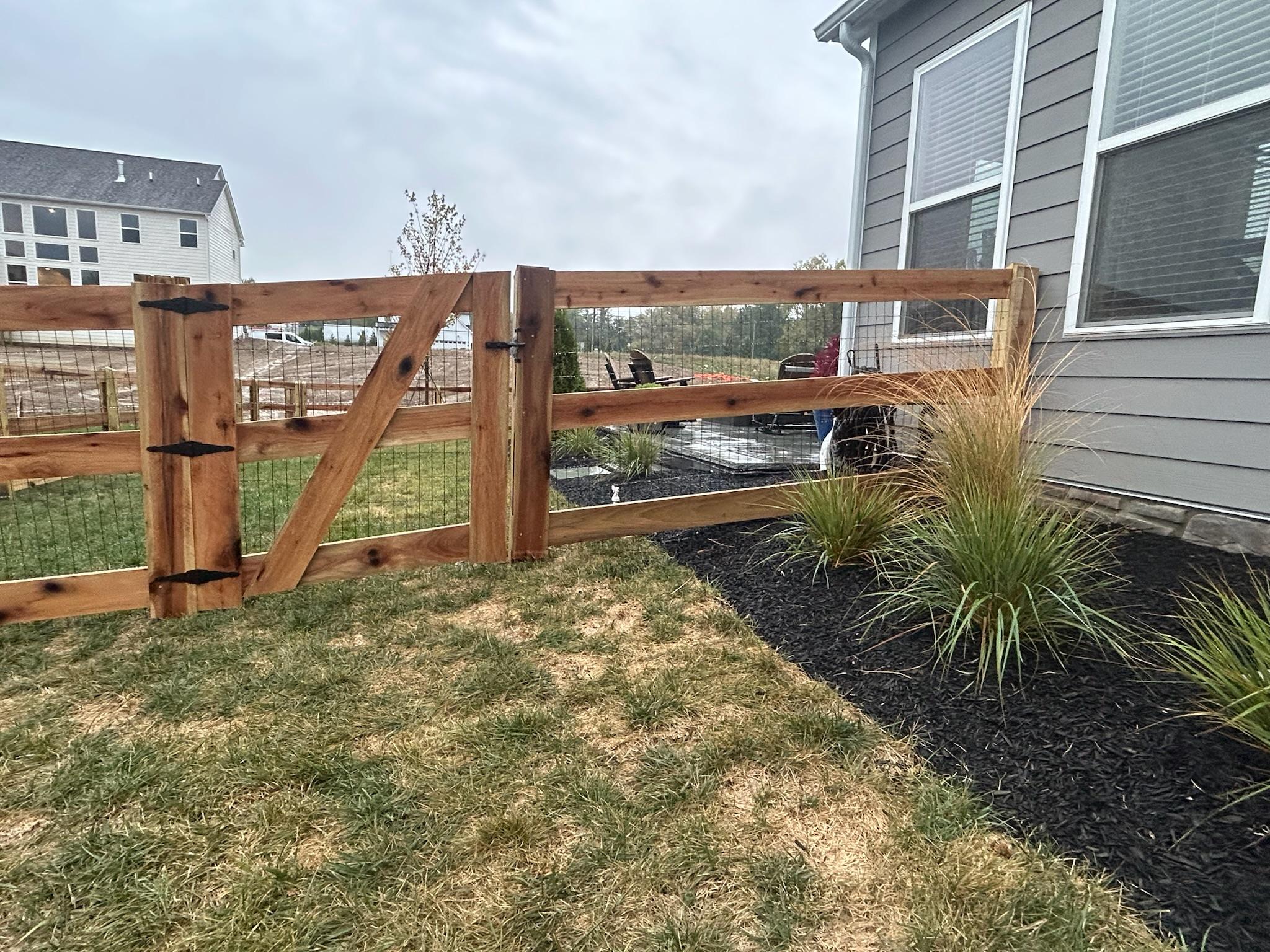
If one of these materials interests you, treat it as a project-specific conversation. Confirm current availability, manufacturer specifications, warranty terms, installation requirements and suitability for Ohio conditions before making a decision. A custom fencing consultation is the right place to determine whether a nonstandard material fits the property and the project goals.
Eco-Friendly Installation Practices Matter Too
Material selection is only one part of a sustainable fence project. Planning and installation can influence how much material is wasted, how much of the site is disturbed and whether the finished fence needs avoidable repairs later.
Accurate Planning Helps Reduce Waste
Careful measurements and a well-planned layout help reduce unnecessary cuts, excess material and last-minute changes. Gate locations, grade transitions and property features should be addressed before installation begins. This is particularly important on irregular lots where a standard panel layout may create avoidable waste or poor transitions.
Minimize Unnecessary Site Disturbance
A fence project naturally requires digging and access around the perimeter, but efficient planning can limit disruption to landscaping and surrounding areas. Identifying utilities, drainage issues, existing structures and access routes before work begins can help the installation proceed more cleanly and with fewer surprises.
Sort Reusable and Recyclable Material Where Practical
When an old fence is being removed, some components may be reusable or recyclable depending on their condition and local facilities. Metal is commonly recyclable. Clean wood and plastics may have more limited options. Property owners should ask how removed material will be handled rather than assuming every component can be recycled.
Choosing an Eco-Friendly Fence for Your Property
The most sustainable fence is usually the one that fits the property well enough to remain useful for a long time. That means balancing environmental priorities with privacy, security, aesthetics, maintenance and budget.
For Residential Properties
Homeowners may prioritize privacy, pet containment, pool or yard boundaries and curb appeal. Solid vinyl or wood can provide privacy, while aluminum can preserve views around landscaped areas. The best choice depends on how the yard is used and how much routine maintenance the owner is comfortable performing.
For Commercial Properties
Businesses often need a stronger focus on perimeter control, durability and professional appearance. Commercial fencing solutions can be planned around security needs, vehicle or pedestrian access and the image the property presents to customers and employees. Sustainability still matters, but it should be considered alongside operational requirements and lifecycle cost.
Think Beyond the Purchase Price
Initial cost is only one part of the decision. Maintenance, repair frequency, expected service life and eventual replacement all affect the long-term value of a fence. A material that costs more upfront may be the more efficient choice if it requires less upkeep and stays in service substantially longer.
Why Work With Murphy Fence LLC on an Eco-Conscious Fence?
Murphy Fence LLC brings more than 20 years of fencing experience to Central Ohio projects and works with residential and commercial clients across its service area. The company installs wood, vinyl, aluminum, chain link, farm, custom and commercial fencing and can help property owners compare materials based on how they will actually be used.
That project-specific approach matters for sustainability. A durable fence that suits the terrain, climate and day-to-day needs of the property is less likely to require premature modification or replacement. Murphy Fence can also help owners weigh privacy, security, maintenance and style alongside environmental priorities rather than treating sustainability as a separate checkbox.
Plan a Durable, More Sustainable Fence in Central Ohio
Eco-friendly fencing does not have to mean an experimental product or a compromise in performance. For many Columbus properties, the most practical strategy is to choose a durable material, verify sourcing or recyclability claims, install it correctly and maintain it so it reaches its intended service life.
Whether you are comparing aluminum, vinyl, wood or a custom fence design, Murphy Fence LLC can help you evaluate the options in the context of your property. A thoughtful plan can protect your space, support curb appeal and reduce unnecessary material use over the long term.
Frequently Asked Questions
What is the most eco-friendly fence material for an Ohio property?
There is no single best material for every property. Aluminum offers strong recyclability and low maintenance, responsibly sourced wood is renewable and vinyl can provide long service life with minimal upkeep. The best choice depends on the property, expected service life, maintenance needs and product-specific sourcing or recycling options.
Is vinyl fencing considered eco-friendly?
Vinyl can support a sustainability-focused plan because it is durable, low maintenance and recyclable in some programs. However, recycling access and recycled content vary by product and location. Ask about the specific manufacturer and end-of-life options before relying on a general recyclability claim.
Why is aluminum a sustainable fencing option?
Aluminum is durable, corrosion resistant and highly recyclable. Its relatively low maintenance needs can also reduce the need for coatings or replacement components over time. Proper installation helps the fence reach its expected service life.
Can wood fencing be an environmentally responsible choice?
Yes. Wood is a renewable material and its environmental profile can be improved through responsible sourcing, appropriate treatment and regular maintenance. Ask about sustainably sourced lumber and use finishes that fit the project’s performance and environmental goals.
Does Murphy Fence LLC install bamboo or composite fencing?
Murphy Fence’s sustainability articles discuss bamboo, reclaimed wood and recycled composite as eco-conscious possibilities, but those materials are not listed as core service categories on the current service menu. Availability should be confirmed directly for the specific project.