
Quick Summary
Wood, vinyl, aluminum and chain link fencing each solve different property needs. Wood offers natural character and strong privacy options but requires more upkeep. Vinyl provides privacy with lower routine maintenance, while aluminum delivers an open, polished look with strong corrosion resistance. Chain link is practical for security, visibility and larger areas where budget matters. The right choice depends on how you use the property, the level of privacy or security you need, your maintenance preferences and the look you want to create.
Choosing a fence is easier when you compare materials by what they actually do for the property. Wood, vinyl, aluminum and chain link can all create a durable boundary, but they differ in privacy, appearance, maintenance, security and cost.
For homeowners and businesses in Columbus and Central Ohio, climate and property conditions matter too. Seasonal temperature changes, moisture, wind and site layout can influence how a fence performs over time. The goal is not to find one material that is best for everyone, but to select the option that fits your priorities and property.
Start With the Purpose of Your Fence
Before comparing materials, define what the fence needs to accomplish. A backyard privacy fence has different requirements than a decorative front-yard boundary or a commercial perimeter. The clearer the goal, the easier it becomes to narrow the material options.
Privacy and Screening
If privacy is the main goal, solid or closely spaced panels are usually the strongest fit. Wood and vinyl can create substantial visual screening for backyards, pools and outdoor living areas. Chain link can add privacy slats, but the finished appearance and degree of screening are different from a solid fence.
Security and Visibility
Security does not always mean blocking the view. Aluminum and chain link preserve sightlines while defining a perimeter, which can be useful around businesses, gardens and areas where visibility matters. Height, gate placement and hardware also affect security, so the material should be considered as part of the full fence design.
Maintenance and Budget
Upfront cost is only one part of the decision. Wood generally requires more ongoing finishing and inspection, while vinyl and aluminum are often selected for lower routine maintenance. Chain link is commonly used when practical coverage and cost control are priorities, especially across larger areas.
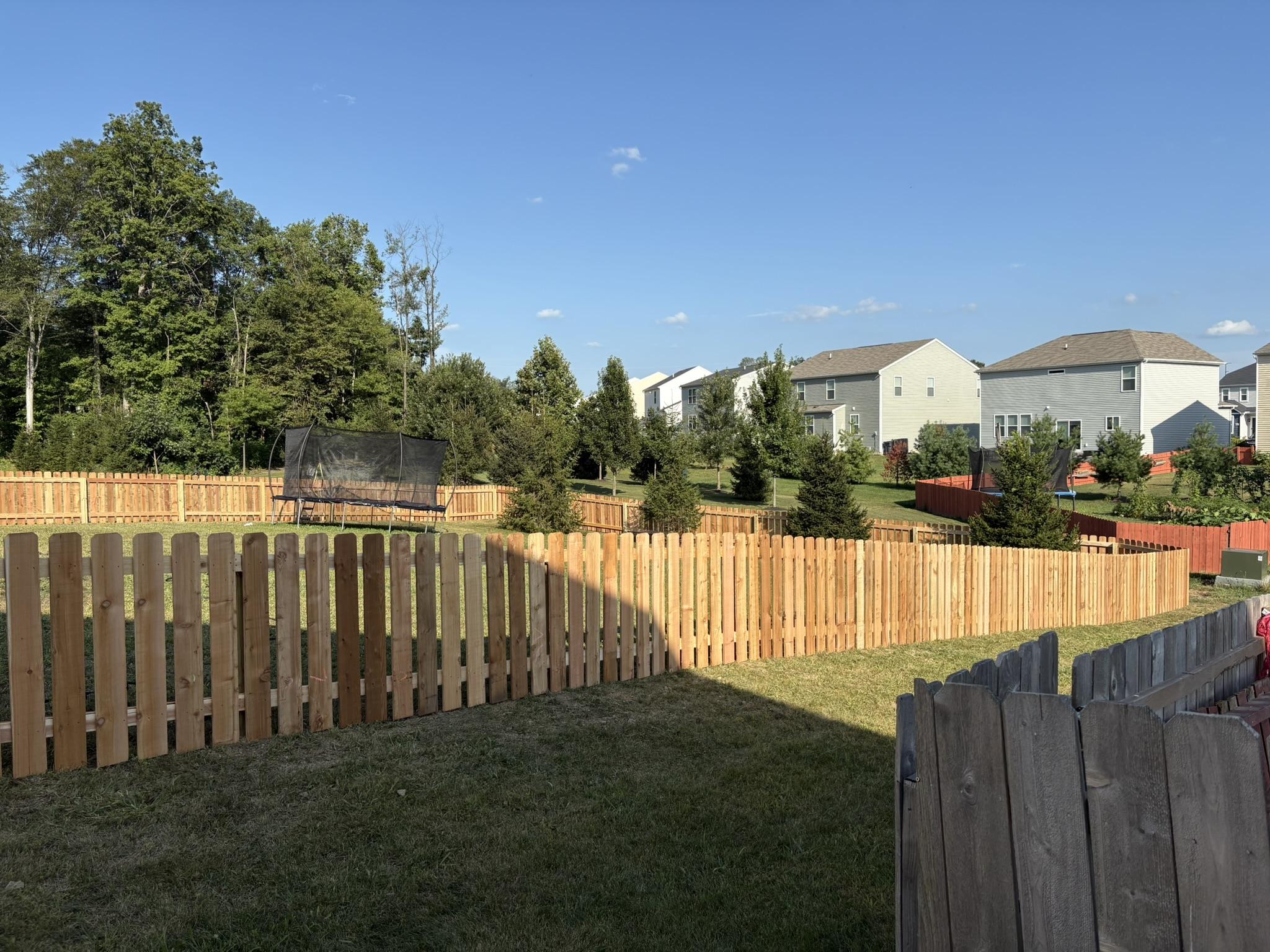
Wood Fencing: Natural Style and Flexible Privacy
Wood fencing remains a classic choice because it brings warmth, texture and design flexibility to a property. It can work as a privacy fence, picket fence or custom feature and it can be stained or painted to coordinate with a home or landscape.
Where Wood Works Well
Wood is a strong fit for property owners who want a natural appearance and a high degree of customization. Board spacing, height, top details and finish can all be adjusted to support privacy, curb appeal or a more traditional look.
It also works well when the fence needs to blend into landscaping rather than look highly manufactured. For many homes, that visual character is the main reason to choose wood.
Maintenance Tradeoffs
Wood needs more care than the other materials in this comparison. Moisture, sun exposure, insects and normal weathering can affect boards and posts over time. Cleaning, inspection and protective finishing may be needed depending on the wood, finish and exposure.
That maintenance should be included in the decision from the start. Wood is a good choice when you value its appearance enough to support the care it needs.
Vinyl Fencing: Privacy With Lower Routine Upkeep
Vinyl fencing is popular with homeowners who want a clean appearance and less routine maintenance. It does not require the same painting or staining schedule as wood and it is not susceptible to rot in the same way.
Where Vinyl Works Well
Vinyl can be especially useful for backyards, pool areas and other spaces where privacy and a consistent appearance are important. It is available in different styles and colors, including options designed to resemble wood.
The solid-panel format makes vinyl a practical screening material, while its smooth surface is generally straightforward to clean with soap and water.
What to Consider Before Choosing Vinyl
Quality and installation still matter. Posts, rails, panels, gates and reinforcement should be selected for the site rather than treated as interchangeable components. Wind exposure, slopes and gate width can all affect the final system.
Vinyl is a strong choice when lower routine upkeep and privacy outweigh the desire for the natural variation of real wood.
Aluminum Fencing: Open Views With a Finished Look
Aluminum fencing combines a refined appearance with low routine maintenance. It is corrosion-resistant and keeps the property visually open, making it useful when you want a defined boundary without a solid wall effect.
Where Aluminum Works Well
Aluminum suits front yards, landscaped areas, pool enclosures and commercial properties where visibility and curb appeal both matter. Its clean lines can complement traditional and modern architecture without dominating the site.
It can also be installed to follow sloped or uneven ground more naturally than some panel systems, which may reduce awkward stepping or large gaps on certain properties.
Privacy Is Not Its Main Strength
The open design that makes aluminum attractive also means it does not provide the same screening as wood or vinyl. If full backyard privacy is the priority, another material or a different fence layout may be more appropriate.
Chain Link Fencing: Practical Security and Coverage
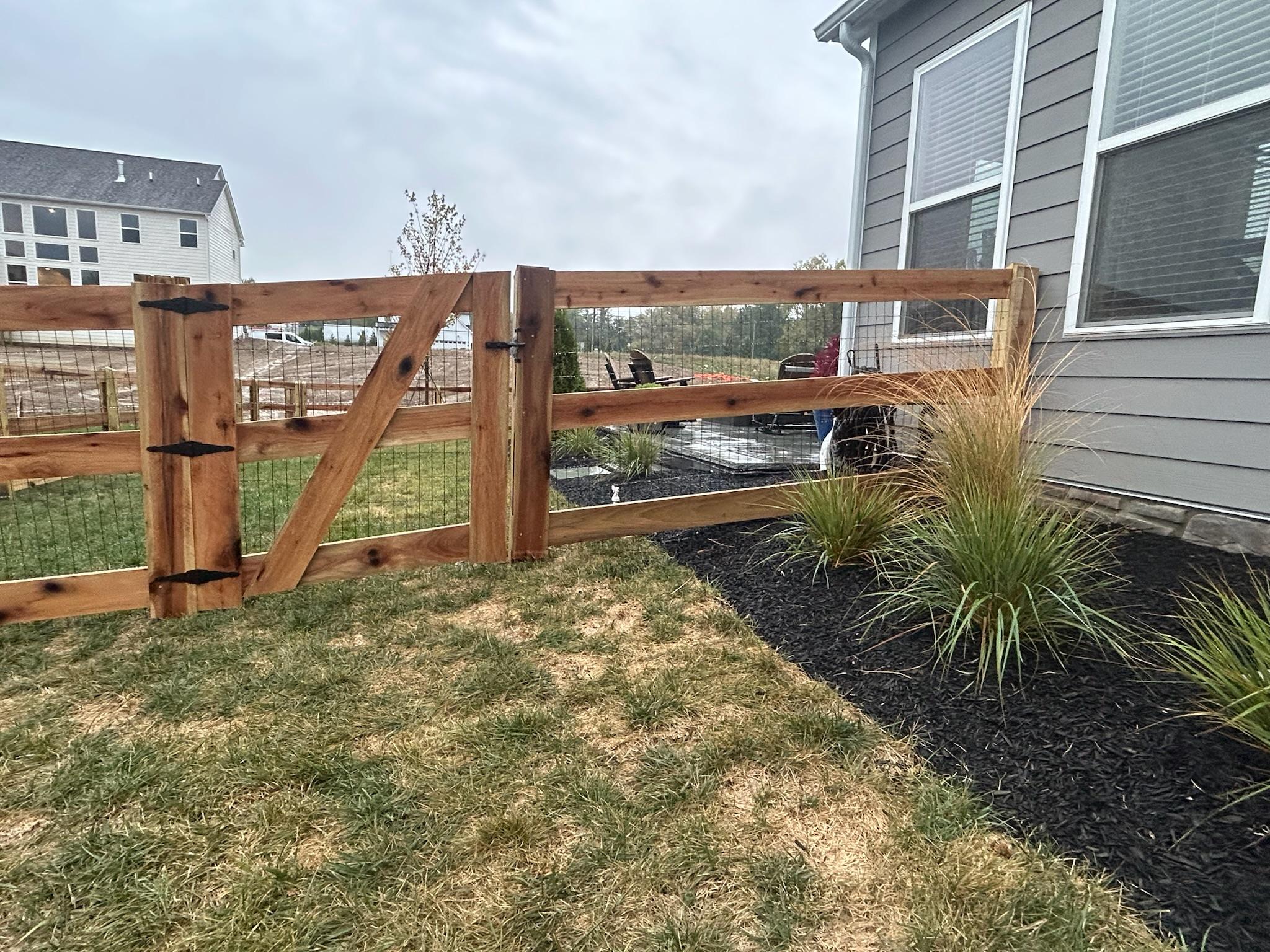
Chain link fencing is a practical option for defining boundaries, containing pets and securing residential or commercial areas while maintaining visibility. It is commonly chosen for larger perimeters where function and budget are important.
Where Chain Link Works Well
Chain link is useful for backyards, service areas, commercial lots, sports spaces and utility zones. Its open mesh allows visibility through the fence and places less wind load on the system than a solid privacy panel.
Height, gauge, coating and gate configuration can be adjusted for different applications. Black-coated chain link can also create a more finished appearance than traditional galvanized fencing.
Privacy and Appearance Options
Standard chain link provides limited privacy, but slats can add screening when needed. That modification changes the look and wind exposure, so privacy slats should be considered as part of the overall design rather than as an afterthought.
Wood vs. Vinyl vs. Aluminum vs. Chain Link at a Glance
A quick comparison can help narrow the choices before a contractor evaluates the property:
Wood: best suited to owners who prioritize natural character, customization and strong privacy options and who are comfortable with ongoing maintenance.
Vinyl: a strong fit for privacy, clean styling and lower routine maintenance, particularly for residential backyards and enclosed outdoor spaces.
Aluminum: well suited to visible areas where a polished appearance, corrosion resistance and open sightlines are priorities.
Chain link: practical for economical coverage, pet containment, commercial perimeters and applications where visibility is more important than complete screening.
Residential and Commercial Properties Have Different Priorities
Homeowners often focus on privacy, pets, children, outdoor living areas and how the fence complements the house. That can make wood or vinyl appealing for backyards, while aluminum can work well where a decorative open boundary is preferred.
Businesses may give more weight to access, visibility, perimeter control and durability. Murphy Fence LLC offers commercial fencing solutions that can be planned around the operational needs and appearance of the property.
The same material can serve very different purposes depending on height, layout and gate design. A chain link residential pet enclosure and a chain link commercial perimeter may use the same basic material but require different specifications.
Do Not Overlook Property Layout and Local Requirements
Material choice should be made with the site in mind. Slopes, drainage, trees, utilities, driveway access and irregular property lines can affect installation. Local zoning requirements and HOA rules may also influence permitted height, placement or appearance.
When the property has unusual dimensions or a mix of functional goals, a custom fencing solution can help match the material and layout to the site instead of forcing a standard configuration.
Choose the Fence That Fits How You Use the Property
There is no universal winner between wood, vinyl, aluminum and chain link. Wood provides natural style and customization, vinyl combines privacy with lower routine maintenance, aluminum offers visibility and a refined finish and chain link delivers practical security and economical coverage.
Murphy Fence LLC has more than 20 years of experience with residential and commercial fencing in Central Ohio. A project-specific consultation can help compare materials, site conditions, maintenance expectations and design goals before you commit to a fence.
Frequently Asked Questions
Which fence material is best for privacy?
Wood and vinyl are usually the strongest choices when visual screening is the main goal because both can be configured as solid or near-solid panels. The best option depends on the appearance you prefer, maintenance expectations and the property layout.
Which fence material requires the least maintenance?
Vinyl and aluminum are commonly chosen for lower routine maintenance because they do not need the same painting or staining schedule as wood. Chain link can also be relatively low maintenance when its coating and hardware are appropriate for the site.
Is chain link fencing a good option for residential properties?
Yes. Chain link can work well for pet containment, backyards and larger residential boundaries where visibility, durability and budget matter more than full privacy. Privacy slats can be considered when additional screening is needed.
Is aluminum fencing a good choice for sloped yards?
Aluminum can be a useful option on sloped or uneven terrain because many systems can follow the grade while maintaining a clean appearance. The exact layout still depends on the slope, fence style and site conditions.
How do I choose between wood, vinyl, aluminum and chain link?
Start with the fence’s purpose, then compare privacy, security, appearance, maintenance, budget and site conditions. A professional property assessment can help determine which material and layout best match the way the property is used.