
Common Pitfalls to Avoid When Planning a Fence Installation in Central Ohio
Planning a fence installation in Central Ohio can feel straightforward—until permit headaches, property line disputes, or HOA rules catch you off guard. Many homeowners and businesses miss these common traps, leading to delays and unexpected costs. Knowing what to watch for can save you time and money while ensuring your new fence looks great and lasts for years. Keep reading to learn the pitfalls you can skip with help from a trusted fence installation Columbus Ohio expert.
Understanding Local Regulations

Navigating the maze of local regulations can seem daunting. But understanding these rules is the first step to a hassle-free fence installation in Central Ohio.
Navigating Fence Permits in Columbus
Before you start digging, you need to know the permit requirements in Columbus. Without the right permits, your project could face hefty fines or even be halted. Start by visiting your local city office or their website for detailed information on what permits are needed for your specific project. Most permits will require detailed plans, so having everything ready can save you time.
Columbus is known for its strict zoning laws. Make sure your plans align with these to avoid setbacks. If unsure, consulting with a local fencing contractor can provide clarity and ensure all legal obligations are met. Remember, cutting corners here might lead to more significant issues down the line.
HOA Fence Rules and Compliance
If you live in an area governed by a homeowner’s association (HOA), their rules will significantly impact your fencing options. These rules typically cover style, height, and material restrictions. It’s crucial to review these guidelines before making any decisions. Failure to comply might mean tearing down your new fence.
Reach out to your HOA board early in the planning process. They can provide the necessary documents and clarify any questions you might have. By understanding and adhering to these rules, you avoid potential conflicts and ensure your fence meets community standards. This proactive approach can save both time and stress.
Choosing the Right Materials

Selecting the right materials for your fence is more than just an aesthetic choice. It’s about finding the perfect balance between style, function, and budget that suits your needs.
Wood, Vinyl, and Aluminum Options
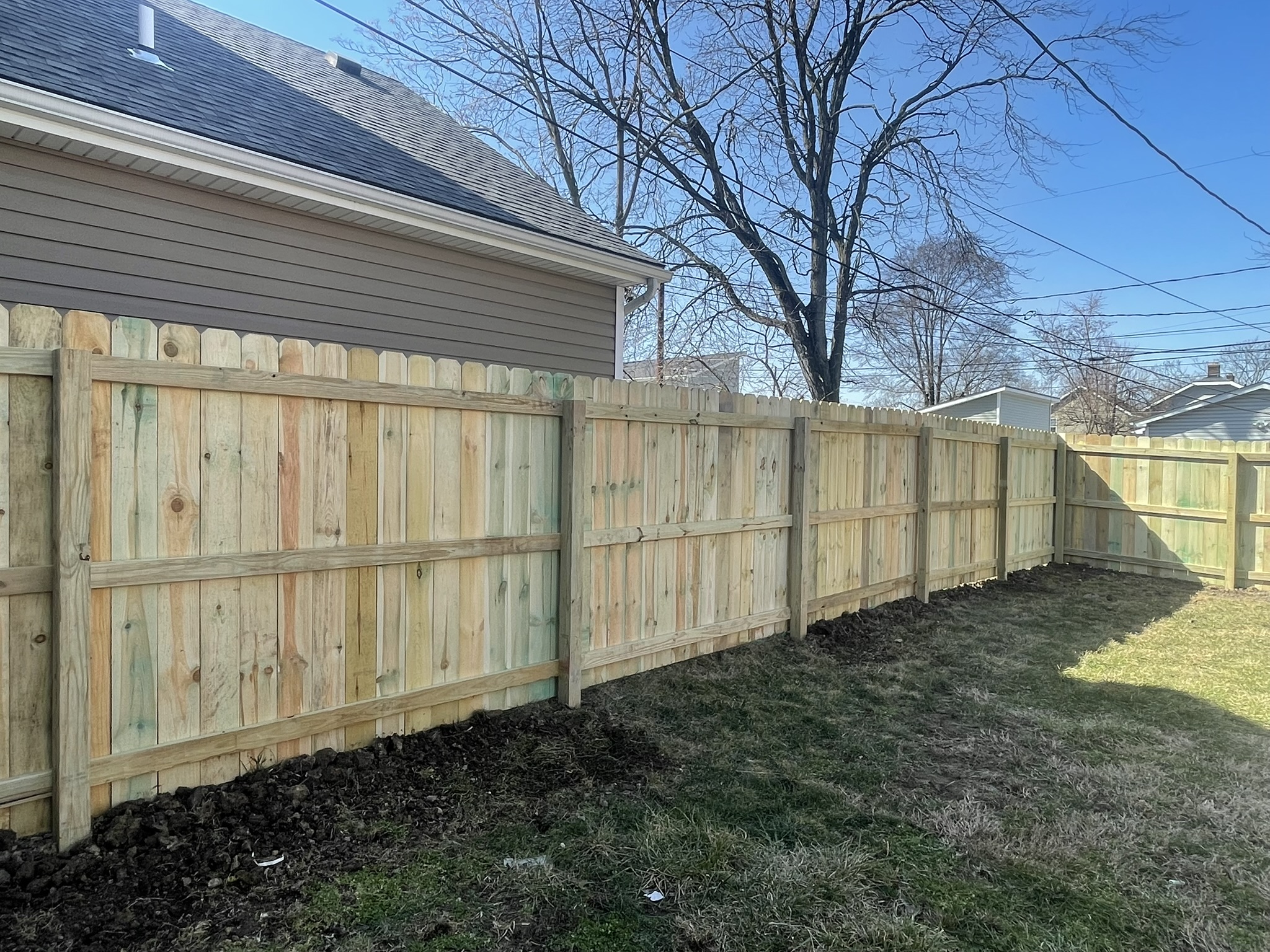
Each material offers unique benefits. A wood fence in Columbus, Ohio provides a classic look and is often the go-to choice for its natural beauty. However, it requires regular maintenance to prevent rotting or warping. If you’re after a low-maintenance option, a vinyl fence in Columbus, Ohio could be ideal. It’s durable and resistant to the elements, making it a popular choice for many homeowners.
On the other hand, an aluminum fence in Columbus, Ohio offers a sleek, modern appearance with robust durability. It’s resistant to rust and requires minimal upkeep. When deciding, consider the climate, your home’s style, and your budget. Consulting with experts can also provide insights tailored to your specific situation.
Chain Link and Farm Fencing
For those prioritizing functionality over aesthetics, chain link and farm fencing are excellent options. Chain link fence in Columbus, Ohio is cost-effective and provides essential security without breaking the bank. It’s a common choice for both residential and commercial properties.
Farm fencing is ideal for larger properties or agricultural needs. It offers clear boundaries and keeps livestock secure. In Central Ohio, many opt for this due to its practicality and affordability. When choosing these fences, it’s essential to consider local climate conditions and the level of security you require. Understanding these factors helps ensure the chosen fence serves its purpose effectively.
Ensuring Proper Planning

Good planning is the backbone of any successful fence installation. It helps avoid surprises and ensures your project stays on track.
Verifying Utilities and Property Lines
Before any installation, it’s crucial to verify utilities and property lines. Striking a utility line can lead to dangerous situations and costly repairs. Always contact local utility companies to mark any lines on your property. This step not only ensures safety but also keeps your project compliant with local laws.
Equally important is confirming property boundaries. Installing a fence over a property line can lead to disputes with neighbors. Use a surveyor to pinpoint the exact boundaries. This investment is small compared to the potential cost of having to relocate a fence. With these checks in place, you can proceed with confidence.
Setting a Realistic Budget and Timeline
A well-planned budget and timeline keep your project on track. Begin by estimating material costs and labor fees. It’s wise to get multiple quotes from contractors to ensure you’re getting a fair price. Remember, the cheapest option isn’t always the best; focus on value and quality.
Next, set a realistic timeline. Factor in potential delays, such as weather or permit approvals. By setting clear expectations, you avoid frustration and keep your project moving smoothly. Planning with these insights ensures your fence installation is successful and stress-free. For a deeper dive into these planning essentials, visit this comprehensive guide.
In conclusion, understanding regulations, choosing the right materials, and ensuring thorough planning are crucial steps in a successful fence installation. By taking these steps, you not only avoid common pitfalls but also ensure a smooth and efficient process. Whether you’re a homeowner or a business owner, partnering with a trusted fencing contractor in Columbus, OH can provide the support and expertise needed for a remarkable fencing project.
www.murphyfencellc.com