
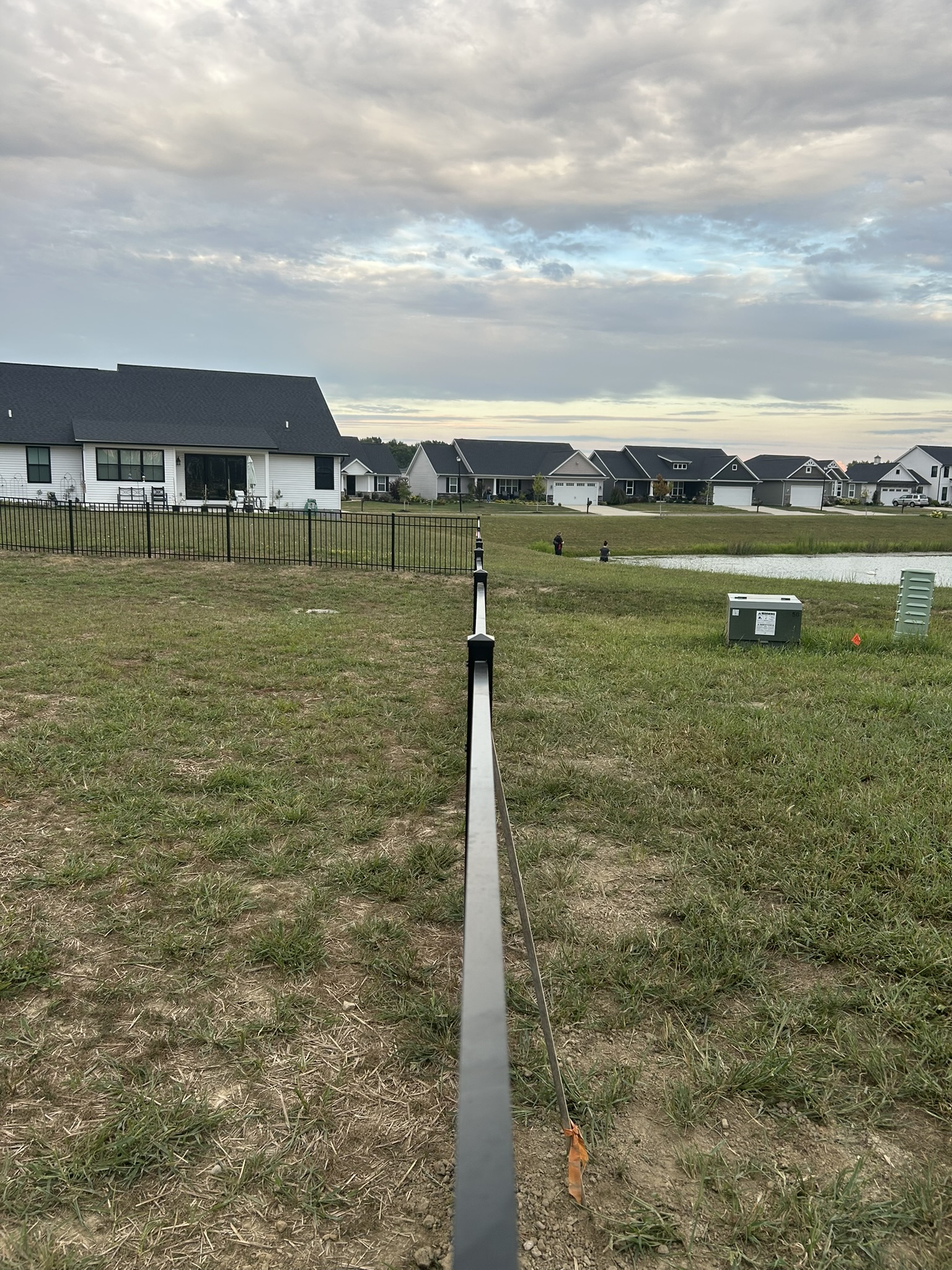
Planning a fence in Central Ohio means more than picking a style—you need to navigate property lines, local setback rules, and permits first. Missing one detail can delay your project or cause costly adjustments. This guide breaks down key points like fence setbacks Columbus Ohio and property line fence rules Ohio so you can plan with confidence and avoid surprises. Ready to build a fence that fits your property and meets local standards? Let’s get started. For more detailed guidance, check out the Columbus Fence Regulations Complete Guide.
Understanding Property Lines and Setbacks
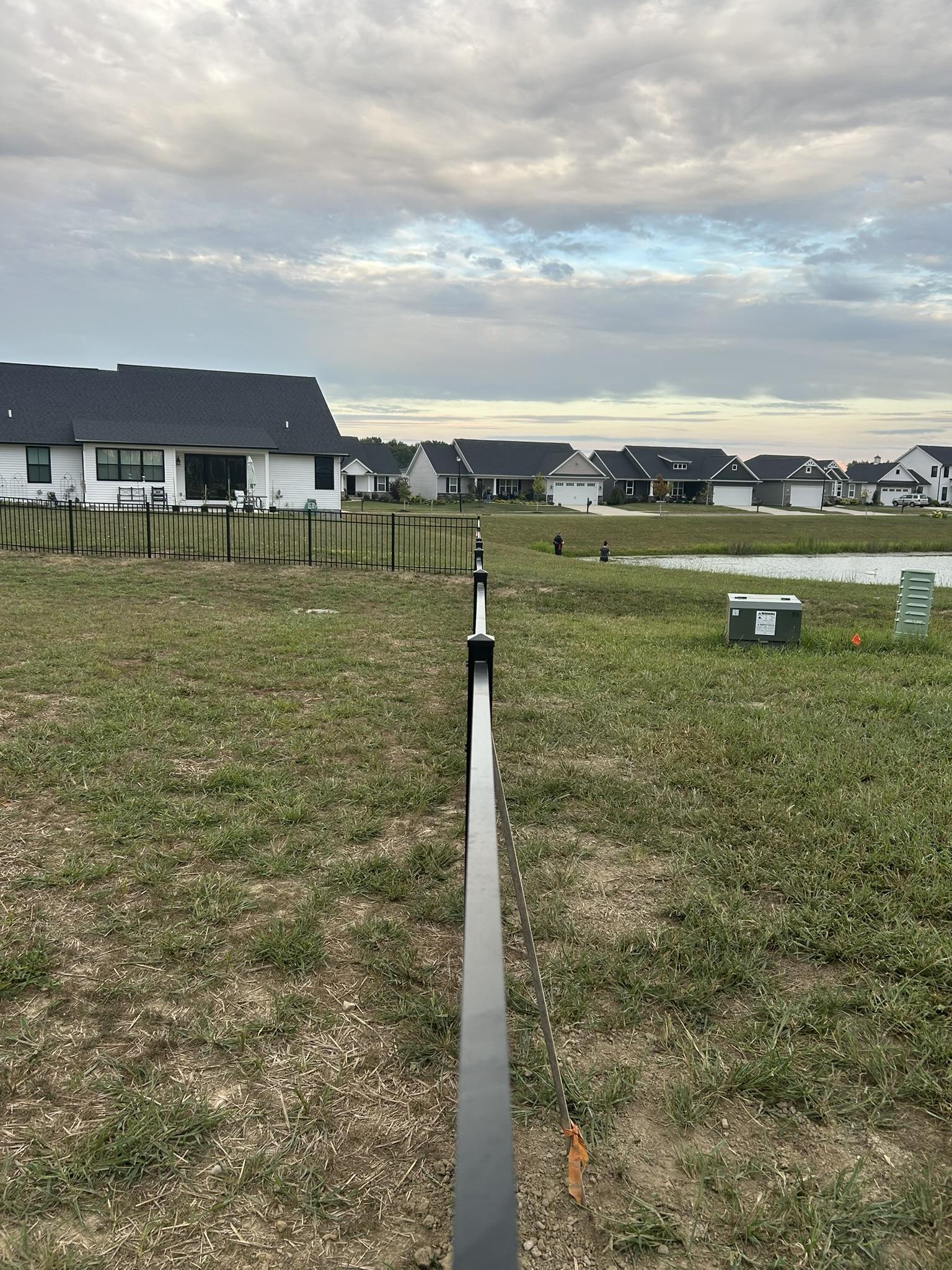
Knowing where your property begins and ends is crucial before any building starts. It’s about ensuring your fence doesn’t inadvertently cross legal boundaries. Let’s dive into the details.
Property Line Fence Rules Ohio
When planning a fence in Ohio, the first step is determining your exact property lines. This can save you from disputes with neighbors. It’s advisable to consult a property surveyor for accuracy. They can provide a detailed map of your land. Some homeowners have mistakenly built over boundaries, leading to legal issues. Avoid these headaches by confirming your property lines early on. For further reading, check out the Grove City Zoning Code.
Franklin County Fence Setback Insights
In Franklin County, setbacks are regulations that dictate how far your fence must be from your property line. Typically, residential fences must be set back a few feet from the property edge. This ensures safety and accessibility. It’s essential to check the specific requirements for your area. Ignoring these could result in fines or mandated adjustments. It’s always better to be informed so your project proceeds smoothly.
Delaware County Fence Requirements
Delaware County has its own set of fencing rules. These often reflect the need for aesthetic consistency and neighborly courtesy. For example, front yard fences may have height restrictions to maintain visibility. Local authorities might also have regulations on materials to ensure community standards. Before you start, consult the county’s guidelines to align your project with local expectations.
Navigating Permits and Local Regulations
Understanding permits and local regulations can feel daunting. However, they are essential for a headache-free fencing project. Let’s break down the processes in different counties.
Columbus Fence Permits Guide
In Columbus, specific permits are required before building a fence. These ensure your plans meet city safety and zoning standards. The process involves submitting an application detailing your project. Make sure to include site plans and material specifications. Once approved, you’re clear to begin construction. Ignoring this step could lead to fines or project shutdowns. For specifics, refer to the Columbus Fence Permit Application Form.
Licking County Fence Permit Process
Licking County requires a permit for most fencing projects. The application process is straightforward but requires adherence to local guidelines. This includes height limits and material approvals. By following these rules, you ensure your fence enhances your property without causing legal complications.
Fairfield County Fencing Compliance
In Fairfield County, compliance with local fencing laws is vital. These regulations help maintain neighborhood aesthetics and safety. Before building, review the county’s standards on height and placement. This helps avoid any potential conflicts with local authorities or neighbors.
Crafting Compliant and Attractive Fencing
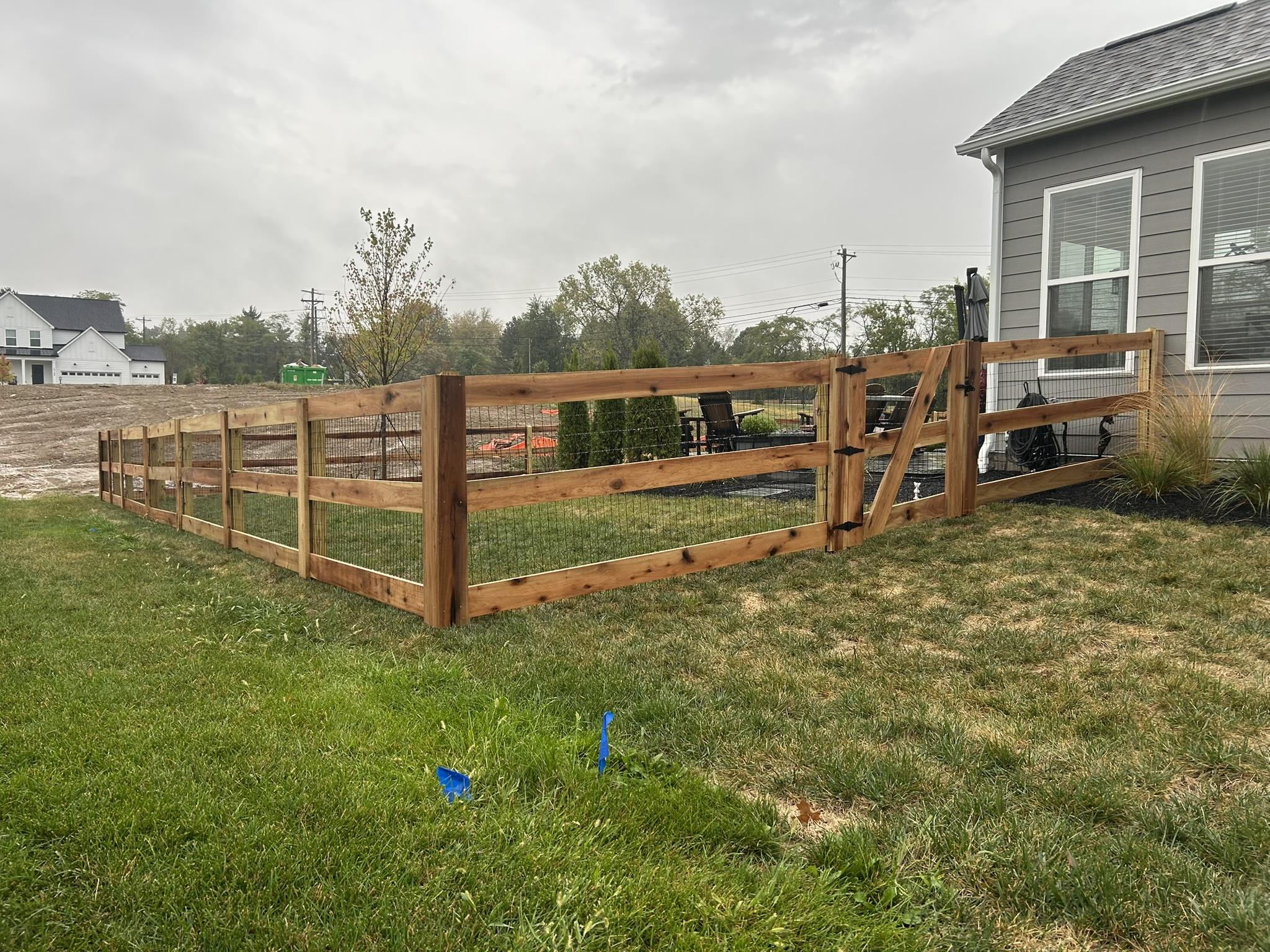
Once you’ve navigated the regulations, it’s time to focus on creating a fence that’s both compliant and visually appealing. Here’s how you can achieve that balance.
HOA Fence Guidelines Ohio
Homeowners Associations (HOA) often have specific guidelines for fences. These rules aim to maintain uniformity and property value. Before constructing, check with your HOA for any design or material restrictions. Following these ensures harmony within your community and prevents potential fines.
Residential Fencing Columbus Options
In Columbus, residential fencing choices are vast. Popular options include wood, vinyl, and aluminum, each offering unique benefits. Wood provides a classic look, while vinyl is low-maintenance. Aluminum is durable and great for security. Whatever your preference, ensure it aligns with local zoning laws.
Commercial Fencing Columbus Considerations
For business owners, commercial fencing needs to balance security and aesthetics. Durable materials like chain link or aluminum are popular for their strength. However, consider how your fence complements your brand’s image. A well-chosen fence can enhance your property’s appeal and deter potential threats.
Conclusion
Planning a fence in Central Ohio involves understanding rules, regulations, and design options. By doing your homework, you ensure a smooth, compliant project. Whether you’re a homeowner or business owner, Murphy Fence LLC is here to guide you through every step of the process. Reach out for a consultation, and let’s build something great together.