Replacing an old fence in Columbus isn’t as simple as picking a style and calling a contractor. If you skip key steps, you could face unexpected costs, delays, or even code violations. Before you start your fence replacement Columbus project, knowing local rules, budgeting wisely, and choosing the right materials and experts will save you headaches. This checklist covers everything you need to tackle your next fence with confidence and clarity.
Understanding Local Codes and Permits
Tackling a fence project in Columbus requires understanding local rules. These guidelines play a crucial role in ensuring a smooth process.
Navigating Fence Permits in Columbus
Permits are essential for most fencing projects. To begin, contact your local building authority. They will guide you on the paperwork needed. Your application must include details about the fence’s height, location, and materials. A timely submission helps avoid delays. It’s also wise to check if your area has specific requirements. Some neighborhoods enforce stricter regulations. By understanding these rules, you can avoid costly fines.
HOA Guidelines for Fencing Projects
If you live in a homeowners association (HOA) area, you need to be aware of additional guidelines. These rules ensure uniformity within the community. Before proceeding, review your HOA’s regulations. They might dictate the allowable styles and materials. Getting approval from the HOA board is crucial. This step prevents future conflicts with your neighbors. A proactive approach ensures harmony and a hassle-free installation.
Property Line Rules in Ohio
Property lines determine where you can place your fence. In Ohio, it’s crucial to know these boundaries before starting. A survey can clarify property limits. Investing in a professional survey prevents disputes. Once you know the boundaries, discuss plans with your neighbors. This conversation can prevent misunderstandings. Involving them early might even foster goodwill and cooperation.
Choosing the Right Fence Material
Once you’re clear on regulations, it’s time to select materials. The right choice ensures durability and complements your property.
Best Fence Materials for Ohio Weather
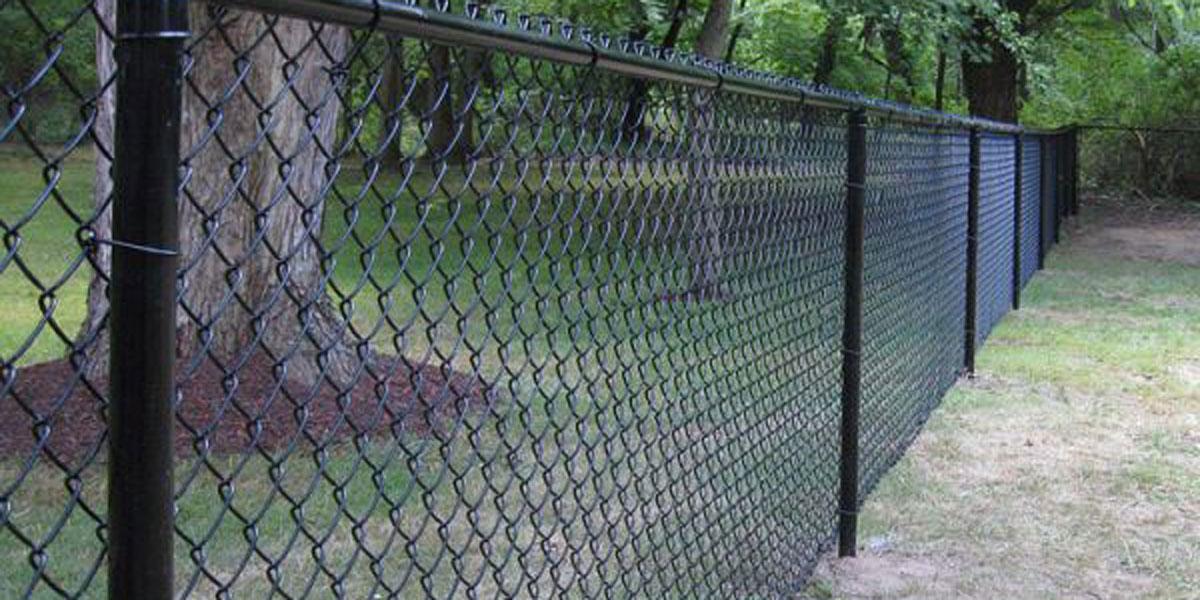
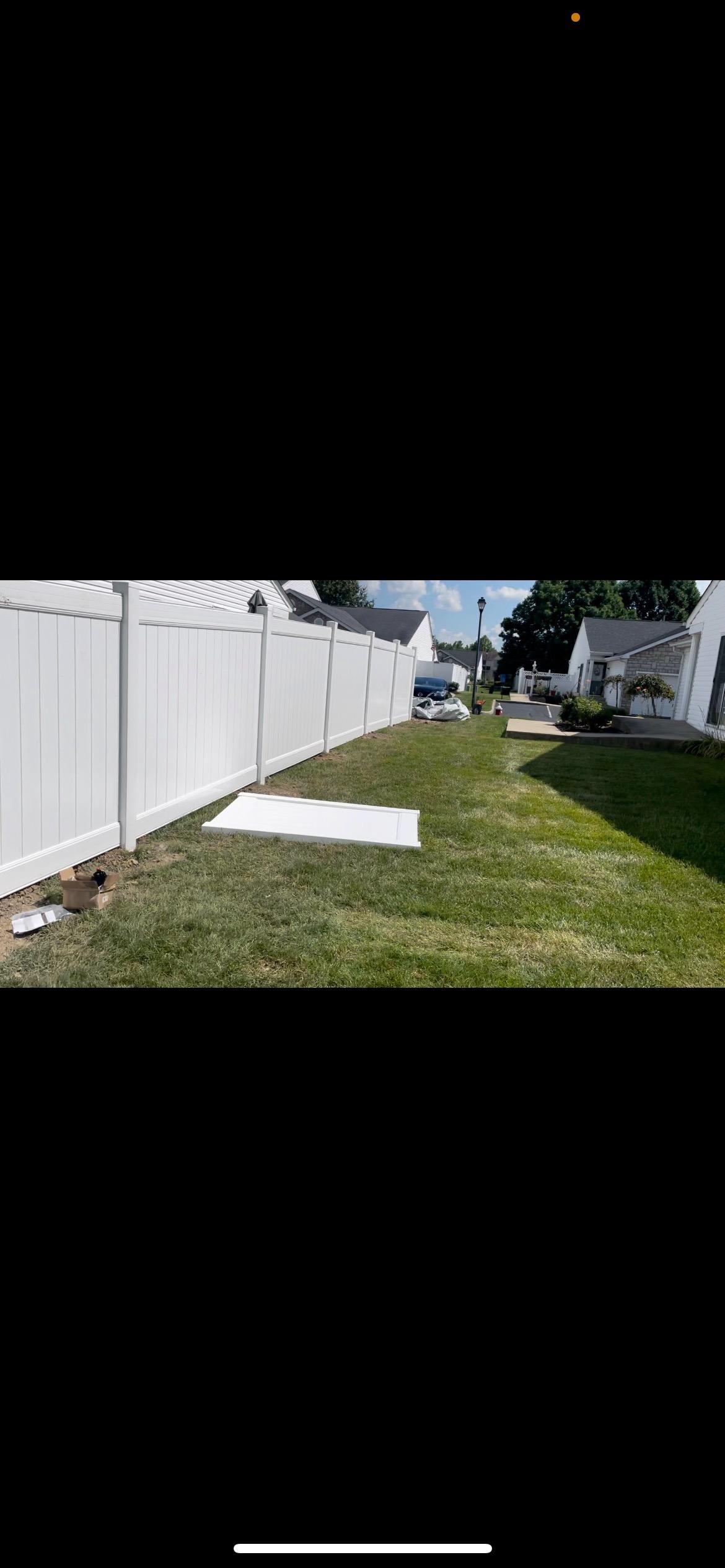
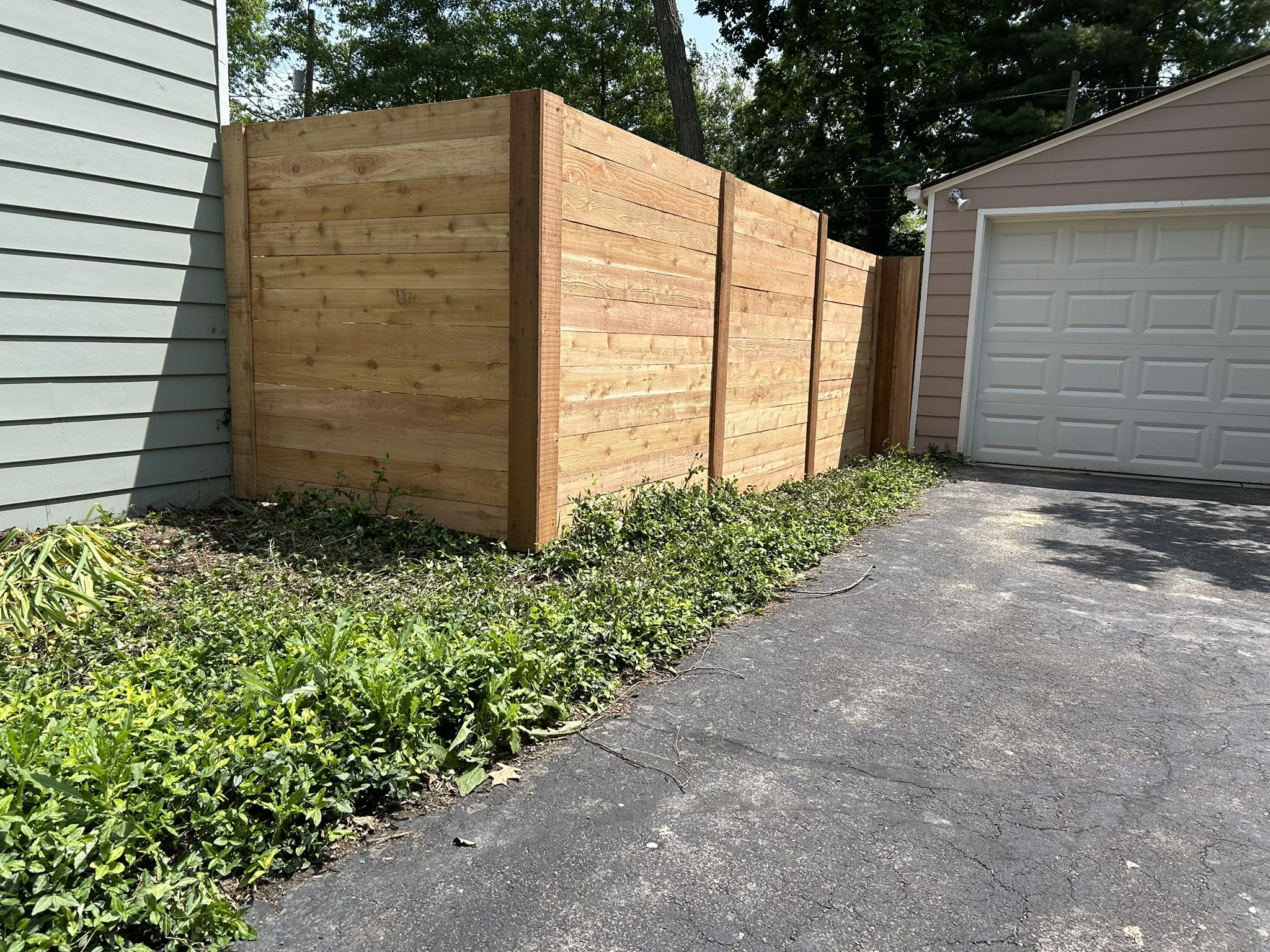
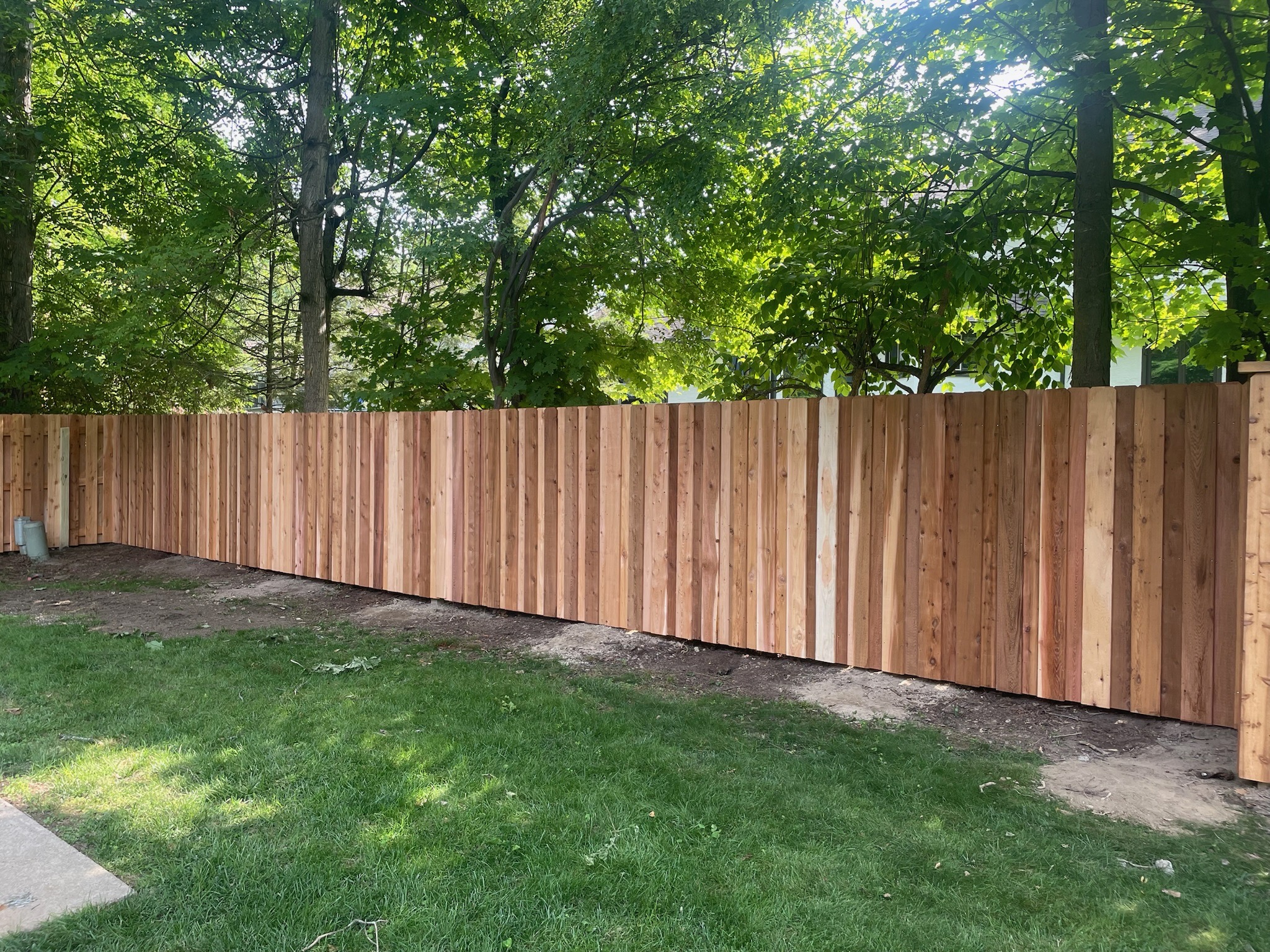
Ohio’s weather can be unpredictable, making material choice vital. Wood is a classic option, offering a natural look. However, it requires maintenance to withstand weather changes. Vinyl, on the other hand, is low-maintenance and resilient. It’s ideal for homeowners seeking convenience. For those prioritizing strength, consider aluminum or chain link. These materials offer durability and minimal upkeep, handling Ohio’s weather with ease.
Comparing Wood, Vinyl, and Chain Link Options
When choosing between wood, vinyl, and chain link, consider your priorities. Wood fences provide a timeless aesthetic, perfect for traditional homes. Yet, they can require significant upkeep. Vinyl offers versatility in design and color, often appealing to modern tastes. Chain link might lack privacy but excels in cost-effectiveness and strength. Each option has distinct benefits, catering to different needs and budgets.
Benefits of Aluminum and Farm Fencing
For a robust and stylish option, aluminum is your go-to. It mimics wrought iron but requires less maintenance. It’s a top choice for homeowners aiming for elegance and durability. Farm fencing, common in rural areas, is perfect for large properties. It’s practical, providing clear boundaries without obstructing views. Both options cater to specific needs, ensuring your property remains secure and attractive.
Planning and Budgeting for Your Project

With materials chosen, planning your timeline and budget ensures a smooth project.
Estimating Fence Replacement Costs
Calculating costs involves more than just materials. Labor, permits, and potential land surveys add to the total. Begin by obtaining quotes from multiple contractors. This step ensures competitive pricing. Remember to factor in the cost of removing the old fence. Accurate budgeting prevents surprises and keeps your project on track.
Timeline for a Successful Installation
A clear timeline aids in managing expectations. Discuss this with your contractor, covering each phase from demolition to installation. Most projects last a few days to a week, depending on size and complexity. Consider potential weather delays when planning. An upfront discussion ensures you and your contractor are aligned, promoting efficiency.
Selecting a Reliable Fence Contractor
Choosing the right contractor is crucial for project success. Look for someone with experience and local knowledge. They should be familiar with Columbus’s specific regulations. Check reviews and ask for references. A reliable contractor communicates clearly and provides detailed estimates. This choice can make or break your project, so take time to vet your options.
Frequently Asked Questions
What permits are necessary for fence installation in Columbus?
You will need to obtain a building permit from your local authority. This process involves submitting detailed plans of your proposed fence.
How do I determine my property lines for fence installation in Ohio?
Hiring a professional surveyor is the best way to determine property lines accurately. This step prevents future disputes with neighbors.
What are the best materials for fences in Ohio’s climate?
Vinyl and aluminum are excellent choices for Ohio’s climate. They require minimal maintenance and withstand weather changes well.
Why is it important to consult with my HOA before installing a fence?
HOAs have specific guidelines for fencing to maintain community aesthetics. Consulting them prevents future conflicts and ensures compliance.
How can I find a reliable fencing contractor in Columbus?
Researching online reviews and obtaining multiple quotes can help you find a reliable contractor. Ensure they have experience with local regulations.