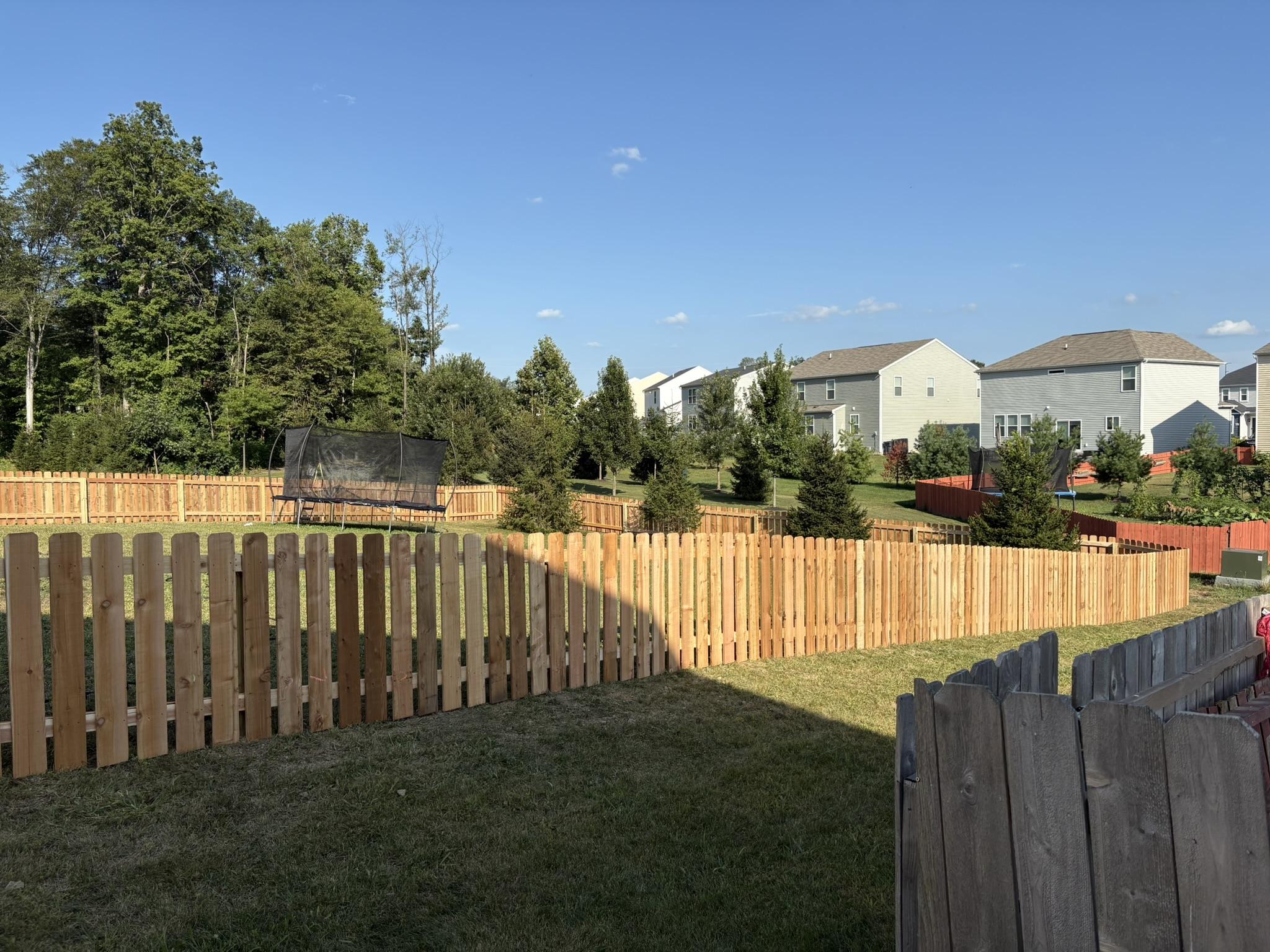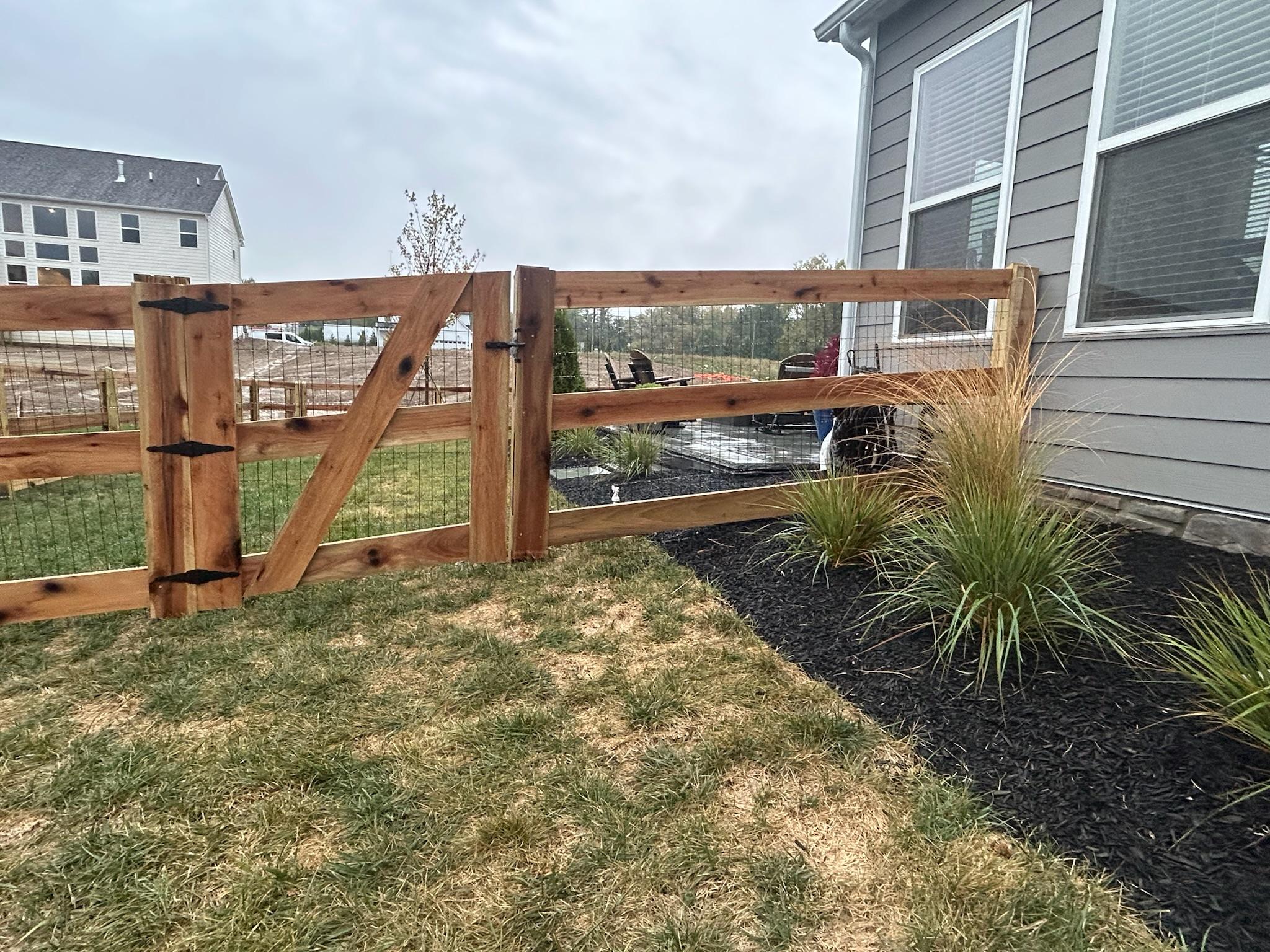

Quick Summary
A successful fence project depends on more than choosing a style. Central Ohio property owners should confirm the fence purpose, property lines, local rules, underground utilities, site conditions, materials, gates, budget and schedule before installation begins. Careful planning helps prevent avoidable disputes, rework, delays and premature fence problems. Murphy Fence LLC combines local experience with residential, commercial and custom fencing options to help property owners make practical decisions before the first post is set.
Fence installation problems often begin before the first post goes into the ground. A rushed layout, unclear property boundary, unsuitable material or overlooked local requirement can create extra cost and delay even when the fence itself is well built.
For homeowners and businesses in Central Ohio, the best way to avoid common fence installation mistakes is to treat planning, site preparation and material selection as part of the installation itself. Each decision affects how the finished fence looks, functions and holds up over time.
Plan the Fence Around Its Purpose and the Property
Before comparing materials or prices, define what the fence needs to accomplish. Privacy, pet containment, security, curb appeal, agricultural use and commercial access control can lead to very different layouts, heights, gate locations and material choices.
Confirm the Layout Before Ordering Materials
Accurate measurements matter because fence length, corners, gate openings and changes in direction all affect material quantities and labor. Walking the proposed fence line before ordering can also reveal trees, roots, retaining walls, drainage areas, slopes and narrow access points that may change the design.
A common mistake is finalizing the material order before the actual route is clear. A property-specific layout gives the contractor a better basis for estimating materials and helps prevent last-minute changes.
Verify Property Lines Instead of Guessing
A fence placed in the wrong location can create neighbor disputes or require sections to be moved. Existing mowing lines, old fence posts and landscaping are not reliable substitutes for a confirmed boundary.
Property owners should review available surveys, plats or other boundary documentation and use a qualified survey professional when the line is uncertain. In Columbus, the city specifically advises owners to know their property lines because it does not locate boundaries or mediate disputes caused by misplaced fences.
Check Local Rules, Private Restrictions and Underground Utilities
Fence requirements can vary by municipality, zoning district, lot configuration and project type. HOA rules, deed restrictions and easements can add another layer of requirements even when a fence complies with municipal zoning.
Do Not Assume Every Fence Follows the Same Permit Rules
In the City of Columbus, fences 6 feet or less generally do not require a building permit, but zoning rules can still regulate placement, height and opacity in locations such as front yards and corner lots. Fences over 6 feet require additional review and a building permit. Other Central Ohio jurisdictions may follow different rules, so requirements should be checked for the specific property before work begins.
This is especially important for commercial, multifamily and institutional sites, where additional site compliance review may apply. Planning around the correct jurisdiction prevents the common mistake of relying on a rule that applied to another property.
Coordinate HOA or Private Approval Early
If a property is subject to an HOA, deed restriction or covenant, review those documents before choosing the final fence style. Restrictions may address height, material, color, location or which side of the fence must face outward.
Waiting until materials are ordered to request approval can create unnecessary delays. Early review allows the design to be adjusted before money is committed to a configuration that may not be accepted.
Make Sure OHIO811 Is Notified Before Digging
Fence installation requires excavation for posts, so underground utility locating is a safety step rather than an optional formality. Ohio law requires the person performing the excavation to notify OHIO811 before digging. Homeowners who hire a contractor should confirm that the contractor has made the required notification.
Utility markings help reduce the risk of damaging buried facilities and allow the fence layout to be adjusted if conflicts are discovered. Treating this step as part of the schedule helps prevent avoidable work stoppages.
Choose Materials for Function, Maintenance and Central Ohio Conditions
The wrong fence material can create maintenance demands, privacy limitations or design compromises that were not obvious at the start. Material selection should reflect the fence purpose, desired appearance, exposure, budget and how much upkeep the property owner is prepared to handle.
Compare Wood, Vinyl, Aluminum and Chain Link by Use
For a traditional appearance and flexible privacy designs, wood fencing can be a strong option, but it generally requires periodic maintenance. Vinyl fencing is often selected for solid privacy and lower routine upkeep, while aluminum fencing provides an open, finished appearance with corrosion resistance. Chain link fencing can be practical for pet containment, larger perimeters and commercial security where visibility is acceptable.
Avoid choosing material on appearance alone. Think about maintenance, privacy, gate needs, expected wear and whether the fence must follow slopes or unusual property lines. The most economical choice is the one that fits the actual purpose without creating avoidable maintenance or replacement issues.
Prepare the Site Before Installation Day
Good site preparation gives installers a clearer working area and reduces the chance that obstacles will force changes during construction. Vegetation, debris, old fence components and access limitations should be identified before work begins.
Account for Slopes, Drainage, Roots and Soil
Central Ohio properties are not always flat or uniform. Slopes can affect panel alignment, roots may interfere with post locations and drainage patterns can influence where a fence should be placed. Soil conditions and seasonal freeze-thaw cycles also affect post setting decisions.
Trying to force a standard layout onto a difficult property can create gaps, uneven lines or weak sections. When the site has unusual boundaries, significant grade changes or other constraints, a tailored design is often more practical than a one-size-fits-all layout.
Treat Gates, Corners and Posts as Structural Details
Gates and corners experience repeated movement and concentrated loads, so their placement and support should be considered from the start. A gate that is too narrow, poorly positioned or inadequately supported can become a daily frustration even when the rest of the fence performs well.
Post spacing, depth and alignment also need to match the material, fence height and site conditions. Professional installation helps translate the design into a stable structure rather than simply placing panels along a line.
Avoid Budget and Timeline Mistakes
Fence budgets can become inaccurate when they focus only on the cost of panels or a simple price-per-foot estimate. The full project can also include gates, removal of an old fence, site preparation, custom sections, approvals and property-specific installation challenges.
Compare Total Project Value, Not Just the Lowest Initial Price
A lower upfront material cost does not always mean a lower long-term cost. Maintenance, repair needs and suitability for the property should be considered alongside the initial estimate.
Detailed proposals are easier to compare when the scope is clear. Confirm what is included, what site conditions have been considered and how gates or custom sections are handled before choosing based on price alone.
Build Time for Planning Into the Schedule
Permit or zoning review, HOA approval, utility locating, material availability, contractor scheduling and weather can all affect a fence project. A fixed completion date should be discussed early so there is time to address these steps before installation.
Late design changes are another common source of delays. Finalizing the material, height, layout and gate locations before scheduling helps keep the project moving.
Know When a Custom or Professional Solution Makes Sense
Some properties have conditions that standard fence packages do not address well. Slopes, curves, corner lots, irregular boundaries, mixed privacy needs and unusual gate requirements can justify a more tailored approach.
Murphy Fence LLC provides custom fencing for properties that require site-specific design and commercial fencing for businesses that need to balance security, access and professional appearance. Matching the design to the property helps avoid compromises that become obvious only after installation.
Professional planning is also valuable when owners are uncertain about property layout, material tradeoffs or local requirements. An experienced installer can identify potential conflicts early and help convert broad goals into a buildable scope.
Why Local Fence Planning Matters in Central Ohio
Murphy Fence LLC brings more than 20 years of fencing experience to residential and commercial projects across Central Ohio. Local familiarity helps when evaluating weather exposure, property conditions, material choices and the practical steps that come before installation.
The company offers wood, vinyl, aluminum, chain link, farm, custom and commercial fencing. A consultation allows property owners to discuss priorities, site conditions and budget before finalizing the project.
Plan Your Fence With Fewer Costly Surprises
A successful fence starts with accurate information. Confirm the boundary, understand the rules that apply to the property, make sure underground utilities are addressed, choose a material for the actual use and give the schedule enough room for planning.
Taking these steps does not make the project more complicated. It reduces uncertainty and helps the finished fence perform as intended. Murphy Fence LLC can help Central Ohio property owners move from an initial idea to a practical fence plan built around the site.
Frequently Asked Questions
What should I do before installing a fence in Central Ohio?
Define the fence purpose and layout, confirm property lines, review local zoning and any HOA or deed restrictions and make sure OHIO811 is notified before excavation. Material choice, gates, site conditions, budget and scheduling should also be settled before installation.
Do I need a permit to install a fence in Columbus, Ohio?
It depends on the fence and property. In Columbus, fences 6 feet or less generally do not require a building permit, although zoning rules can still regulate placement, height and opacity. Fences over 6 feet require a building permit. Other municipalities may have different requirements.
How can I avoid putting a fence on the wrong property line?
Review an existing survey or plat and do not rely only on landscaping, mowing lines or an old fence. If the boundary is uncertain, use a qualified survey professional before the new fence is installed.
Why is OHIO811 important for fence installation?
Fence posts require digging, which can conflict with buried utilities. Ohio requires the person performing the excavation to notify OHIO811 before digging so registered underground facilities can be identified and marked.
Which fence material is easiest to maintain?
Vinyl and aluminum are commonly chosen for relatively low routine maintenance. Wood offers a natural look and design flexibility but generally needs more periodic care. Chain link is practical for many functional applications. The best choice depends on privacy, appearance, security and site needs.