
Quick Summary
Fence rules in Columbus depend on the exact property, the type and height of the fence and the part of the lot where it will be installed. Within the City of Columbus, fences 6 feet or less generally do not require a building permit, but zoning rules still control placement and visibility in certain locations. Front yards, corner lots, fences over 6 feet, commercial sites, historic districts, pool areas and properties with private association rules can require extra review, so confirming requirements before installation helps prevent delays and rework.
Columbus fence regulations can affect a project before the first post is set. Height, placement, visibility, property lines, permit thresholds and private restrictions can all change what is allowed on a specific parcel. A fence that is acceptable on one property may not be acceptable a few streets away if the zoning district, lot configuration or governing jurisdiction is different.
The most reliable approach is to confirm the rules for the exact property before ordering materials or scheduling installation. Current City of Columbus guidance also makes an important distinction between building permits and zoning requirements. A fence may not need a building permit and can still be subject to zoning rules that control where it can be placed.
Start by Identifying Which Rules Govern the Property
City of Columbus Rules Versus Surrounding Jurisdictions
A Columbus mailing address does not always tell you which zoning authority controls the project. Properties across Central Ohio may fall within the City of Columbus or another city, village or township, and requirements can differ across Franklin, Delaware, Licking and Fairfield county areas. That is why broad county guidance should be treated as a starting point rather than a substitute for parcel-specific verification.
Murphy Fence LLC serves properties across its Central Ohio service areas and can help property owners organize the information needed to plan a fence around the applicable local requirements.
HOA, Deed and Easement Restrictions Are Separate
Municipal approval does not automatically satisfy private restrictions. Homeowners associations, civic associations, recorded covenants and easements may impose additional limits on fence height, color, material, style or location. The City of Columbus does not enforce private deed restrictions or easements, so owners should review both public rules and private property documents before construction begins.
Know the Core Columbus Fence Permit and Height Rules
Fences 6 Feet or Less
Current City of Columbus guidance states that fences 6 feet or less in height are not regulated as a structure and do not require a building permit. In a rear yard, a fence of 6 feet or less may generally be placed without a setback from the property line. That does not remove the need to know where the property line actually is, and it does not override front yard, corner lot, visibility, easement or private association requirements.
Fences Over 6 Feet
A fence over 6 feet is treated differently. In Columbus, fences above that threshold are regulated as structures, are subject to setback requirements and require a building permit. Taller privacy fencing should therefore be reviewed before materials are purchased or posts are laid out.
Commercial and Multifamily Sites
Commercial projects can involve more than a standard residential review. Columbus guidance states that multifamily, commercial, office, manufacturing and institutional projects may require a Final Site Compliance Plan before a fence is installed. Businesses planning commercial fencing should account for zoning, access, visibility, site circulation and any project-specific plan review before installation.
Placement, Property Lines and Visibility Matter as Much as Height
Verify the Property Line Before Installation
One of the most expensive fence mistakes is placing a new fence on the wrong side of a property line. The City of Columbus does not locate property lines or resolve disputes caused by a misplaced fence. A recent survey or other reliable boundary documentation can help the owner and installer work from the correct line instead of relying on an old fence, landscaping or a neighbor’s assumption.
Front Yards and Corner Lots Need Extra Attention
Front yard and corner lot fences can affect driver and pedestrian visibility, so Columbus regulates location and opacity in those areas. A fence that is acceptable in a rear yard may create a sight-distance problem near a driveway or intersection. Property owners should seek zoning review before installing a front yard fence or a fence on a corner lot, especially when the design is solid or privacy-oriented.
Rights-of-Way and Easements Can Limit Placement
Public rights-of-way, utility easements and other recorded restrictions can affect where a fence can be installed. A survey or site plan should show the proposed fence in relation to streets, sidewalks, driveways and known easements. If the project affects a public right-of-way, additional authorization may be required beyond ordinary fence planning.
Special Situations Can Trigger Additional Review
Historic Districts
Properties in historic districts may be subject to design review in addition to ordinary zoning. Material, style, height and visibility from the street can all matter because the goal is to preserve the district’s character. Owners should confirm historic review requirements before selecting a fence that could be difficult or expensive to change later.
Pool and Safety Barriers
Pool enclosures are not simply decorative fences. They are safety barriers and may be subject to separate height, gate and access requirements. If a fence is part of a pool project, the pool rules should be reviewed together with the zoning rules instead of treating the fence as an ordinary backyard installation.
Custom Layouts and Unusual Lots
Slopes, irregular boundaries, shared driveways and unusual lot shapes can make standard layouts impractical. A custom fence solution can be planned around the property while still accounting for visibility, gate access and applicable local restrictions.
Prepare a Permit-Ready Fence Plan Before Work Starts
Create a Clear Site Plan
A useful site plan should show the property, the proposed fence line and enough measurements to understand the relationship between the fence and nearby streets, sidewalks, driveways, structures and lot boundaries. The plan should also identify the intended height, material and gate locations. Clear information makes it easier to determine whether the project needs a building permit, zoning review or additional site approval.
Confirm the Material and Design
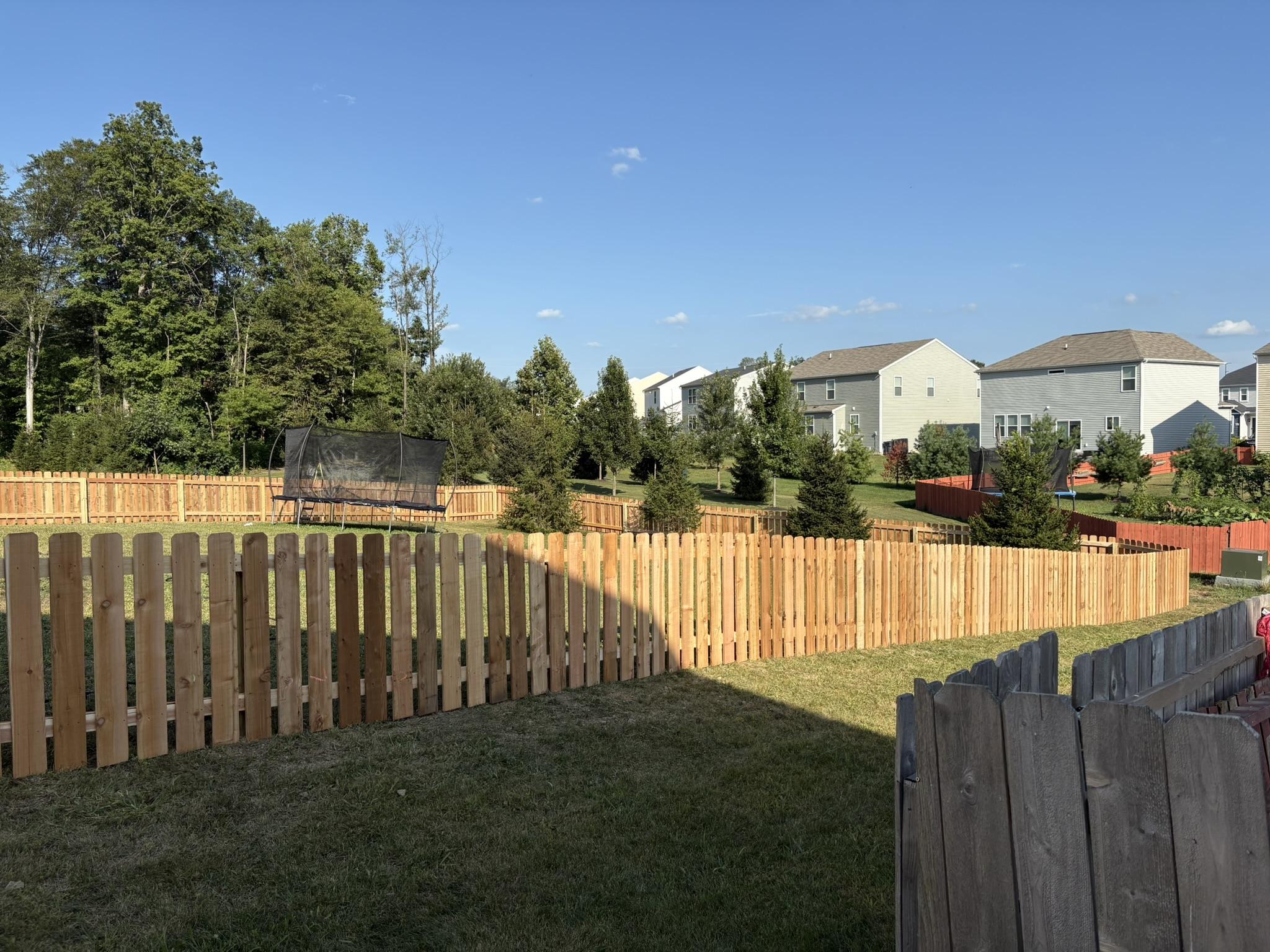
The material can affect both appearance and how the fence functions on the property. Wood fencing can provide privacy and a traditional look. Vinyl fencing is often selected for privacy with lower routine maintenance, while aluminum fencing maintains open sightlines and a finished appearance. The right choice should satisfy both the property’s functional goals and any rules that apply to visibility, style or private association standards.
Contact OHIO811 Before Digging
Utility marking is a safety step, not a zoning formality. Before digging post holes, property owners and contractors should notify OHIO811 so participating underground utility facilities can be marked. This reduces the risk of damaging buried lines and helps the installation team plan post locations safely.
Avoid the Most Common Fence Regulation Mistakes
Do Not Assume Every Fence Needs the Same Permit
The source articles repeatedly warn about permit mistakes, but the current City of Columbus distinction is important: a fence 6 feet or less generally does not need a building permit, while a fence over 6 feet does. Zoning, front yard, corner lot and other location rules can still apply even when a building permit is not required.
Do Not Use a Neighbor’s Fence as Your Legal Reference
A nearby fence may have been installed under a different zoning condition, approved through a variance, built before current rules or placed incorrectly. Use the actual requirements for the property rather than assuming an existing fence nearby proves that the same design is allowed.
Do Not Order Materials Before Checking Private Restrictions
HOA approval and recorded restrictions can affect materials, colors and heights even when the city would otherwise allow the fence. Confirming those rules early helps avoid paying for materials that cannot be used as planned.
Do Not Skip Property and Utility Verification
A fence can be technically well built and still create a problem if it crosses a boundary, conflicts with an easement or is installed before underground utilities are marked. Survey information, a clear layout and utility marking should be part of the planning process, not last-minute checks.
Work With a Local Fence Contractor Who Plans for Compliance
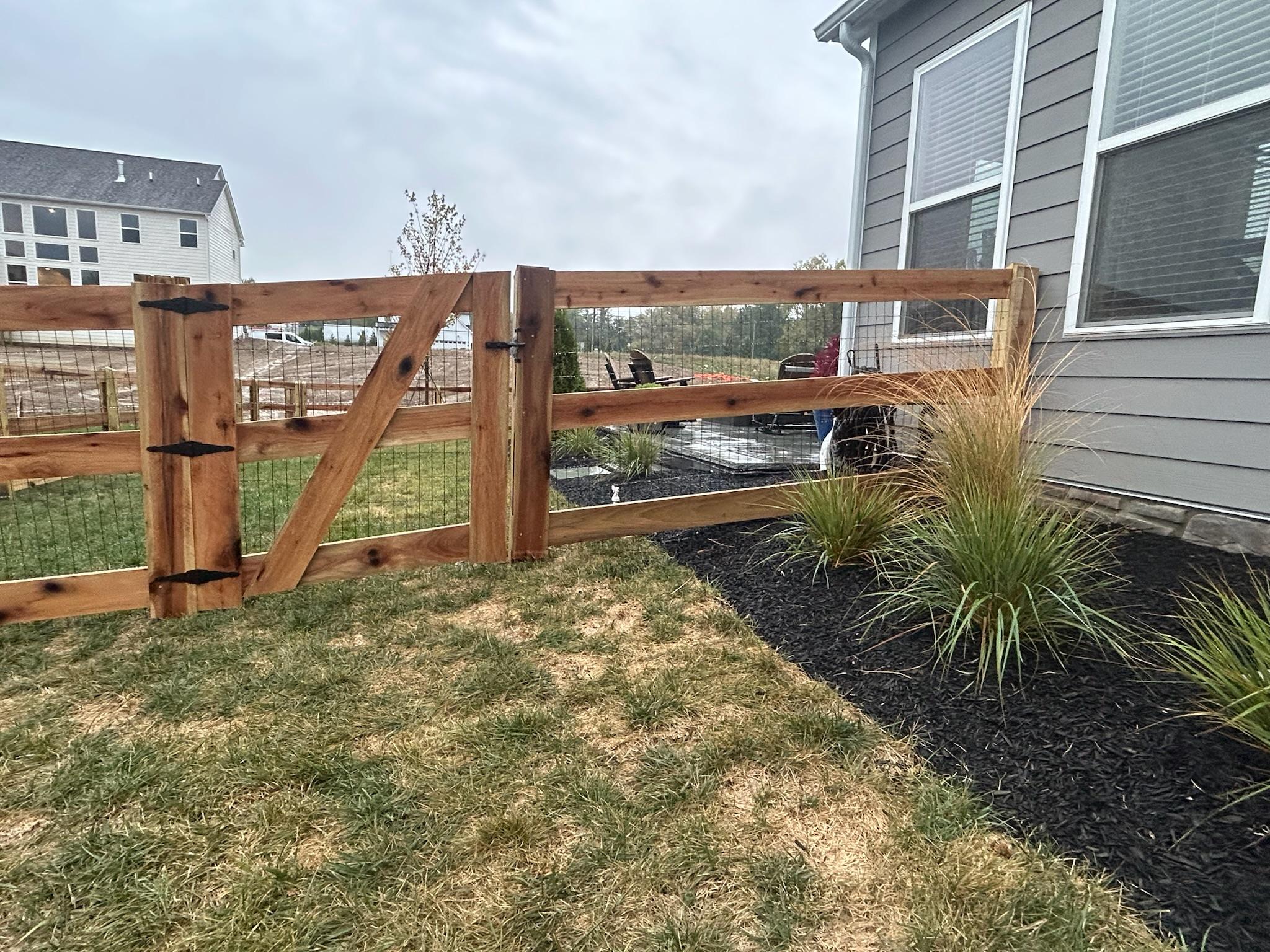
Fence regulations are easier to manage when design, material selection and site conditions are considered together. Murphy Fence LLC brings more than 20 years of fencing experience to residential and commercial projects in Central Ohio. The company works with wood, vinyl, aluminum, chain link, farm, custom and commercial fencing and can help property owners plan an installation around the needs of the site.
The important first step is confirming the rules that apply to the exact parcel. Once height, placement, visibility, private restrictions and any required approvals are clear, the fence can be designed around the property instead of forcing the property to fit a preselected fence.
Frequently Asked Questions
Do I need a permit to build a fence in Columbus, Ohio?
For a typical fence 6 feet or less in height, current City of Columbus guidance says a building permit is not required. Zoning rules can still regulate placement and visibility, especially in front yards and on corner lots. Fences over 6 feet require a building permit, and commercial or other nonresidential sites may involve additional review.
How tall can a residential fence be in Columbus?
Six feet is the key building-permit threshold in current Columbus guidance. A fence over 6 feet is regulated as a structure and requires a permit. Front yard and corner lot conditions can impose additional limits or visibility requirements, so height should be confirmed for the exact location on the lot.
Can I put a fence directly on my property line?
In a rear yard within the City of Columbus, a fence 6 feet or less may generally be placed with no setback from the property line. The owner still needs to know where that line is. Easements, rights-of-way, front yard rules, corner lot visibility requirements and private restrictions can affect the final placement.
Do HOA rules replace Columbus fence regulations?
No. HOA or deed restrictions are separate from municipal rules. A fence may satisfy city zoning and still violate a private covenant, or it may satisfy an HOA rule but still require municipal review. Property owners should check both sets of requirements before installation.
Should I contact OHIO811 before installing a fence?
Yes. Fence posts require digging, and OHIO811 advises property owners and professionals to submit a utility locate request before excavation. Marking underground facilities helps reduce the risk of service damage, injury and avoidable project delays.