

The Homeowner and Business Owner’s Guide to Fence Permits in Columbus, Franklin, Delaware, Licking, and Fairfield Counties
Getting a fence up in Columbus or nearby Ohio counties isn’t just about picking materials and styles. You have to navigate Columbus fence permits, Franklin County fence regulations, and rules in Delaware, Licking, and Fairfield counties—and missing a step can delay your project. That’s where Murphy Fence LLC steps in: we handle the paperwork, verify local codes, and guide you through fence height and setback rules so your installation starts on time and meets all requirements. Learn more about navigating local fence regulations and permits in Columbus, Ohio.
Understanding Columbus Fence Permits
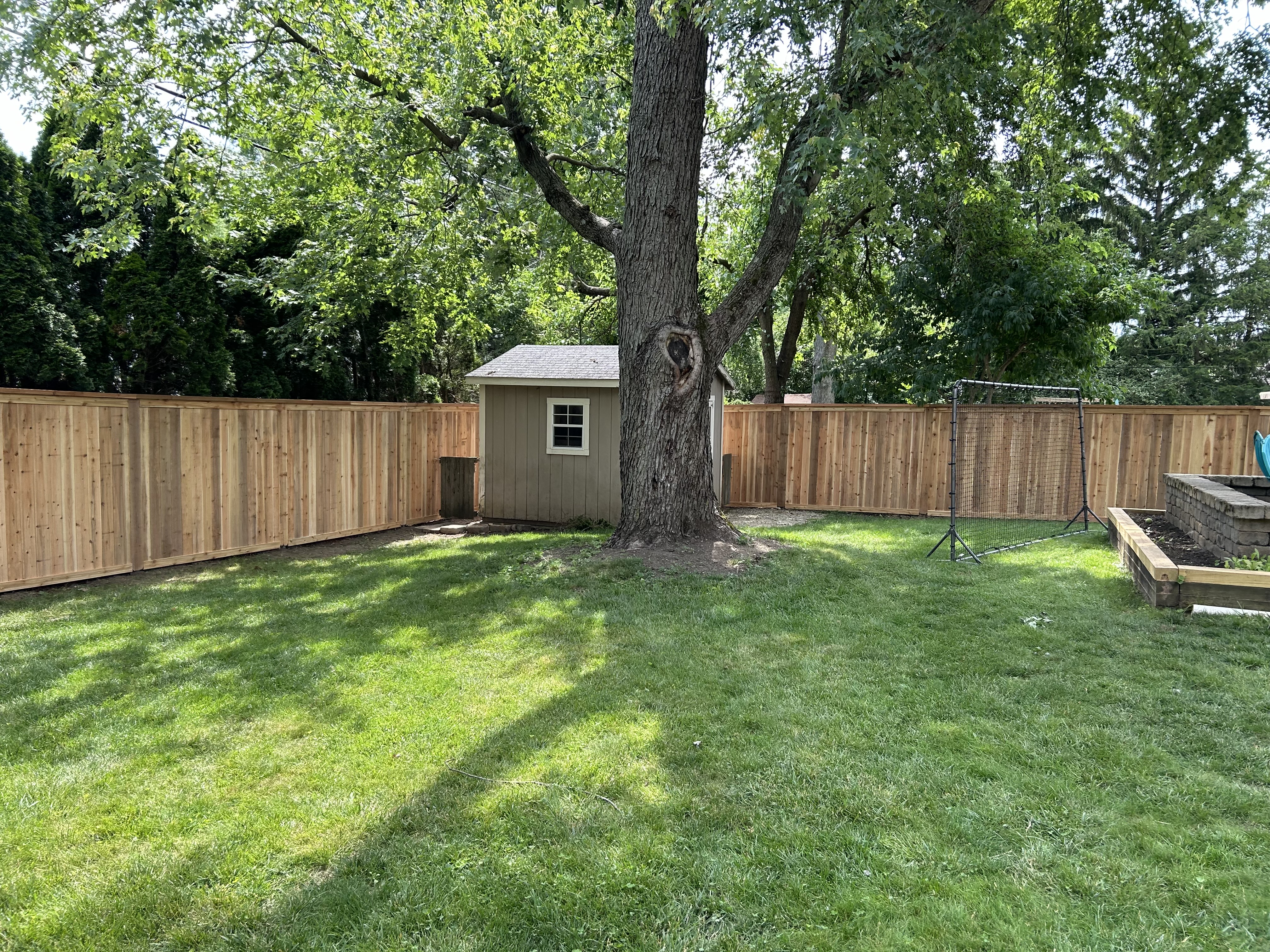
When planning a fence in Columbus, understanding the permit process is crucial. It’s not just about the fence; it’s about ensuring everything meets local standards.
Key Regulations and Requirements
In Columbus, permits are essential if your fence exceeds certain heights or is located near public spaces. The Columbus fence permits process ensures your installation doesn’t violate local codes. To get started, you’ll need to check the city’s requirements. They outline important details, such as setbacks and materials.
Permits help maintain neighborhood appearance and safety. Ignoring this step can lead to fines or mandatory alterations. It’s best to understand these aspects before you start digging. If you’re unsure, consulting a professional can save you time and stress.
Preparing Your Permit Application
Preparing your permit application correctly can save you headaches. Start with gathering necessary documents. This includes property lines and planned fence details. It’s vital to present clear, precise plans to the local authorities.
Next, submit your application to the city’s zoning office. Attach all required documents and pay any associated fees. Processing times can vary, so it’s wise to apply early. You can find more information on the Columbus city website.
Common Mistakes to Avoid
Even small errors can delay your project. A frequent mistake is not verifying property lines. This can lead to disputes with neighbors or legal issues. Another oversight is using prohibited materials. Always check local guidelines to avoid non-compliance.
Incomplete applications also cause delays. Double-check all information before submission. If you need help, experts at Murphy Fence LLC are ready to guide you through the process, ensuring your project starts on time.
County-Specific Fence Rules

Each Ohio county has its own set of rules. Knowing these rules can prevent unnecessary delays and ensure your fence meets all legal requirements.
Franklin County Fence Regulations
In Franklin County, specific regulations dictate where and how you can build fences. Understanding these rules is essential for a smooth project. The county has established guidelines to maintain safety and aesthetics in communities. Check out detailed information on the county website.
Common regulations include height restrictions and setback rules. These help maintain visibility and neighbor relations. It’s crucial to adhere to them to avoid penalties. If you’re planning a project, consulting local guidelines is a must.
Delaware County Fence Codes
Delaware County has unique codes to consider. These codes ensure that all installations meet safety and community standards. Start by reviewing local zoning laws and any specific neighborhood restrictions.
Height and material limitations are common, so review these before purchasing materials. For a worry-free process, contact experts familiar with Delaware County codes to guide you through each step, ensuring compliance from start to finish.
Licking and Fairfield County Requirements
Licking and Fairfield counties also have specific requirements for fences. These can vary significantly from other areas, making it vital to research thoroughly. Regulations often cover height and proximity to roads or other properties.
Before beginning any project, ensure you have a clear understanding of these local laws. Doing so helps avoid fines and ensures your fence is up to code. Consulting with professionals who understand local regulations can provide peace of mind.
Ensuring Compliance and Smooth Process

Compliance is key to a successful fencing project. Understanding the rules ensures a smooth installation and avoids potential legal issues.
Fence Height and Setback Rules
Height and setback rules are critical in fence installation. They ensure your fence doesn’t obstruct views or violate property lines. In Columbus, these rules vary based on location and fence type. Reviewing local regulations helps in planning an appropriate design.
Ignoring these rules can lead to costly changes. Always verify requirements before starting. If you’re unsure, experts like Murphy Fence LLC can help navigate these complexities, ensuring your project meets all local standards.
Navigating Property Line Laws in Ohio
Property line laws in Ohio are specific. They determine how close a fence can be to a neighbor’s property. Understanding these laws is vital to avoid disputes. Always verify exact property lines before installation.
Engaging a surveyor can provide clarity and prevent future issues. For homeowners, knowing these laws ensures your investment is protected. Professional guidance can further simplify the process, preventing costly mistakes.
Why Choose Murphy Fence LLC
Choosing the right partner is crucial for a successful project. Murphy Fence LLC offers expertise and quality. With over 20 years in the industry, we provide reliable, custom solutions tailored to your needs.
Our team handles everything from permits to installation, ensuring a seamless process. We prioritize customer satisfaction, offering clear communication and expert advice. Trust Murphy Fence LLC to deliver a fence that enhances your property and meets all necessary regulations.
www.murphyfencellc.com