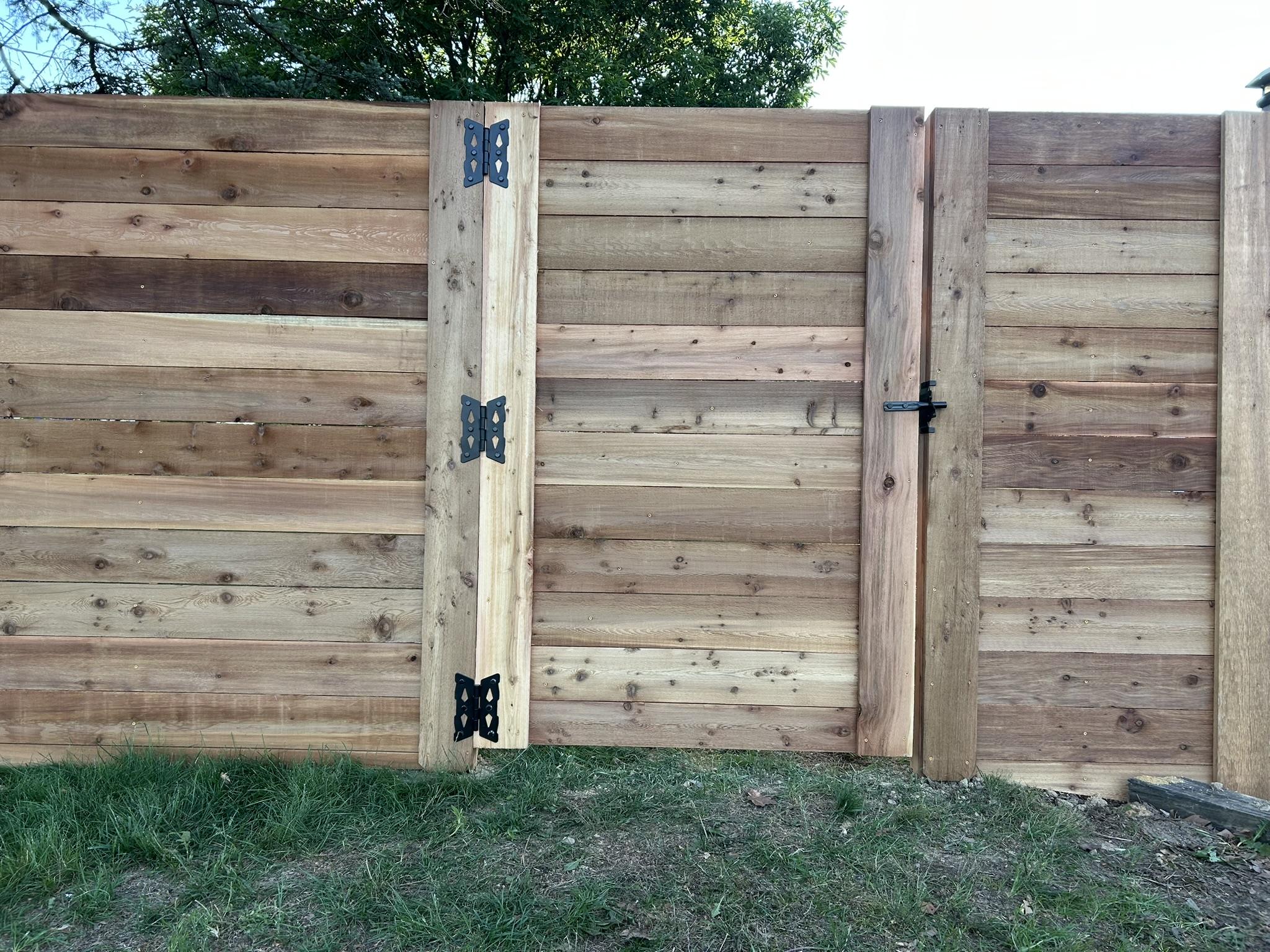
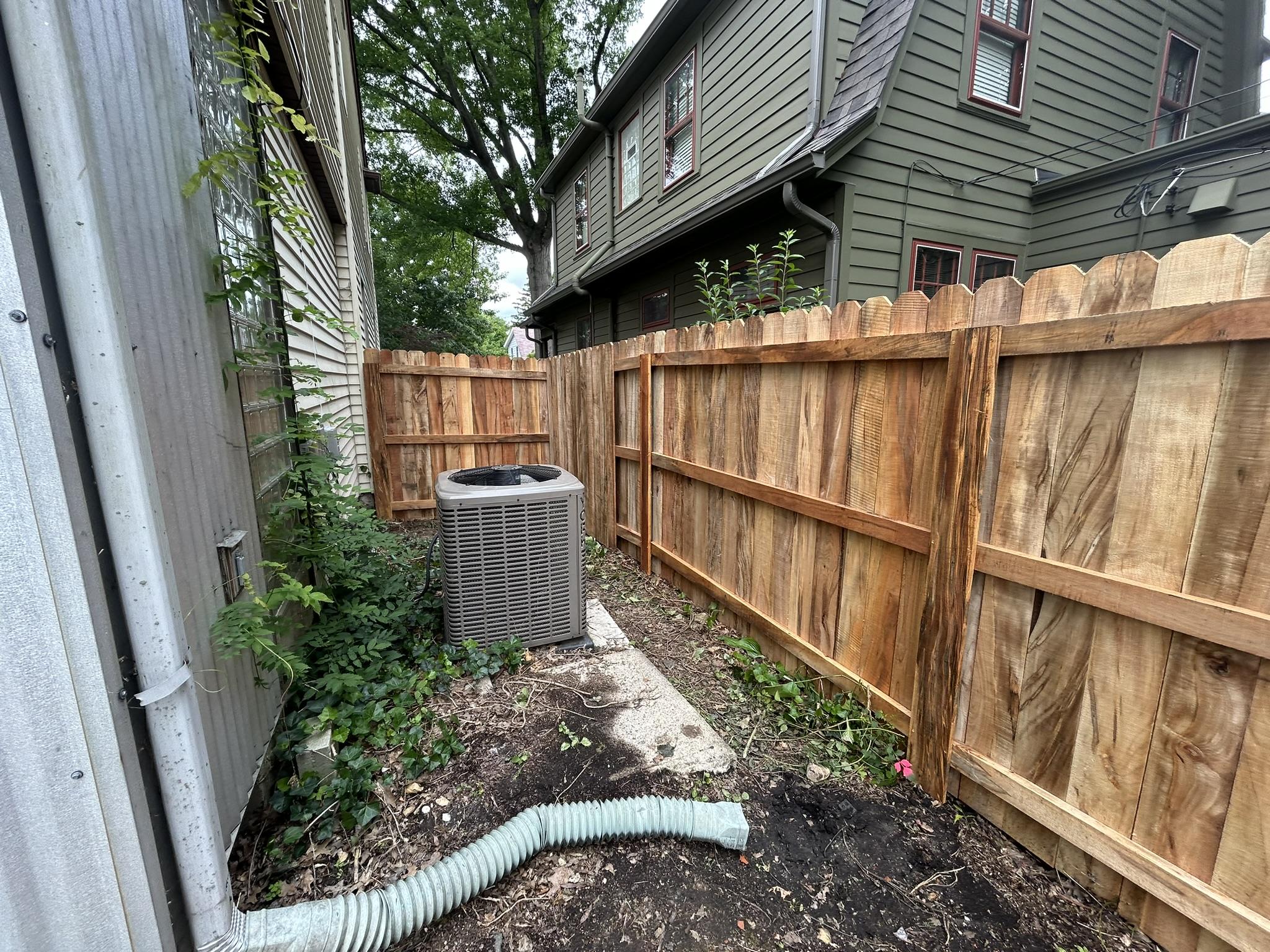
Replacing an old fence in Columbus takes more than just picking a style you like. You need to consider local rules, property lines, and the best materials for Ohio’s freeze-thaw cycles. Knowing these details upfront saves you time, money, and headaches. This guide covers everything you should check before starting your Columbus fence replacement project. For more homeowner tips, visit this resource.
Key Considerations for Fence Replacement
Replacing your fence involves more than just picking new materials. To avoid future issues, it’s crucial to understand local codes, survey property lines, and locate utilities properly.
Understanding Local Codes and HOA Rules
Before starting your fence project, check the local codes and Homeowner Association (HOA) rules. These regulations can dictate fence height, style, and even materials. Ignoring them can lead to fines or required modifications. In Columbus, specific rules may apply depending on your neighborhood. Contact your local city planning department or HOA for guidance. For more information on homeowners insurance, visit this link.
Importance of Property Line Surveys
Knowing exactly where your property lines are can prevent disputes with neighbors. A property line survey helps ensure your fence is on your land, not theirs. This step is essential before installing a new fence. Hire a professional surveyor for accuracy. This investment can save you from costly boundary disagreements later on. For advice on homeowner associations, consider this resource.
Navigating Utility Locates in Ohio
Utilities hidden underground can be a hazard during fence installation. In Ohio, calling 811 is a must before digging. This service will mark utility lines, helping you avoid damage and service interruption. Not calling can result in hefty repair bills. Plan ahead to ensure a smooth installation process.
Choosing the Right Fencing Material
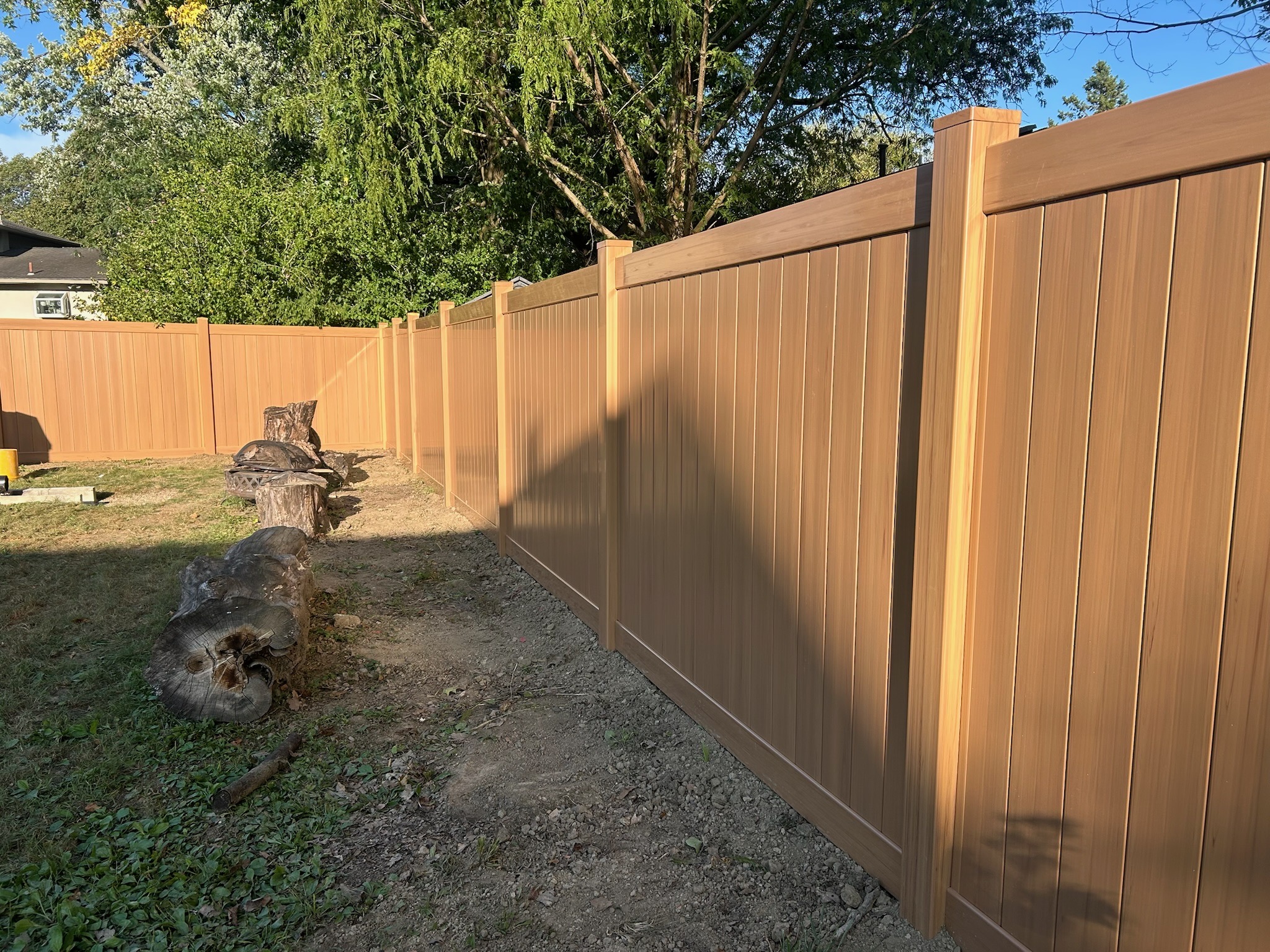
With regulations and boundaries in mind, your next step is choosing the right material. The choice impacts durability, maintenance, and budget.
Benefits of Wood and Vinyl Fences
Wood fences are classic and offer privacy. They can be stained or painted to match your home. However, they require regular maintenance to prevent rot. On the other hand, vinyl fences are low-maintenance and weather-resistant, making them great for Ohio’s climate. They come in various styles and colors, offering versatility without the upkeep of wood. Learn more about homeowners insurance options for added peace of mind.
Aluminum vs. Chain Link Options
Aluminum fences are durable and rust-resistant. They work well for decorative purposes, offering elegance without sacrificing strength. Chain link fences, while not as stylish, are cost-effective and secure. They are ideal for large areas or when budget constraints are a factor. Consider your property’s needs and aesthetic preferences when selecting between the two.
Assessing Durability and Budget
Evaluate how long you want the fence to last versus how much you’re willing to spend. High-quality materials may cost more upfront but save money over time with reduced maintenance and replacement needs. Balance initial costs with long-term value for the best results.
Selecting a Reliable Fence Contractor

Once you’ve decided on materials, finding the right contractor is key to a successful project.
Evaluating Local Expertise in Columbus
A contractor familiar with local conditions and regulations can make a big difference. Look for one with extensive experience in Central Ohio, such as Murphy Fence LLC. Their expertise ensures your fence meets local codes and withstands Ohio’s weather. Consider their reputation and customer reviews when making your choice.
Importance of Written Estimates and Warranty
Request written estimates from potential contractors. These should detail costs, timelines, and materials used. A comprehensive estimate helps avoid misunderstandings later. Additionally, inquire about warranties on workmanship and materials. This provides peace of mind and protects your investment.
Scheduling Your Consultation and Quote
Contact Murphy Fence LLC to schedule a consultation. During this meeting, discuss your needs, budget, and timeline. This step is crucial for aligning expectations and ensuring a smooth project execution. A reliable contractor will guide you from the first consultation to the final post installation.
Frequently Asked Questions
What permits are needed for a fence in Columbus, Ohio?
In Columbus, a fence permit is typically required. You should check with the city’s building department for specific requirements and ensure compliance with local regulations.
How deep should fence posts be for Ohio’s freeze-thaw cycles?
Fence posts in Ohio should be set at least 36 inches deep. This depth helps prevent shifting during freeze-thaw cycles, ensuring stability and longevity.
What is the best fencing material for privacy in Columbus?
For privacy, wood and vinyl fences are popular choices in Columbus. They offer solid barriers that block views and noise, with vinyl requiring less maintenance than wood.