Uneven yards and unusual property lines can turn fence installation Columbus projects into a real challenge. Slopes, curves, and grade changes demand more than just standard fencing—they call for smart planning and skilled craftsmanship. In this post, you’ll learn how to handle sloped yard fencing, stepped fence installation, and the details that keep your fence looking great and lasting longer. Ready to tackle your unique lot with confidence? Check out this resource for common mistakes to avoid during installation.
Understanding Your Property’s Challenges
To install a fence that stands the test of time, understanding your property is essential. Let’s dive into assessing slopes and managing irregular property lines.
Assessing Slopes and Grades
When your yard isn’t flat, special steps are necessary. First, you need to identify how steep the slopes are. This will guide you in choosing the right fencing method. Steep slopes may require specific techniques like terracing or creating retaining walls to level the area. A gentle slope can be managed with racked fence panels, which adjust to the slope of the ground.
It’s also important to consider how water flows across your property. Poor drainage can lead to fence damage. If water pools near the fence, it can cause posts to rot or metal to rust. It’s wise to address drainage issues before installing a fence. This ensures that your fence remains sturdy over time, even in heavy rain.
Navigating Irregular Property Lines
Irregular property lines are another challenge. These can make it tricky to measure and plan your fence. It’s crucial to know exactly where your property ends to avoid disputes with neighbors. A property survey helps you establish clear boundaries.
Poor planning can lead to costly mistakes. If your fence encroaches on a neighbor’s property, you might be forced to take it down. To avoid this, use landmarks like trees or stones to guide you, but always confirm with a survey. Remember, a well-planned fence respects boundaries and enhances the look of your property.
Importance of a Property Survey
A property survey is a small investment for peace of mind. It shows exactly where your property lines are. With a survey, you can confidently place your fence without fear of encroachment. It also helps in obtaining permits, as local regulations often require one.
A surveyor will mark the corners of your property with stakes. They may also provide a map detailing the dimensions. This eliminates guesswork and ensures your fence is correctly placed. Having a survey before installation helps avoid future legal issues, making it a wise step in the fencing process.
Choosing the Right Fencing Solutions

Having assessed your land’s unique traits, the next step is choosing the right materials and techniques for your fence. Let’s explore materials and installation methods that fit uneven yards.
Materials for Uneven Yards
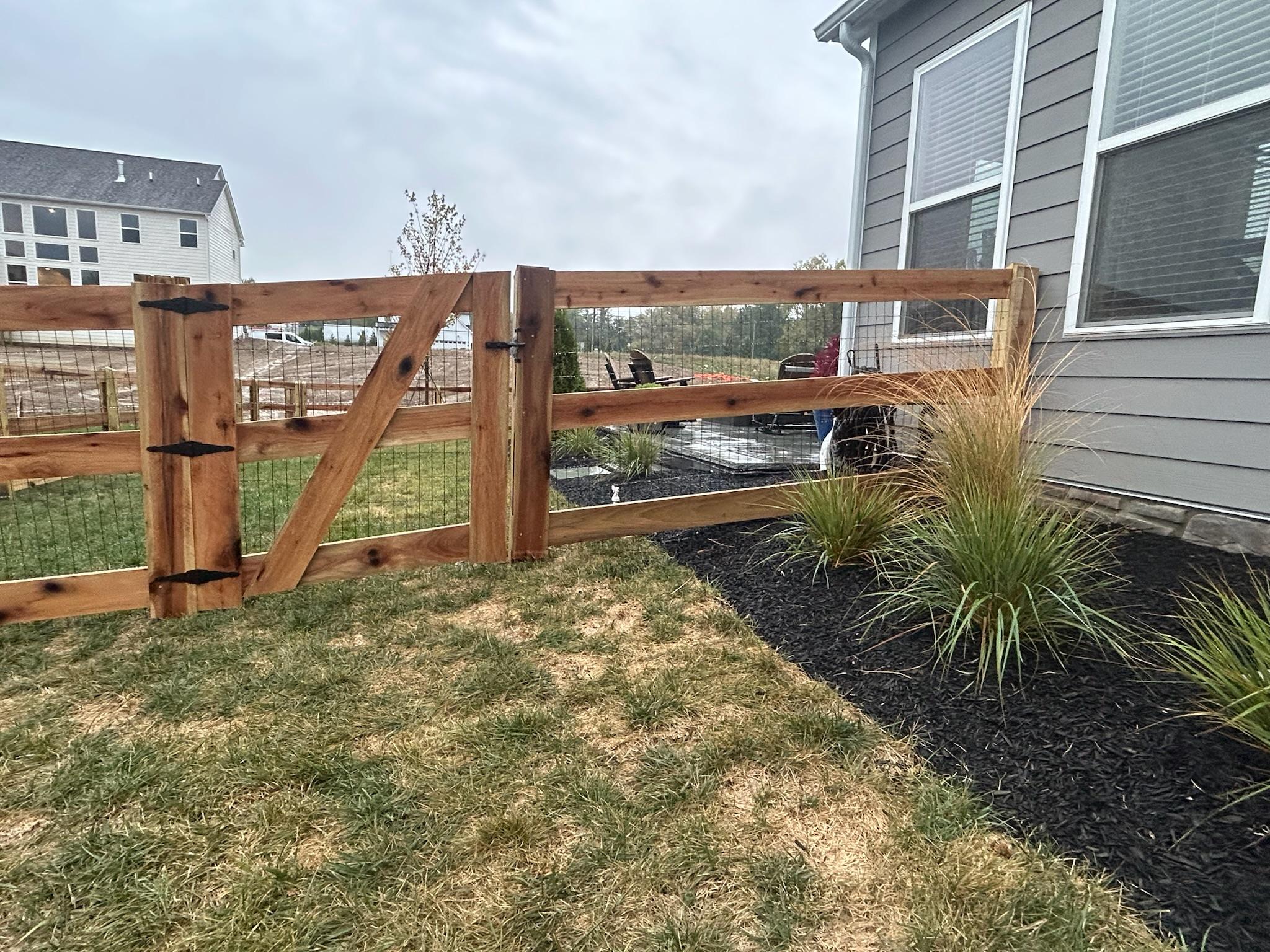
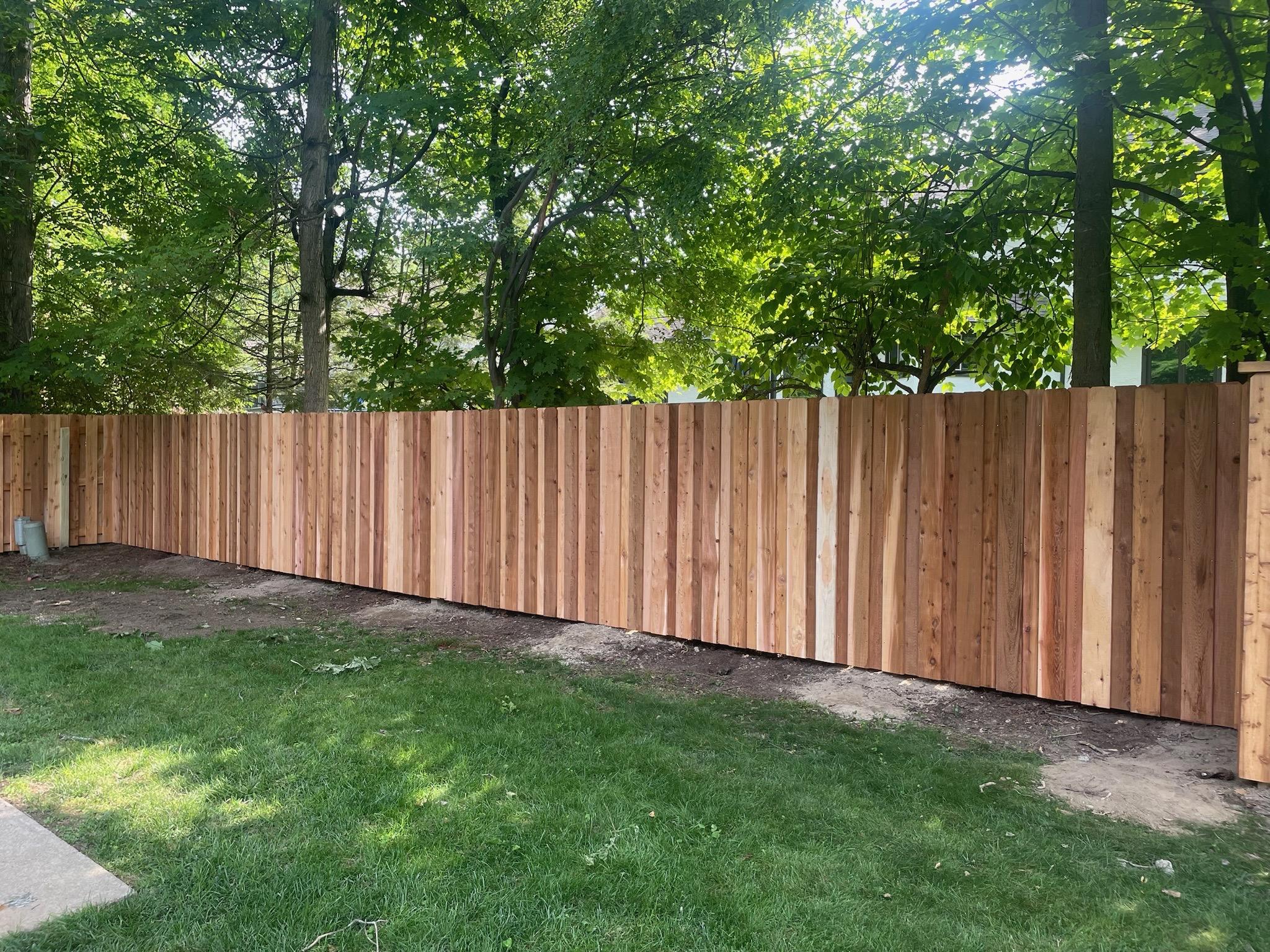
Selecting the right material is crucial for uneven yards. Wood is a popular choice due to its versatility and aesthetic appeal. It can be cut to fit various slopes and curves. Vinyl is another great option for its durability and low maintenance. It’s flexible, making it suitable for racked fence panels.
For a more industrial look, consider aluminum or chain link. These materials are strong and can be adapted to different terrains. When choosing materials, consider the climate in Columbus. Moisture-resistant options are ideal to prevent rot in humid weather. Consult with Murphy Fence LLC to select the best material for your yard’s conditions.
Racked vs. Stepped Fence Techniques
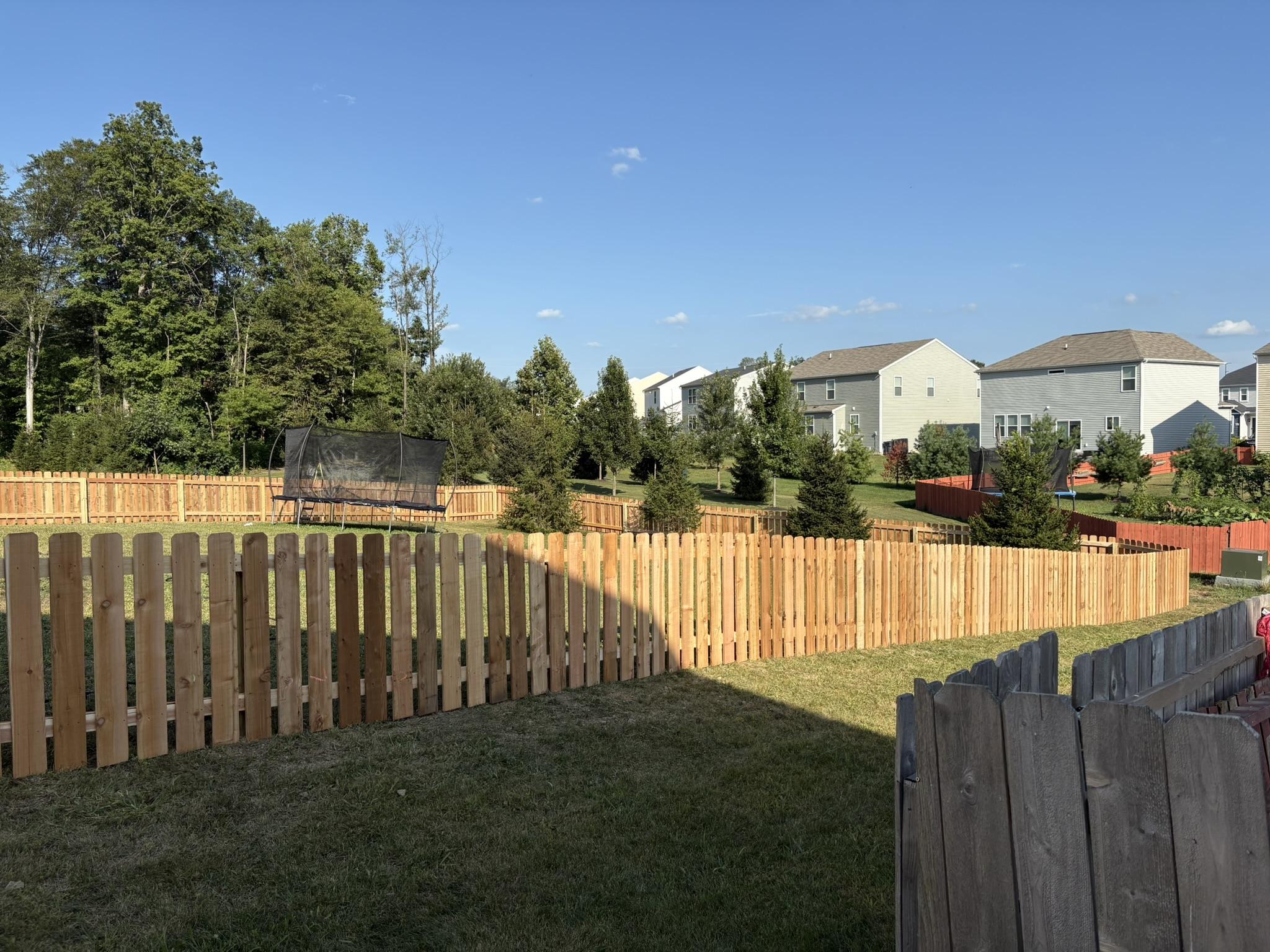
Two common techniques for sloped fencing are racked and stepped fences. A racked fence follows the contour of the land. This method is best for gentle slopes, as it creates a smooth, continuous line. It involves adjusting the angle of the rails to match the ground’s slope, allowing for a seamless look.
Stepped fences, on the other hand, are ideal for steep slopes. This technique involves creating level sections, or “steps,” as the fence ascends the slope. This results in a series of panels at different heights, which can look striking if done right. Each technique has its benefits, so choose based on your yard’s grade.
Custom Fencing Options in Columbus
For unique properties, custom fencing is often the best solution. In Columbus, Murphy Fence LLC offers personalized designs tailored to your land’s specific needs. Custom fences are not only functional but also enhance your property’s aesthetics.
You can choose from a range of styles and materials to suit your taste and budget. Whether you’re looking for the natural beauty of wood or the sleek modernity of aluminum, custom options provide flexibility. Investing in a custom fence ensures it fits perfectly and adds value to your home.
Planning for Installation Success

With the right plan and materials, the next step is ensuring a successful installation. Let’s cover permits, drainage, and how to schedule your assessment with Murphy Fence LLC.
Permits and Regulations in Columbus
Before installation, check the local regulations. In Columbus, permits are often required for new fences. These ensure your fence complies with local height and boundary rules. Failing to secure a permit can lead to fines or forced removal.
Contact your local zoning office for guidance on obtaining a permit. They can provide information on specific requirements, such as distance from sidewalks or roads. Following these guidelines helps avoid future issues and ensures your fence is legally compliant.
Drainage Considerations for Fencing
Proper drainage is crucial for fence longevity. Poor drainage can lead to water pooling, which weakens the foundation. Ensure water flows away from the fence line. You can achieve this by grading the soil or installing drainage pipes.
Consider using gravel or stones around the base of the fence to facilitate drainage. This prevents water from collecting and causing rot or rust. Addressing drainage during the planning stage saves time and money on repairs down the line.
Scheduling Your Free Assessment with Murphy Fence LLC
Ready to start your fencing project? Schedule a free assessment with Murphy Fence LLC. Their experts will evaluate your property and provide tailored solutions. With over 20 years of experience, they ensure every project is handled with care.
Booking an assessment is easy and can be done through their website or by phone. This step is the best way to get personalized advice and a clear understanding of what your project will entail. Trust in their expertise for a fence that enhances and protects your property.
Frequently Asked Questions
What should I consider before installing a fence on a slope?
Consider the slope’s severity and drainage. Use racked fences for gentle slopes and stepped fences for steep ones. Ensure proper drainage to prevent water damage.
Do I need a permit to install a fence in Columbus?
Yes, a permit is typically required for new fence installations in Columbus. Check local zoning regulations for specific requirements and guidelines.
What materials are best for uneven yards?
Wood and vinyl are popular choices due to their flexibility and durability. Aluminum and chain link are also good options for varying terrains.
How can I ensure my fence lasts a long time?
Choose durable materials suited to your climate. Address drainage issues before installation to prevent rot and rust. Regular maintenance also extends your fence’s lifespan.
Why is a property survey important before installing a fence?
A survey ensures you know your exact property boundaries, preventing disputes with neighbors. It also aids in obtaining necessary permits.