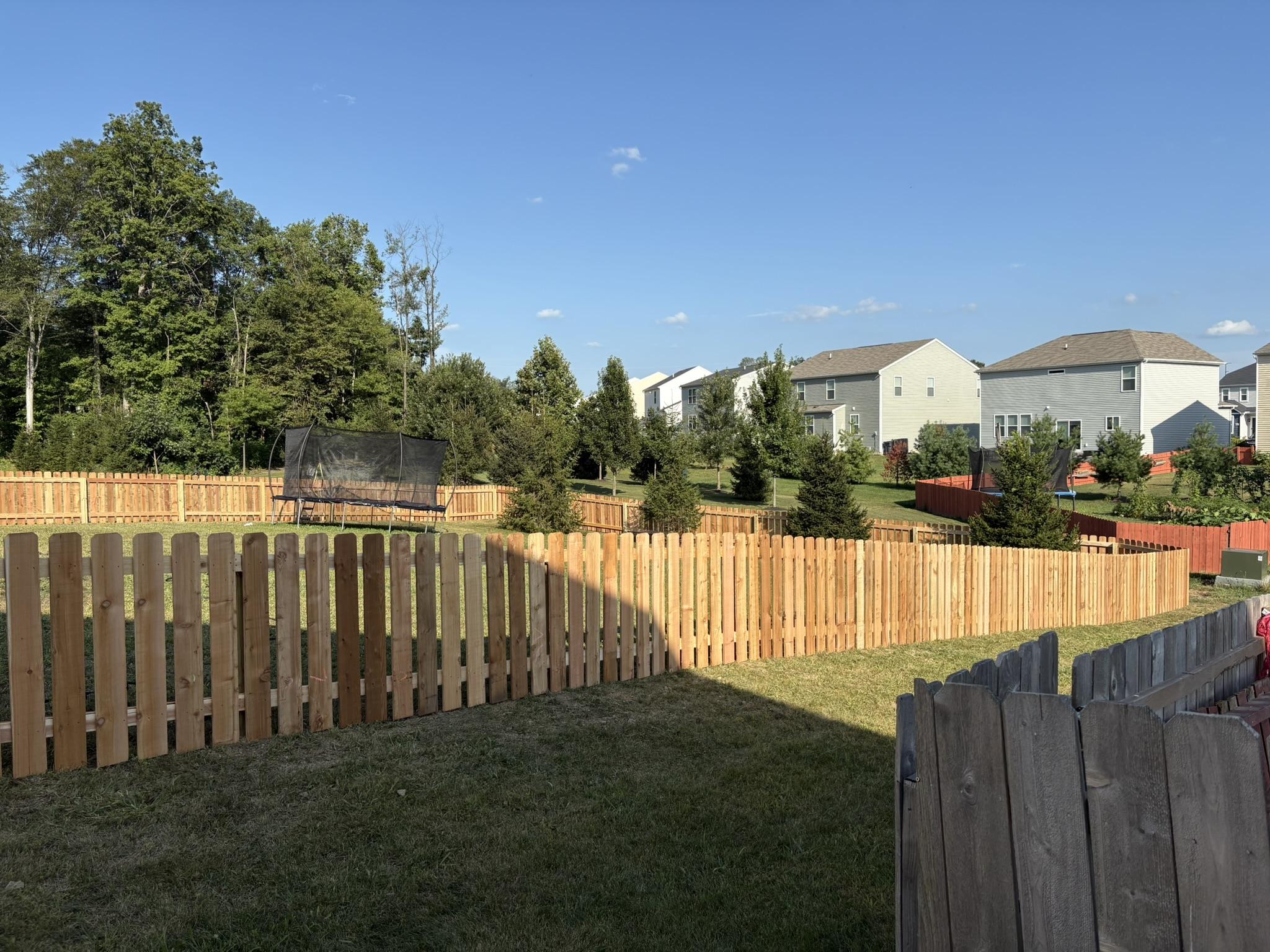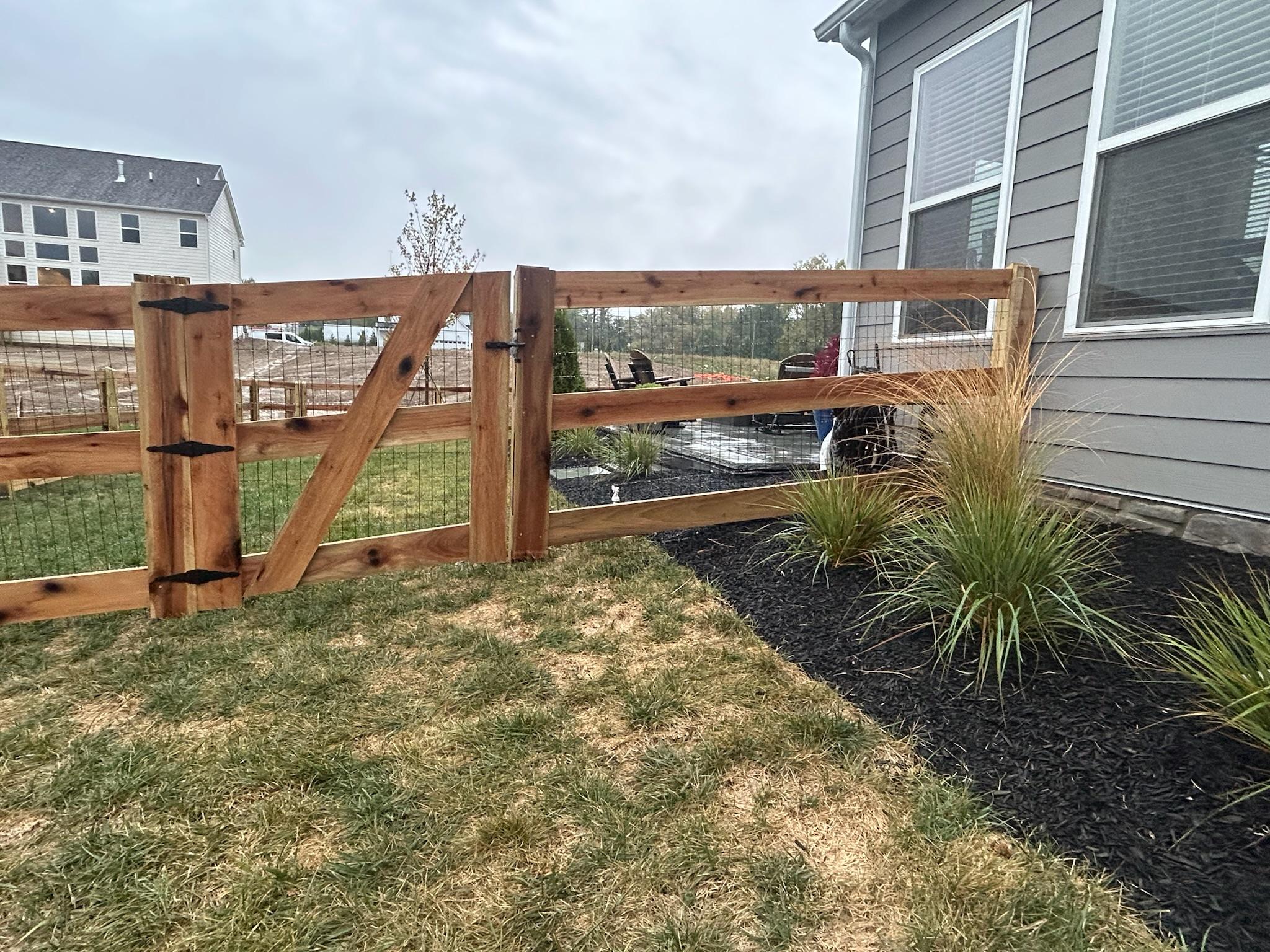
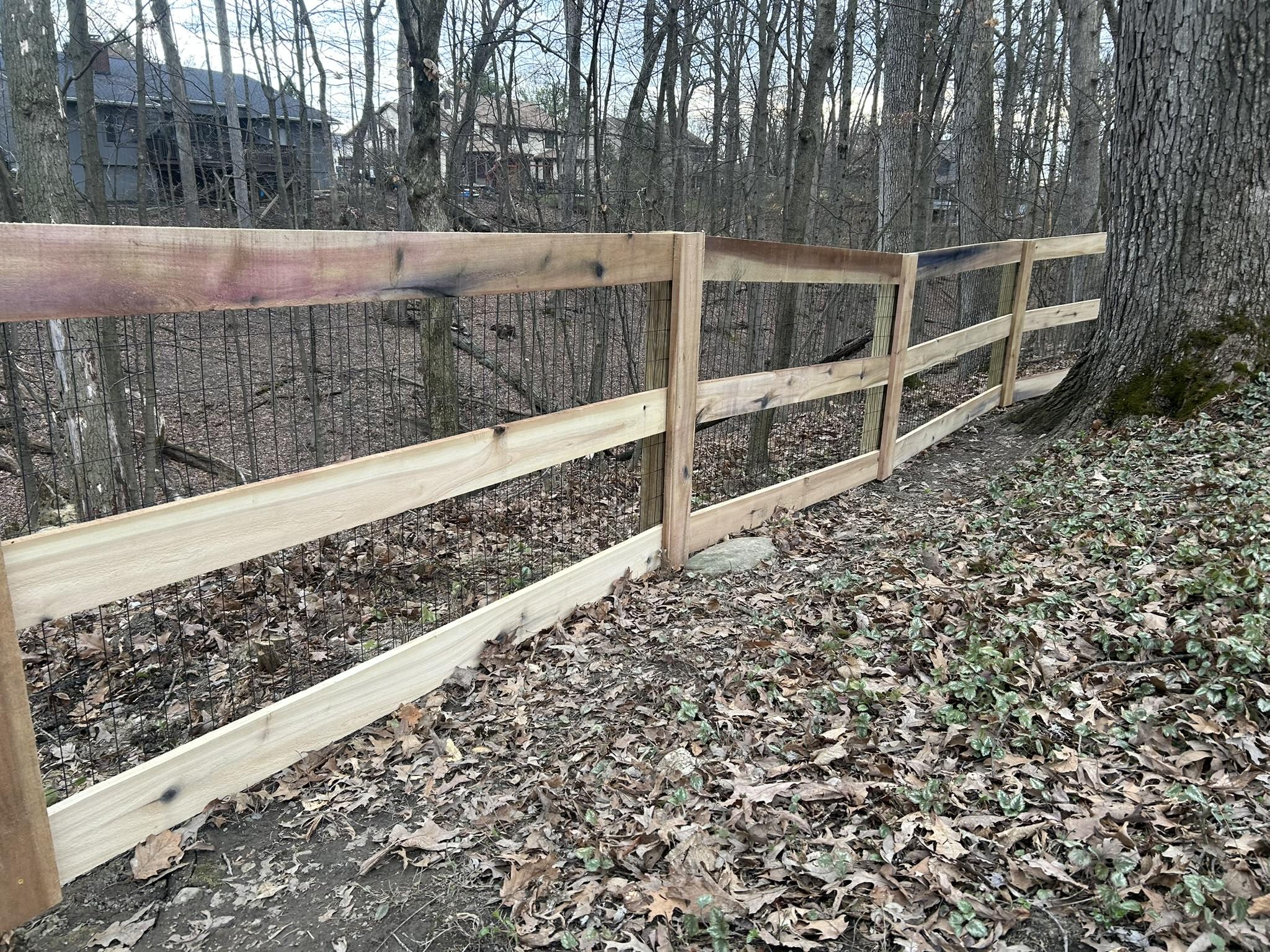
Uneven yards and unusual lots in Central Ohio bring unique challenges that few fence companies can handle well. If you’ve struggled to find reliable uneven yard fence solutions or wondered how to approach sloped lot fencing, you’re not alone. This guide breaks down what you need to know before installing a fence on tricky terrain, so you can protect and beautify your property without surprises. For more insights, check out our guide on how to put a fence on uneven ground.
Evaluating Your Unique Property
Understanding your property’s unique features is the first step to successful fence installation. Let’s explore how to tackle these aspects efficiently.
Understanding Your Terrain
Start by examining your land’s natural contours. Is it flat, hilly, or somewhere in between? This understanding helps in selecting the right fence type. A steep slope may require a different approach than a gentle one. Knowing your terrain ensures the fence sits snugly, enhancing both function and appearance.
Importance of a Property Line Survey
To avoid disputes, it’s crucial to know where your property begins and ends. A property line survey provides this clarity. Before any fencing begins, ensure you have this survey done. This step saves headaches and ensures your fence remains within your boundaries.
Addressing Drainage and Grading
Improper drainage can damage your fence over time. Assess how water flows across your land. If water pools in certain areas, it might affect the fence’s durability. Grading adjustments may be necessary to direct water away, prolonging your fence’s life.
Choosing the Right Fence for Your Needs
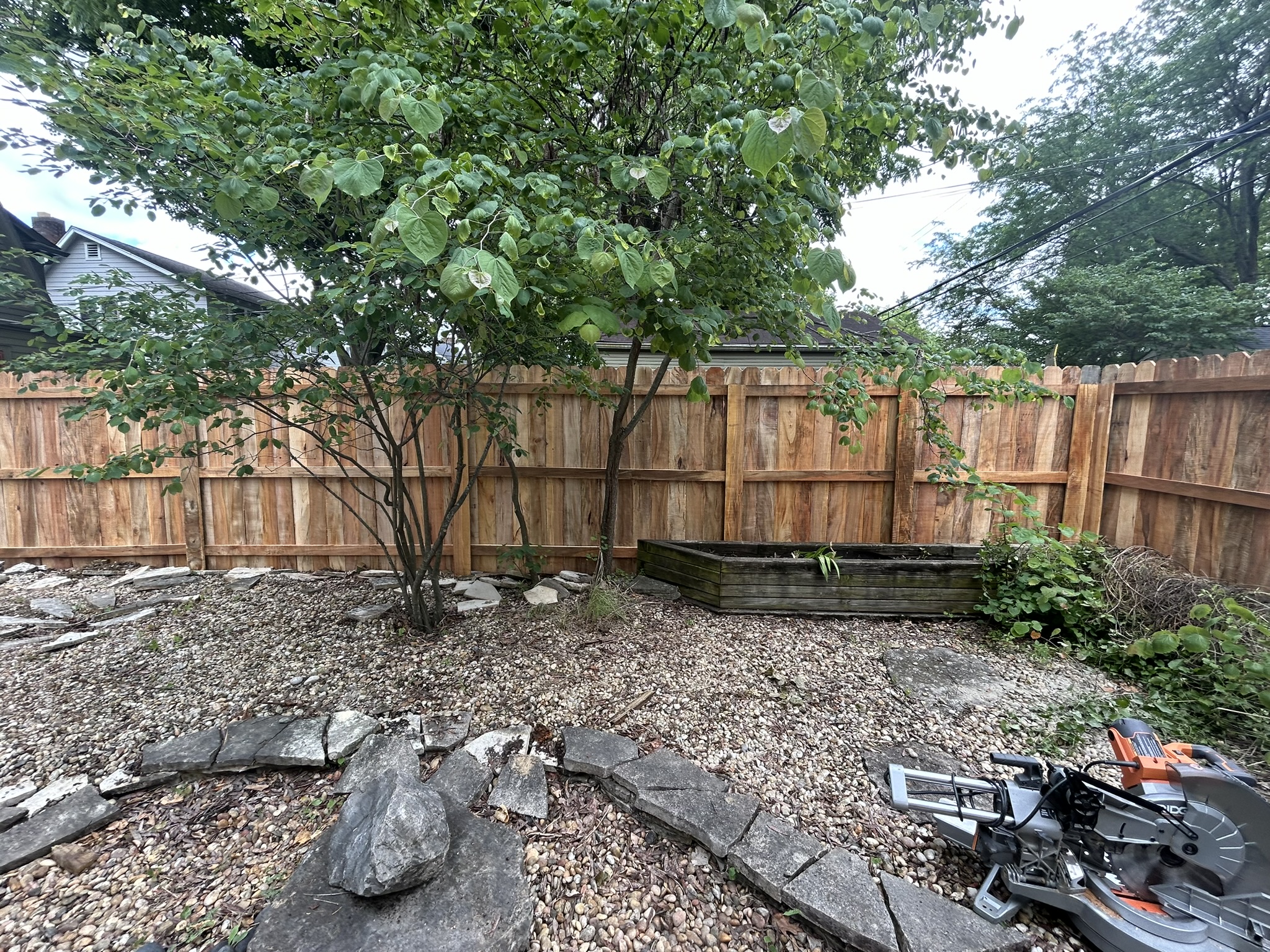
With your property’s quirks in mind, it’s time to choose a fence that fits. Here’s how to make the best choice for your particular needs.
Differences: Racked vs Stepped Fence
Racked fences follow the slope of the ground, while stepped fences create a distinct stair-step pattern. Racked fences provide a smooth, continuous look, ideal for subtle slopes. Stepped fences work better on steeper inclines, offering a terraced effect. Both styles keep gaps consistent, maintaining privacy and security.
Material Options for Sloped Lots
Certain materials adapt better to uneven ground. Wood and vinyl are versatile choices, easily customized to fit various slopes. Aluminum offers a sleek, modern look with flexibility. Chain link is economical and adjusts well to different terrains. Each option balances aesthetics with functionality.
Benefits of Retaining Walls with Fences
For dramatic slopes, a retaining wall can stabilize soil before fence installation. These walls prevent erosion and create a level foundation for your fence. Combining retaining walls with fences not only solves slope issues but also adds a layer of visual appeal to your property.
Navigating Local Regulations and HOA Guidelines

Before installation, understanding local rules and guidelines ensures your project complies with regulations, saving time and potential fines.
HOA Fence Guidelines in Columbus
Homeowners associations can have specific requirements regarding fence type, height, and color. Check these guidelines early to avoid violations. Adhering to these rules helps maintain community aesthetics and keeps neighbors happy.
Permitting and Zoning Requirements
Permits may be necessary depending on your fence’s height and location. Local zoning laws dictate these requirements, so check with your city or county offices. Ensuring compliance avoids delays and legal issues later on.
Working with Local Fencing Experts
Partnering with experts who know local conditions and regulations makes the process smoother. They provide valuable advice on materials, design, and placement. Their knowledge ensures your fence not only meets but exceeds all expectations.
Frequently Asked Questions
What is the best type of fence for uneven terrain?
Materials like wood and vinyl are excellent for uneven terrain due to their adaptability. They can be custom-sized to fit slopes seamlessly.
Do I need a permit to install a fence in Columbus?
In most cases, yes. Permits are required for fences above a certain height or if they impact public safety. Always check with local authorities before starting.
How can I prevent water damage to my fence?
Ensure proper grading and consider installing drains or retaining walls. This directs water flow away, protecting your fence from damage.
Can I install a fence directly on property lines?
It’s best to stay within your property boundaries to avoid disputes. A property line survey can help establish accurate borders.
What should I do if my HOA has strict fence guidelines?
Review the guidelines thoroughly and consult with a fencing expert to choose compliant materials and designs. This ensures your fence enhances your property’s value while adhering to community standards.