Planning a fence that holds up against Ohio’s unpredictable weather and daily wear isn’t as simple as picking a style you like. Freeze-thaw cycles, wind, and rain can quickly wear down a fence if it’s not built with the right materials and techniques. If you want a Columbus fence installation that lasts and keeps your property looking great year after year, you need a plan tailored to local conditions. Let’s walk through what it takes to get a fence that truly works for your home or business. For more insights, check out our guide on the best fence materials for Ohio weather and everyday use.
Understanding Ohio Weather Challenges
Ohio’s weather poses unique challenges that affect fence durability. Knowing these can help you choose the right materials and designs from the start.
Freeze-Thaw Cycle Impact
The freeze-thaw cycle in Ohio can be tough on fences. As temperatures drop and rise, water in the ground expands and contracts. This movement can affect fence posts, causing them to shift or crack. To combat this, consider using pressure-treated wood for its resilience. Alternatively, metal posts set in concrete can offer more stability. When planning your fence, consider that deeper post settings can further protect against frost damage.
Wind and Rain Resilience
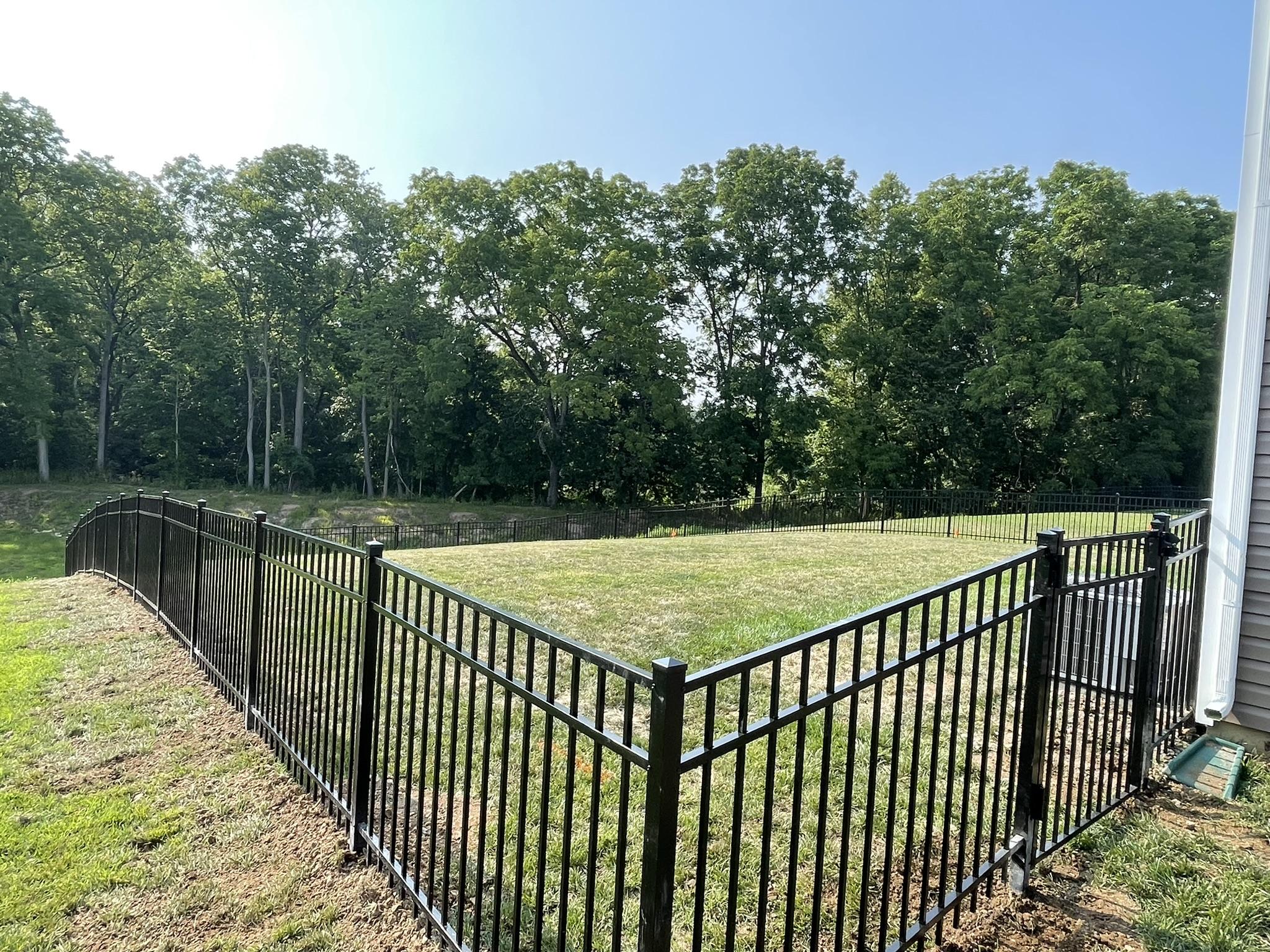
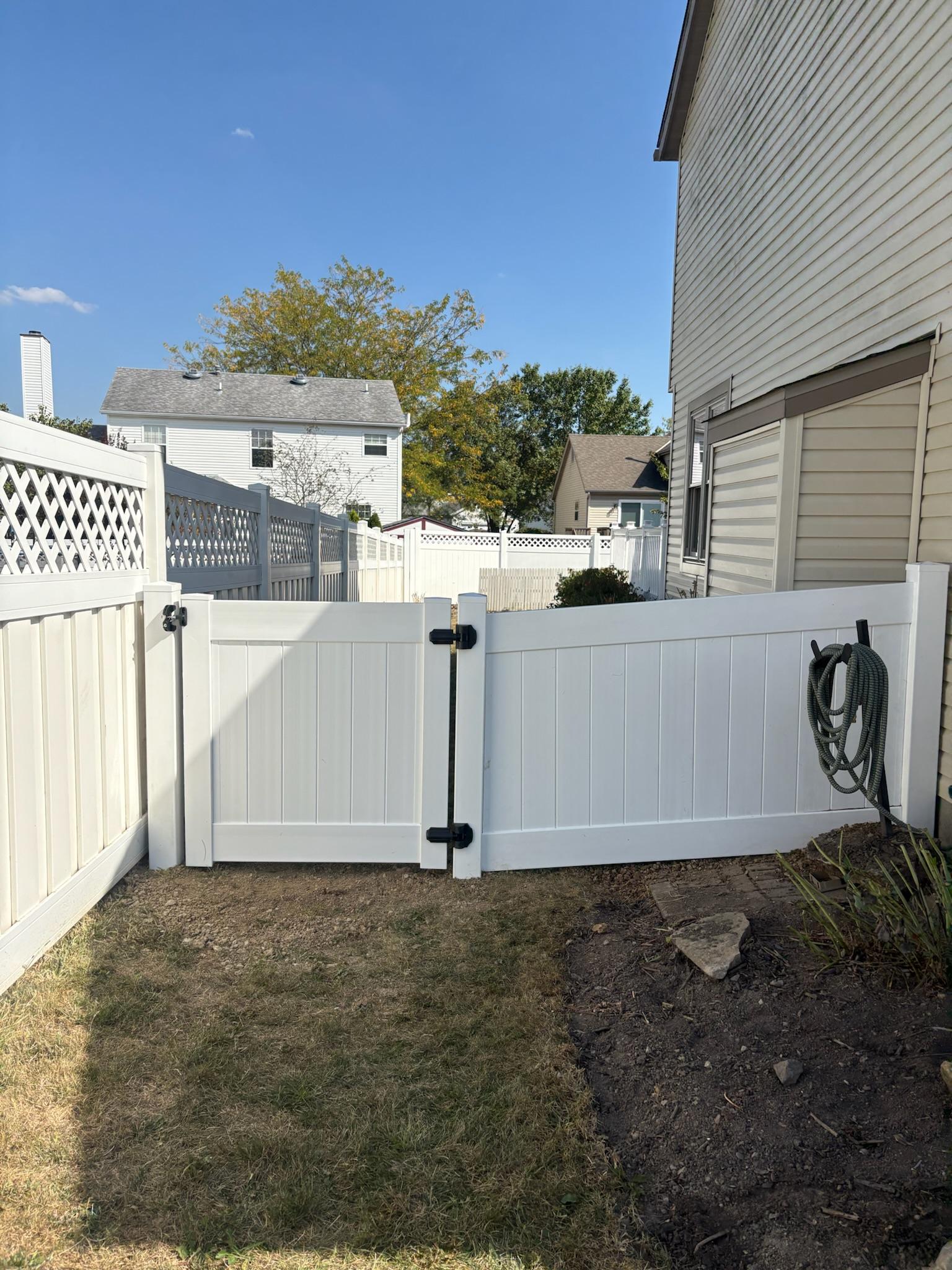
Ohio’s windy days and heavy rains can also test your fence’s strength. Strong winds can put pressure on panels, while rain can lead to wood rot if not managed properly. Choosing materials like vinyl or aluminum can offer better resistance to these elements. Vinyl, for instance, doesn’t absorb water, reducing the risk of warping. Aluminum is lightweight yet strong, making it ideal for standing firm against gusts. Ensure your fence has proper drainage systems to prevent water pooling and prolong its life.
Choosing the Right Fence Materials
Selecting the right materials is key to building a fence that stands the test of time in Ohio’s climate. Here’s what you need to know about different options.
Wood, Vinyl, and Aluminum Options
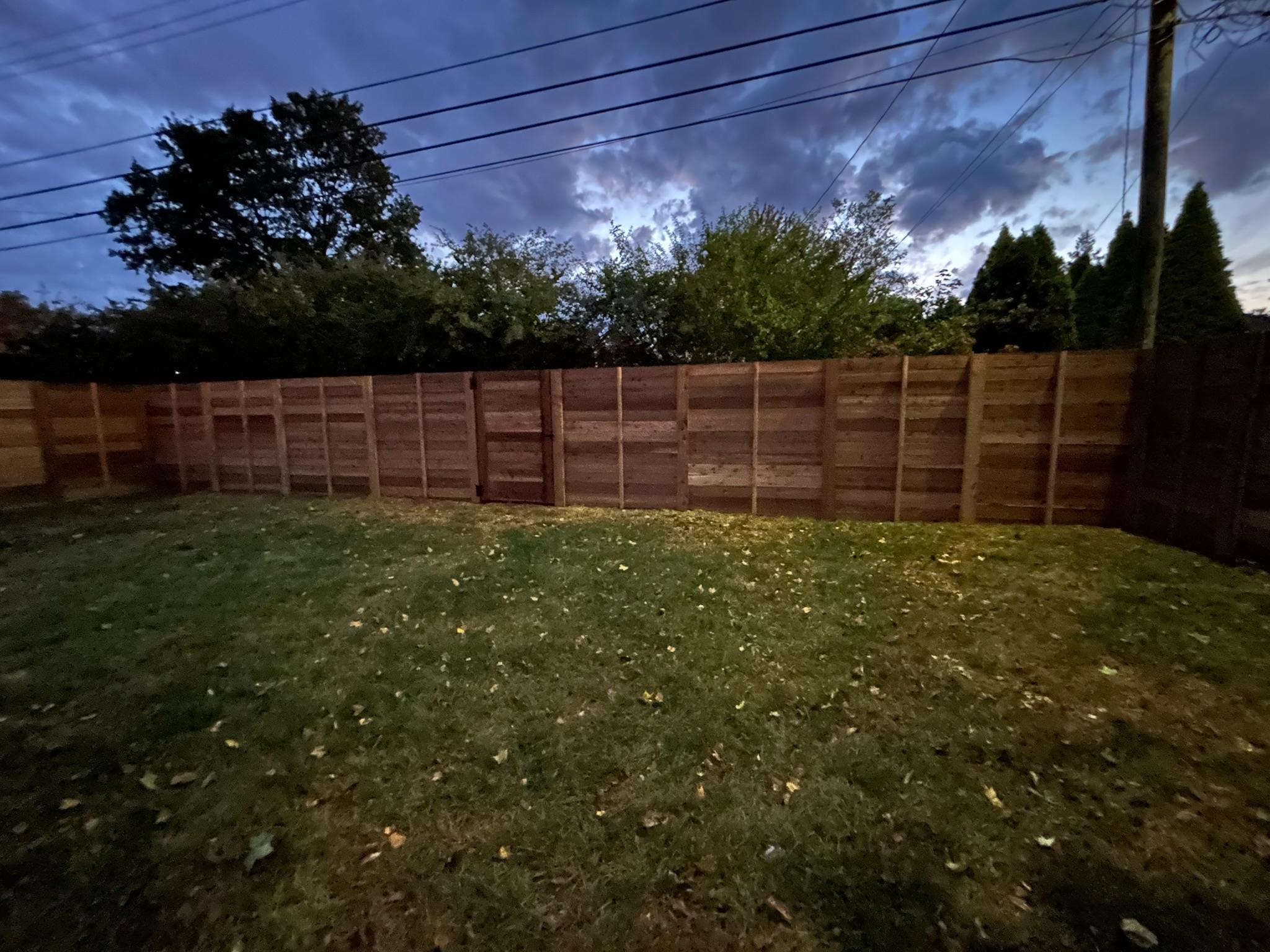
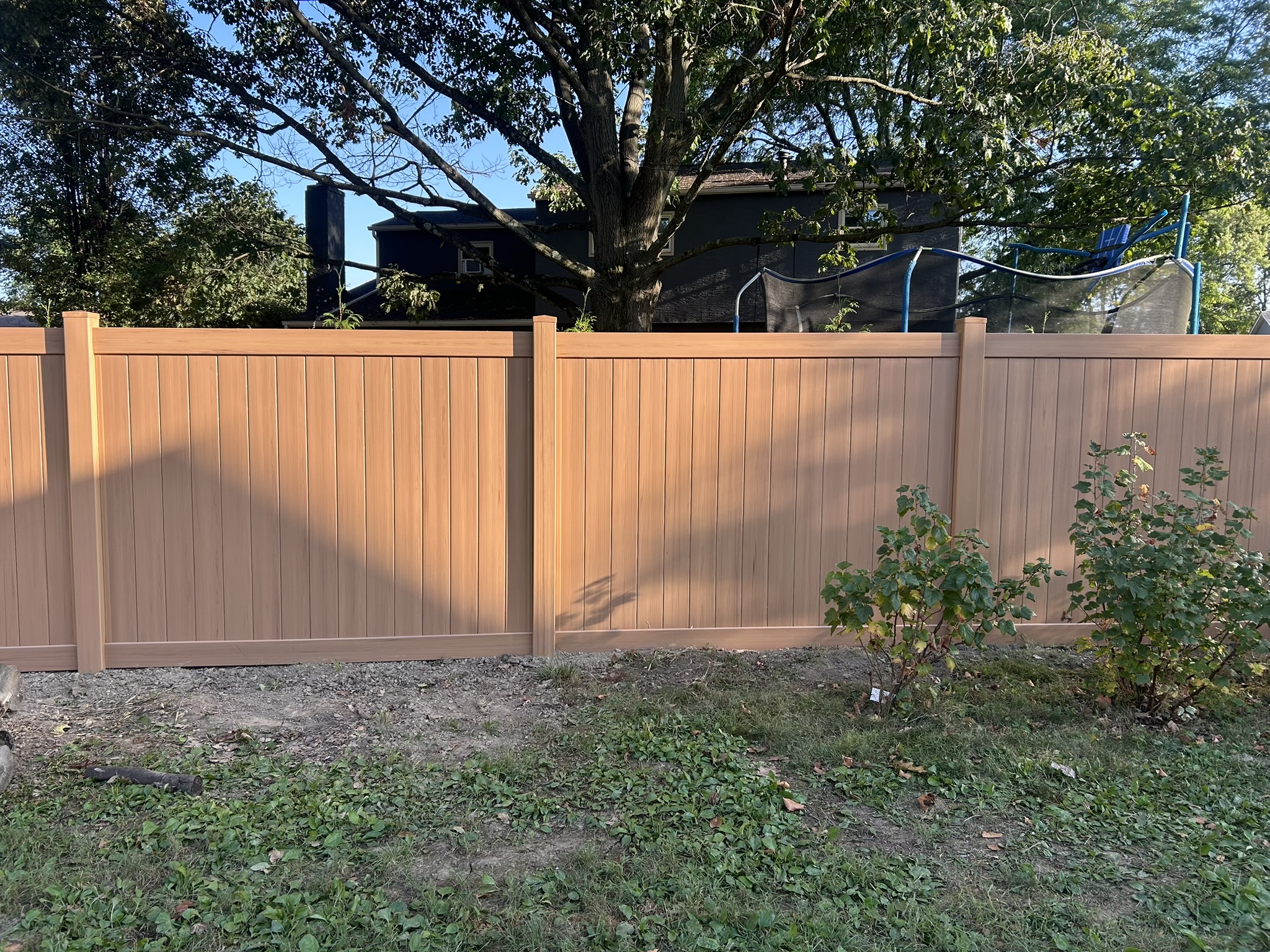
Wood fences, especially those made from cedar or redwood, provide a classic look. They are naturally rot-resistant, but regular sealing helps maintain their beauty and durability. Vinyl fences are a low-maintenance choice, immune to rot and insects. They come in many styles and colors, offering flexibility in design. Aluminum fences, while more of an investment, offer a sleek look with minimal upkeep. They resist rust, making them perfect for wet weather.
Chain Link and Custom Solutions
Chain link fences are durable and affordable, often used for security purposes. They stand up well to wind, though they offer less privacy. Custom fencing solutions allow for personalized designs that can meet specific needs. Whether you opt for decorative iron or a combination of materials, ensure that the design accounts for local weather conditions. Custom fences can be tailored to enhance your property while providing the necessary strength and resilience.
Planning for Long-Term Performance
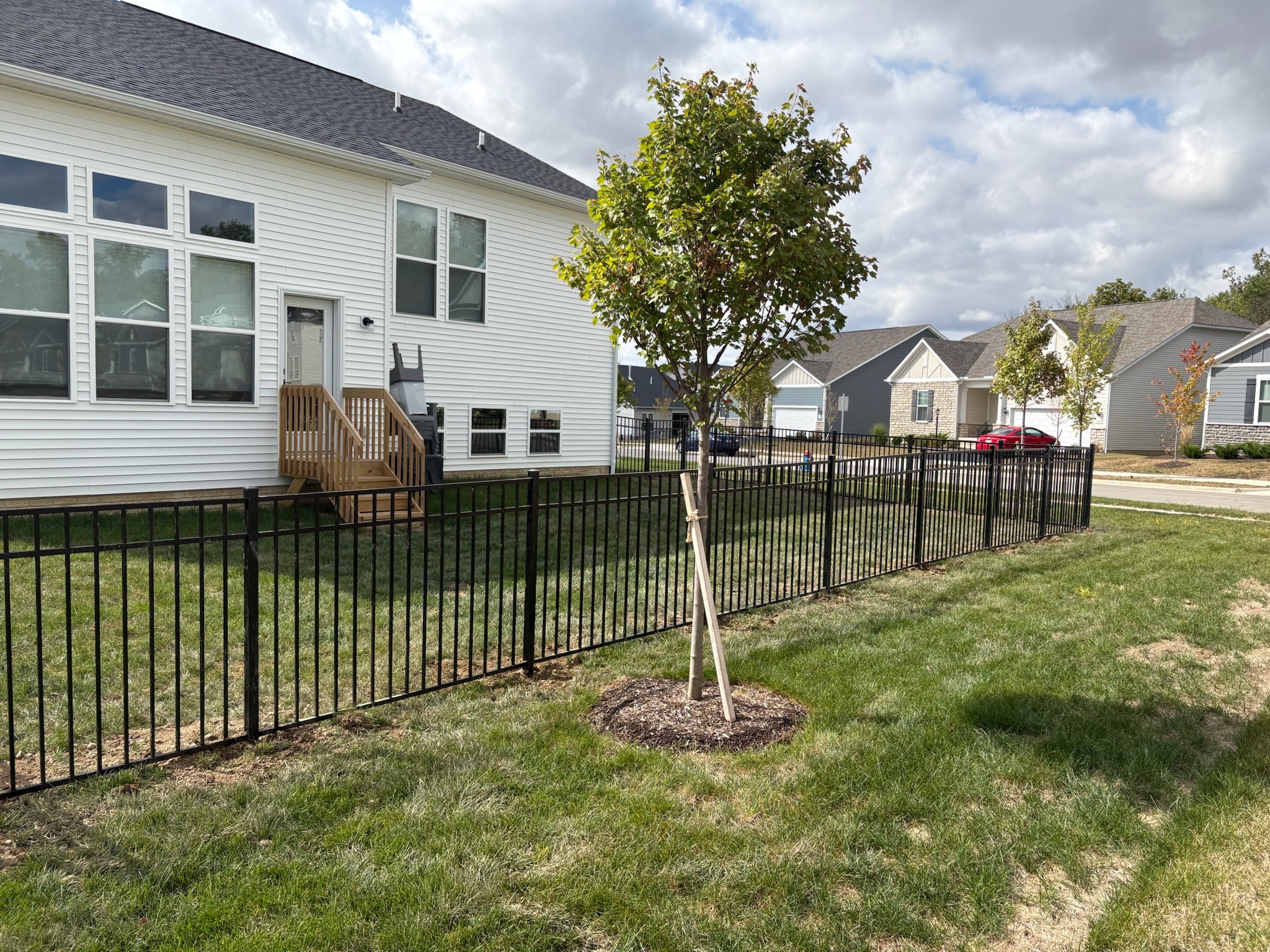
A well-planned installation and maintenance routine maximizes a fence’s lifespan. Here’s how to ensure your fence serves you well for years.
Importance of Proper Installation
Proper installation is crucial for your fence’s longevity. An experienced Ohio fence contractor knows how to set posts correctly, ensuring they won’t move with the freeze-thaw cycle. They also understand local regulations, like fence permits in Columbus, Ohio, which can affect installation. Expert installation prevents costly repairs and gives you peace of mind knowing your fence is built to withstand local weather.
Maintenance Tips for Durability
Regular maintenance keeps your fence in top condition. For wood fences, yearly staining or sealing prevents moisture damage. Vinyl fences require simple cleaning to remove dirt and debris. With aluminum and chain link, inspect for any signs of wear or damage, addressing issues promptly to avoid bigger problems. A little upkeep goes a long way in ensuring your fence remains a strong barrier for your property.
By understanding these factors and planning accordingly, you can enjoy a fence that enhances your property and stands up to Ohio’s weather challenges.
Frequently Asked Questions
What is the best material for fences in Ohio?
Vinyl and aluminum are excellent choices for Ohio’s climate. Vinyl is low-maintenance and resists rot, while aluminum offers sleek durability against rust.
How deep should fence posts be in Ohio?
Fence posts in Ohio should be set at least 36 inches deep to protect against frost heave. This depth helps prevent movement during freeze-thaw cycles.
Do I need a permit to install a fence in Columbus, Ohio?
Yes, a permit is typically required for fence installation in Columbus. Check local regulations to ensure compliance before beginning your project.
How often should I maintain my wood fence?
Wood fences should be sealed or stained annually to protect against moisture damage. Regular maintenance extends the life and appearance of your fence.
Can I install a fence in winter in Ohio?
Yes, winter fence installation is possible with the right materials and preparation. However, it’s crucial to follow best practices to avoid issues related to cold-weather conditions.