Installing a fence on a sloped yard, near trees, or where access is tight can quickly turn from a simple project into a complex challenge. Many homeowners in Columbus underestimate how these factors affect fence installation, leading to costly mistakes and delays. If you want your fence to look great and last, you need to understand the key steps involved before starting. As a trusted Columbus fence contractor, Murphy Fence LLC will guide you through what matters most to get your project right from the start.
Navigating Fencing on Sloped Yards
Installing a fence on a sloped yard requires careful planning to ensure stability and aesthetics. It’s important to understand the unique challenges involved and how to address them effectively.
Challenges of Sloped Yard Fencing
When you’re dealing with a yard that isn’t flat, different parts of your fence may look uneven or lean over time. The ground’s angle can also make digging post holes more complicated and affect the fence’s overall durability. To prevent such issues, it’s essential to start with a clear plan that considers the slope’s degree and the soil type. Learn more about the challenges of installing a fence on a slope.
Solutions for Fence on a Hill
Creating a sturdy fence on a hill often involves two main techniques: racked or stepped fencing. Racked fences follow the slope naturally, allowing the rails to remain parallel to the ground. This method works best for gentle slopes. Stepped fencing, on the other hand, involves creating level sections, like stairs, which are ideal for steeper grades. Selecting the right method depends on your yard’s slope and your aesthetic preferences. Discover more tips on how to put a fence on uneven ground.
Choosing the Right Fence Material
Picking the correct material is crucial for a fence on slopes. Wood is flexible and can be shaped to match the land’s contours, making it a popular choice for many homeowners. Vinyl offers durability with minimal maintenance but may require more planning to accommodate slopes. Aluminum and chain link are also viable options, each providing unique benefits based on your needs. To avoid costly mistakes, consider consulting a Columbus fence contractor before deciding on a material.
Installing Fences Near Tree Lines
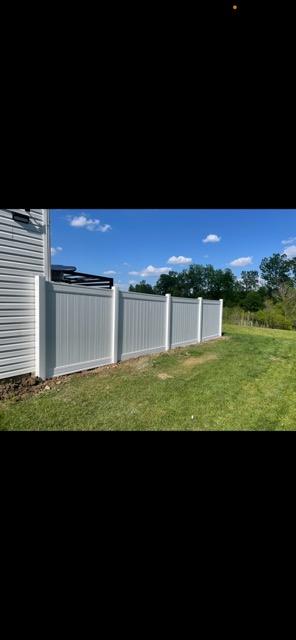
When placing a fence near trees, considering the impact on roots and tree health is vital. Here’s what you need to know about fencing in these areas.
Tree Line Fencing Considerations
Trees add beauty and shade to any property, but their roots can complicate fence installation. Roots often extend far beyond the tree’s canopy and can interfere with post placement or cause future fence instability. It’s important to assess the root system before starting your project to avoid damage to your trees and the long-term stability of your fence.
Protecting Tree Roots During Installation
To safeguard tree roots during fence installation, consider root barriers or trenching techniques that minimize root disturbance. If roots are encountered, adjust post positions or use alternative anchoring methods to prevent cutting through significant roots. Consulting with an expert can help ensure that both the fence and your trees remain healthy.
Best Practices for Tree Line Fencing
To maximize the lifespan of your fence and ensure tree health, follow these best practices: maintain a safe distance from tree trunks, avoid cutting major roots, and choose materials that can withstand root pressure over time. Regularly inspect the fence for signs of root-related stress, such as leaning or warping panels.
Overcoming Tight Access Challenges

Properties with limited access points for machinery present unique challenges for fence installation. Here’s how to manage those tight spaces effectively.
Strategies for Tight Access Fence Installation
Working in tight spaces often requires creativity and flexibility. One strategy is to use smaller equipment that can navigate narrow access points. Alternatively, consider modular fence sections that can be assembled on-site, reducing the need for heavy machinery.
Equipment and Hand-Carry Solutions
When access is tight, traditional machinery may not be an option. Consider using hand-held tools and equipment designed for small spaces. Materials can be hand-carried in sections, allowing for installation in areas where larger equipment cannot reach.
Importance of Professional Assessment
Having a professional assessment can make a significant difference in tight access scenarios. An experienced contractor can evaluate the site, suggest suitable materials, and plan the installation process to minimize challenges. Their expertise ensures that your project runs smoothly from start to finish, delivering a fence that meets your expectations.
Frequently Asked Questions
How do I install a fence on uneven ground without mistakes?
Installing a fence on uneven ground involves choosing between racked or stepped fencing and selecting flexible materials like wood. Consulting a professional can help prevent costly errors.
What should I consider when installing a fence near trees?
Consider the tree’s root system, which can interfere with post placement. Strategies include adjusting post positions and using root barriers to protect both the fence and tree health.
What are the best materials for a sloped yard fence?
Wood is often preferred for its flexibility, while vinyl and aluminum offer durability. Each material has benefits depending on the slope’s severity and your aesthetic goals.
How can I handle tight access for fence installation?
Use smaller equipment and hand-carry materials if machinery can’t reach the site. A professional assessment can also help plan for limited access challenges.
Why is a professional assessment important for fence projects?
A professional assessment ensures that your site’s unique challenges are addressed, providing expert guidance on materials and installation methods for the best results.