
Quick Summary
Elegant wood fencing can provide privacy, airflow, curb appeal, and a stronger connection between your home and landscape. Board patterns, height, spacing, stain color, trim, and material quality shape the final appearance. From substantial privacy designs to open decorative boundaries, each style serves a different purpose. Professional planning and installation help the chosen fence complement the property while maintaining a polished, consistent finish.
What do you notice first when you look at a property from the street or step into its backyard? A well designed wood fence can frame that view, define outdoor areas, and give the landscape a polished character. The best wood fence ideas connect height, board direction, spacing, color, and trim with the architecture of the home. Your choice shapes privacy, openness, curb appeal, and the way each space feels in daily use. A fence should look intentional from every angle and support how you use the property. Ready to see which style can create that effect for your home? Let’s explore the styles that can elevate your home.
Board on Board Privacy Fencing
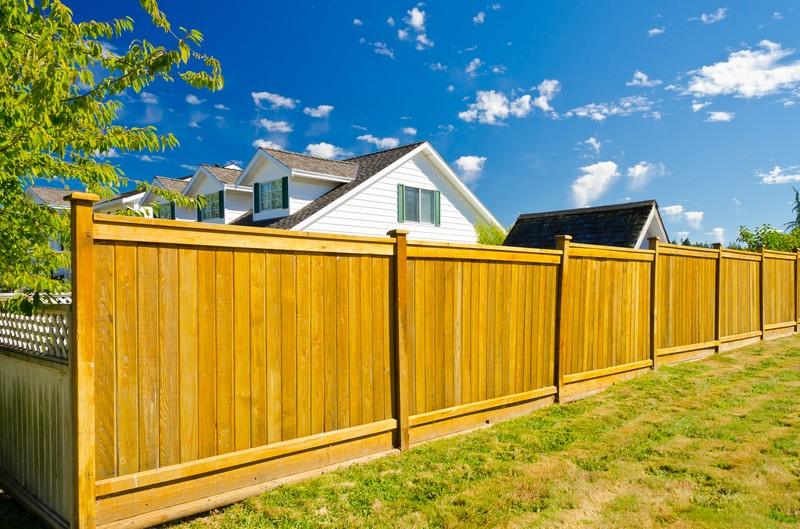
Privacy often becomes the first priority when neighboring yards, patios, or pools sit close to one another. A board-on-board fence addresses that concern through overlapping vertical boards that reduce visible gaps and create a substantial boundary. The layered construction gives the design depth, strength, and a polished appearance from the yard. Wood species, board width, stain color, and trim details can shift the finished look from traditional to contemporary. Decorative post caps and framed panels add a tailored finish, while high grade lumber and accurate spacing help the fence maintain a consistent profile through seasonal movement. This design suits homeowners who want seclusion, visual weight, and an architectural feature that feels integrated with the property over time gracefully.
Modern Horizontal Wood Fencing
Clean lines can reshape the way an outdoor area feels, especially when the fence supports the architecture rather than competing with it. Modern horizontal wood fencing creates a wider visual effect through boards installed in long, continuous rows. Closely spaced boards provide privacy, while measured gaps can allow light and airflow to move through the design. Natural cedar tones bring warmth to modern and transitional homes, while deeper stains create a stronger character. Metal posts or frames can introduce contrast, definition, and a refined custom detail. Proper spans, structural support, and precise fastening help each row remain straight, creating a calm and deliberate result that stays connected to the surrounding landscape from every angle through changing light and varied seasonal conditions.
Shadowbox Wood Fencing
Balanced privacy can be valuable when a yard needs coverage without feeling fully enclosed. Shadowbox wood fencing uses alternating boards on opposite sides of the rails, creating a layered pattern that looks attractive from either direction. The offset arrangement limits direct views while allowing more airflow and filtered light than a closed privacy panel. This quality makes the design useful along shared boundaries, garden edges, and properties where both sides remain visible. Stain selection, board spacing, and post details can adapt the appearance to traditional or transitional homes. Unlike board-on-board construction, the layout relies on intentional spacing rather than overlap, producing symmetry, ventilation, and a polished finish on both sides throughout shared outdoor spaces and changing seasonal conditions.
Lattice Top Privacy Fencing
Decorative detail can soften the visual weight of a tall privacy fence and create a stronger connection with the landscape. Lattice top privacy fencing combines a solid lower section with an open patterned panel along the upper edge. The lower boards provide seclusion around patios, gardens, and seating areas, while the lattice introduces light and texture. Square patterns feel structured, while diagonal layouts often create a softer and more ornamental effect. The proportion between the two sections can be adjusted to suit height, privacy, and architectural preferences. Trim boards, post caps, climbing plants, and coordinated stains complete the composition, helping the fence feel graceful, balanced, and carefully integrated with the landscape through every season and from several outdoor viewing points.
Louvered Wood Fencing
Filtered light and controlled visibility can improve outdoor comfort in spaces that still need airflow. Louvered wood fencing uses angled boards to limit direct sight lines while allowing air to pass between each section. The design works well around pools, patios, outdoor kitchens, and contemporary garden areas where shade and ventilation remain important. Board angle and spacing influence privacy, brightness, and movement, so the layout requires precise planning. Natural wood tones can soften modern architecture, while darker finishes create a sharper and more sculptural appearance. Repetition across each panel gives the fence a refined rhythm, offering privacy, openness, texture, and architectural distinction that remains comfortable throughout daily use during quiet mornings, active afternoons, and relaxed evening gatherings outside at home.
Classic Wood Picket Fencing
A welcoming front boundary can define a property while keeping the home and landscape open to view. Classic wood picket fencing creates that effect through shorter heights and evenly spaced vertical boards. The design complements cottage, Colonial, Craftsman, and traditional architecture, though thoughtful proportions can also suit updated homes. Picket tops may be pointed, rounded, flat, scalloped, or shaped to match a custom exterior detail. Board width, spacing, paint, stain, and post design influence whether the finished fence feels formal, playful, or understated. Garden beds, walkways, and street facing yards gain definition without losing visibility, giving the property lasting charm, clarity, and a stronger presence at the street while retaining an open and approachable appearance from the sidewalk each day.
Scalloped or Arched Top Wood Fencing
Curved profiles can bring movement to a long fence line and make standard vertical boards feel more tailored. Scalloped and arched top wood fencing use opposite curves to create distinct visual effects. A scalloped panel dips toward the center, while an arched panel rises and creates a stronger focal point. Both forms can frame entrances, define garden boundaries, and complement traditional or transitional architecture. The curve may remain subtle for a restrained appearance or become more pronounced for decorative impact. Coordinated post caps, trim boards, and panel proportions help the profile feel cohesive, adding individuality while preserving privacy, structure, and the familiar strength of vertical wood construction across the property while creating a polished transition between connected outdoor areas nearby.
Create a Fence That Belongs on Your Property
The right wood fence should feel connected to your home, landscape, and use of the property. Style influences privacy, airflow, visibility, and curb appeal, while material quality and installation accuracy shape how the finished fence looks. A thoughtful choice balances appearance with practical needs, creating a boundary that feels intentional rather than generic. When design, proportion, and finish work together, the fence becomes a lasting architectural feature instead of a simple perimeter.
At Murphy Fence, we design and install residential fencing with premium materials chosen for strength and appearance. Our team can help you compare wood fence styles, refine details, and plan a layout that suits your property. We also install aluminum, vinyl, chain link, farm, and commercial fencing when another material better fits the setting. With more than 20 years of residential and commercial experience, we manage the installation process and handle permitting in most service areas, giving you a polished result built around your goals.
Ready to elevate your property with a fence designed for it? Contact us for a consultation and remember, do not just get a fence. Get a Murphy Fence.
FAQs
Which wood fence style provides the most privacy?
A board-on-board fence is a strong choice when privacy is your main priority. Its overlapping vertical boards reduce visible gaps and create a substantial appearance around backyards, patios, and pools. Louvered fencing also limits direct views while allowing more airflow and filtered light, which can suit outdoor living areas.
What wood fence style works well with a modern home?
Horizontal fencing gives a property clean lines and a modern visual rhythm. The boards can be placed closely for privacy or spaced to admit more light and air. Natural wood tones create warmth, while darker finishes and metal framing introduce sharper contrast. Proper structural support helps the rows remain straight and balanced.
How should I choose a wood fence design for my property?
Start with the architecture of your home, the amount of privacy you want, and how you use the surrounding outdoor space. Board direction, height, spacing, stain color, and decorative details all affect the result. A professional fence installer can refine those choices around your property layout and local requirements before installation begins.